
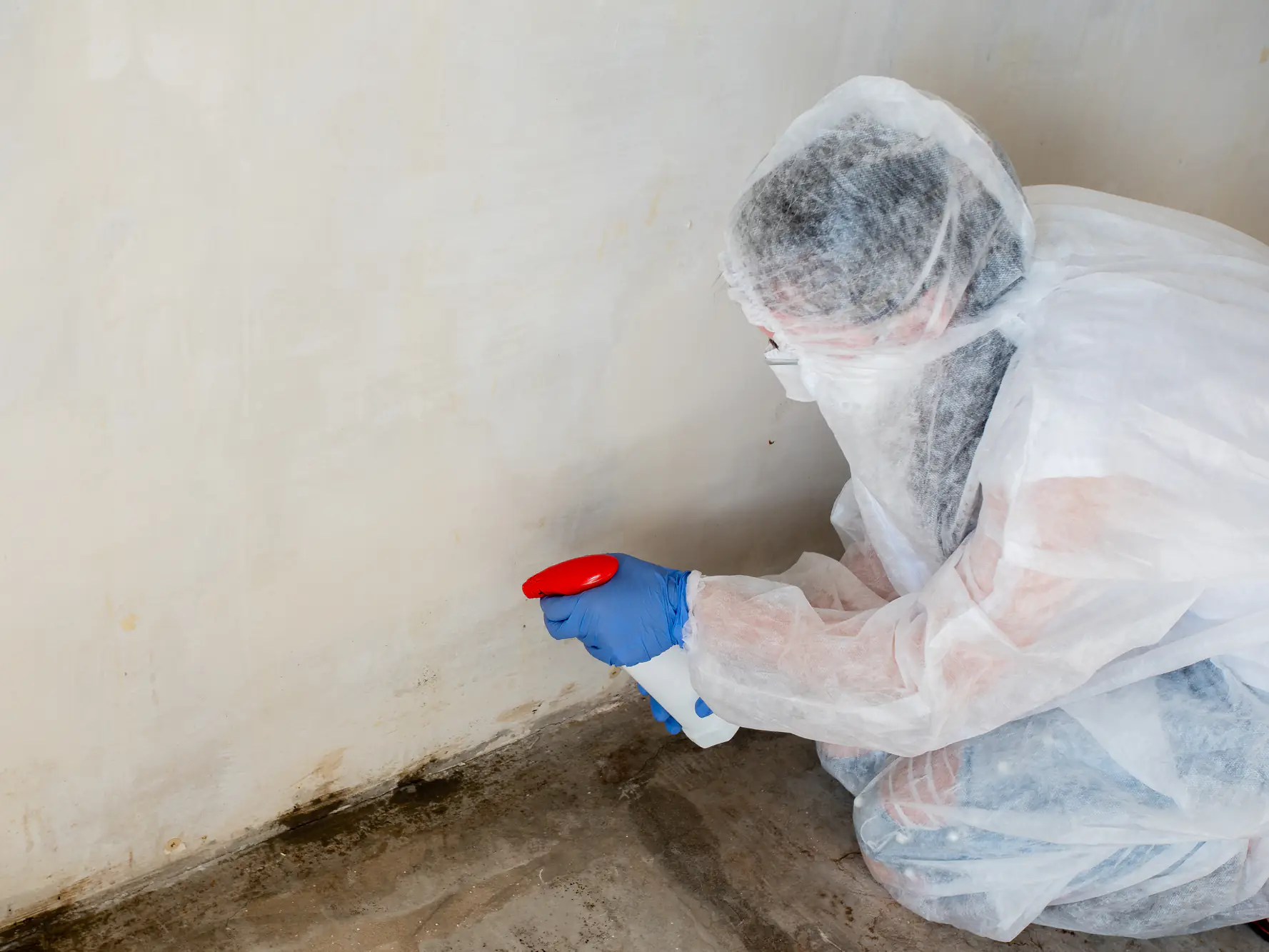
Hear from Our Customers
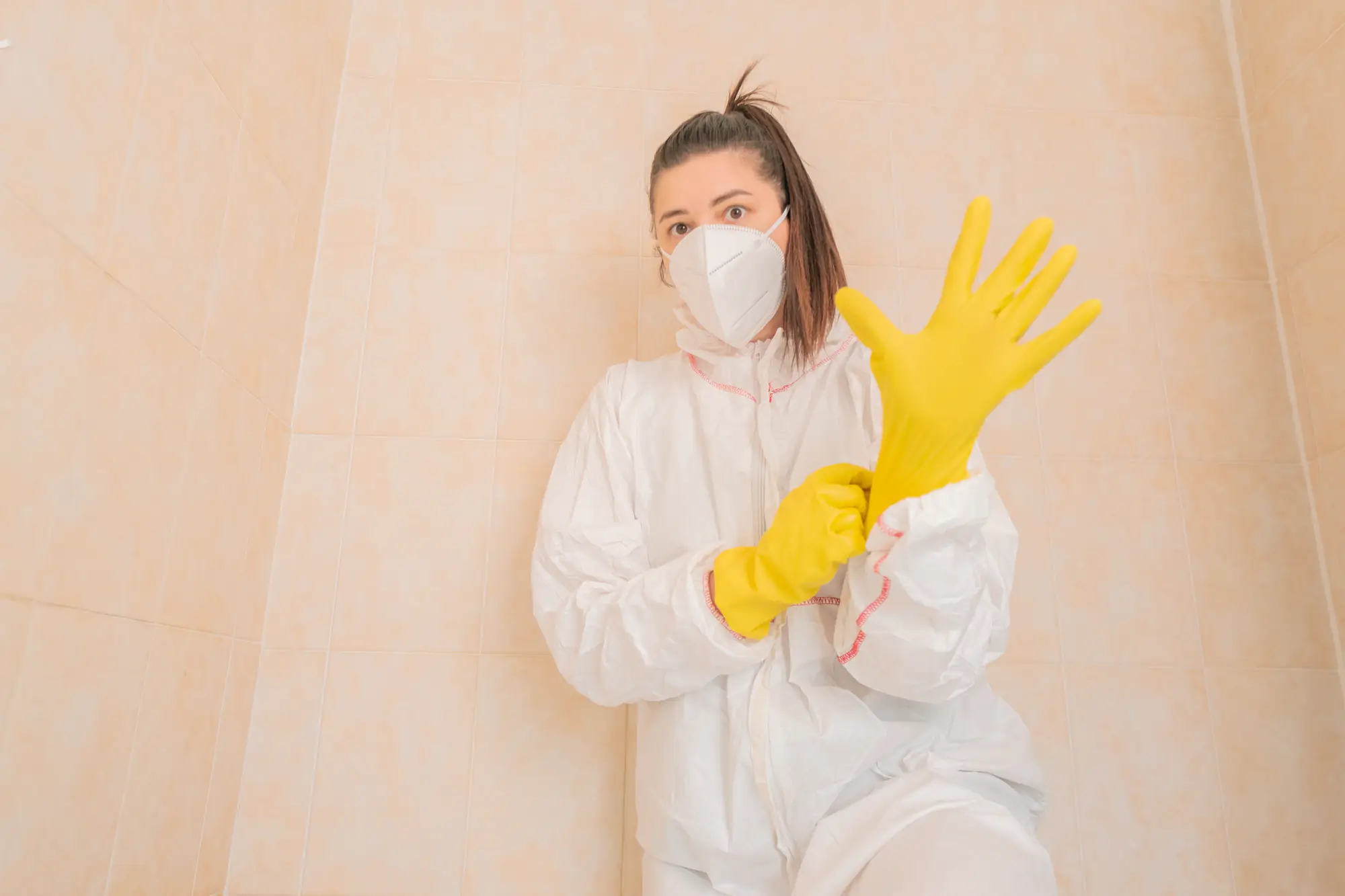
You stop wondering if that musty smell is making your family sick. You stop worrying every time someone coughs or complains about headaches. The air in your home feels cleaner because it is cleaner.
That’s what proper mold remediation does. It removes the source, not just the surface growth you can see. It addresses the moisture problem feeding it. And it gives you documentation proving the job was done right—something that matters when you’re protecting your family or preparing to sell.
You’re not just paying to scrub walls. You’re investing in a home environment where you can breathe easier, sleep better, and stop second-guessing whether your house is slowly making you sick. That peace of mind doesn’t come from a quick cleanup. It comes from working with mold removal specialists who know how to find hidden growth, eliminate it completely, and prevent it from coming back.
We’ve been serving Grenoble and the surrounding Bucks County area for years. We’re not a national franchise following a script. We’re local mold experts who understand what Pennsylvania’s humid summers and damp winters do to homes in this region.
Older homes here weren’t built with modern moisture barriers. Basements flood. Attics trap condensation. Crawl spaces stay wet for months. We’ve seen it all, and we know how to fix it.
When you call us, you’re working with certified professionals who use EPA-approved methods and advanced detection equipment. We’re the team your neighbors trust when they find black mold in the basement or mysterious growth behind the drywall. And we’re available 24/7 because mold emergencies don’t keep business hours.
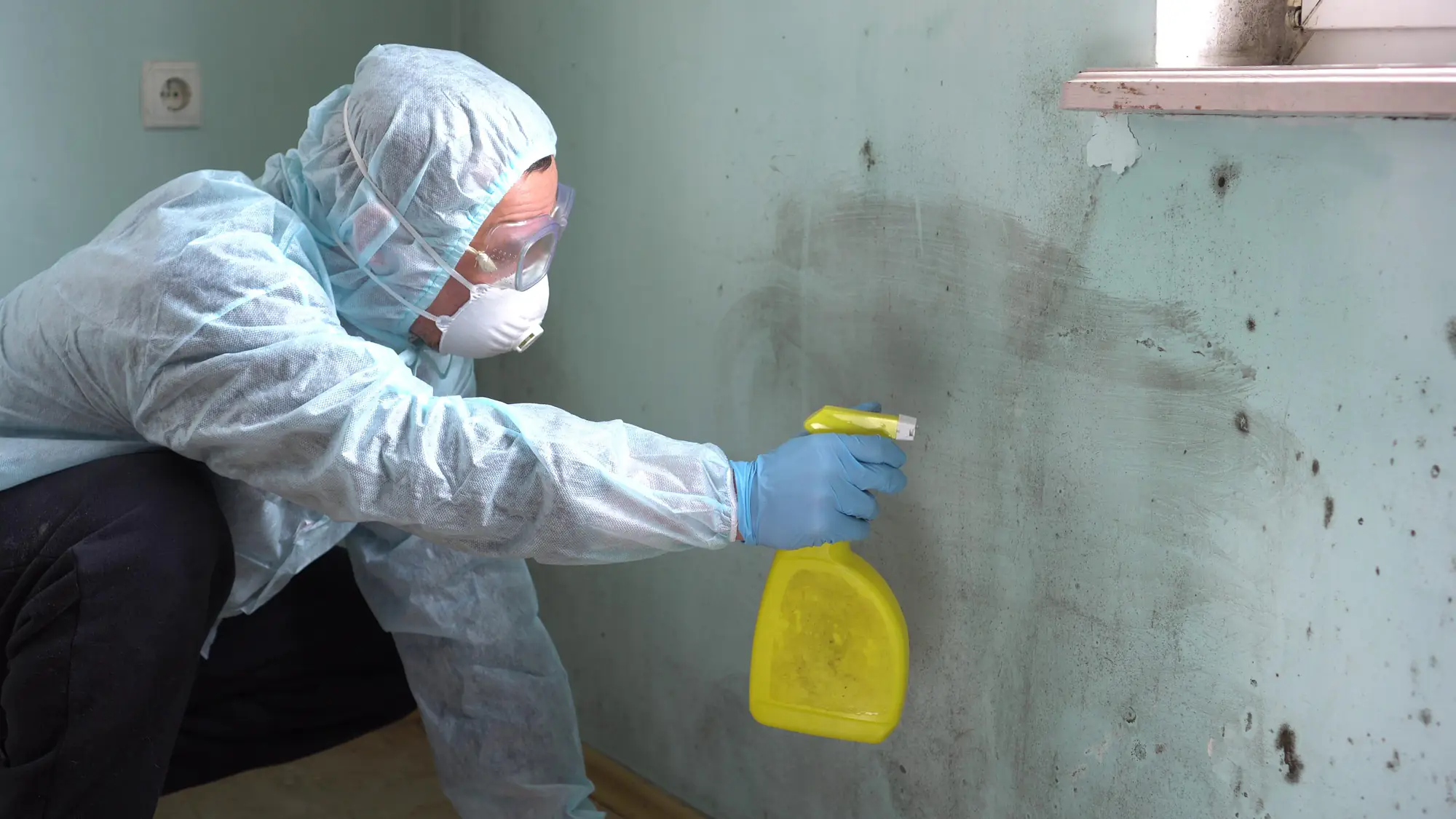
First, we inspect your property thoroughly. That means infrared cameras to detect moisture you can’t see, air quality testing to measure spore levels, and a complete assessment of where the mold is growing and why. You get a clear explanation of what we found—no jargon, no upselling.
Next, we contain the affected area to prevent spores from spreading during removal. We use negative air pressure and physical barriers because disturbing mold without containment makes the problem worse. Then we remove contaminated materials safely, treat affected surfaces with EPA-approved solutions, and dry everything completely.
Finally, we address the moisture source. Maybe that’s fixing a leak, improving ventilation, or recommending drainage solutions. Without this step, mold comes back. We also provide documentation of the entire process—lab results, photos, moisture readings—so you have proof the job was done right. That matters for insurance claims and future home sales.
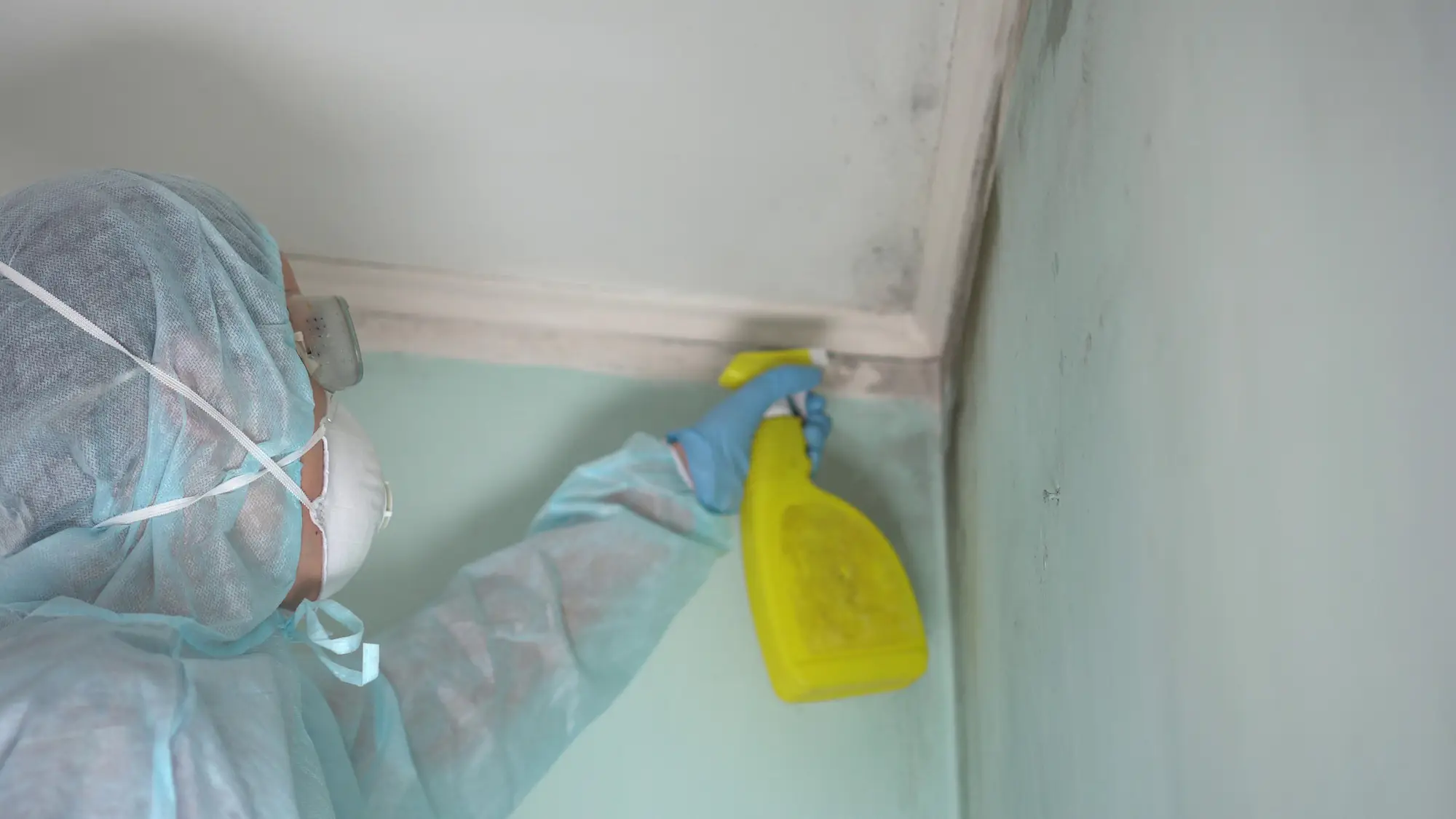
Ready to get started?
You get a free initial inspection where we assess the extent of growth and identify moisture sources. That includes thermal imaging, moisture meter readings, and air quality samples if needed. No surprise fees later.
Our remediation process includes complete containment, HEPA filtration during removal, safe disposal of contaminated materials, and antimicrobial treatment of affected areas. We don’t just clean what you can see. We test air quality before and after to confirm spore levels are back to normal.
In Grenoble and throughout Bucks County, humidity levels regularly hit 70% or higher during summer months. That’s well above the 60% threshold where mold thrives. Older homes in this area often lack proper vapor barriers, and basement moisture is a constant battle. We factor in these local conditions when we develop your remediation plan.
You also get help with insurance claims. We document everything, communicate directly with adjusters, and provide the detailed reports they require. And if you’re dealing with black mold—which is common in damp Pennsylvania basements—we follow strict protocols to protect your family during removal.

Mold spores are already in your home—they’re everywhere. But they need moisture to grow. Once materials get wet, mold can start developing within 24 to 48 hours. That’s why speed matters after a leak, flood, or any water intrusion.
In Bucks County’s humid climate, that timeline can be even shorter during summer months when indoor humidity is already elevated. A wet basement, roof leak, or burst pipe creates the perfect environment almost immediately.
If you’ve had water damage, don’t wait to see if mold appears. By the time you see visible growth, it’s already established. The best approach is getting a professional inspection within the first day or two. We can detect moisture in hidden areas and dry everything properly before mold takes hold.
Mold removal sounds like you’re getting rid of every single spore. That’s not realistic—mold spores exist everywhere. Mold remediation is the accurate term, and it means bringing spore levels back to normal, safe levels while eliminating active growth.
Remediation addresses the whole problem. We remove contaminated materials, treat affected surfaces, clean the air with HEPA filtration, and most importantly, fix the moisture issue causing growth. Just scrubbing visible mold off a wall doesn’t solve anything if the underlying dampness remains.
You want a mold removal specialist who understands this distinction. Companies promising to “remove all mold” are either misleading you or don’t understand the science. The goal is returning your indoor environment to healthy spore levels and preventing future growth. That’s what proper remediation accomplishes.
Black mold—usually Stachybotrys chartarum—can produce mycotoxins that cause health problems. But here’s what matters more: you can’t identify mold species by color alone. “Black mold” could be several different types, and some non-black molds are equally problematic.
Any mold growing in your home can trigger allergic reactions, respiratory issues, headaches, and fatigue. People with asthma, allergies, or compromised immune systems are especially vulnerable. The health risk depends on the type, the amount, and your individual sensitivity.
Instead of worrying about whether it’s specifically Stachybotrys, focus on this: visible mold growth means you have a moisture problem that needs professional attention. We can test to identify the species if needed, but the remediation approach is similar regardless. Remove the growth, eliminate the moisture source, and restore safe air quality. That’s how you protect your family.
It depends on what caused the mold. Most homeowners policies cover mold remediation if it resulted from a “covered peril”—like a burst pipe, storm damage, or appliance malfunction. They typically won’t cover mold from long-term neglect, maintenance issues, or flooding (which requires separate flood insurance).
The key is documentation and timing. Insurance companies want to see that you acted quickly after discovering water damage and that the mold resulted from a sudden, accidental event. That’s where professional help matters.
We work directly with insurance adjusters, provide detailed documentation with photos and moisture readings, and explain the scope of damage in terms they understand. We’ve helped many Grenoble homeowners navigate claims successfully. The worst thing you can do is delay—insurers can deny claims if they believe you waited too long to address the problem.
You might notice musty odors that don’t go away, even after cleaning. You might see water stains, discoloration, or peeling paint on walls and ceilings. Or you might experience unexplained health symptoms—congestion, coughing, headaches—that improve when you leave the house.
Those are all signs of hidden mold growth. It commonly develops behind drywall, under flooring, in wall cavities, above ceiling tiles, and in crawl spaces. Anywhere moisture accumulates without proper ventilation becomes a breeding ground.
We use thermal imaging cameras to detect temperature differences that indicate moisture, and moisture meters to measure water content inside materials. These tools reveal problems you’d never find with a visual inspection alone. If you suspect hidden mold, a professional inspection is the only way to know for sure. Guessing or ignoring the signs just gives it more time to spread and cause damage.
Don’t disturb it. Scrubbing or trying to remove mold yourself releases thousands of spores into the air, spreading contamination throughout your home. Don’t run fans or open windows in the affected area—that also spreads spores.
If the affected area is larger than about 10 square feet, or if it’s in your HVAC system, you need professional remediation. Even smaller areas can be tricky if you have health conditions or if the mold is growing on porous materials like drywall or insulation.
Call us for a free inspection. We’ll assess the situation, test if necessary, and give you a clear explanation of what needs to happen. If it’s a small, surface-level issue, we’ll tell you. If it requires full remediation, we’ll explain why and walk you through the process. The important thing is getting accurate information quickly so you can make the right decision for your home and family.
Other Services we provide in Grenoble