
Hear from Our Customers
You stop smelling that musty odor every time you walk into the basement. Your kids stop coughing at night. You can finally sell your home without a buyer walking away after the inspection.
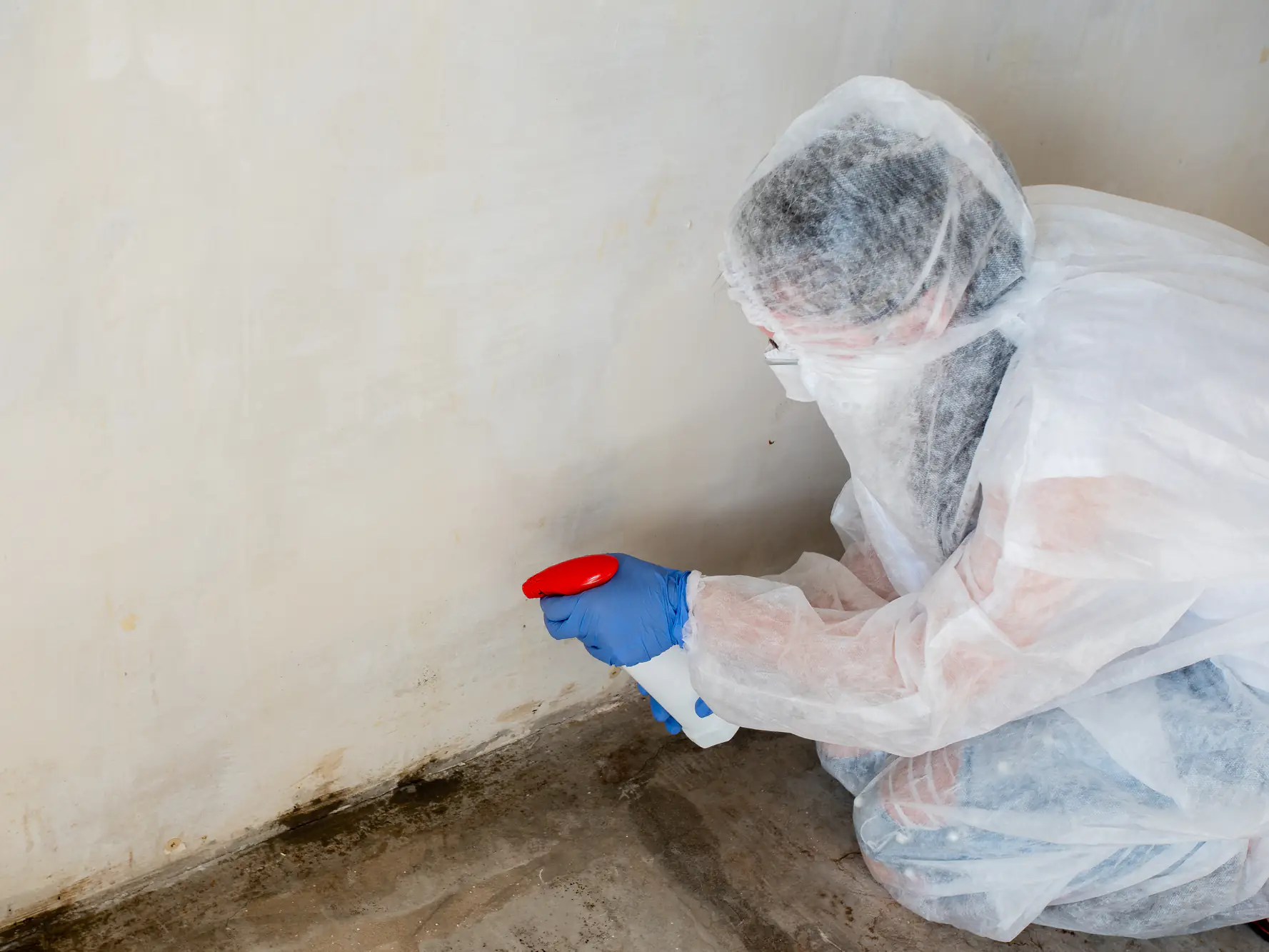
That’s what complete mold remediation looks like. Not a quick spray-down that hides the problem for a few months. Real removal means identifying where the moisture is coming from, containing the affected area so spores don’t spread during cleanup, and using HEPA filtration to pull contaminated air out while we work.
When the job’s done right, you’re not just covering up stains. You’re eliminating the health risk, protecting your property value, and getting back to normal life without wondering if it’s going to come back next spring.
We’ve served thousands of homeowners across Bucks County, and we know Ivyland homes inside and out. The Victorian-era buildings, the homes built in the 1950s, the newer construction from the ’90s—they all have different vulnerabilities when it comes to moisture and mold.
We’re IICRC-certified water restoration specialists trained to handle everything from crawl space mold to attic contamination. Our team knows Pennsylvania’s humid summers create perfect conditions for Aspergillus and black mold growth, especially after those July thunderstorms that can drop nearly seven inches of rain in a day.
You’re not getting a national franchise following a script. You’re getting local mold experts who understand your home’s specific risks and how to fix them permanently.
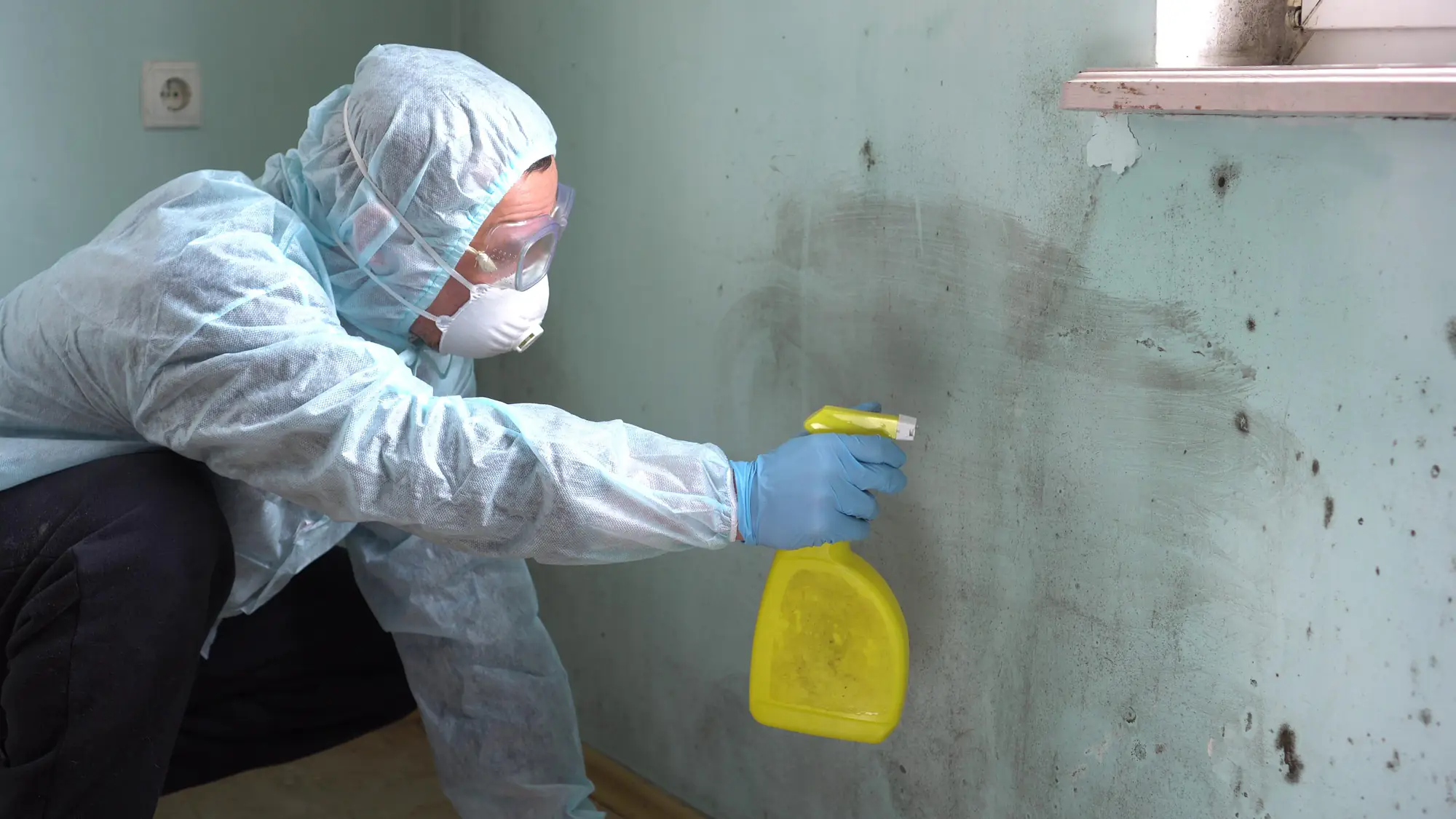
First, we come out for a free inspection. We’re looking for visible mold, but also using moisture meters and infrared cameras to find what’s hidden behind walls, under floors, or in your HVAC system.
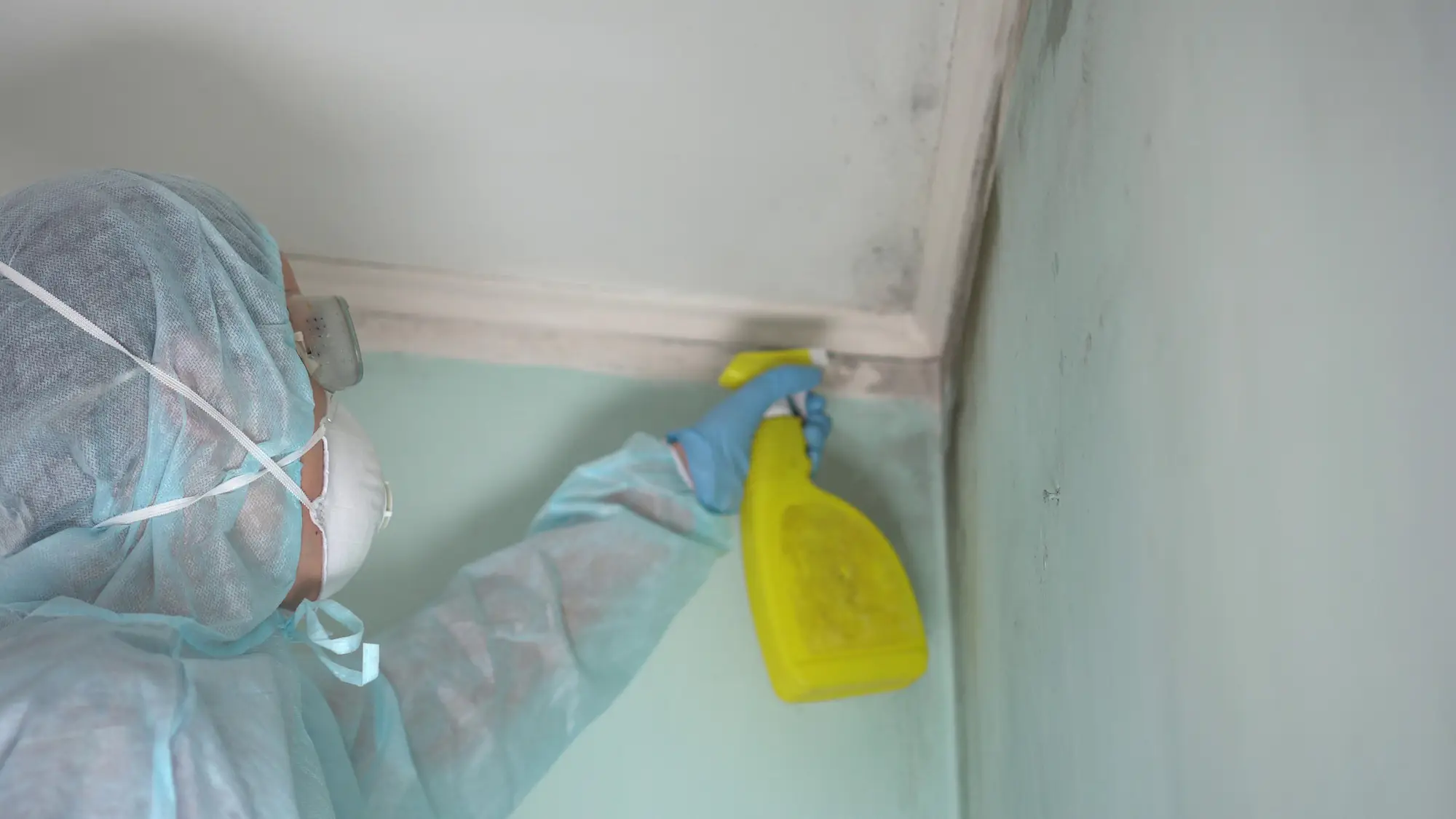
Once we know what we’re dealing with, we contain the area with physical barriers and negative air pressure so spores don’t spread to clean parts of your home. Then we remove contaminated materials—drywall, insulation, whatever can’t be saved—and treat remaining surfaces with antimicrobial solutions that actually work, not just bleach that sits on the surface.
We run air scrubbers with HEPA filters throughout the process to clean the air. After everything’s removed and treated, we fix the moisture problem—whether that’s a leaking pipe, poor ventilation, or water seeping through your foundation. Finally, we do post-remediation testing to confirm the mold is actually gone before we close out the job.
Ready to get started?
You get a thorough inspection that finds mold you didn’t know was there. In Ivyland’s older homes, that often means checking crawl spaces, attics, and areas around original plumbing that’s been patched over the years.
You get proper containment so the problem doesn’t get worse while we’re fixing it. You get removal that goes beyond the surface—we’re pulling out contaminated materials and treating structural elements that can be saved. You get air filtration running continuously to remove airborne spores that would otherwise resettle throughout your home.
Most importantly, you get the source fixed. Mold is always a symptom of a moisture problem. Whether it’s humidity from poor ventilation, condensation in your HVAC ducts, or water intrusion from outside, we locate it and resolve it. That’s the difference between mold removal that lasts and mold removal that fails six months later.
The average remediation in the Philadelphia area runs between $1,300 and $3,700 depending on the extent of contamination. That’s a real investment, but it’s worth it when you consider that untreated mold can lead to structural damage costing tens of thousands to repair—not to mention the health costs and the hit to your property value.

Mold can begin spreading within 48 hours of water exposure. That’s why you can’t wait to see if things dry out on their own.
If you’ve had a pipe burst, roof leak, or flooding in your basement, the clock starts immediately. Within two days, mold spores that are always present in the air start colonizing on wet surfaces. Within a week, you’re looking at visible growth and potential structural damage to drywall and wood framing.
In Ivyland’s humid climate—especially during summer months when the heat index can exceed 107°F—that timeline can be even shorter. High humidity slows evaporation and creates ideal conditions for rapid mold growth. The faster you get professional water damage restoration started, the less extensive (and less expensive) the remediation will be.
Bleach only works on non-porous surfaces, and even then it’s temporary. It won’t penetrate porous materials like drywall, wood, or insulation where mold roots actually live.
When you spray bleach on mold growing on drywall, you’re killing surface spores but leaving the underlying colony intact. The mold looks gone for a few weeks, then comes right back. Bleach also releases harsh fumes that can irritate your respiratory system—especially problematic if you’re already dealing with mold-related breathing issues.
Professional mold removal means physically removing contaminated materials that can’t be saved and treating structural elements with antimicrobial solutions designed to penetrate porous surfaces. We’re also addressing the moisture source, which bleach obviously can’t do. DIY approaches fail because they treat the symptom without fixing the cause.
Black mold exposure can trigger coughing, wheezing, respiratory infections, severe allergic reactions, and asthma attacks. For people with compromised immune systems or chronic lung disease, it can lead to serious infections.
Research shows that up to 21% of current asthma cases in the U.S. may be linked to dampness and mold exposure in homes. Infants growing up in homes with mold have significantly higher risk of developing asthma and allergic rhinitis. Some people experience neurological symptoms after prolonged exposure to mycotoxins produced by certain mold species.
The health impact varies based on the type of mold, the extent of contamination, and your individual sensitivity. But if anyone in your home is experiencing unexplained respiratory symptoms, chronic sinus issues, or persistent headaches—and you know you have a moisture problem—mold exposure should be on your radar. Getting professional mold inspection and removal eliminates that risk entirely.
Most mold remediation projects in the Ivyland area run between $1,500 and $6,000 depending on the size and severity of contamination. Small isolated areas cost less; whole-basement or multi-room projects cost more.
Pricing typically ranges from $2.50 to $25 per square foot including labor and materials. A 100-square-foot area of mold in your basement might cost $1,500 to $2,500. Extensive contamination affecting multiple rooms, your HVAC system, or structural elements can push costs higher.
The investment is worth it when you consider the alternative. Untreated mold spreads, causes progressive structural damage, and can make your home unsellable. Buyers walk away when they see mold issues, and lenders require clearance reports before approving mortgages. Delaying remediation turns a $3,000 problem into a $30,000 problem. We offer free inspections so you know exactly what you’re dealing with before making any decisions.
Not if the moisture source is fixed. Mold only grows where there’s ongoing water or humidity—remove that, and it can’t return.
This is why professional remediation focuses heavily on identifying and resolving the underlying moisture problem. We’re not just cleaning up visible mold. We’re finding the leaking pipe, the condensation issue, the poor ventilation, or the water intrusion point that created the problem in the first place.
Once we’ve removed contaminated materials, treated affected areas, and fixed the moisture source, mold has no reason to come back. We also do post-remediation testing to verify the work was successful. If you’re getting mold remediation and the company isn’t addressing why you have moisture, you’re wasting your money. The mold will absolutely return.
Musty odors, unexplained water stains, and a history of moisture problems are the biggest indicators. But the only way to know for sure is professional inspection with moisture detection equipment.
Mold often grows in places you’d never think to check—inside wall cavities near old plumbing, in HVAC ducts, under flooring, in attic insulation. You might smell it but never see it. Or you might have no idea it’s there until you’re selling your home and the buyer’s inspector finds it.
We use moisture meters to detect elevated moisture levels inside walls and infrared cameras to identify temperature differentials that indicate water intrusion or poor insulation—both of which create mold-friendly conditions. A thorough inspection checks all the common hiding spots: crawl spaces, basements, attics, around windows and doors, near plumbing fixtures, and inside HVAC systems. If you’ve ever had water damage, flooding, or persistent humidity issues in your Ivyland home, getting a professional mold inspection gives you peace of mind.
Other Services we provide in Ivyland