

Hear from Our Customers
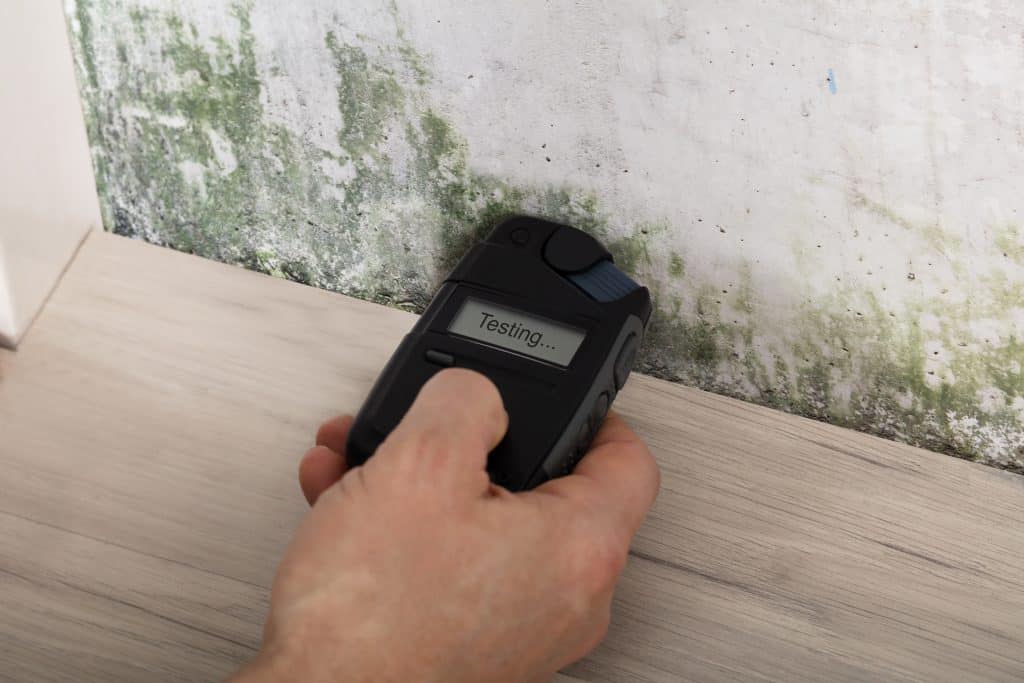
You’re not just getting rid of visible mold. You’re eliminating what’s hiding behind walls, under floors, and in crawl spaces where moisture has been sitting too long. That’s where the real problem lives.
Once it’s gone, the air in your home changes. No more musty smell when you walk downstairs. No more wondering if that stain is spreading. Just clean surfaces, controlled humidity, and the confidence that your family isn’t breathing in something harmful.
This isn’t about masking the issue. It’s about removing the contamination, identifying the moisture source, and making sure it doesn’t come back. You get documentation of what was found, what was removed, and what needs to stay dry going forward. That’s how you protect your home long-term and avoid paying for the same problem twice.
We’ve been serving Ivyland and Bucks County for years. We know how basements flood here. We know how older homes hold moisture. We know what happens when spring humidity sits in an attic with poor ventilation.
That local knowledge matters when you’re trying to figure out why mold keeps showing up in the same corner. It’s not random—it’s usually a drainage issue, a foundation crack, or an HVAC problem that nobody caught. We find it, we fix it, and we explain what you’re looking at in plain terms.
You’ll work with IICRC-certified professionals who use thermal imaging, moisture meters, and containment systems that keep spores from spreading during removal. We’re available 24/7 because mold doesn’t care what time your pipe bursts. And every job starts with a free inspection so you know exactly what you’re dealing with before spending a dollar.

First, we inspect the entire area—not just where you see mold. We use thermal imaging to detect moisture behind drywall and under flooring. If there’s hidden growth, we find it before it spreads further.
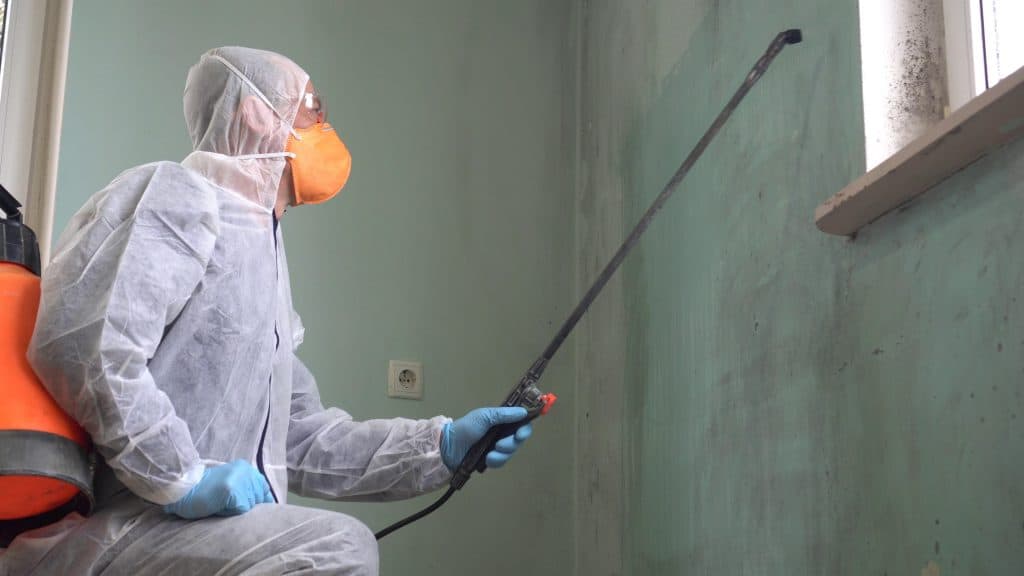
Next, we contain the work area with plastic sheeting and negative air pressure systems. This keeps mold spores from traveling into other rooms while we’re removing contaminated materials. You won’t end up with a bigger problem than when we started.
Then we remove the mold using HEPA vacuums and EPA-approved antimicrobials. If drywall, insulation, or flooring is too damaged, we remove and dispose of it properly. We don’t just clean the surface and hope for the best.
Finally, we address the moisture source. That might mean recommending a dehumidifier, fixing a drainage issue, or sealing a foundation crack. Without this step, mold will return. We also provide documentation of all work completed, which is helpful if you’re filing an insurance claim or selling your home down the line. You’ll know what was done and why it mattered.
Ready to get started?
Every project starts with a thorough inspection using moisture detection tools and visual assessment of all at-risk areas. You’ll get a clear explanation of what’s growing, where it’s growing, and what caused it. No guessing.
The removal process includes full containment to prevent cross-contamination, HEPA filtration during all work, and safe disposal of any materials that can’t be salvaged. If you’re dealing with black mold, we treat it with the seriousness it deserves—this isn’t something you handle with bleach and a sponge.
Bucks County’s humid climate makes basements and crawl spaces prime targets for recurring mold growth, especially in older Ivyland homes that lack modern vapor barriers. That’s why we don’t just remove mold—we identify whether you need better ventilation, a sump pump repair, or a waterproofing solution. You’ll leave with a game plan that actually prevents the next outbreak.
We also coordinate with your insurance company if your policy covers mold remediation. You’ll receive upfront pricing, a detailed scope of work, and all the documentation needed to support your claim. No surprises, no hidden fees.
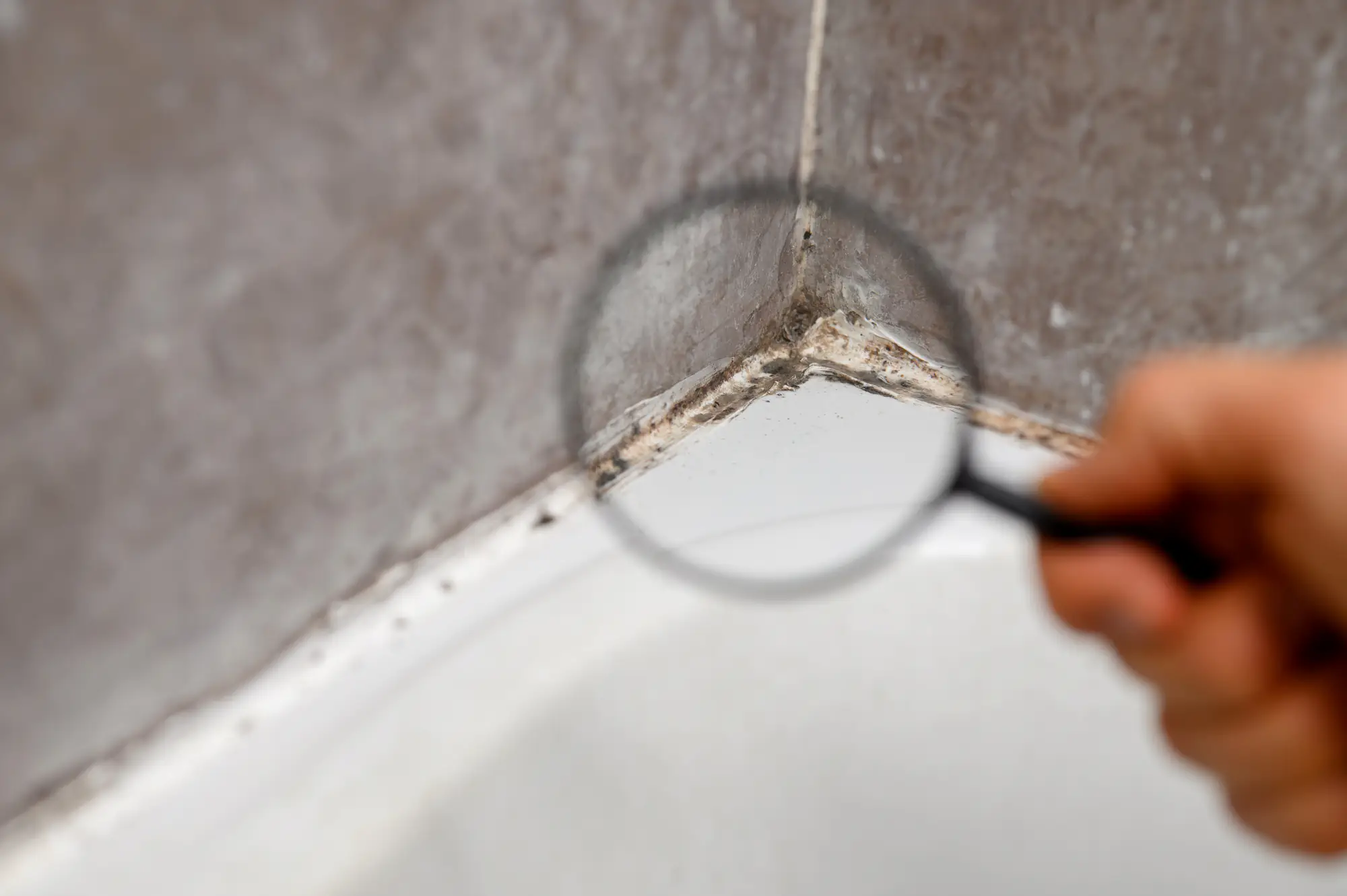
Mold can start growing within 24 to 48 hours after water exposure, especially in Bucks County’s humid climate. If your basement flooded, your bathroom had a slow leak, or your roof let water in during a storm, the clock starts immediately.
The longer materials stay wet, the deeper mold grows into drywall, wood, and insulation. Surface cleaning won’t reach it at that point. That’s why fast response matters—not just for limiting the spread, but for reducing how much material you’ll need to replace.
If it’s been more than two days since the water event, assume mold is already developing even if you don’t see it yet. A professional inspection with moisture meters will tell you for sure. Waiting another week to “see if it gets worse” usually means you’re looking at a bigger bill and more demolition.
Small surface mold on a hard, non-porous surface like tile can sometimes be cleaned with the right products. But if mold is on drywall, wood, insulation, or carpet, DIY removal usually makes things worse.
Here’s why: disturbing mold without proper containment releases thousands of spores into the air. Those spores travel through your HVAC system and settle in other rooms. Now you’ve got contamination in places that were clean before you started. Professional mold removal uses containment barriers and negative air pressure to prevent that spread.
Also, if you’re not addressing the moisture source, the mold will come back. A mold specialist doesn’t just scrub surfaces—we find out why it’s growing and fix that problem. You’re paying for the removal and the prevention, which saves you from doing this again in six months.
Mold removal refers to physically eliminating mold growth from surfaces and materials. Mold remediation is the full process—removal, containment, air filtration, moisture correction, and prevention strategies.
Remediation is the more complete term because it implies you’re not just cleaning up what’s visible. You’re bringing mold levels back to normal, which means addressing airborne spores, hidden growth, and the conditions that allowed mold to thrive in the first place.
When you hire a professional mold removal company, you should be getting remediation-level service. That includes testing moisture levels, identifying the source, removing contaminated materials, treating affected areas with antimicrobials, and providing recommendations to keep it from returning. Anything less is a temporary fix.
Most mold removal projects in the Bucks County area range between $1,100 and $3,300, with the average around $2,200. The final cost depends on how much square footage is affected, what materials need to be removed, and whether there’s structural damage involved.
A small bathroom mold issue might cost $1,100 to $1,500. A full basement with water damage and widespread contamination could run $3,000 or more. If you need drywall replacement, insulation removal, or subfloor work, that adds to the total.
We provide free inspections and upfront pricing so there’s no confusion about what you’re paying for. If your homeowner’s insurance covers mold remediation, we’ll work with them directly and provide all necessary documentation. The key is getting an accurate assessment early—waiting only increases the scope and the cost.
Mold will come back if the moisture problem isn’t fixed. You can remove every visible spore, treat every surface, and replace all the damaged materials—but if water is still getting in, humidity is still too high, or ventilation is still poor, you’ll see mold again.
That’s why we focus on the source, not just the symptom. We identify whether you’ve got a foundation leak, a plumbing issue, condensation from poor airflow, or drainage problems around your home. Then we give you a clear recommendation on what needs to change.
In Ivyland’s climate, basements and crawl spaces are especially vulnerable because of seasonal humidity and older home construction. A dehumidifier, better grading around your foundation, or a sump pump upgrade can make the difference between one-time removal and a recurring nightmare. We’ll tell you what’s necessary and what’s optional—no upselling, just honest advice.
Black mold, specifically Stachybotrys chartarum, produces mycotoxins that can cause more severe health reactions than common household molds. Symptoms include respiratory issues, chronic coughing, headaches, fatigue, and skin irritation. For people with asthma, allergies, or weakened immune systems, exposure can be serious.
That said, any mold growth in your home is a problem. Even non-toxic molds cause stuffy noses, sore throats, and eye irritation. The longer you’re exposed, the worse symptoms can get. And you usually can’t tell what type of mold you’re dealing with just by looking at it—lab testing is the only way to know for sure.
Black mold removal requires the same containment, protective equipment, and thoroughness as any professional mold removal job. We treat all mold growth as a health risk and a structural concern. Whether it’s black mold or another species, the goal is the same: get it out, keep it out, and restore your indoor air quality to safe levels.
Other Services we provide in Ivyland