
Hear from Our Customers
You stop worrying every time your kid coughs. The air feels lighter. That musty smell in the basement? Gone.
Your home passes inspection if you’re selling. Your family stops getting sick. You’re not wondering if there’s something growing behind the walls that’s slowly making everything worse.
Mold doesn’t just disappear because you bleached the surface. It comes back unless you fix what’s feeding it. We find the moisture source—whether it’s a hidden leak, poor ventilation, or Bucks County’s humid summers—and we eliminate it. Then we restore your air quality and give you documentation proving your home is safe again.
You get your peace of mind back. Your property value stays intact. And you’re not dealing with this again next season.
We’ve been serving Casey Highlands and Bucks County for years. We’re not a national franchise following a script. We’re local mold removal specialists who understand what Pennsylvania’s 44 inches of annual rainfall does to basements, crawlspaces, and attics in this area.
We know the clay soil. We know the groundwater issues. We know how humidity sits in homes here from late spring through early fall. That’s not something you learn from a manual—it’s what happens when you’ve worked in hundreds of Casey Highlands homes and seen the same patterns repeat.
Every technician on our team is certified in mold remediation. We use EPA-approved methods, thermal imaging to find hidden moisture, and HEPA filtration that captures 99.97% of mold spores. Local insurance companies trust our documentation because we do it right the first time.
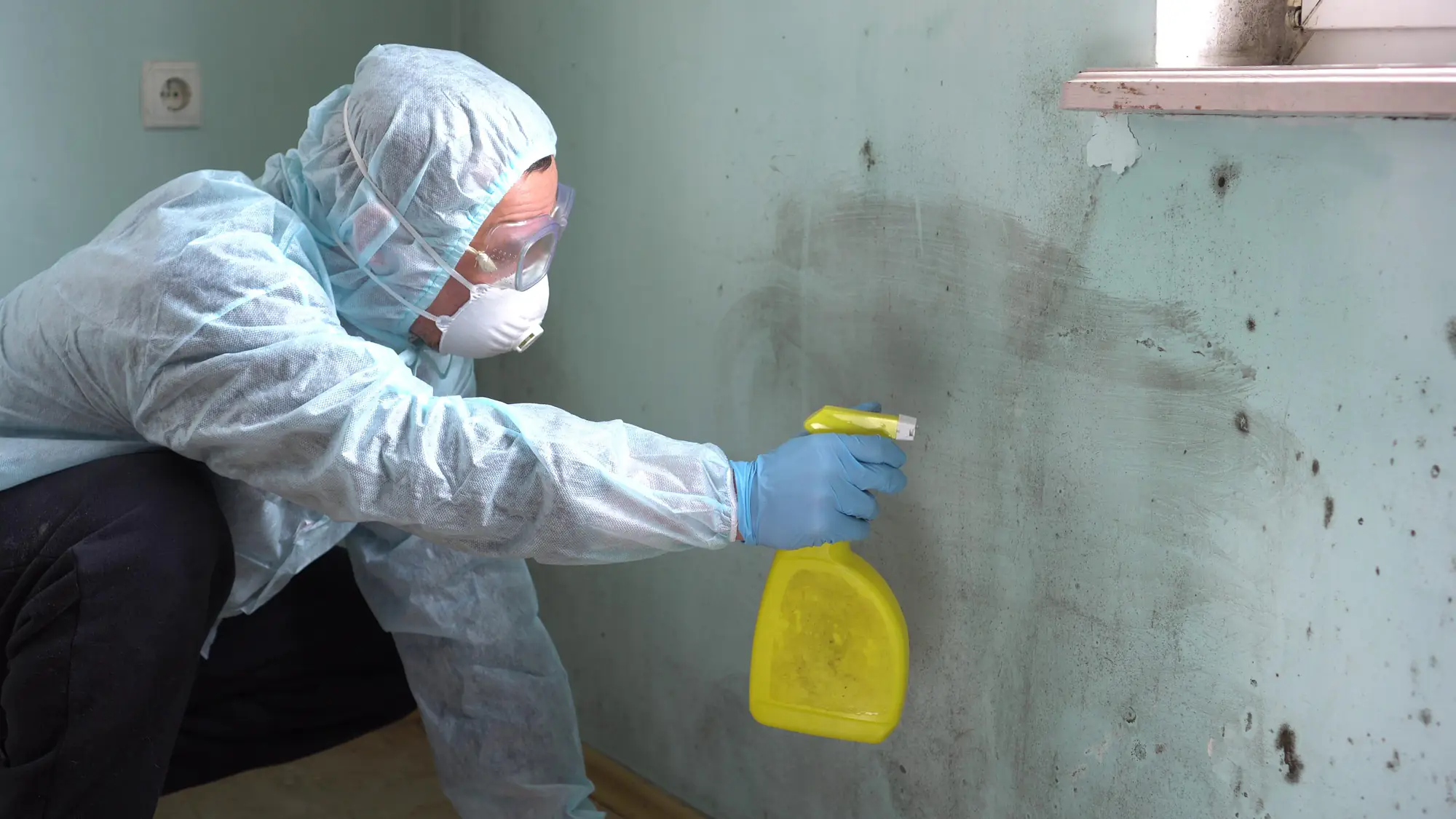
First, we inspect. Not just the visible mold—we use moisture meters and thermal imaging cameras to find what’s hiding. You can’t fix mold if you don’t know where the water’s coming from.
Next, we contain the area and set up HEPA filtration to keep spores from spreading to clean parts of your home. Then we remove contaminated materials—drywall, insulation, whatever can’t be saved—and treat surfaces with antimicrobial solutions.
After removal, we dry everything completely and verify air quality with testing. You get documentation showing your home is safe. If repairs are needed, we handle that too—drywall, paint, reconstruction. You’re not coordinating three different contractors.
Finally, we address the source. Better ventilation, dehumidification recommendations, waterproofing if needed. The goal isn’t just removing mold today. It’s making sure you’re not calling us again in six months.
Ready to get started?
You get a full inspection with moisture mapping. We don’t guess—we measure. In Casey Highlands, that means checking basements for seepage, attics for ventilation issues, and crawlspaces for humidity problems that are common in Bucks County homes.
Containment and air filtration come standard. We’re not spreading your problem around while we fix it. Removal includes all contaminated materials, antimicrobial treatment, and complete drying. You get before and after air quality testing with written documentation.
If your insurance is involved, we work directly with them. We know what they need for claims, and we provide it. If repairs are necessary after remediation, we handle that too—you’re not left with holes in your walls and a list of contractors to call.
We also give you a clear explanation of what caused it. Maybe it’s a plumbing leak you didn’t know about. Maybe it’s poor attic ventilation trapping moisture. Maybe it’s just Bucks County’s humid summers and a basement that needs a dehumidifier. You’ll know what to watch for and how to prevent it from happening again.

Mold can start growing within 24 to 48 hours when conditions are right. In Casey Highlands, those conditions show up more often than most homeowners realize.
Bucks County gets 44 inches of rain annually—more than the national average. Add in our humid summers where indoor humidity easily hits 75-80%, and you’ve got nearly perfect growing conditions. A small leak, a flooded basement, even persistent condensation around windows can trigger growth fast.
That’s why speed matters. The longer moisture sits, the deeper mold grows into materials like drywall and insulation. What starts as a surface issue becomes a gut-and-replace situation. If you’re seeing visible mold or smelling that musty odor, it’s already been growing for a while. Waiting another week to “see if it gets worse” just means more damage and higher costs.
Bleach kills surface mold on non-porous materials like tile or glass. But it doesn’t penetrate porous surfaces like drywall, wood, or concrete—which is what most basements are made of. So you’re cleaning the surface while the roots keep growing underneath.
More importantly, bleach doesn’t fix the moisture problem. If your basement has mold, it’s because water is getting in—through foundation cracks, poor drainage, high humidity, or all three. Casey Highlands sits on clay soil with high groundwater tables, which makes basement moisture a common issue here.
You can bleach the same spot every month and it’ll keep coming back until you address why it’s wet. That’s what we do—we find the source, eliminate the contamination properly, and fix what’s feeding it. Otherwise you’re just cleaning the same mold over and over.
It depends on how much mold there is, where it’s located, and what’s causing it. A small bathroom issue might cost a few hundred dollars. A flooded basement with mold growing up the walls and into insulation can run several thousand.
Most projects in Casey Highlands fall somewhere in between. The biggest cost factors are the size of the affected area, whether materials need to be removed and replaced, and how difficult it is to access—crawlspaces and attics cost more because they’re harder to work in.
Here’s what matters more than the number: doing it right costs less than doing it twice. If someone gives you a rock-bottom price to spray some solution and call it done, you’ll be paying someone else to do it properly in six months. We give you an honest assessment upfront, explain what needs to happen and why, and provide documentation that actually means something if you’re selling your home or filing an insurance claim.
Sometimes. It depends on what caused the mold and what your policy says.
Most insurance companies will cover mold if it resulted from a “covered peril”—like a burst pipe, storm damage, or appliance malfunction. They usually won’t cover it if it’s from long-term neglect, like a slow leak you ignored for months or chronic basement moisture you never addressed.
Pennsylvania doesn’t require insurers to cover mold, so policies vary. Some include limited mold coverage—often capped at $5,000 to $10,000. Others exclude it entirely unless you buy additional coverage. You need to read your specific policy or call your agent.
Here’s where we help: we document everything. We identify the source, take photos, provide detailed reports, and explain what happened in terms insurance companies understand. If your claim gets approved, you’ll have what you need. If it doesn’t, at least you’ll know exactly what you’re paying for and why it’s necessary.
Mold affects people differently, but respiratory issues are the most common. Coughing, wheezing, throat irritation, nasal congestion—especially in kids and anyone with asthma or allergies.
Studies show that dampness and mold increase respiratory illness rates by 30-50%. About 21% of asthma cases in the U.S. are potentially linked to mold exposure in homes. If your child’s asthma suddenly got worse or someone in your house can’t shake a cough, mold could be why.
Some people also experience headaches, fatigue, and skin irritation. Black mold—Stachybotrys—gets the most attention because it can produce mycotoxins, but any mold growing in your home is a problem. You’re breathing in spores constantly, and your body is working overtime to deal with it. The WHO has clear guidelines about indoor air quality for a reason: prolonged exposure makes people sick. You shouldn’t have to live like that, and you definitely shouldn’t ignore it because “it’s just a little mold.”
Smell it first. That musty, earthy odor is usually the first sign. If one room smells off—especially basements, bathrooms, or closets—there’s a good chance mold is growing somewhere you can’t see.
Watch for water stains, discoloration on walls or ceilings, peeling paint, or warping wood. Those are signs of moisture problems, and where there’s moisture in Bucks County’s climate, there’s usually mold. Also pay attention to health symptoms that get better when you leave the house—that’s a red flag.
The tricky part is that mold loves hiding in places you don’t check regularly: behind drywall, under flooring, in crawlspaces, inside HVAC ducts, above ceiling tiles. We use thermal imaging and moisture meters to find it without tearing your house apart. If you suspect something’s wrong, don’t wait until it’s visible. By the time you see it, it’s usually been growing for weeks or months. An inspection gives you answers, and if there’s a problem, you can deal with it before it gets worse.
Other Services we provide in Casey Highlands