
Hear from Our Customers

You stop wondering if that smell is dangerous. You stop worrying about your kids’ coughing or whether buyers will walk away during inspection. The air feels different because it is different.
Mold remediation isn’t just about scrubbing surfaces. It’s about restoring the space so you can actually use it again without second-guessing every breath. That means containment during removal, air filtration to catch spores, and treating the source of moisture so it doesn’t come back in three months.
Most homes in Milford were built before 1960. That means plaster walls, old basements, and plenty of places for moisture to hide. If your home has mold, there’s a reason. We find it, remove it, and show you how to keep it from returning. You get documentation for insurance, a clear timeline, and no surprises on the bill.
We serve Milford and the surrounding Pike County area with a focus on older homes and the specific moisture problems that come with them. We’re IICRC-certified, which means our team follows the same protocols used by restoration companies nationwide.
We’re not the cheapest option in the area, and that’s intentional. You’re paying for infrared cameras that find hidden moisture, lab testing that identifies exactly what’s growing, and containment systems that keep spores from spreading to clean areas. Cheaper companies skip those steps. We don’t.
Milford sits near the Delaware River with humid summers and freeze-thaw cycles that crack foundations. We’ve seen what that does to basements, crawlspaces, and attic insulation. If your home was built in the 1940s or earlier, the construction methods make mold problems more common and harder to spot without the right equipment.
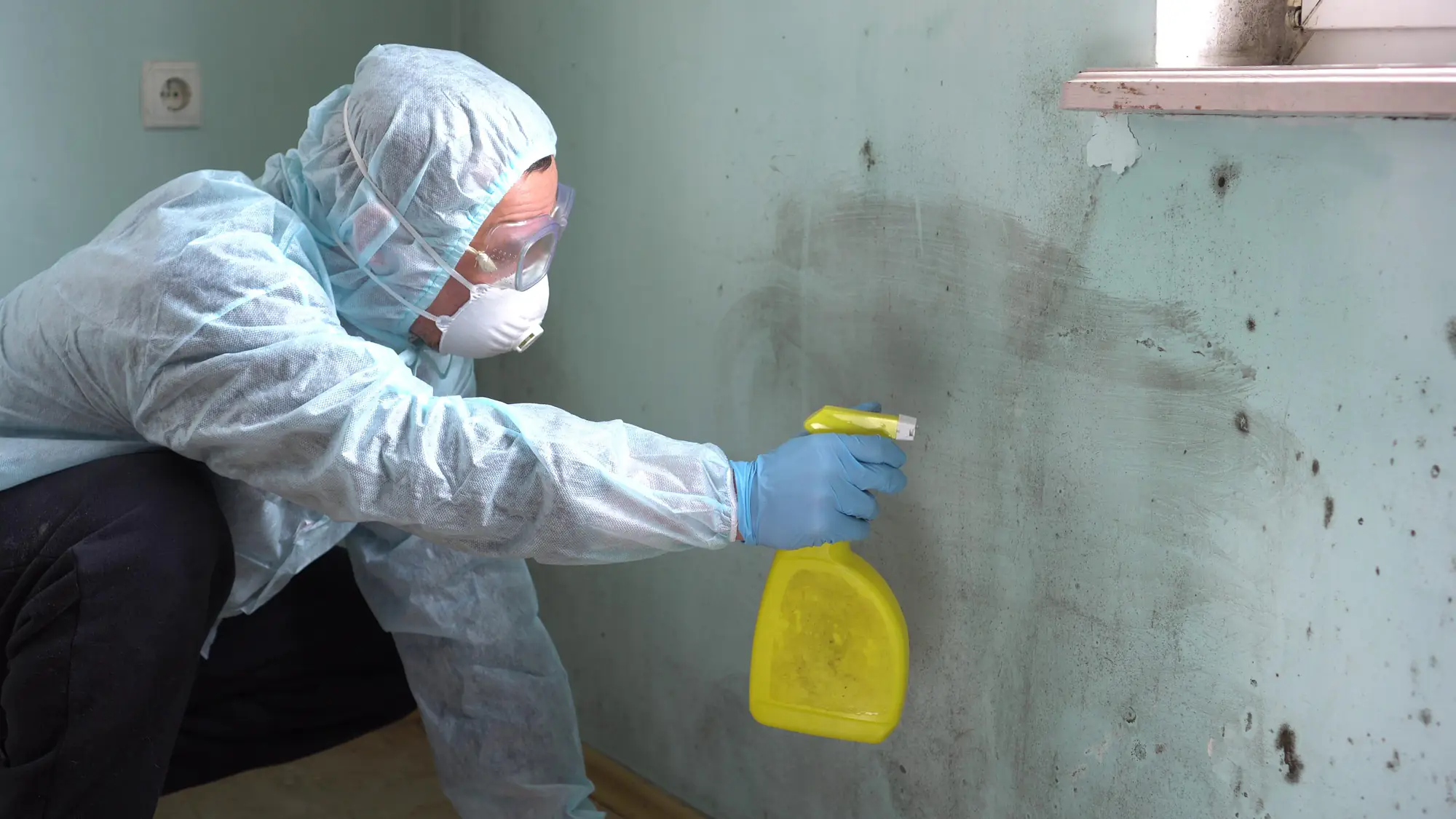
First, we inspect your property at no cost. That includes moisture readings, infrared scanning to find hidden water damage, and air quality testing if needed. You’ll know what you’re dealing with before any work starts.
If mold is present, we contain the area with plastic sheeting and negative air pressure so spores don’t spread during removal. Then we remove contaminated materials, treat surfaces with antimicrobial solutions, and use HEPA filtration to clean the air. If drywall or insulation has to come out, we handle that too.
After removal, we address the moisture source. That might mean better ventilation, fixing a leak, or recommending a dehumidifier for your basement. We also provide documentation for your insurance company if your policy covers the damage. Most jobs take a few days to two weeks depending on the size of the affected area.
You’ll get a clear estimate before we start, a timeline you can plan around, and a follow-up inspection to confirm the job is done right. No mold, no moisture, no lingering questions about whether it’s safe.
Ready to get started?
Every project starts with a free inspection and moisture assessment. We use thermal imaging to detect water intrusion you can’t see and digital meters to measure moisture levels in walls, floors, and ceilings. If testing is needed, samples go to a certified lab so you know exactly what type of mold is present.
During remediation, we set up containment barriers and run HEPA air scrubbers to prevent cross-contamination. All contaminated materials are removed and disposed of according to EPA guidelines. Surfaces are treated, dried, and verified with follow-up moisture readings. You get photos, lab reports, and a written summary of the work completed.
Milford’s housing stock is older than most towns in Pennsylvania. Over a third of homes were built before 1940, and many have stone foundations, limited crawlspace access, and outdated ventilation. These factors make basements and attics prime locations for mold growth, especially after heavy rain or snowmelt. We’ve worked in enough historic homes here to know where problems hide and how to access them without tearing apart original construction.
If your insurance covers mold remediation, we’ll work with your adjuster and provide the documentation they need. If it’s not covered, we’ll explain your options and give you a fixed-price estimate so there’s no confusion about cost.

Most residential mold removal projects take between three and seven days depending on the size of the affected area and how much material needs to be removed. A small basement corner with surface mold might be done in two days. A full basement with compromised drywall and insulation could take closer to two weeks.
The timeline depends on containment setup, removal, drying time, and follow-up testing. We don’t rush jobs to move on to the next one. If materials are still damp or moisture levels haven’t dropped, we keep equipment running until readings are where they need to be.
You’ll get a projected timeline during the estimate. If something changes during the job, like finding additional mold behind a wall, we’ll update you before proceeding. Most customers stay in their homes during remediation as long as the affected area can be sealed off from living spaces.
It depends on what caused the mold. If it’s from a sudden event like a burst pipe or storm damage, most policies cover remediation. If it’s from long-term neglect, like an ignored roof leak, coverage is less likely.
Pennsylvania insurance policies vary widely on mold coverage. Some include it automatically up to a certain dollar amount. Others exclude it entirely unless you purchase a separate rider. You’ll need to check your specific policy or have your agent clarify what’s covered.
We work directly with insurance adjusters and provide the documentation they require, including photos, moisture readings, lab reports, and a detailed scope of work. If your claim is approved, we’ll bill the insurance company directly in most cases. If it’s denied or you don’t have coverage, we’ll give you a clear estimate so you know what you’re paying out of pocket before work begins.
You can’t tell by looking at it. Black mold, or Stachybotrys chartarum, is dark and slimy, but so are other types of mold that aren’t toxic. The only way to know for sure is lab testing.
We collect samples during the inspection and send them to a certified lab for analysis. Results typically come back within a few days and identify the specific species present. If it’s black mold, we treat it with the same containment and removal protocols used for hazardous materials. If it’s a less dangerous variety, we still remove it completely because any mold growth indicates a moisture problem that needs fixing.
Most people assume all black-colored mold is the toxic kind, but that’s not accurate. Plenty of harmless molds are dark. What matters more than color is the amount of growth, where it’s located, and whether it’s affecting your indoor air quality. Testing removes the guesswork and gives you a clear answer about what you’re dealing with.
Moisture and poor ventilation. Older homes in Milford were built with stone foundations, minimal insulation, and no vapor barriers. When groundwater seeps through foundation walls or humidity rises from a dirt-floor crawlspace, it creates perfect conditions for mold.
Milford’s location near the Delaware River means higher humidity levels, especially in summer. Homes built before central HVAC systems don’t have the air circulation needed to keep moisture in check. Attics with old insulation trap condensation. Basements with limited airflow stay damp year-round.
Freeze-thaw cycles also crack foundations and mortar joints, letting water in during spring snowmelt. If your home was built in the 1940s or earlier, there’s a good chance it has at least minor water intrusion that’s gone unnoticed for years. That’s why infrared inspections matter. We find moisture before it becomes visible mold growth, which saves you money and limits the scope of remediation.
If it’s a small area, less than ten square feet, and it’s on a non-porous surface like tile, you can clean it yourself with the right products and precautions. Anything larger, anything inside walls, or anything that keeps coming back needs professional remediation.
DIY mold removal usually makes the problem worse. Scrubbing releases spores into the air, which spread to other areas of your home. Without proper containment and air filtration, you’re just moving the problem around. Most people also don’t address the moisture source, so mold grows back within weeks.
Professional remediation includes containment, HEPA filtration, antimicrobial treatment, and moisture control. We remove contaminated materials completely instead of trying to clean them. We also verify the work with follow-up testing to confirm spore counts are back to normal levels. If your health is affected, if the mold is in your HVAC system, or if you’re selling your home, professional removal isn’t optional. It’s the only way to document that the problem is actually resolved.
Most residential jobs in Milford run between $1,500 and $6,000 depending on the size of the affected area and how much material needs to be removed. A small basement section with surface mold might cost $1,500 to $3,000. A full basement with drywall removal, insulation replacement, and extensive treatment can reach $6,000 to $10,000 or more.
Cost depends on square footage, containment requirements, lab testing, and the type of materials involved. Removing mold from concrete is cheaper than removing it from wood framing. If we have to take out drywall, insulation, or flooring, that adds to the total.
We provide a detailed written estimate after the inspection so you know exactly what you’re paying for. There are no hidden fees or surprise charges. If we find additional mold during the job, we stop and get your approval before expanding the scope. Some companies lowball estimates to win the job, then inflate costs once they’re on-site. We don’t operate that way. You’ll get an honest assessment up front and a final bill that matches the estimate.
Other Services we provide in Milford