

Hear from Our Customers
If you’re dealing with a musty smell, unexplained respiratory issues, or visible water damage, you need to know what’s actually happening inside your walls. Not tomorrow. Not after it spreads.
Professional mold testing gives you lab-verified results that tell you exactly what type of mold you’re dealing with, how much of it there is, and whether it’s affecting your indoor air quality. That matters because not all mold is the same, and not all of it requires the same response.
You’ll get a full visual inspection using moisture meters and thermal imaging to detect problem areas you can’t see. We compare indoor air samples against outdoor control samples to measure spore counts. If there’s mold hiding behind drywall, under flooring, or in your HVAC system, this process finds it before it becomes a bigger problem.
In Milford, PA and throughout Pike County, experts estimate that over half of all homes have some level of mold contamination. Pennsylvania’s humidity and older housing stock create perfect conditions for growth, especially after leaks, floods, or even just poor ventilation. Testing removes the uncertainty so you can move forward with confidence.
We serve Milford, PA and the surrounding Pike County area with certified mold inspection and testing services. We’re IICRC-certified, which means our team follows the same protocols used by restoration professionals nationwide—not some shortcut version.
We’ve worked in enough local homes to know the common problem areas: crawl spaces that stay damp year-round, attics with poor ventilation, basements that flooded during heavy rain. Milford’s climate doesn’t do you any favors when it comes to mold prevention, so having someone who understands the local conditions matters.
You’re not getting a national franchise or a contractor who Googled “how to test for mold” last week. You’re getting a local team that knows what Pike County homes deal with and how to handle it correctly.
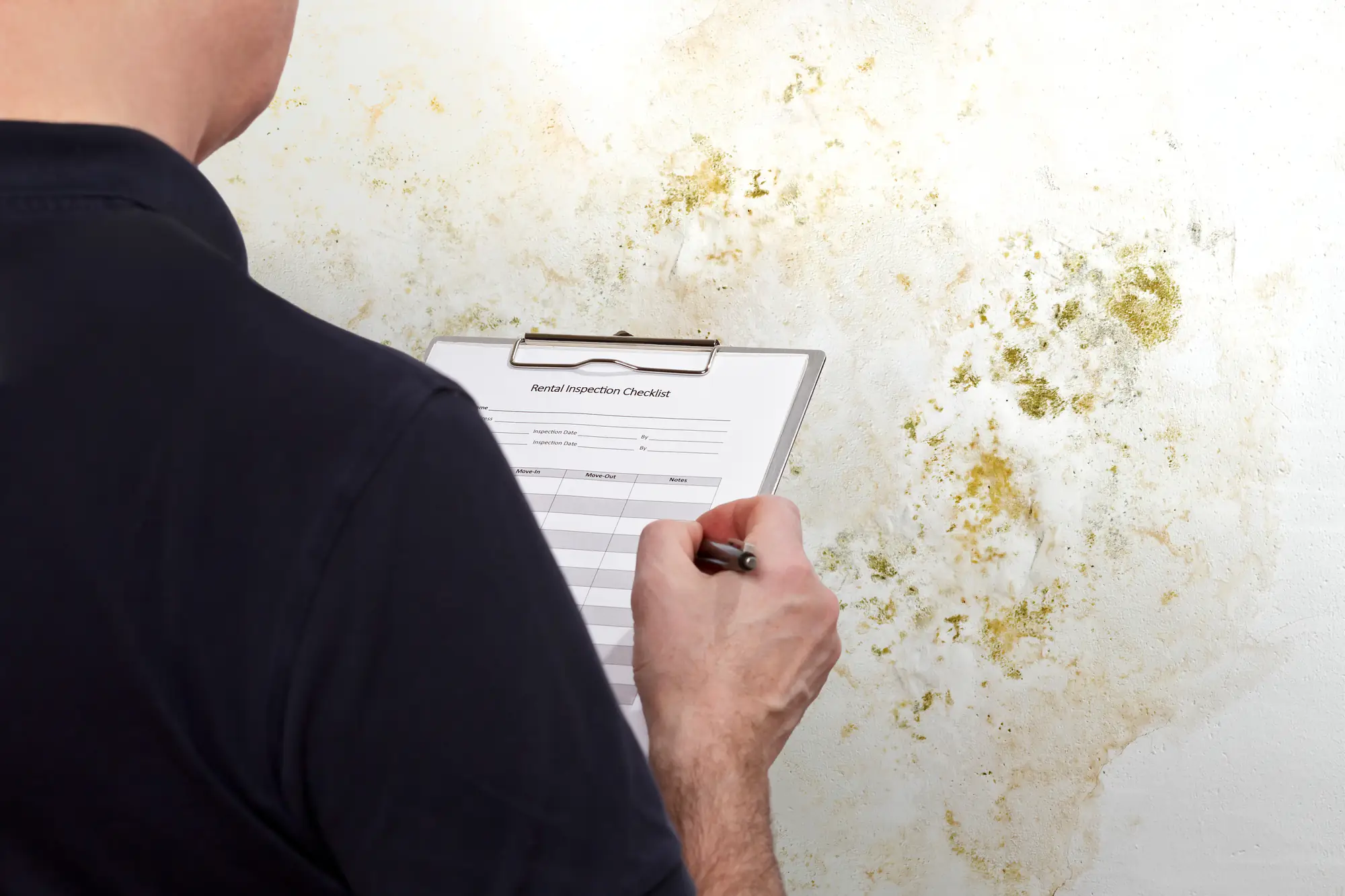
First, we walk through your property and conduct a full visual inspection. We’re looking for visible mold growth, water stains, warping, discoloration, and any signs of moisture intrusion. We use moisture meters to check walls, ceilings, and floors for elevated levels that indicate potential mold growth even when nothing’s visible yet.
Next, we take air samples from inside your home and compare them to outdoor air. This tells us whether your indoor spore counts are elevated and what types of mold are present. If we find suspicious areas, we’ll take surface samples from those spots as well. All samples go to a third-party lab for analysis, so you’re getting unbiased results.
Within a few days, you’ll receive a detailed report showing exactly what was found, where it was found, and what the spore counts mean for your health and property. If remediation is needed, the report gives you a clear scope of work. If your air quality is fine, you’ll have documentation proving it—useful for real estate transactions, insurance claims, or just your own peace of mind.
The whole process usually takes a few hours onsite, depending on your property size. If you’ve had recent water damage, we recommend testing within 24 to 48 hours, since that’s when mold starts to take hold.
Ready to get started?
You get a comprehensive visual examination of your entire property, including areas most people don’t think to check—attics, crawl spaces, behind appliances, inside HVAC systems. We’re not just looking at the obvious spots.
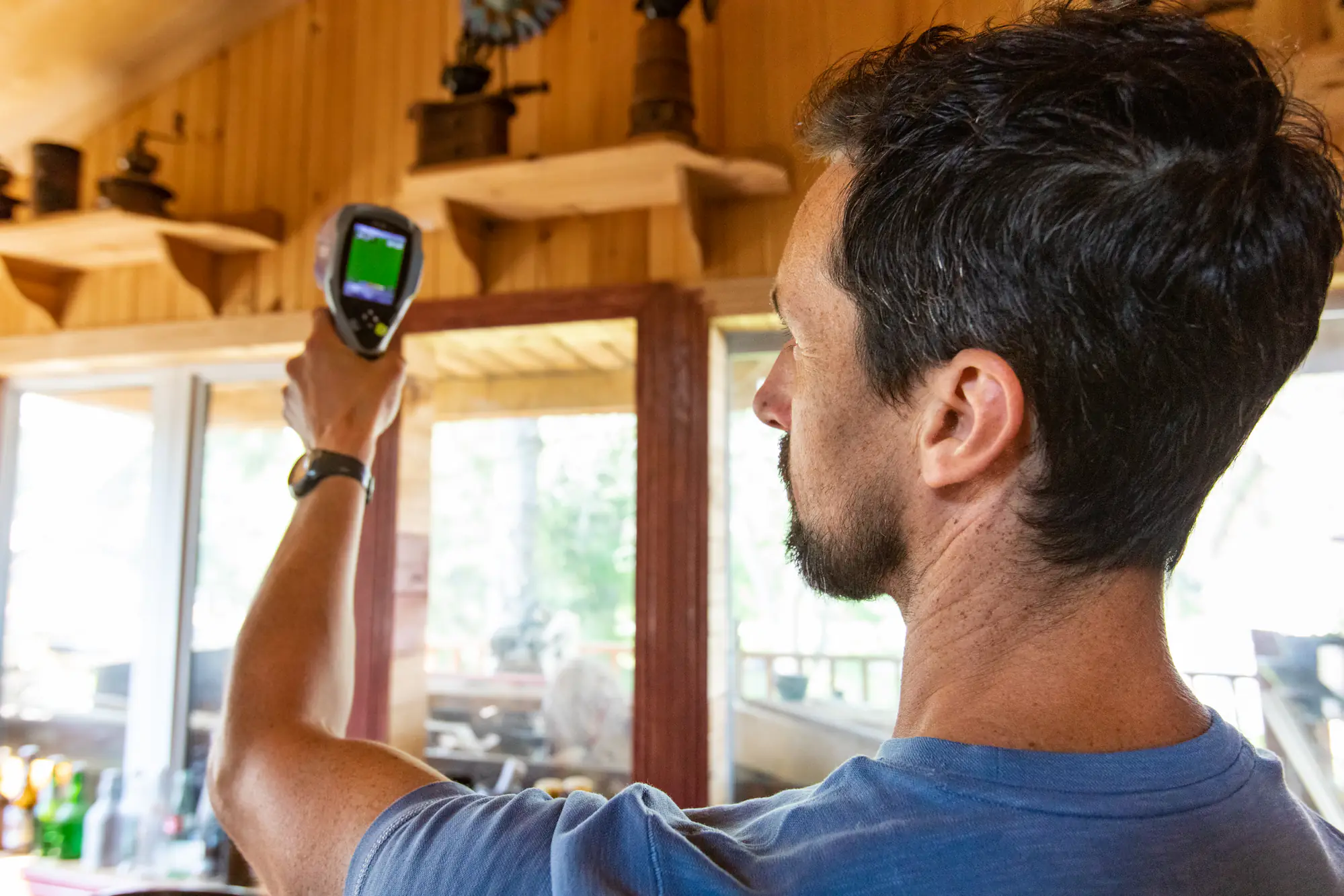
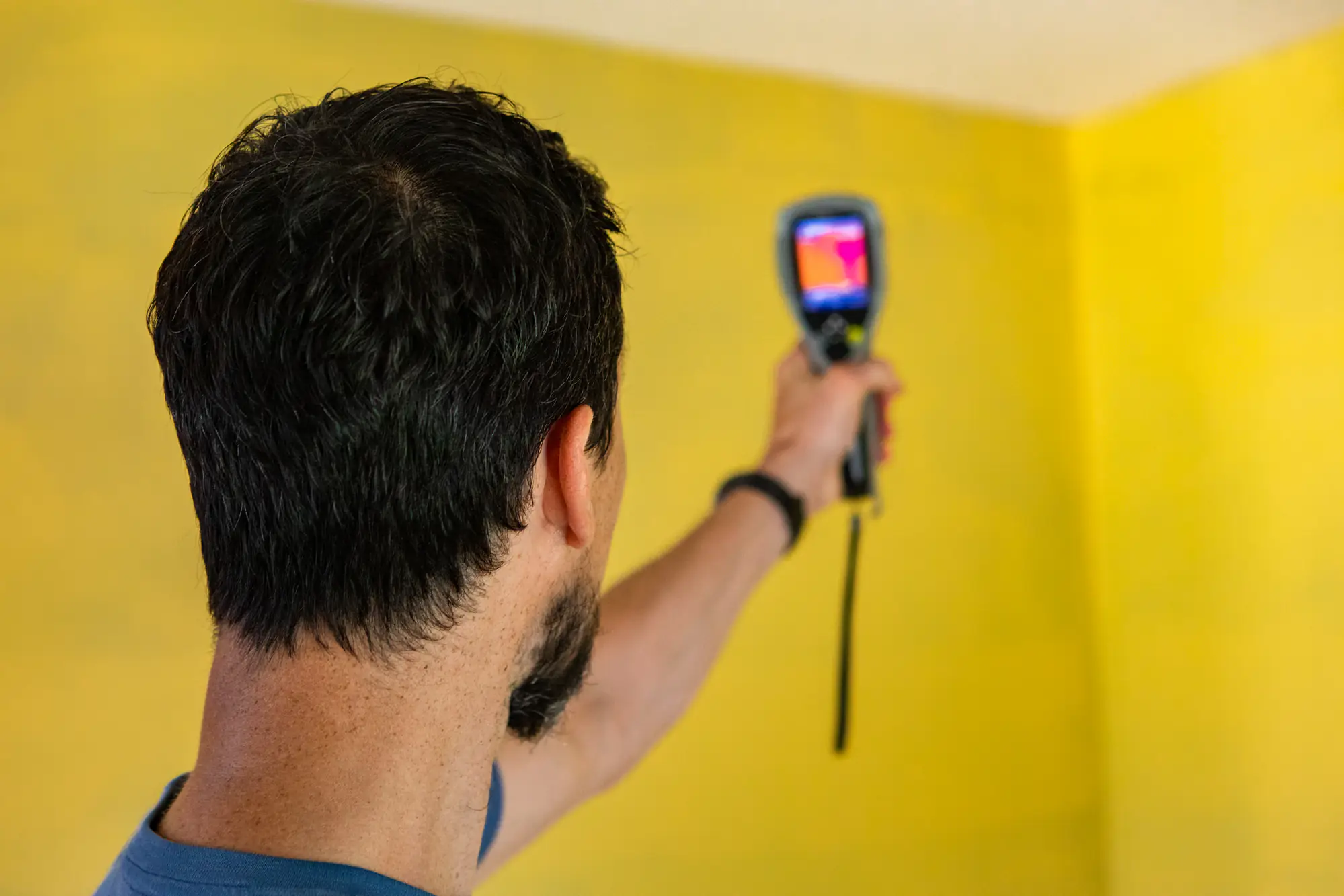
Moisture detection is part of every inspection. We use specialized meters and thermal imaging cameras to identify elevated moisture levels that create conditions for mold growth. Catching these areas early prevents problems from developing in the first place.
Air quality testing involves collecting samples from multiple rooms and comparing them against outdoor control samples. This identifies whether your indoor air has elevated mold spore counts and which species are present. Surface samples are taken from any visible growth or suspicious areas to confirm the type of mold and severity.
In Milford, PA, we see a lot of basement mold from groundwater seepage, attic mold from roof leaks and poor ventilation, and bathroom mold from exhaust fans that don’t actually vent outside. We also test homes after flooding, which has become more common with severe weather patterns. Pennsylvania’s humid summers create ideal conditions for mold, so even homes without obvious water damage can have problems.
Pricing for residential mold testing typically starts around $300 to $400 for smaller homes and ranges up to $650 to $1,000 for larger properties or more extensive testing. You’ll know the cost upfront before we start.
You need testing if you’re experiencing unexplained health symptoms like respiratory issues, regular headaches, or allergy-like reactions that improve when you leave the house. Those are signs that something in your indoor air is affecting you.
You also need testing after any water damage—leaks, floods, burst pipes, or even prolonged high humidity. Mold can start growing within 24 to 48 hours of water exposure, and it often develops in places you can’t see. Testing confirms whether you have a problem and how serious it is.
If you’re buying or selling a home in Milford, PA, testing protects your investment. Mold issues can reduce property value and create legal liability. If you smell a musty odor but can’t find the source, that’s another clear sign. Visible mold growth only represents part of the problem—the spores in your air matter more for health, and you can’t see those without testing.
A mold inspection is the visual examination—walking through your property, checking for visible growth, identifying moisture problems, and assessing conditions that promote mold. An inspector looks at your property’s history, checks common problem areas, and uses moisture meters to find hidden issues.
Mold testing goes further by collecting actual samples—air samples and surface samples—that get sent to a lab for analysis. Testing tells you what specific types of mold are present, how much of it there is, and whether your spore counts are elevated compared to outdoor air.
You usually want both. The inspection identifies where problems exist or are likely to develop. The testing confirms what’s growing and how severe it is. For Milford, PA homes, this combination approach makes sense because you’re dealing with older housing stock and climate conditions that create multiple risk factors. You need to know both where the mold is and what type it is to plan effective remediation.
The onsite inspection and sample collection usually takes two to four hours, depending on your property size and how many areas need testing. Smaller homes go faster. Larger properties or homes with multiple problem areas take longer.
After we collect samples, they go to a third-party laboratory for analysis. Lab results typically come back within three to five business days. You’ll receive a detailed report showing spore counts, mold species identified, and whether your indoor air quality is elevated compared to outdoor levels.
If you need faster results—for example, if you’re in the middle of a real estate transaction or dealing with a health emergency—some labs offer rush processing for an additional fee. That can get you results in 24 to 48 hours. For most situations, the standard timeline works fine and gives you accurate, thorough analysis without cutting corners.
DIY mold test kits exist, but they have serious limitations. Most home test kits only tell you that mold is present—which isn’t useful, because mold exists in virtually every home. What matters is the type of mold, the concentration, and whether it’s affecting your indoor air quality. Home kits don’t give you that information.
Professional mold testing uses calibrated equipment, proper sampling techniques, and third-party lab analysis. We know where to test, how to collect samples without contaminating them, and how to interpret results in context. We also use moisture meters and thermal imaging to find hidden problems that a DIY kit would miss completely.
For Milford, PA homeowners, professional testing makes sense because you’re likely dealing with older homes, basements with moisture issues, and climate conditions that create multiple risk factors. If you’re making decisions about remediation—which can cost thousands of dollars—you want accurate information. Professional testing gives you that. DIY kits give you a vague answer that doesn’t help you move forward.
In Pike County and throughout the Milford area, we commonly find Aspergillus, Penicillium, and Cladosporium—all of which thrive in humid conditions and can cause respiratory issues and allergic reactions. These species show up frequently in basements, bathrooms, and areas with poor ventilation.
Stachybotrys, often called black mold, appears less frequently but gets the most attention because of its health risks. It grows on materials with high cellulose content—drywall, wood, insulation—especially after water damage. Black mold produces mycotoxins that can cause serious health problems, particularly for children, elderly individuals, and anyone with compromised immune systems.
Pennsylvania’s humid climate creates ideal conditions for all these species. Homes with previous flooding, ongoing moisture problems, or inadequate ventilation are at higher risk. Testing identifies which species you’re dealing with so remediation can target the specific problem. Different molds require different approaches, and knowing what you have prevents wasted time and money on the wrong solution.
For most residential properties in Milford, PA, professional mold testing ranges from $300 to $650. Smaller homes with straightforward layouts typically fall on the lower end. Larger properties or homes requiring extensive testing—multiple air samples, several surface samples, hard-to-access areas—cost more.
The base inspection includes a full visual examination, moisture detection throughout the property, and air quality sampling with outdoor control samples for comparison. Additional surface samples usually run about $75 each if we need to test specific areas of visible growth or suspicious spots.
If you need thermal imaging to detect hidden moisture or more comprehensive testing due to previous water damage, costs can reach $1,000 or more. You’ll get a clear price quote before we start, so there’s no confusion. Compared to the cost of ignoring a mold problem—health issues, structural damage, decreased property value—testing is a small investment. It either confirms you have a problem that needs addressing or gives you peace of mind that your home is safe.
Other Services we provide in Milford