
Hear from Our Customers
You stop worrying about what’s growing behind your walls. The musty smell disappears from your basement. Your kids aren’t coughing at night anymore.
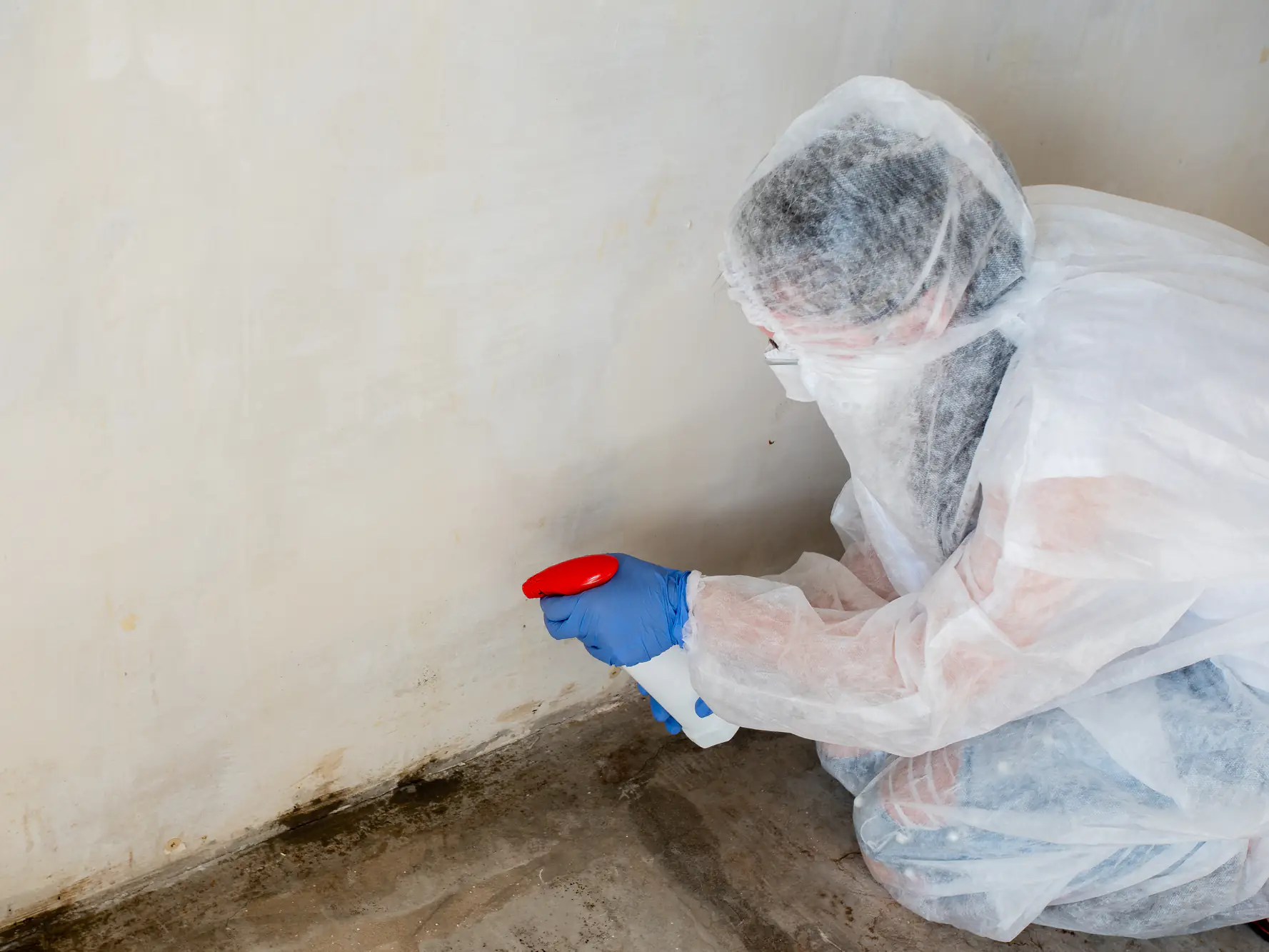
That’s what complete mold remediation looks like. Not a quick spray-and-pray with store-bought cleaner that brings the problem back in three months. Real removal means identifying every affected area, eliminating the source of moisture feeding the growth, and restoring your indoor air quality to safe levels.
Most homeowners in Neshaminy Hills deal with mold because of the humidity from being near Neshaminy Creek or the Delaware River. Older homes with mature tree coverage hold moisture longer. Basements stay damp. These aren’t problems you caused—they’re environmental realities that require professional intervention.
When mold is handled correctly, you’re not just removing visible growth. You’re protecting your family’s respiratory health, maintaining your property value, and eliminating the anxiety that comes with knowing something harmful is spreading in your home.
We’ve been handling mold issues throughout Bucks County for years. We know the basement moisture problems common in Neshaminy Hills neighborhoods. We understand how the local climate creates perfect conditions for mold growth, especially after heavy rain or flooding near the creek.
You’re not getting a national franchise reading from a script. You’re working with mold removal specialists who’ve dealt with black mold in crawl spaces, hidden growth behind shower tiles, and attic contamination from roof leaks dozens of times in homes just like yours.
We’re licensed, insured, and EPA-compliant. More importantly, we’re local enough to understand exactly what you’re dealing with and experienced enough to fix it the first time.
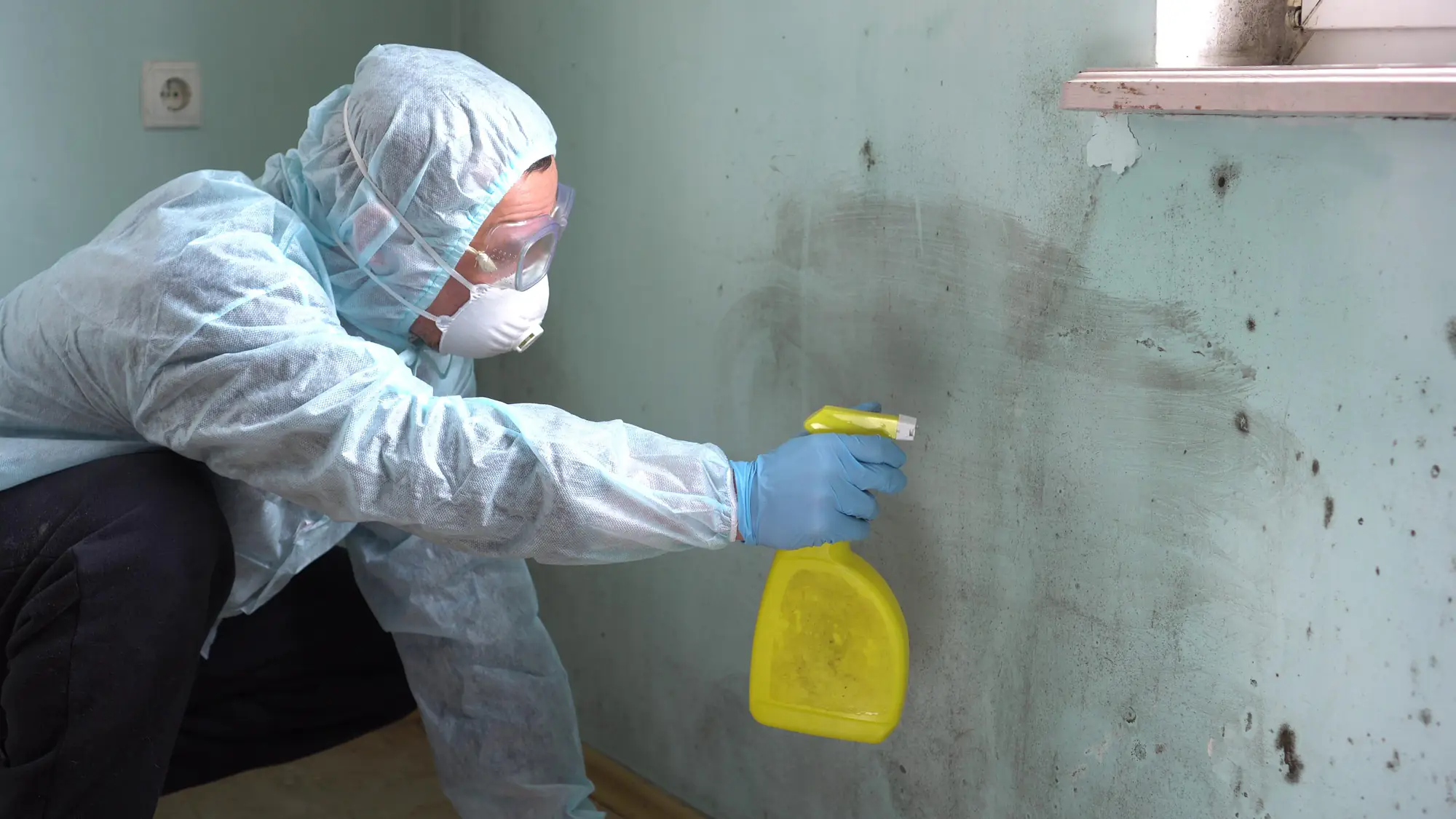
First, we do a complete inspection at no cost. We’re looking for visible mold, but also using moisture meters and infrared cameras to find hidden growth you can’t see. Behind drywall, under flooring, inside HVAC systems—anywhere moisture has created a breeding ground.
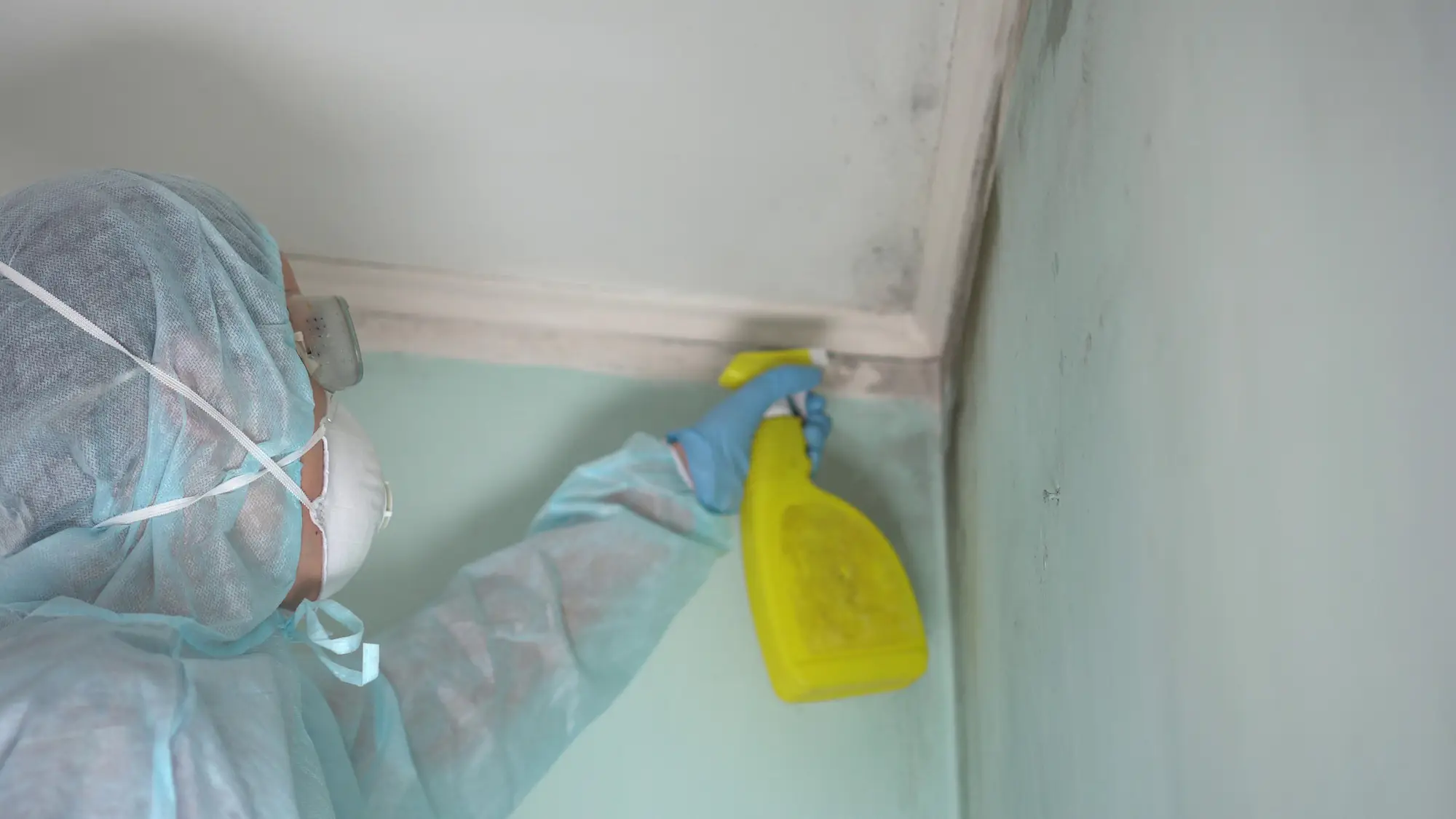
Once we know what we’re dealing with, we contain the affected area to prevent spores from spreading during removal. We use HEPA filtration and negative air pressure to keep contamination isolated. Then we remove all contaminated materials and treat affected surfaces with EPA-approved antimicrobial solutions.
The removal is only half the job. We identify and fix the moisture source—whether that’s a plumbing leak, poor ventilation, or groundwater seepage. Without addressing what caused the mold, you’re just waiting for it to return.
After remediation, we verify the work with air quality testing and provide documentation. If you’re filing an insurance claim, we handle that communication directly. You get a clean home and clear answers about what happened and why it won’t happen again.
Ready to get started?
Complete remediation means inspection, containment, removal, treatment, prevention, and verification. You’re not paying for half-measures.
In Neshaminy Hills, we see a lot of basement mold from groundwater issues and bathroom mold from ventilation problems. Both require different approaches. Basement jobs often need dehumidification systems and waterproofing solutions. Bathroom mold needs proper exhaust fan installation and grout sealing.
We handle black mold, which is the most concerning type because of the mycotoxins it produces. We also remove common household molds like Cladosporium and Penicillium that grow on damp surfaces. Each type requires specific treatment protocols.
After storms or flooding—which happens in this area—we offer emergency response within 24 hours. Mold starts growing fast after water damage. The sooner we contain it, the less damage to your property and the lower your remediation costs.
You also get documentation for your records and insurance company, plus a prevention plan specific to your home’s vulnerabilities. We’re not interested in repeat business from the same problem. We’d rather fix it right once.

Mold can start growing within 24 to 48 hours after water exposure. That’s why timing matters so much after a flood, pipe burst, or roof leak.
If you’ve had water damage in your Neshaminy Hills home, the clock is already ticking. Mold spores are always present in the air—they’re just waiting for moisture and organic material to land on. Once they find both, growth happens fast.
The longer you wait, the more extensive the contamination becomes. What starts as a small patch behind a baseboard can spread throughout wall cavities in days. Early intervention means less removal, lower costs, and better outcomes. If you’re seeing water damage, don’t wait to see if mold appears. Call us for an inspection while there’s still time to prevent growth entirely.
Bleach kills surface mold on non-porous materials like tile, but it doesn’t penetrate porous surfaces like drywall or wood. That means the roots of the mold remain, and growth comes back.
Store-bought mold killers have the same limitation. They might make visible mold disappear temporarily, but they don’t address the underlying contamination or the moisture source feeding it. You’re treating symptoms, not solving the problem.
DIY removal also puts you at risk. Disturbing mold releases spores into the air, which you then breathe in. Without proper containment, protective equipment, and HEPA filtration, you’re spreading contamination throughout your home and exposing yourself to respiratory irritants and allergens. For small surface mold on hard surfaces, you might manage it. For anything inside walls, under floors, or covering more than a few square feet, professional remediation is the safer and more effective choice.
The most common sign is a persistent musty odor that doesn’t go away, even after cleaning. That smell is mold releasing microbial volatile organic compounds as it grows.
Other indicators include water stains on ceilings or walls, peeling paint or wallpaper, warping in floors or baseboards, and increased allergy symptoms when you’re inside your home. If you’ve had any water damage in the past—even if it was cleaned up—there’s a chance mold started growing in hidden areas.
Homes in Neshaminy Hills with damp basements, poor attic ventilation, or older plumbing are especially vulnerable. A professional inspection uses moisture meters to detect elevated humidity levels inside walls and infrared cameras to spot temperature differences that indicate water intrusion. These tools find problems you’d never see with a visual inspection alone. If you suspect hidden mold, don’t guess. An inspection gives you certainty and a clear path forward.
Mold exposure commonly causes respiratory symptoms like coughing, wheezing, throat irritation, and nasal congestion. People with asthma or mold allergies experience more severe reactions, including asthma attacks and difficulty breathing.
Children, elderly family members, and anyone with a compromised immune system face higher risks. Prolonged exposure to certain molds, especially black mold, can lead to chronic sinus infections, fatigue, headaches, and skin rashes. In rare cases, immune-compromised individuals can develop serious lung infections.
The severity depends on the type of mold, the extent of contamination, and individual sensitivity. Some people have no reaction at all, while others feel sick immediately. If anyone in your household is experiencing unexplained respiratory issues or allergy-like symptoms that improve when they leave the house, mold could be the cause. Removing the source eliminates the exposure and the symptoms that come with it.
It depends on what caused the mold. Most homeowners insurance policies cover mold remediation if it resulted from a covered peril like a sudden pipe burst or storm damage. They typically don’t cover mold from long-term neglect, maintenance issues, or flooding.
The key is proving the mold came from a specific, insurable event. That’s where documentation matters. We provide detailed reports showing the source of moisture, the extent of contamination, and the remediation work performed. This documentation supports your claim and speeds up the approval process.
Some policies have mold coverage limits, often between $5,000 and $10,000. If your contamination is extensive, you might hit that cap. We work directly with insurance adjusters to present the scope of work clearly and advocate for full coverage where applicable. Before starting any work, review your policy or have us help you understand what’s covered. The sooner you file after discovering mold, the better your chances of approval.
Control moisture and you control mold. That means keeping indoor humidity below 50%, fixing leaks immediately, and ensuring proper ventilation in bathrooms, kitchens, and laundry areas.
In Neshaminy Hills, basement dehumidifiers are essential. The proximity to water sources and the local climate create naturally damp conditions. Run exhaust fans during and after showers. Make sure your gutters and downspouts direct water away from your foundation. Check under sinks and around appliances regularly for signs of leaks.
After we complete remediation, we give you a prevention plan specific to your home. That might include installing a vapor barrier in your crawl space, upgrading attic ventilation, or sealing foundation cracks. We also recommend annual inspections if your home is prone to moisture issues. Mold prevention isn’t complicated, but it does require consistency. Small habits like running a dehumidifier and fixing minor leaks quickly make a massive difference in keeping your home mold-free long-term.
Other Services we provide in Neshaminy Hills