Hear from Our Customers
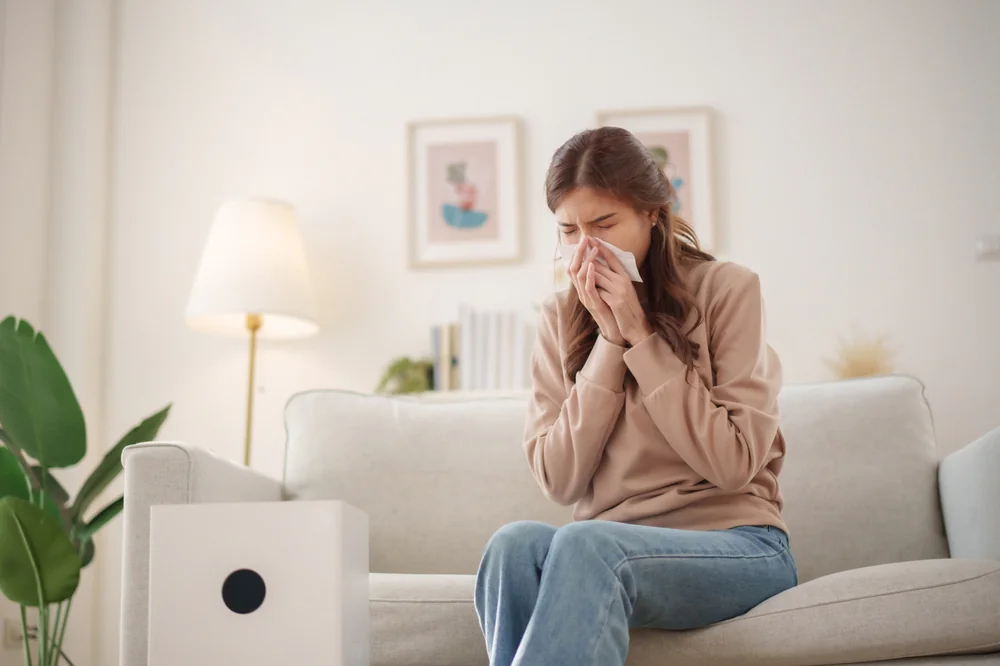
When the HVAC kicks on and something smells off, most people open a window and move on. But that smell is coming from inside your duct system and every time your heating or cooling runs, it’s pushing whatever is in there into every room in the house. That’s not a minor inconvenience. That’s your air supply.
For homes in Neshaminy Hills, the problem often starts below the living space. The Poquessing Creek watershed runs through Lower Southampton Township, and the groundwater pressure that comes with that geography presses against foundations throughout the area. Many of the homes here built in the 1960s and 1970s with full basements have HVAC air handlers sitting in those same basement mechanical rooms. When the basement runs damp, the return air intake draws that moisture directly into the system. From there, mold doesn’t need much of an invitation.
Getting the ductwork cleaned by a certified mold remediation specialist not just a general duct cleaning crew means the contamination gets addressed properly, with containment protocols in place so spores aren’t redistributed during the cleaning itself. After the job, you get documentation. You know what was found, what was done, and that it was verified. For a household in Neshaminy Hills where kids are heading to Poquessing Middle School or Neshaminy High School every morning, that’s not a small thing.
We’re based in Bensalem which means Neshaminy Hills is essentially across the street. Brownsville Road is the dividing line between Bensalem Township and Lower Southampton Township, and Manor Lane, the road into Neshaminy Hills, runs right off it. That proximity isn’t a marketing point it just means faster response times and a team that already knows what moisture conditions look like in this neighborhood’s housing stock.
With over 15 years of experience working in Bucks County, we’ve been inside homes built in every decade from the 1940s onward. The aging ductwork, the damp basements, the HVAC systems that have never been professionally cleaned none of that is new to us. Certified mold inspectors run every job, lab testing is used when contamination is suspected, and post-cleaning verification confirms the work was actually done right. You’re not taking anyone’s word for it.
We also work directly with insurance companies when remediation is part of a larger claim, and financing is available for jobs that need it. Free inspections, upfront pricing no surprises when the invoice arrives.
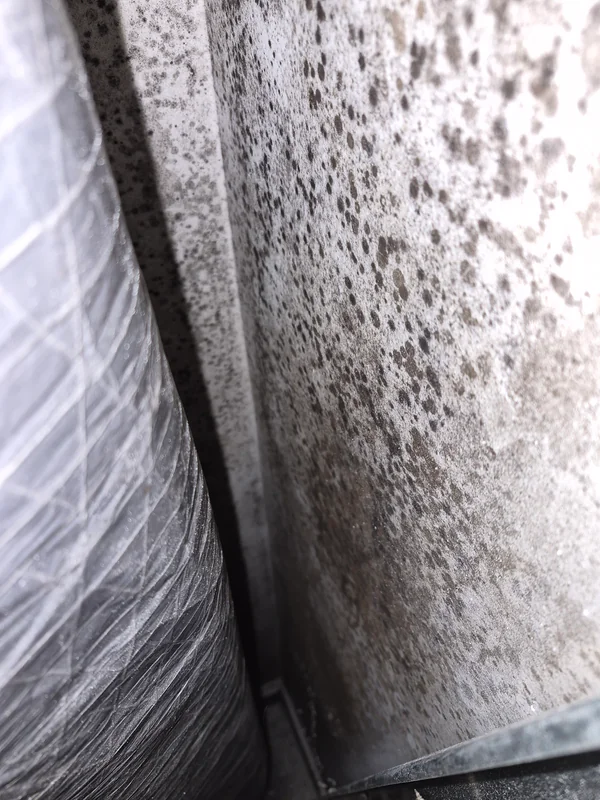
It starts with a free inspection. Before any cleaning begins, a certified inspector walks through the home, evaluates the ductwork, and identifies whether mold, debris, or biological growth is present. For homes in Neshaminy Hills particularly those built in the 1960s and 1970s with original or minimally updated duct systems this inspection often turns up conditions in interior duct runs that aren’t visible at the register. The dark, damp sections deep in aging sheet metal are exactly where mold establishes itself first.
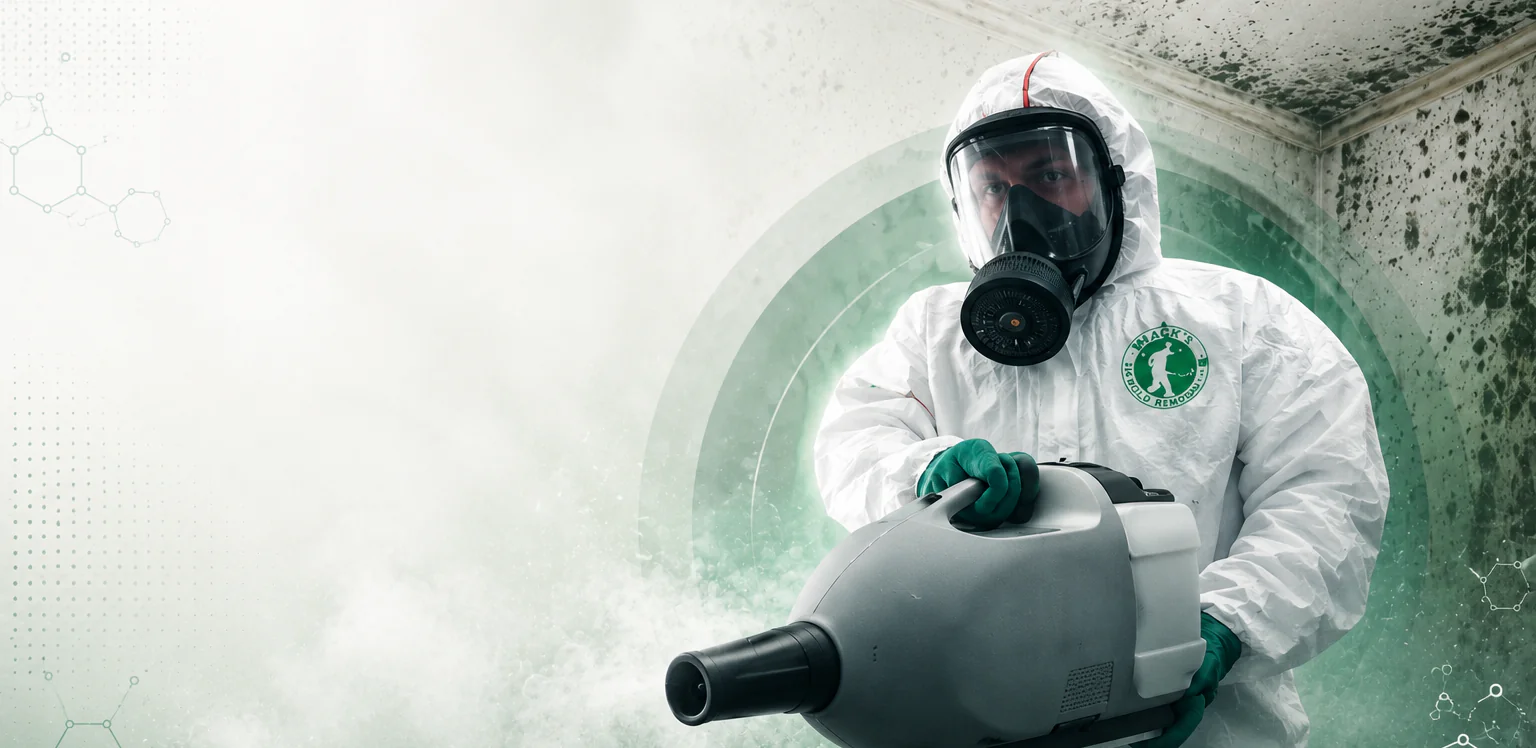
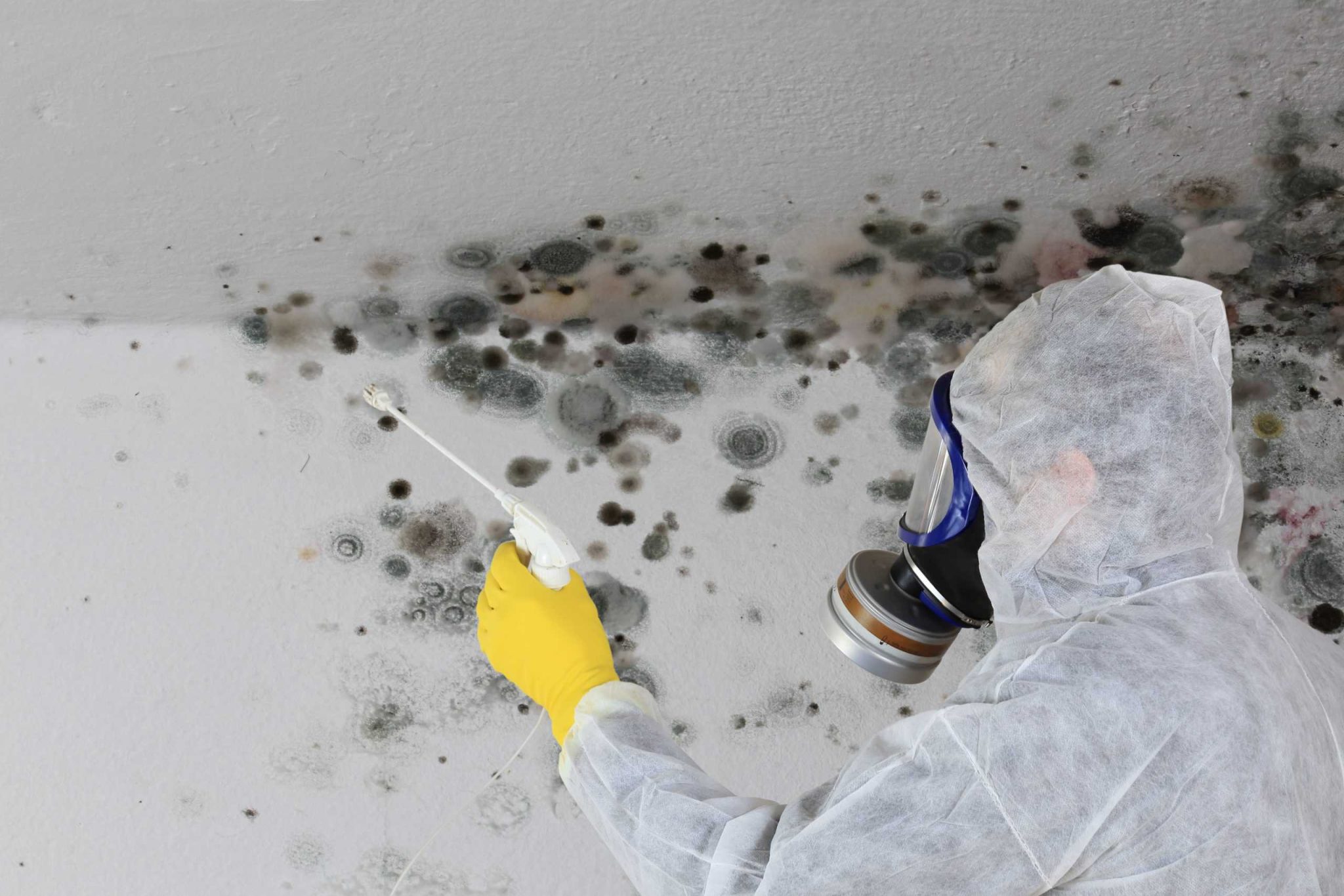
If mold is confirmed, containment protocols go in before any mechanical cleaning starts. This is the step that separates a mold specialist from a general duct cleaner. Disturbing mold without containment spreads spores. We approach air duct cleaning with the same remediation methodology used on full mold jobs negative air pressure, proper barriers, and controlled removal. Samples are sent to a lab when needed to determine exactly what’s present and guide the cleaning strategy.
Once the mechanical cleaning is complete, air duct sanitizing can be applied an antimicrobial treatment that addresses any remaining biological contamination after the physical debris has been removed. The final step is post-cleaning verification. We test to confirm the mold is gone before closing out the job. Bucks County’s humid summers and the moisture conditions specific to Lower Southampton Township mean that skipping that verification step isn’t an option on a job done right.
Ready to get started?
Air duct cleaning is our core service, but it doesn’t exist in isolation. We also handle dryer vent cleaning and air duct sanitizing both of which are especially relevant in Neshaminy Hills, where older home configurations present specific risks that newer construction doesn’t.
Dryer vent cleaning matters here more than most people realize. Homes built in the 1960s and 1970s often have dryer vent runs that are longer, have more bends, and were installed before current safety standards existed. The NFPA reports over 15,000 dryer-related house fires per year, with failure to clean the vent as the leading cause. If your laundry setup hasn’t been updated since the house was built, the vent configuration may be accumulating lint at a rate the original design never accounted for. This is a fire safety issue, not a maintenance preference.
Air duct sanitizing goes a step beyond mechanical cleaning. After debris and biological growth are removed from the duct system, sanitizing applies an antimicrobial treatment to eliminate what cleaning alone can’t fully address. For households in Neshaminy Hills where someone is already experiencing worsening allergies, unexplained respiratory symptoms, or that persistent musty smell that gets worse when the AC runs, sanitizing is often the difference between a clean system and a truly safe one. Pennsylvania’s real estate disclosure laws also require sellers to report known mold issues if you’re planning to list a home in this area, documented duct cleaning and sanitizing creates a paper trail that protects the sale.
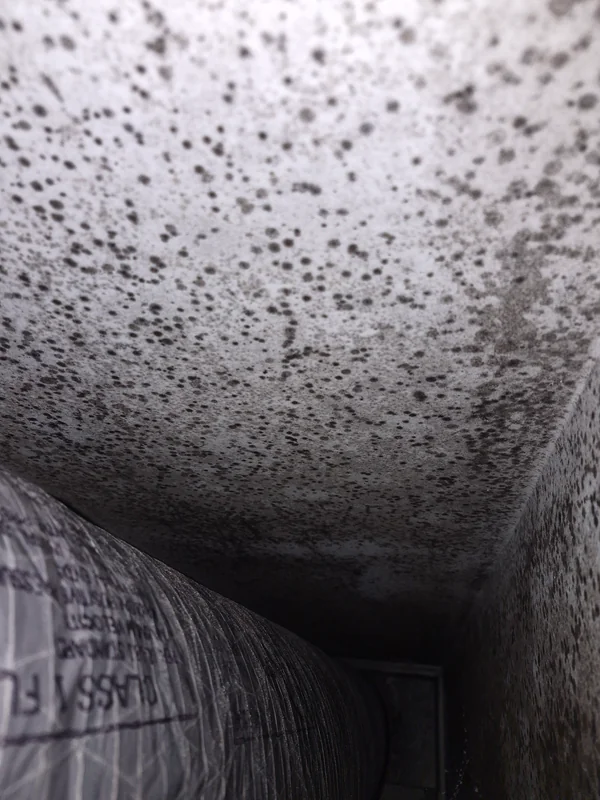
The most common signal is a musty smell that appears specifically when the HVAC system kicks on not a general odor in the house, but one that arrives with the airflow. If it gets worse in summer when the AC is running hard, that’s a strong indicator something biological is present inside the duct system. Other signs include allergy or respiratory symptoms that improve when you leave the house and worsen when you’re home, or visible discoloration around vent registers.
For homes in Neshaminy Hills built in the 1960s and 1970s, the risk is higher than people expect. Aging ductwork develops gaps at joints and connections over time, and those gaps let moisture in. Basements in this area sitting in the Poquessing Creek watershed tend to run damp even without visible flooding, and HVAC air handlers in those basement mechanical rooms draw that moisture directly into the system. The only way to know for certain is an inspection. We offer free inspections, so there’s no financial risk in finding out.
These are two separate steps that address two separate problems. Air duct cleaning is a mechanical process physical removal of dust, debris, and biological growth from inside the duct system using professional equipment. Air duct sanitizing is what happens after: an antimicrobial treatment is applied to the cleaned surfaces to eliminate any remaining biological contamination that the mechanical cleaning couldn’t fully remove.
If your concern is routine dust and debris buildup, cleaning alone may be sufficient. But if mold is involved or even suspected sanitizing is the step that completes the job. Mold isn’t just a surface issue. It can persist in microscopic form on duct walls even after visible growth has been removed. For households in Neshaminy Hills where someone has existing respiratory conditions, allergies, or sensitivities, skipping sanitizing after a mold-related cleaning leaves the job half-finished. We’ll walk you through what was found during the inspection and give you a clear recommendation on whether sanitizing is warranted for your specific situation.
Yes, and this is one of the most common oversights after a mold remediation job. When mold grows in a basement or crawl space, the HVAC system specifically the return air intake is often pulling air directly from that affected space. By the time the visible mold on walls and floors is remediated, spores may have already been distributed through the duct system and deposited throughout the home.
If the ductwork wasn’t specifically inspected and addressed as part of the remediation, there’s a real risk of recontamination. The remediated basement gets cleaned up, but the mold that traveled through the ducts remains and eventually, it works its way back. This pattern shows up repeatedly in homes throughout Lower Southampton Township and the broader Bucks County area, where moisture intrusion from groundwater and storm runoff is a recurring issue rather than a one-time event. We specifically close this loop. A post-remediation duct inspection is part of how we ensure the job is actually complete, not just the visible portion of it.
It’s almost always a bait-and-switch. The $99 offer gets a technician into your home, and from there the upselling begins additional charges per vent, fees for sanitizing, charges for mold treatment, and markups on add-ons that were never mentioned in the original quote. By the time the job is done, the final invoice looks nothing like the number that got them in the door. Consumer reporting organizations and industry watchdogs have documented this pattern extensively across the air duct cleaning industry.
The industry standard for a proper residential air duct cleaning one that covers both supply and return ducts with professional equipment runs significantly higher than $99. A reputable company will give you an upfront quote before any work begins and honor it. We offer free inspections and provide pricing before the job starts. If you’ve seen low-ball offers showing up in search results for Feasterville-Trevose or the broader 19053 area, treat them as a warning sign rather than a deal. The cost of a proper cleaning done once is lower than the cost of a botched job followed by a full mold remediation.
For most homes, the general guidance is every three to five years under normal conditions. But for homes in Neshaminy Hills built before 1980, “normal conditions” is relative. Ductwork installed in the 1960s and 1970s has had decades to accumulate debris, develop joint gaps that allow moisture infiltration, and host biological growth in sections that have never seen daylight. If a home has never had a professional duct cleaning, the starting point isn’t a regular maintenance schedule it’s an inspection to find out what’s actually in there first.
Certain events should also trigger an inspection regardless of when the last cleaning was done: any water damage or flooding in the basement or mechanical room, visible mold anywhere in the home, a recent renovation that generated significant dust, or the purchase of a home where the duct cleaning history is unknown. Given that Bucks County averages around 49 inches of rain per year well above the national average and that Lower Southampton Township homes sit in a watershed that keeps groundwater pressure elevated, the moisture conditions here create a higher-than-average risk of HVAC contamination between routine cleanings.
It matters, and the data behind it is straightforward. The National Fire Protection Association reports roughly 15,970 home structural fires involving dryers each year, with failure to clean the dryer vent cited as the leading cause. That’s not a rare edge case it’s a consistent, documented pattern across residential homes nationwide.
For homes in Neshaminy Hills specifically, the concern is amplified by the age of the housing stock. Dryer vent configurations in homes built in the 1960s and 1970s were often installed before modern safety standards existed. Longer vent runs, more bends in the duct path, and materials that lint adheres to more readily than modern flexible ducting all contribute to faster lint accumulation and reduced airflow. When airflow is restricted, the dryer runs hotter and longer to compensate and lint sitting in a hot, restricted duct is exactly the fire risk the NFPA data reflects. If your laundry room setup is original to the house, or close to it, having the dryer vent cleaned and inspected isn’t an add-on it’s maintenance that directly addresses a fire safety risk specific to this neighborhood’s housing vintage.
Other Services we provide in Neshaminy Hills