
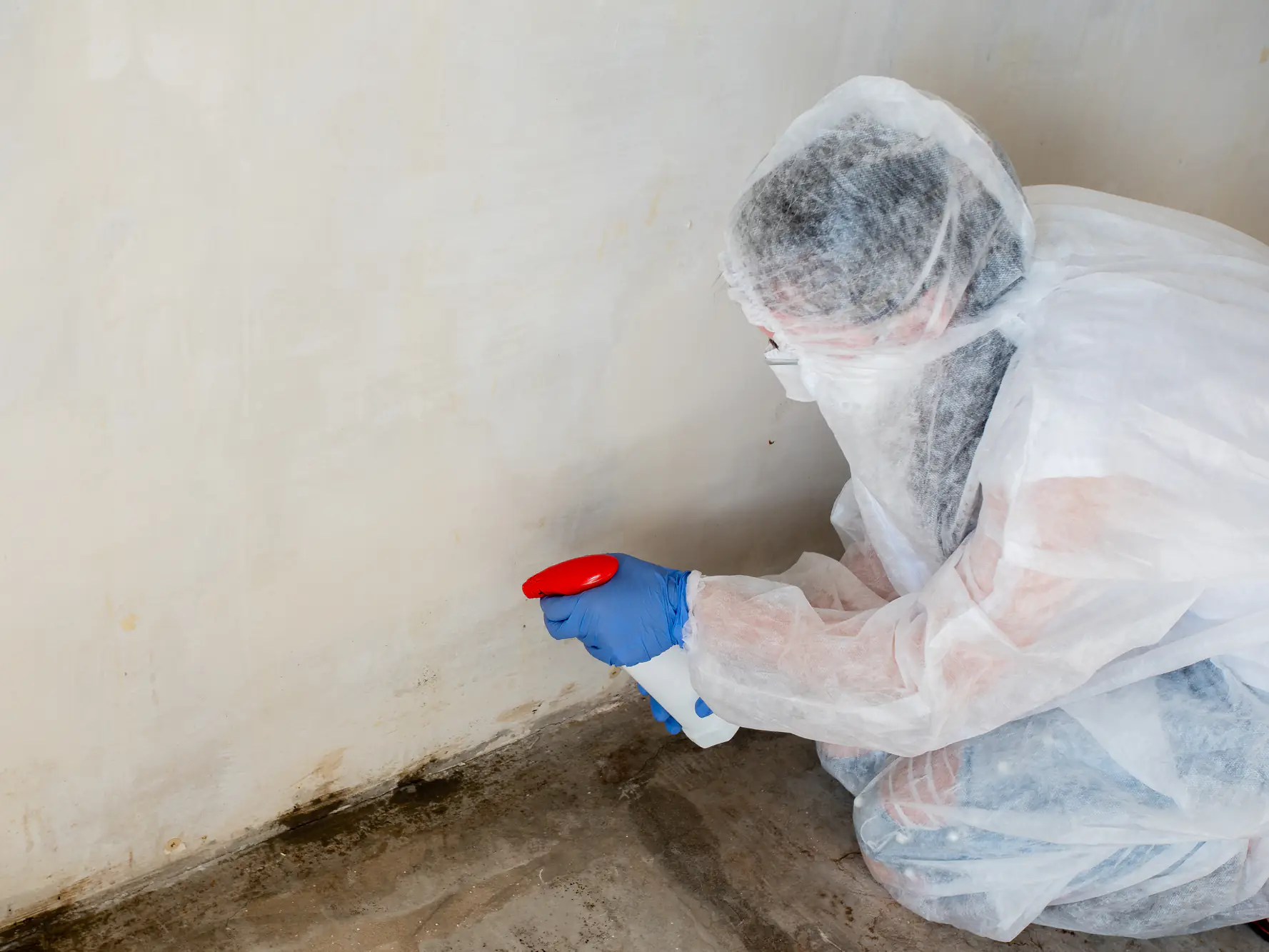
Hear from Our Customers
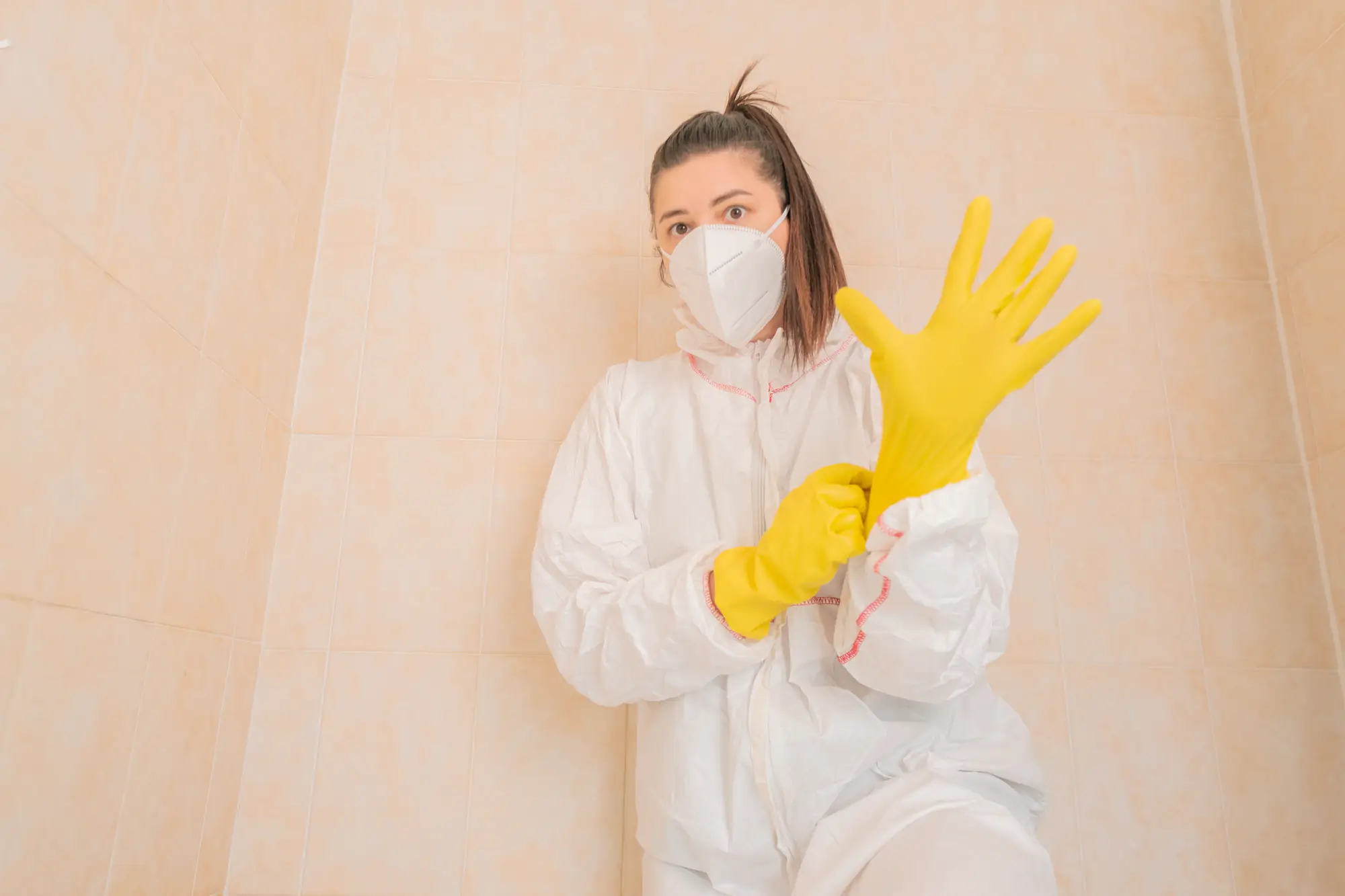
You stop waking up congested. Your kids stop coughing at night. That musty smell in the basement finally disappears.
Real mold removal means you’re not just covering up the problem with bleach or paint. You’re getting rid of what’s causing it—the moisture, the hidden growth, the stuff you can’t see but definitely feel.
When the job’s done right, your air quality improves. Your home feels lighter. You’re not second-guessing every sneeze or wondering if that dark spot is spreading. You know it’s handled, and you can move on.
That’s what working with mold removal specialists gets you—clarity, safety, and one less thing keeping you up at night.
Mack’s Mold Removal has been helping homeowners in Bucks County deal with mold the right way for years. We’re local, so we know what happens here—humid summers, older homes with drainage issues, basements that leak when you least expect it.
We’ve seen what happens when mold gets ignored or halfway fixed. It comes back. Sometimes worse than before.
That’s why we don’t just treat the surface. We use moisture meters, infrared cameras, and EPA-approved methods to find where it’s hiding and why it’s there. Then we remove it, treat the area, and make sure the conditions that caused it are fixed. You’re not getting a quick patch job—you’re getting a mold removal specialist who actually knows the difference.
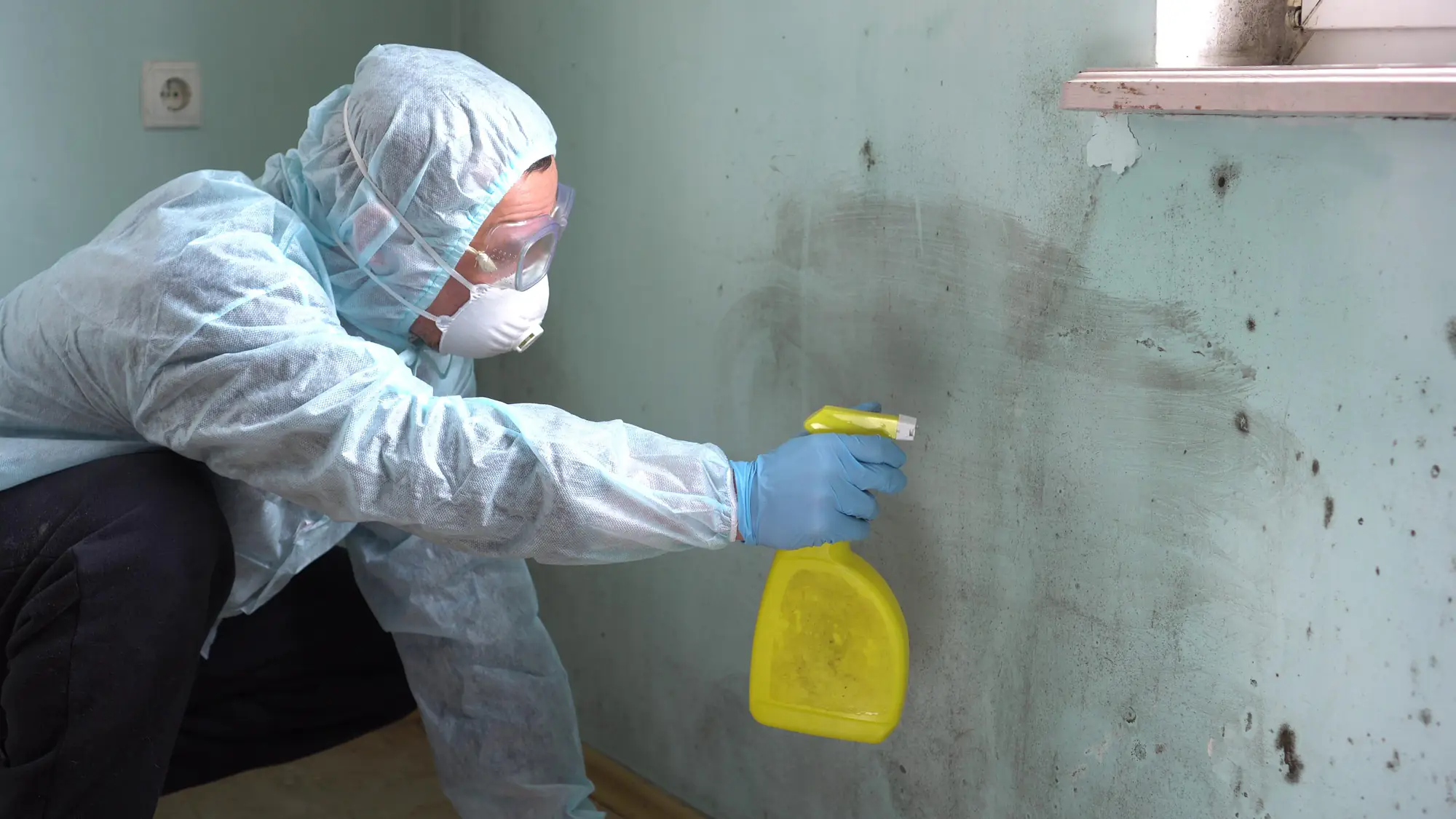
First, we come out and do a free inspection. We’re looking for visible mold, but also moisture levels, airflow issues, and hidden growth behind walls or under floors. We use infrared cameras and moisture meters—not guesswork.
Once we know what’s going on, we walk you through it. Where the mold is, what caused it, and what needs to happen to fix it for good. No jargon, no upselling. Just a clear plan.
Then we contain the area so mold spores don’t spread during removal. We use HEPA filtration and negative air pressure to keep everything controlled. The mold gets removed, surfaces get treated with antimicrobial solutions, and we address the moisture source—whether that’s a leak, condensation, or poor ventilation.
After that, we clean and restore the space. If drywall or flooring needs replacing, we handle that too. And before we leave, we make sure your air quality is back to normal. You’re not left guessing if it worked—you’ll know.
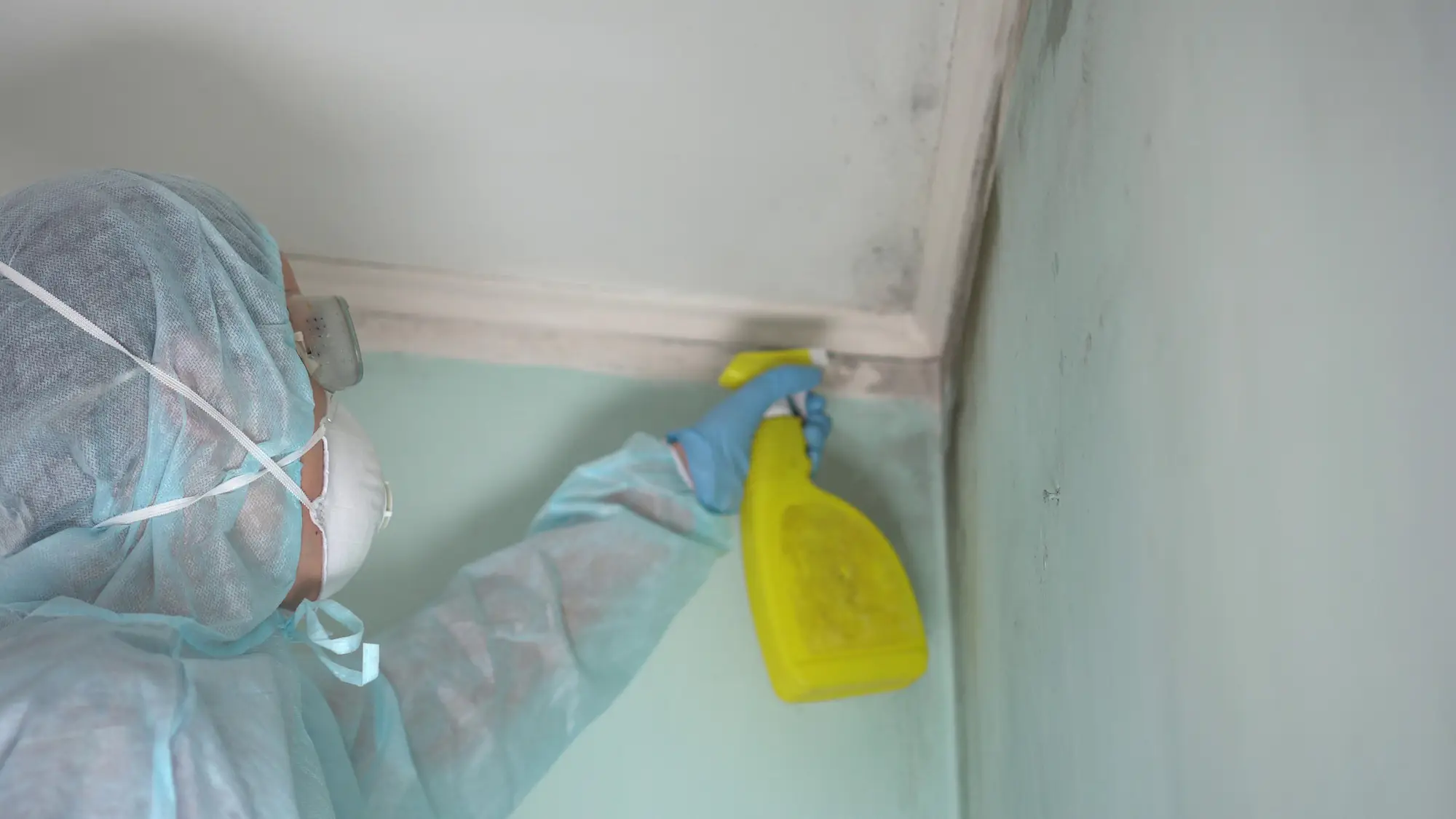
Ready to get started?
You get a certified inspector who knows what to look for. You get advanced detection tools that find mold you’d never see on your own. You get containment, removal, treatment, and prevention—all handled by professionals who follow Pennsylvania regulations and EPA standards.
In Newportville Terrace and the rest of Bucks County, we see a lot of basement mold from poor drainage and aging foundations. We see attic mold from ventilation problems. We see bathroom mold that keeps coming back because the exhaust fan isn’t doing its job. Whatever the cause, we’ve dealt with it before.
You also get help with insurance claims if your mold problem is tied to water damage. We document everything, work directly with your insurance company, and take that hassle off your plate.
And if you need it, we’re available 24/7 for emergencies. Mold doesn’t wait for business hours, and neither do we. You call, we respond, and we get it handled so you can breathe easy again—literally.

If you’re seeing visible mold, smelling something musty, or dealing with unexplained allergy symptoms that get worse at home, it’s worth getting an inspection. A lot of people try to handle it themselves with bleach or store-bought sprays, but that only works if the mold is surface-level and the moisture problem is already fixed.
Most of the time, mold you can see is just part of the problem. There’s usually more behind the wall, under the floor, or in the HVAC system. That’s where a mold removal expert comes in—we use moisture meters and infrared cameras to find what you can’t see.
If you’ve had water damage, a leak, flooding, or high humidity in your home, you should assume mold is growing somewhere. The longer it sits, the worse it gets. Getting a free inspection gives you a clear answer and a plan, so you’re not guessing or making it worse by waiting.
Cleaning mold means wiping down the surface and killing what’s visible. Removing mold means getting rid of the growth, treating the area so it doesn’t come back, and fixing the moisture source that caused it in the first place.
If you just clean it, you’re leaving the roots behind. Mold grows into porous materials like drywall, wood, and insulation. Bleach might lighten the stain, but it doesn’t kill what’s underneath. Within weeks or months, it’s back—and often spreading faster because the conditions haven’t changed.
Real mold remediation involves containment so spores don’t spread, removal of contaminated materials, antimicrobial treatment, HEPA filtration to clean the air, and addressing the moisture issue. That’s the difference between a temporary fix and a permanent solution. One makes it look better for a while. The other actually solves the problem.
It depends on how much mold there is and where it’s located. A small bathroom mold issue might take a day or two. A basement with widespread growth behind drywall could take a week or more, especially if we’re removing materials and restoring the space afterward.
The inspection usually happens within 24 to 48 hours of your call. Once we know the scope, we give you a timeline before any work starts. Most jobs in Newportville Terrace homes take between two and five days from start to finish, including containment, removal, treatment, and cleanup.
If it’s an emergency—like after a flood or major leak—we can start containment and removal right away to prevent the mold from spreading. Speed matters in those cases. The longer mold sits in a wet environment, the faster it grows. We move quickly, but we don’t cut corners. You’ll know the timeline upfront, and we keep you updated as we go.
It depends on what caused the mold. If it’s from a sudden, accidental event—like a burst pipe, roof leak, or appliance failure—most homeowners insurance policies will cover the mold remediation as part of the water damage claim. If the mold is from long-term neglect, poor maintenance, or gradual moisture buildup, it’s usually not covered.
The key is timing and documentation. If you had a leak and called us right away, insurance is more likely to pay. If the mold has been growing for months or years, they’ll probably deny the claim.
We help with the paperwork and work directly with your insurance company to make the process easier. We document everything—photos, moisture readings, scope of damage—so you have what you need to file. Even if insurance doesn’t cover it, we offer financing options to make it manageable. The worst thing you can do is wait and let it get worse, whether insurance is involved or not.
Moisture. That’s it. If the source of moisture isn’t fixed, mold will always come back. You can remove every visible spore, treat the surfaces, and clean the air—but if water is still getting in, condensation is still forming, or humidity is still too high, mold will regrow.
Common causes in Newportville Terrace homes include basement leaks from poor grading or foundation cracks, bathroom exhaust fans that don’t vent outside, attic condensation from bad insulation, and HVAC systems that aren’t dehumidifying properly. Sometimes it’s as simple as a dryer vent that’s clogged or a gutter that’s overflowing.
The best mold remediation company doesn’t just remove the mold—we find and fix the moisture problem. That’s what we do. We don’t leave until we know why it was growing and what needs to change. If that means sealing a crack, improving ventilation, or recommending a dehumidifier, we tell you. Otherwise, you’re just paying to remove mold that’s going to come right back.
Black mold—specifically Stachybotrys chartarum—can produce toxins that cause respiratory issues, headaches, fatigue, and worsening asthma or allergies. It’s not automatically deadly, but it’s not something you want growing in your home, especially if you have kids, elderly family members, or anyone with a compromised immune system.
The bigger issue is that most people can’t tell what type of mold they’re dealing with just by looking. Black mold, green mold, white mold—they all need moisture to grow, and they all release spores that affect your indoor air quality. Some are more toxic than others, but none of them belong in your living space.
If you see dark patches, smell something musty, or notice health symptoms that improve when you leave the house, don’t wait to find out what kind it is. Get it tested and removed by black mold experts who know how to handle it safely. The health risks aren’t worth ignoring, and the longer it grows, the more expensive and complicated removal becomes.
Other Services we provide in Newportville Terrace