
Hear from Our Customers
Mold doesn’t just sit there. It spreads behind walls, under floors, through your HVAC system. And while you’re trying to figure out if that smell is serious or if those dark spots are just dirt, your family’s breathing it in.
When mold gets removed the right way, you’re not just cleaning up a mess. You’re stopping respiratory problems before they start. You’re protecting your property value. You’re getting rid of that constant worry about what’s growing where you can’t see it.
The difference between a surface wipe-down and real remediation is whether the problem comes back in six months. You need someone who finds the moisture source, contains the affected area, removes contaminated materials, and treats surfaces so spores can’t regrow. That’s what keeps your home safe long-term.
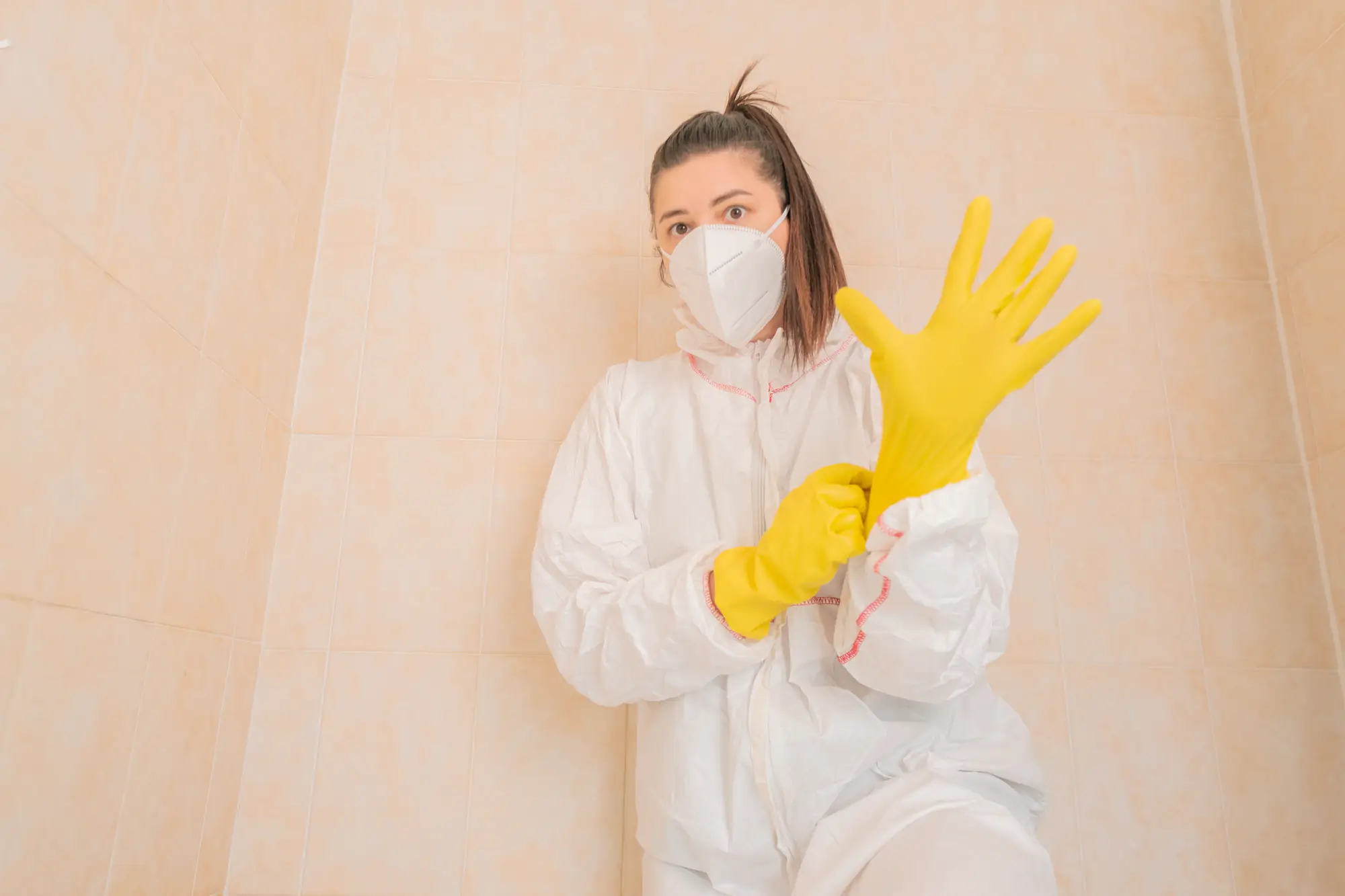
We’ve served Eastern Pennsylvania homeowners for nearly three decades. We’re certified through MICRO, the largest mold remediation training organization in the country. We’re insured, we follow EPA guidelines, and we back every job with a 5-year mold-free warranty.
Buckmanville and the surrounding Bucks County area deal with humid summers and basement moisture issues that most national franchises don’t understand. We do. We’ve seen what happens when water sits too long after a storm, when AC condensation creates the perfect breeding ground, when old homes with poor ventilation turn into mold factories.
You’re not getting a one-size-fits-all approach. You’re getting a team that includes HVAC technicians, master plumbers, and building inspectors who can actually diagnose why mold showed up in the first place.
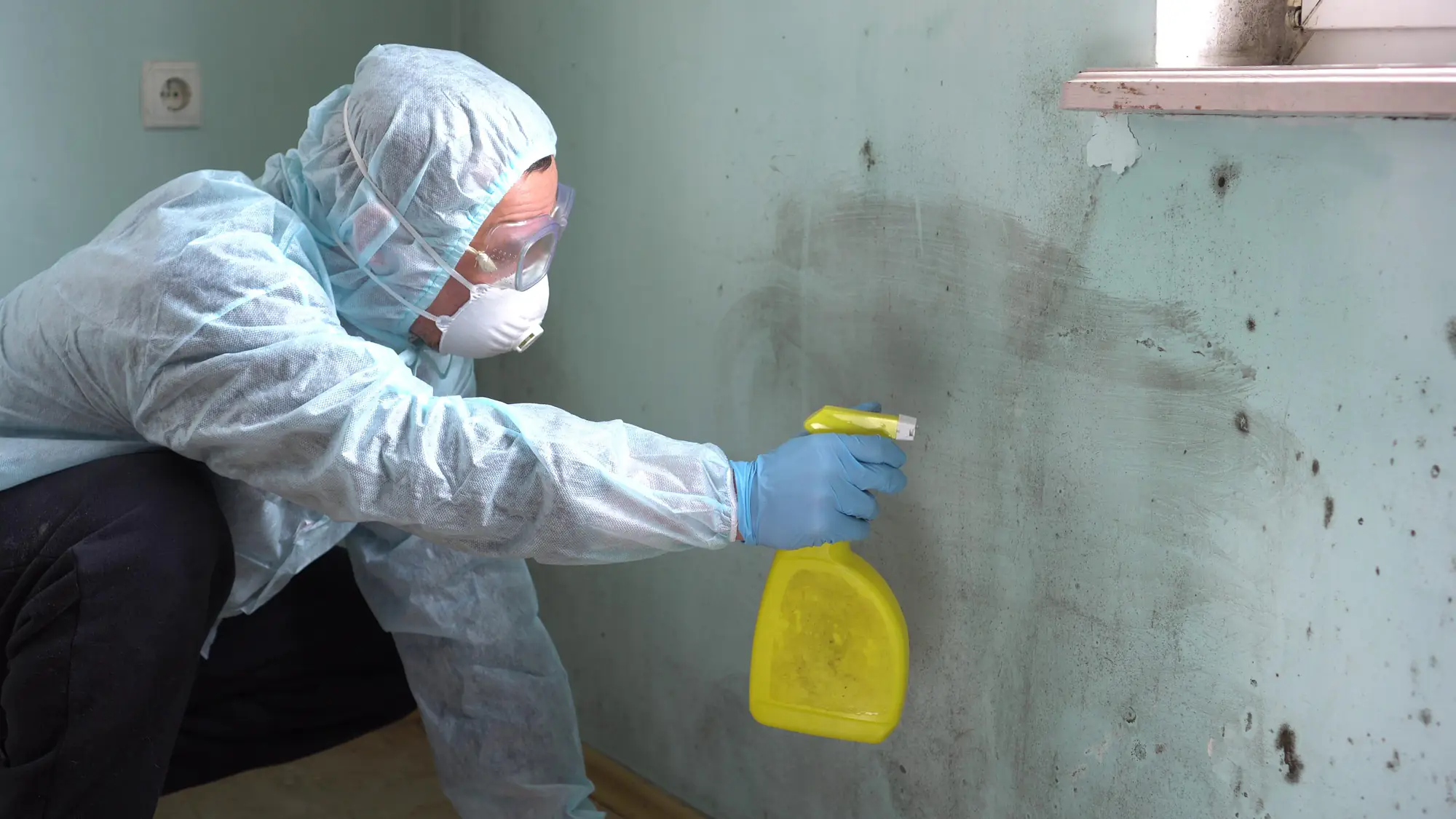
First, we inspect your property with moisture meters and infrared cameras. These tools find hidden mold that you can’t see with your eyes. We’re looking behind walls, under flooring, in crawl spaces, inside ductwork.
Once we know what we’re dealing with, we identify the mold type and the moisture source. Black mold requires different treatment than surface mildew. A leaking pipe needs a different fix than poor ventilation. We create a customized plan based on what’s actually happening in your home.
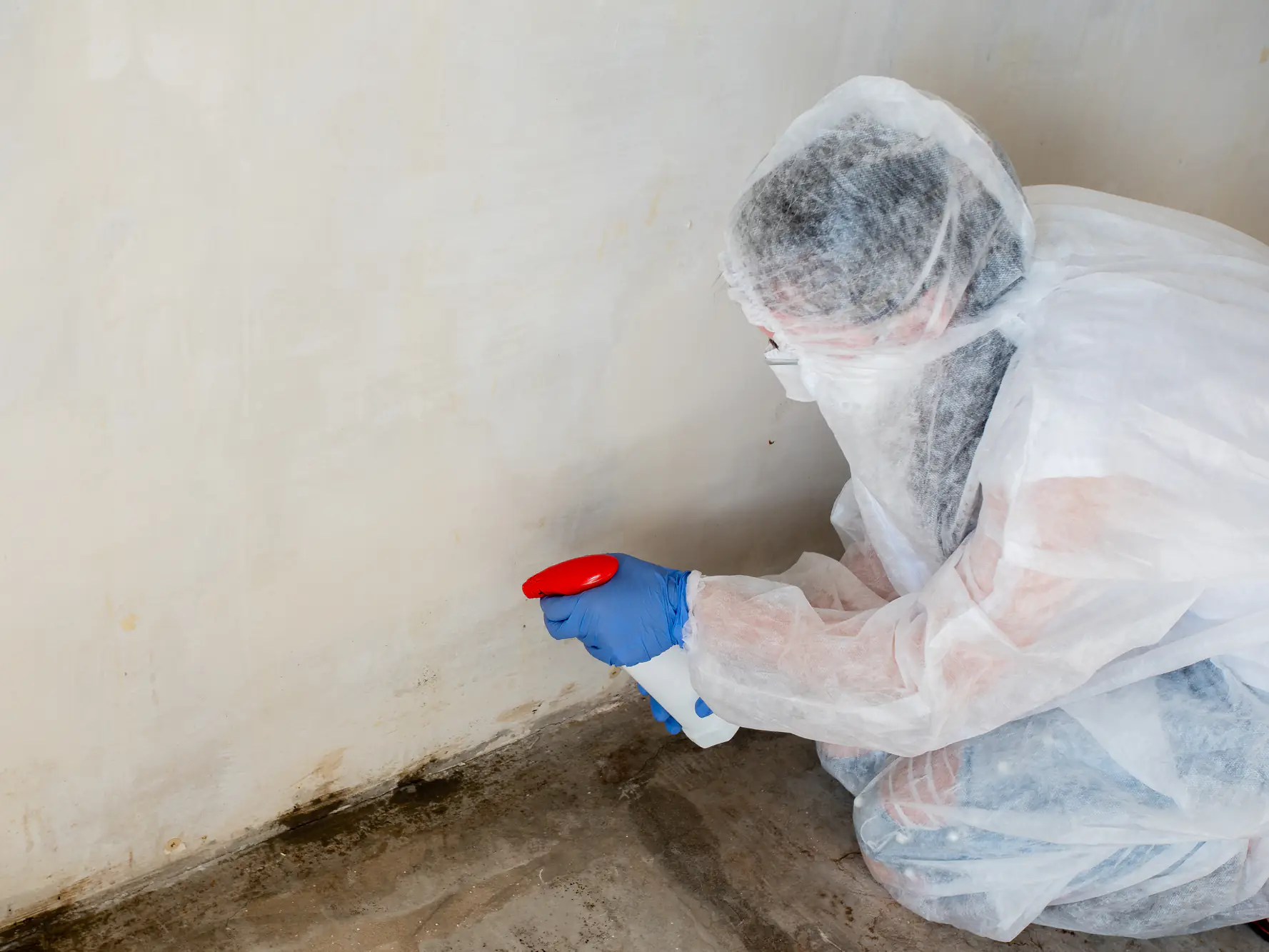
Then we contain the area so spores don’t spread during removal. We use HEPA vacuums to clean surfaces, remove contaminated materials that can’t be saved, and apply antimicrobial treatments to prevent regrowth. The moisture source gets fixed. The affected area gets restored.
You get a detailed report of everything we found and everything we did. And you get that 5-year warranty that proves we’re confident the mold won’t come back.
Ready to get started?
Professional mold removal in Buckmanville means more than just cleaning visible spots. You get a complete property inspection by certified specialists who know what to look for. You get advanced detection technology that uncovers mold hiding in places you’d never think to check.
Bucks County’s climate creates specific challenges. Humid summers mean your AC system can become a mold distribution network if condensation isn’t managed right. Older homes in this area often have basement moisture problems that need waterproofing solutions, not just surface cleaning. Storm damage can lead to standing water that fosters mold growth within 24 to 48 hours.
When you work with mold remediation specialists who understand these local conditions, you get solutions that actually address the root cause. That means fixing the plumbing issue, improving ventilation, treating the HVAC system, or waterproofing the basement. It means using EPA-approved methods and environmentally safe products that eliminate mold without creating new health risks.
And it means you’re not doing this again next year. The 5-year warranty isn’t just a piece of paper. It’s a promise that the job was done right the first time.

Most mold remediation projects in the Bucks County area run between $1,300 and $3,700, with the average around $2,400. But that number changes based on how much mold you’re dealing with and where it’s located.
A small patch of surface mold in a bathroom might cost $500 to clean and treat. Extensive black mold behind walls or throughout a basement can run $10,000 or more because you’re removing drywall, treating studs, replacing insulation, and fixing whatever moisture problem caused it.
The real cost isn’t the remediation itself. It’s what happens if you don’t address it. Mold damages building materials, lowers property value, and creates health problems that get expensive fast. Respiratory issues, allergic reactions, and chronic conditions from long-term mold exposure cost more than professional removal ever will.
You’ll get an exact quote after the inspection. No guessing, no surprise charges. Just a clear breakdown of what needs to happen and what it costs.
We answer calls 24/7 and provide quotes within 24 to 48 hours. If you’ve got standing water or visible mold growth after a flood or storm, that timeline moves faster.
Speed matters with mold. Once moisture shows up, you’ve got about 24 to 48 hours before mold starts growing. After 48 hours, it’s not a question of if mold will appear, it’s a question of how bad it’ll get.
Emergency response means we assess the situation immediately, contain affected areas to prevent spread, and start the remediation process before the problem multiplies. The longer mold sits, the more material gets contaminated, the higher your costs go, and the bigger the health risk becomes.
If you’re seeing mold or smelling that musty odor, don’t wait to see if it gets worse. It will.
Surface cleaning removes what you can see. Professional remediation removes what you can’t see and prevents it from coming back.
When you wipe down mold with bleach, you’re killing surface spores. But you’re not addressing the mold behind the wall, under the floor, or in the ventilation system. You’re not fixing the moisture source. And you’re probably spreading spores into the air, which makes the problem worse.
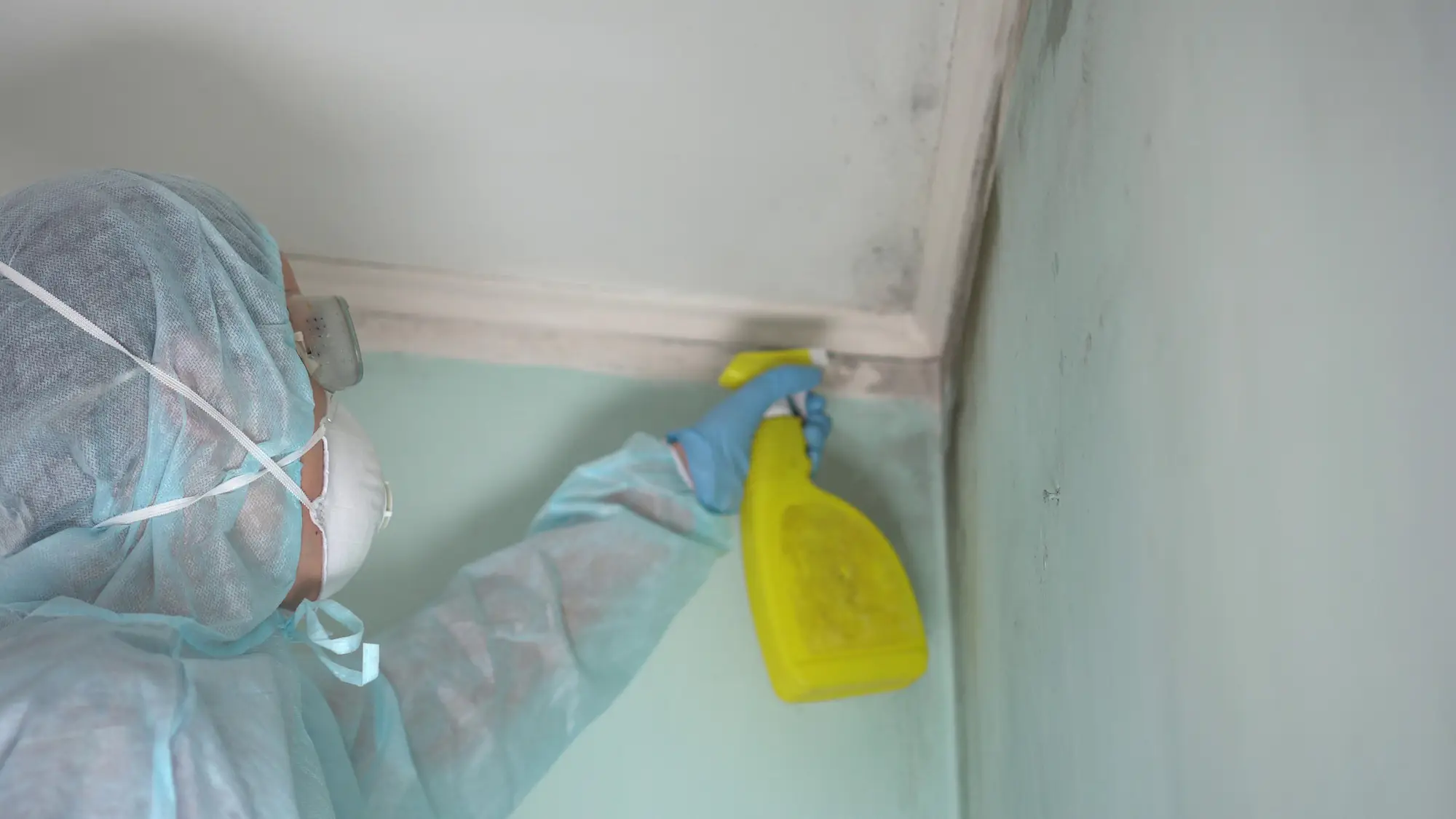
We use containment methods to prevent cross-contamination. We use HEPA vacuums that capture microscopic spores instead of blowing them around your house. We identify the specific type of mold you’re dealing with and use the right treatment for it. We find and fix the moisture problem so mold doesn’t regrow in three months.
Black mold and toxic mold species require specialized handling. If you’re dealing with extensive growth or mold in your HVAC system, DIY cleaning won’t cut it. You need equipment, training, and protective gear that most homeowners don’t have.
It depends on what caused the mold. If mold resulted from a covered event like a burst pipe or storm damage, your insurance will likely cover remediation. If mold grew because of long-term neglect or maintenance issues, probably not.
Insurance companies want to see that you acted quickly after water damage occurred. If a pipe burst and you called for remediation within a few days, that’s covered. If you ignored a slow leak for six months and now have mold throughout your basement, that’s considered a maintenance issue.
You’ll need documentation. That means photos of the damage, a detailed inspection report, and an estimate for remediation costs. We provide all of that as part of our service, and we can work directly with your insurance adjuster if needed.
Read your policy carefully. Some policies exclude mold coverage entirely unless you’ve purchased additional mold riders. Others cap mold remediation at $10,000 regardless of actual costs. Know what you’re covered for before you file a claim.
You can’t tell by looking at it. Black mold (Stachybotrys chartarum) isn’t always black, and not all black-colored mold is the toxic variety. You need testing to know for sure.
Black mold typically appears dark green or black with a slimy texture. It grows in areas with constant moisture like behind walls after water damage, in basements with humidity problems, or around leaking pipes. It has a strong musty odor that doesn’t go away.
Regular mildew is usually white or gray, appears on surfaces in damp areas like bathrooms, and wipes off relatively easily. It’s still a problem, but it’s not the same health risk as toxic mold species.
Professional mold testing identifies exactly what you’re dealing with. We take samples, send them to a lab, and get results that tell you the species and concentration levels. That determines the remediation approach and helps you understand the health risks you’re facing.
If you’re seeing dark growth in areas that stay damp, if you’re smelling that persistent musty odor, or if anyone in your home is experiencing unexplained respiratory issues, get it tested. Guessing isn’t worth the risk.
Mold comes back when the moisture source doesn’t get fixed. You can clean mold off a surface all day long, but if water keeps showing up, so will the mold.
Common moisture sources in Buckmanville homes include basement seepage from groundwater, condensation from AC systems, leaking pipes behind walls, poor ventilation in bathrooms and kitchens, and roof leaks that go unnoticed until mold appears on ceilings.
Pennsylvania’s humid climate makes this worse. When outdoor humidity is high and your home doesn’t have proper ventilation or dehumidification, moisture builds up inside. That creates perfect conditions for mold growth even without an obvious water leak.
Professional remediation includes finding and fixing the moisture source. That might mean waterproofing your basement, repairing plumbing, improving ventilation, or servicing your HVAC system. Without that step, you’re just treating symptoms instead of solving the problem.
Our 5-year warranty covers regrowth because we fix the cause, not just the effect. If mold comes back in a treated area, we come back and make it right at no additional cost.
Other Services we provide in Buckmanville