
Hear from Our Customers

You’re dealing with more than just a musty smell. If you’ve noticed dark spots in your basement, persistent sinus issues that won’t quit, or that damp odor that hits you when you walk through the door—mold is already affecting your daily life.
Here’s what changes when the problem is actually handled right. Your air quality improves within days, not weeks. Those headaches and respiratory symptoms that seemed random start fading. Your home stops feeling like a health risk and starts feeling like your space again.
And if you’re planning to sell or refinance? A clean mold inspection report keeps deals moving forward instead of falling apart during the home inspection. Bucks County buyers know what to look for, and mold is one of the fastest deal-killers in the area. You protect your investment by addressing it now, not after it’s already cost you time and money.
We work exclusively in Bucks County, which means we know exactly what causes mold problems in Edgeboro homes. The older basements, the humid summers, the damp winters—this climate practically invites mold to move in if there’s any moisture issue at all.
We’ve been handling mold remediation for Edgeboro families long enough to recognize the patterns. Leaky foundation walls after heavy rain, condensation issues in finished basements, hidden moisture from old plumbing. These aren’t surprises to us—they’re Tuesday.
You get certified mold specialists who use EPA-approved methods and actually explain what’s happening in your home. No scare tactics, no upselling services you don’t need. Just a clear assessment, transparent pricing, and work that holds up.
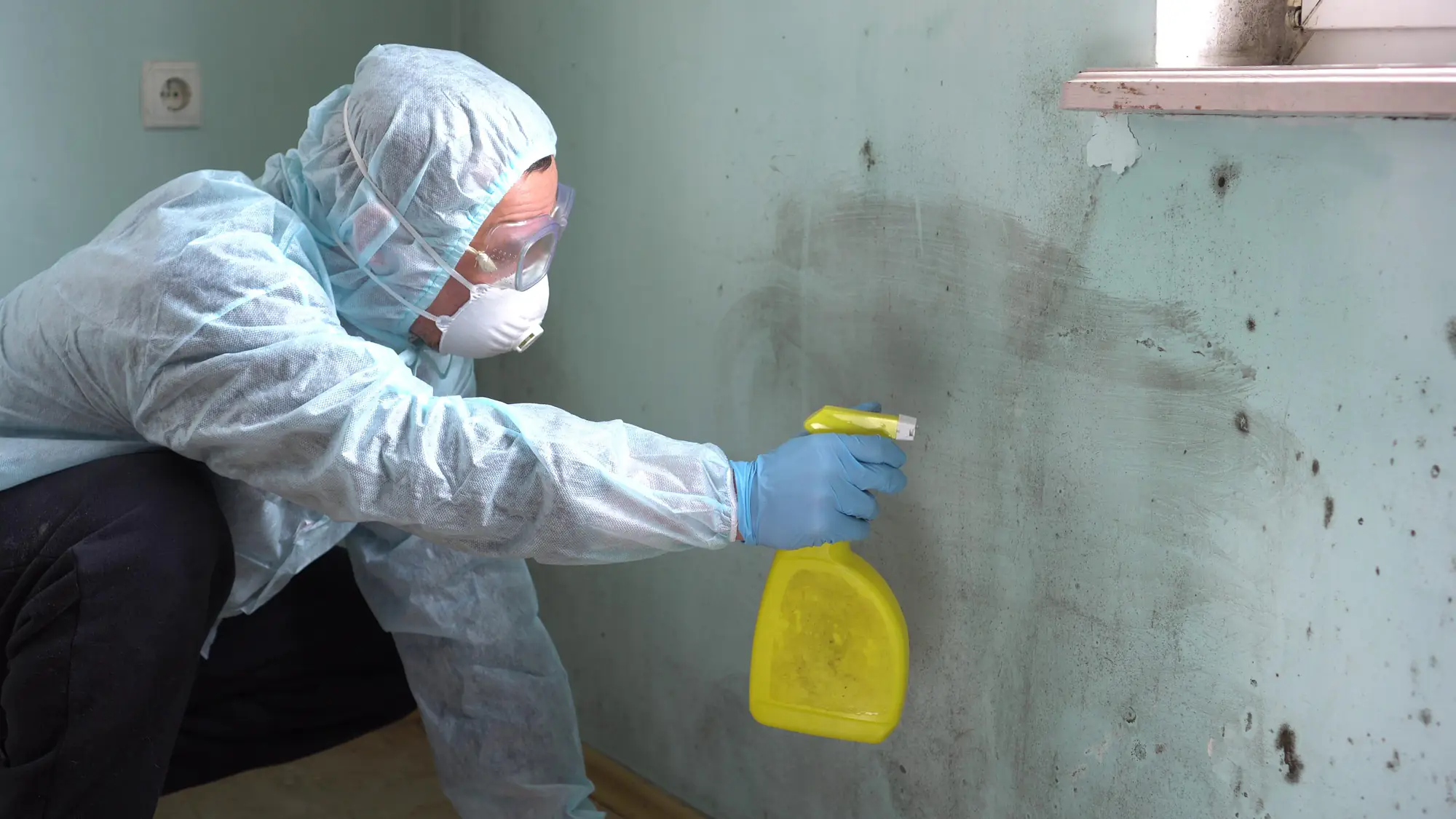
First, we come to your property for a free inspection. We’re looking for visible mold, checking moisture levels, and identifying where water is getting in. If testing is needed to determine mold type or concentration, we take samples and send them to a certified lab.
Once we know what we’re dealing with, you get a detailed estimate before any work starts. No surprises, no hidden fees. If you’re working with insurance, we can help with that process too.
The actual remediation involves containing the affected area so spores don’t spread to clean parts of your home. We remove contaminated materials, treat surfaces with antimicrobial solutions, and use HEPA filtration to clean the air. Then we fix the moisture problem—because removing mold without stopping the water source just means you’ll be calling someone again in six months.
After everything is dry and treated, we verify the work with post-remediation testing if needed. You get documentation showing the job was done right, which matters for your records and for any future real estate transactions.
Ready to get started?
You’re not just getting mold wiped off a wall. The service includes full moisture assessment, containment setup, safe removal of affected materials, antimicrobial treatment, HEPA air scrubbing, and source repair. Everything needed to actually solve the problem.
In Edgeboro specifically, we see a lot of basement mold tied to foundation issues and poor drainage around older homes. Bucks County’s clay-heavy soil doesn’t help—water sits instead of draining away. We address those contributing factors as part of the remediation, not as an afterthought.
You also get clear communication throughout the process. We’re not going to disappear for days or leave you wondering what’s happening. If we find something unexpected—like mold behind drywall that wasn’t visible during inspection—you’ll know immediately, along with what it means for timeline and cost.
The goal is to get your home back to safe, normal conditions without dragging the process out longer than necessary. Most residential jobs in Edgeboro take between two to five days depending on severity and size of the affected area.

If you can see mold growth larger than about 10 square feet, you’re past the DIY stage. That’s roughly a 3×3 area. Anything beyond that typically means the contamination has spread into materials like drywall, insulation, or subflooring—and surface cleaning won’t cut it.
You also need professional help if mold keeps coming back after you’ve cleaned it, if there’s a persistent musty odor you can’t locate, or if anyone in your home is experiencing unexplained respiratory symptoms. About 25% of people have a genetic sensitivity to mold that makes them react more severely, so health symptoms are a real red flag.
Black mold—technically called Stachybotrys—always warrants professional removal. It thrives in consistently damp environments and produces mycotoxins that can cause serious health issues. If you’re seeing dark greenish-black growth that looks slimy or feels slippery, don’t try to handle that yourself.
Mold removal sounds like you’re getting rid of every single spore, which isn’t realistic. Mold spores exist everywhere—they’re part of normal outdoor and indoor air. The goal isn’t sterility; it’s getting spore levels back down to normal, safe concentrations.
Mold remediation is the accurate term because it means returning your indoor environment to normal fungal levels while eliminating active growth and fixing the conditions that allowed mold to thrive. That includes removing contaminated materials, treating surfaces, controlling moisture, and preventing future growth.
A mold removal specialist focuses on the whole picture: what’s growing now, why it’s growing, and how to stop it from growing again. Just scrubbing visible mold off a surface doesn’t address the moisture source, which means you’re looking at the same problem in a few months. Remediation handles the root cause, not just the symptom.
Most residential mold remediation in Edgeboro runs between $500 and $6,000 depending on the size of the affected area and how much material needs to be removed. A small bathroom with surface mold sits at the lower end. A finished basement with contaminated drywall, insulation, and flooring hits the higher end.
The cost factors include square footage of contamination, type of materials affected, accessibility of the area, and whether structural repairs are needed after removal. If your mold problem involves HVAC systems or has spread to multiple rooms, expect costs to increase because containment and air filtration become more complex.
Severe cases—like whole-home contamination from long-term water damage—can push into the tens of thousands. That’s rare, but it happens when problems go unaddressed for years. The earlier you catch it, the less you’ll spend. Insurance sometimes covers mold remediation if it resulted from a covered peril like a sudden pipe burst, but coverage for long-term moisture issues or maintenance-related mold is usually excluded.
It depends entirely on what caused the mold. If a covered event caused the moisture—like a burst pipe, storm damage, or sudden appliance leak—your policy will likely cover the remediation. Insurance sees that as part of the original damage.
But if mold developed because of ongoing maintenance issues, poor ventilation, humidity, or a slow leak you didn’t address, most standard policies exclude that coverage. Insurance companies consider that preventable damage, which falls on the homeowner.
Your best move is to document everything: when you first noticed the problem, what caused the moisture, and any repairs you’ve made. Then contact your insurance company before starting remediation work. Some policies have sub-limits specifically for mold—often around $10,000—even when the cause is covered. We can work with your adjuster and provide the documentation they need to process your claim, but knowing your coverage limits upfront prevents surprises later.
Most residential jobs in Edgeboro take two to five days from start to finish. A single-room situation with minimal material removal might wrap up in a day or two. A multi-room basement with significant drywall and insulation removal can stretch to a week.
The timeline depends on the size of the contaminated area, how much material needs to be removed, drying time for treated surfaces, and whether we’re also handling repairs like replacing drywall or fixing the moisture source. Containment and proper drying can’t be rushed—if materials aren’t completely dry before we close everything up, you’re just creating conditions for mold to return.
You’ll have access to unaffected parts of your home throughout the process. We contain work areas with plastic sheeting and negative air pressure to prevent cross-contamination. For most projects, you can stay in your home, though severe contamination sometimes requires temporary relocation. We’ll let you know upfront if that’s the case based on what we find during inspection.
Small surface mold—less than 10 square feet on non-porous surfaces like tile or glass—you can handle with proper precautions. Use a mask, gloves, and ventilation. Clean with detergent and water, dry completely, and fix whatever caused the moisture.
Beyond that, DIY mold removal usually makes things worse. Disturbing mold without proper containment spreads spores throughout your home. Removing materials like drywall without HEPA filtration releases massive spore concentrations into your air. And if you don’t identify and fix the moisture source, you’re just cleaning up growth that will return.
Black mold, mold in HVAC systems, mold affecting structural materials, or any situation involving health symptoms—those require professional remediation. The health risks and potential for spreading contamination aren’t worth the money you’d save. Plus, improper removal can actually decrease your property value and complicate future sales because you’ll have no documentation that the work was done correctly. Buyers and inspectors want to see certified remediation records, not a story about how you bleached some walls.
Other Services we provide in Edgeboro