
Hear from Our Customers

There’s a difference between ducts that look fine and ducts that are fine. In Edgeboro and the surrounding Upper Makefield area, that gap matters more than most homeowners realize.
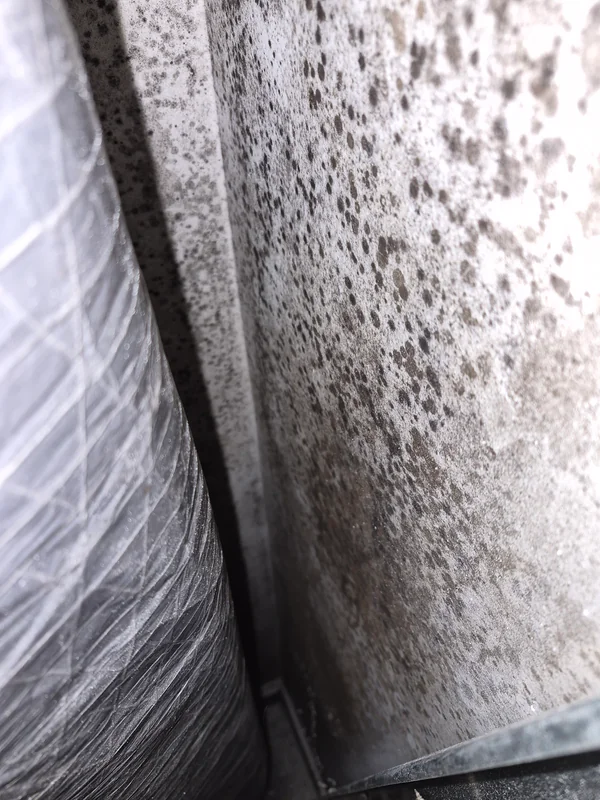
The Delaware River, Houghs Creek, and the Delaware Canal create year-round moisture pressure on homes in this corridor. Your HVAC system absorbs all of it. Every time your system kicks on, it’s either circulating clean air or distributing whatever has built up inside.
If there’s mold in your ductwork, every room gets it simultaneously. For homes in Edgeboro especially the older stone farmhouses and mid-century properties along Taylorsville Road that were built long before modern moisture barriers became standard the ductwork has often gone years or decades without a professional inspection. These homes were designed to breathe, and in a wet-all-year climate like Upper Makefield’s, breathing means absorbing.
After a proper cleaning and sanitizing, the difference is tangible. Musty smells that follow you from room to room stop. Allergy symptoms that seem to worsen every time the AC kicks on ease up. If you’ve had any basement flooding from Houghs Creek, a sump pump failure, or a heavy storm you’ll have documented confirmation that your system is clean, not just an assumption.
We’ve been working in Bucks County for over 15 years. Upper Makefield Township including Edgeboro and the Washington Crossing area is territory we know well. We already have dedicated service work throughout this township, and when you call, you’re not explaining your situation to a call center. You’re talking to someone who understands what living near the Delaware River corridor actually means for a home.
We’re a mold remediation company first. That distinction matters when it comes to air duct cleaning, because disturbing mold inside ductwork without proper containment doesn’t solve the problem it spreads it. Our certified inspectors look at your system the way a mold specialist would, not the way a general HVAC tech would.
We send samples to a lab when needed, document what we find, and test after the work is done to confirm the results. We also work directly with insurance companies when mold damage is part of a larger claim which, for homes along the Delaware River flood corridor, is more common than you’d think.
It starts with a free inspection. Before anything gets touched, we look inside your system not just at the registers, but deep into the ductwork where mold actually grows. In Upper Makefield homes, especially those with older duct configurations or homes that have experienced any water intrusion from the Delaware River corridor, this step is where the real picture emerges.
If we find mold, we identify the extent of it and determine what type of cleaning and sanitizing is appropriate. If we don’t find a problem, we tell you that too.
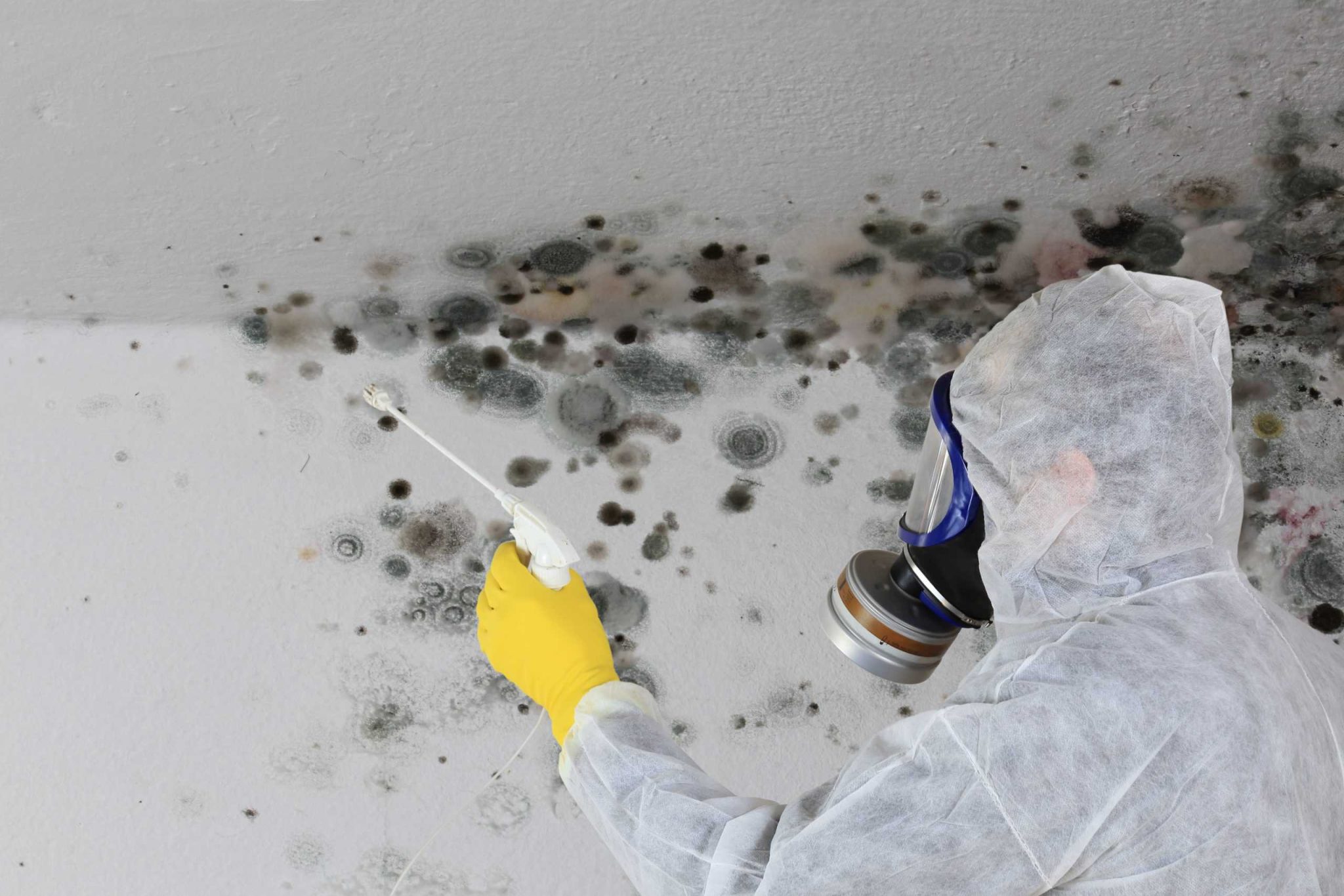
When cleaning is warranted, we use negative air pressure equipment and HEPA-rated vacuums to remove debris without pushing contaminants into the living space. Both supply and return ducts are addressed cleaning only one side is a shortcut that leaves half the system untreated.
If mold is present, we follow remediation protocols that include containment, so spores aren’t redistributed through your home during the process. For Edgeboro homes that have dealt with seasonal flooding from Houghs Creek or the Delaware, we pay particular attention to the HVAC components most likely to have absorbed moisture: evaporator coils, drip pans, and the interior duct sections closest to the basement or crawl space.
After the cleaning, we test to confirm the work is done. You get documentation, not just a handshake.

Ready to get started?
Air duct cleaning removes the physical buildup dust, debris, biological material from inside your ductwork. Air duct sanitizing goes a step further, applying an antimicrobial treatment to the interior surfaces after mechanical cleaning to address any remaining biological contamination.
In Upper Makefield’s wet-all-year climate, where homes along Route 32 and Taylorsville Road are exposed to persistent humidity from the Delaware River corridor, sanitizing isn’t an optional upgrade it’s the logical follow-through after cleaning, particularly when mold has been identified.
We also offer dryer vent cleaning, which is a service that gets overlooked until something goes wrong. The NFPA reports nearly 16,000 dryer-related house fires every year, and failure to clean the vent is the leading cause. In larger Upper Makefield homes estates and farmhouses with extended floor plans and interior laundry placement dryer vent runs are often long, which accelerates lint accumulation.
It’s a straightforward service with a real safety payoff. For Edgeboro homeowners who’ve recently had mold remediated elsewhere in the home basement, crawl space, or walls an HVAC inspection is the step that closes the loop. Mold spores travel through air. If your system was running during a mold event, the ducts deserve a look.
We offer upfront pricing and flexible financing, so there’s no reason to put it off.
Flooding is one of the most direct pathways for mold to enter an HVAC system. When water enters a basement in Edgeboro whether from Houghs Creek backing up, the Delaware River cresting, or a sump pump that couldn’t keep up during a heavy storm moisture gets drawn into the return air pathways of your HVAC system.
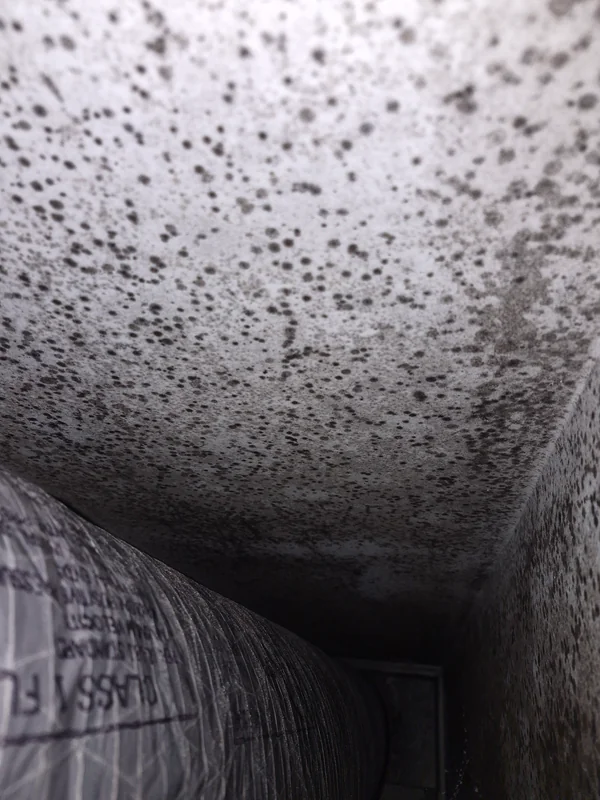
The interior of your ductwork is dark, often damp, and rarely inspected, which makes it an ideal environment for mold to establish itself within 24 to 48 hours of a water intrusion event. The most common signs are a musty smell that appears specifically when the system runs, worsening allergy or respiratory symptoms that don’t have another obvious cause, or visible discoloration near your registers or vents.
That said, the absence of visible signs doesn’t mean the system is clean. Mold in ductwork is usually hidden well inside the system, not at the register where you’d notice it. The only way to know for certain is a professional inspection by someone who understands mold, not just duct maintenance. We offer free inspections in Edgeboro, so there’s no cost to finding out where you stand.
The honest answer is: it depends on what’s in your system. The EPA has a nuanced position on routine air duct cleaning they acknowledge that the evidence for cleaning ducts absent a specific problem is limited. But they also explicitly recommend cleaning when mold is confirmed in the ductwork, when there’s been a pest or rodent infestation, or when significant debris is clogging your registers.
Those aren’t rare edge cases. They’re exactly the scenarios that come up regularly in Upper Makefield homes with older duct configurations, basement flooding history, or years without any professional inspection. The concern about upselling is legitimate, and it comes from a real industry problem. The “$99 air duct cleaning” offers you’ve probably seen advertised are typically a foot-in-the-door tactic the low price gets someone into your home, and then the pressure to add services begins.
We give you a real inspection first, tell you what we found, explain what’s warranted, and quote you a real price before any work begins. That’s how we operate free inspection, upfront pricing, and no work starts until you’ve agreed to it.
The general industry recommendation is every three to five years for a typical home. But “typical” doesn’t describe most of the housing stock in Edgeboro and the Washington Crossing area. Homes built before the 1970s and there are many in Upper Makefield Township, with the Taylorsville area’s median home age sitting around 1957 were constructed without the sealed ductwork, vapor barriers, and moisture control standards that modern homes have.
Stone foundations wick moisture from the ground. Older HVAC configurations weren’t designed with today’s air quality standards in mind. The Delaware River corridor’s wet-all-year climate means these systems are operating in elevated humidity conditions year-round.
For homes in Edgeboro that have experienced any water intrusion, had mold remediated elsewhere on the property, or simply haven’t had a professional inspection in several years, a shorter interval makes sense. If you’ve never had your ducts inspected since purchasing the home especially if you bought an older Upper Makefield property the inspection itself is the right starting point. You may find the system is in good shape, or you may find something that’s been circulating through your home for years without anyone knowing.
They’re two separate steps, and both matter when mold is involved. Air duct cleaning is the mechanical process using negative air pressure equipment and HEPA vacuums to physically remove dust, debris, and biological material from inside the ductwork. It addresses what’s in the system.
Air duct sanitizing comes after, applying an antimicrobial treatment to the interior surfaces of the ducts to address any residual biological contamination that mechanical cleaning alone doesn’t fully eliminate. Think of it this way: cleaning removes the bulk of what’s there, and sanitizing addresses what remains at the surface level.
When mold is the concern which is the case for many homes in Upper Makefield’s Delaware River corridor stopping at cleaning and skipping sanitizing leaves the job half-finished. The antimicrobial treatment creates a less hospitable environment for mold regrowth, which matters in a climate that provides persistent humidity year-round. We offer both services, and we’ll tell you clearly which one is warranted based on what the inspection actually finds not based on what generates the highest invoice.
Yes, and this is the part that makes mold in an HVAC system a different problem than mold in a single room. When mold is isolated to a basement wall or a crawl space, it affects that area. When mold is inside the ductwork, every heating and cooling cycle actively distributes spores to every room the system serves.
In a large Upper Makefield home an estate or farmhouse with extensive ductwork running across multiple floors that means the contamination isn’t contained to one area. It’s moving through the entire floor plan, repeatedly, every time the system runs.
This is also why having mold remediated in one part of your home without inspecting the HVAC system can lead to a recurring problem. If the system was running during the mold event, spores were likely drawn into the return air pathways. The remediated area gets cleaned, but the ducts continue redistributing spores, and mold reestablishes itself in the same location or elsewhere. We address this directly HVAC inspection is part of how we approach mold remediation in Upper Makefield homes, not an afterthought.
Yes. We offer dryer vent cleaning alongside air duct and HVAC services, and it’s worth taking seriously not as a routine maintenance checkbox, but as a genuine fire safety issue. The National Fire Protection Association reports roughly 15,970 home structure fires involving dryers each year, with failure to clean the vent as the leading cause.
In larger homes and Upper Makefield has plenty of them, with sprawling floor plans and laundry rooms positioned well away from exterior walls dryer vent runs are often longer than in a typical suburban house. Longer runs mean more surface area for lint to accumulate, and more resistance in the line, which makes the dryer work harder and increases heat buildup.
If your Edgeboro home is one of the older properties in the area, and the dryer vent hasn’t been inspected in several years, it’s worth adding to the list when we’re already on-site for an air duct inspection. We’ll give you an honest assessment of what we find.
Other Services we provide in Edgeboro