
Hear from Our Customers
You stop wondering if that musty smell is a problem. Your kids stop coughing at night. You can open the basement door without holding your breath.
That’s what proper mold removal does. It doesn’t just scrub visible spots off your wall. It eliminates the colony growing behind your drywall, under your flooring, or in your crawl space. It addresses the moisture source feeding the problem. And it gives you documentation proving your air is clean again.
Most homes in Casey Village were built between 1940 and 1999. That means older construction methods, aging plumbing, and plenty of opportunities for water to get where it shouldn’t. Combine that with Pennsylvania’s humid summers and you’ve got conditions mold loves. But you don’t have to live with it.
When mold is removed correctly, your home becomes safer. Your property value stays protected. And you get peace of mind that the problem was handled right the first time.
We work throughout Bucks County, and we’ve seen what happens when mold gets ignored. Warped floors. Ruined insulation. Respiratory issues that won’t quit. We’ve also seen what happens when it’s handled by someone who doesn’t know what they’re doing—it comes back worse.
We’re not the cheapest option, and that’s intentional. You’re not paying for a quick cover-up. You’re paying for infrared cameras that detect moisture you can’t see, containment systems that prevent cross-contamination, and technicians who understand the difference between cleaning mold and actually remediating it.
We’ve worked in Casey Village long enough to know the common problem areas. Basement seepage from older foundations. Attic condensation from poor ventilation. Bathroom mold from outdated exhaust systems. When you call us, you’re talking to people who’ve already dealt with your exact situation in a home just like yours.
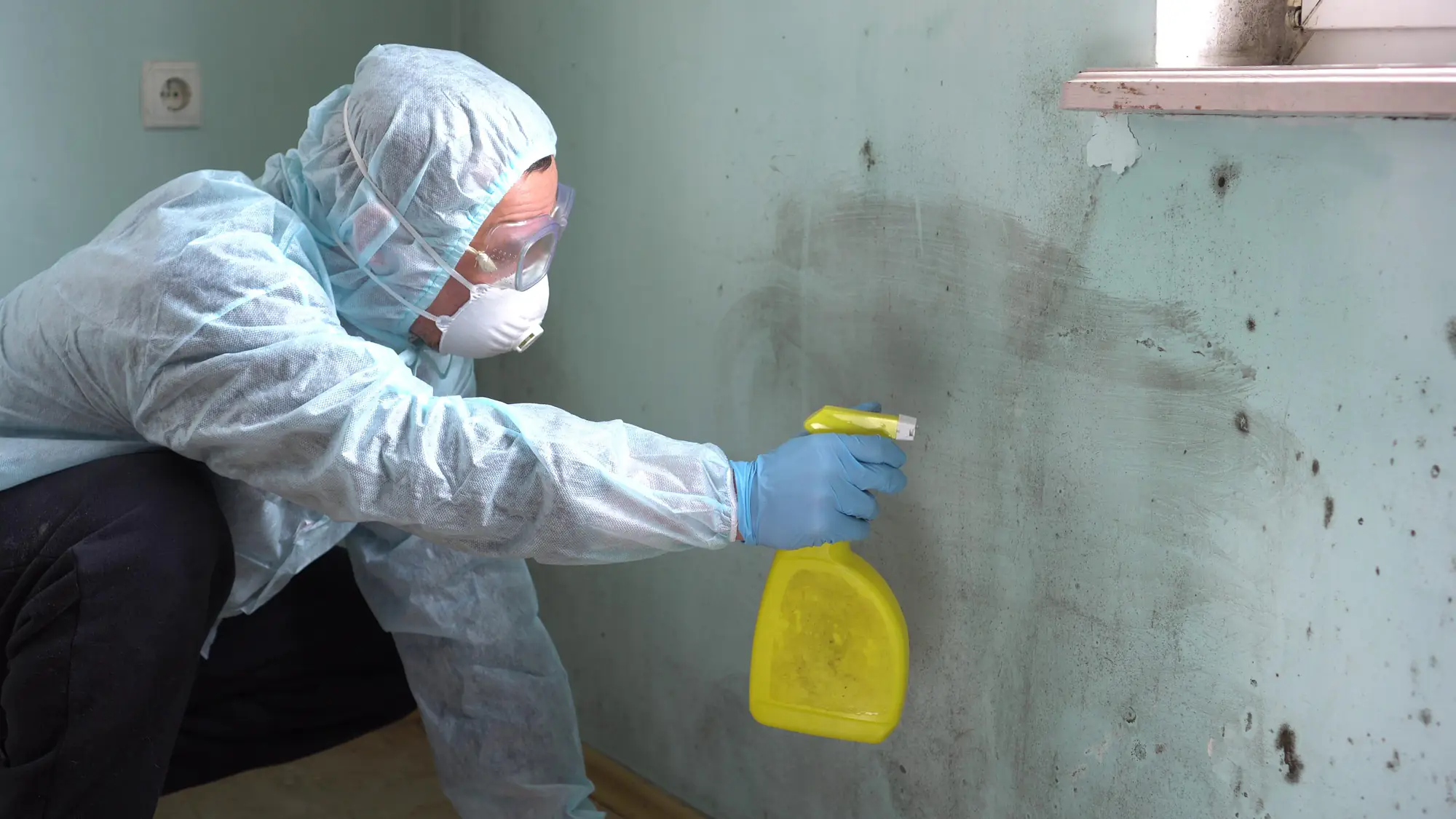
First, we inspect your property for free. We’re not just looking at the visible mold. We’re using moisture meters and thermal imaging to find hidden water damage and mold growth you don’t know about yet. This usually takes about an hour, depending on your home’s size.
Then we give you a clear estimate. No surprises. No upselling. Just an honest breakdown of what needs to happen and what it costs.
Once you approve, we set up containment to isolate the affected area. This keeps mold spores from spreading to clean parts of your home during removal. We use HEPA filtration and negative air pressure—the same approach used in commercial buildings and hospitals.
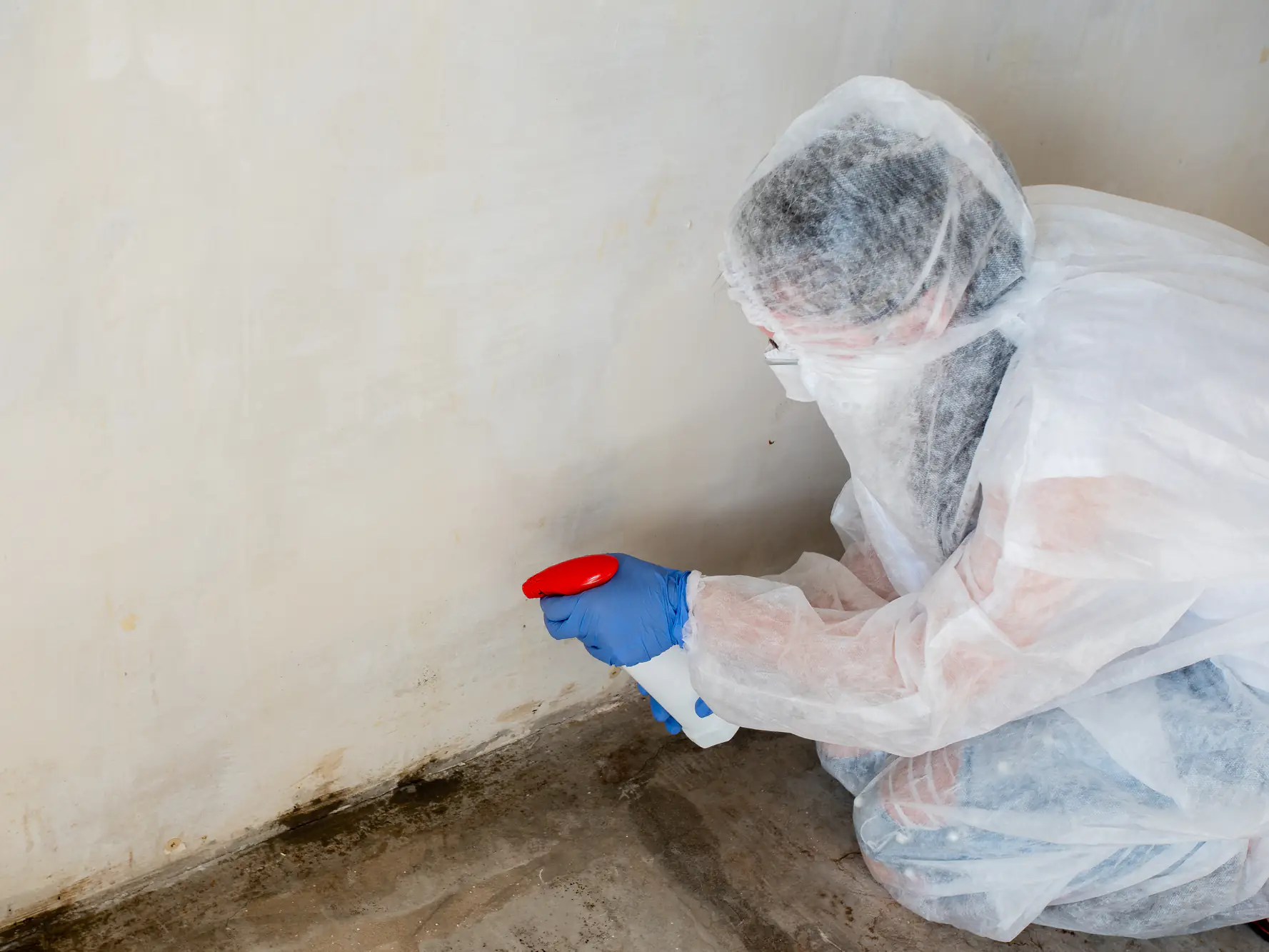
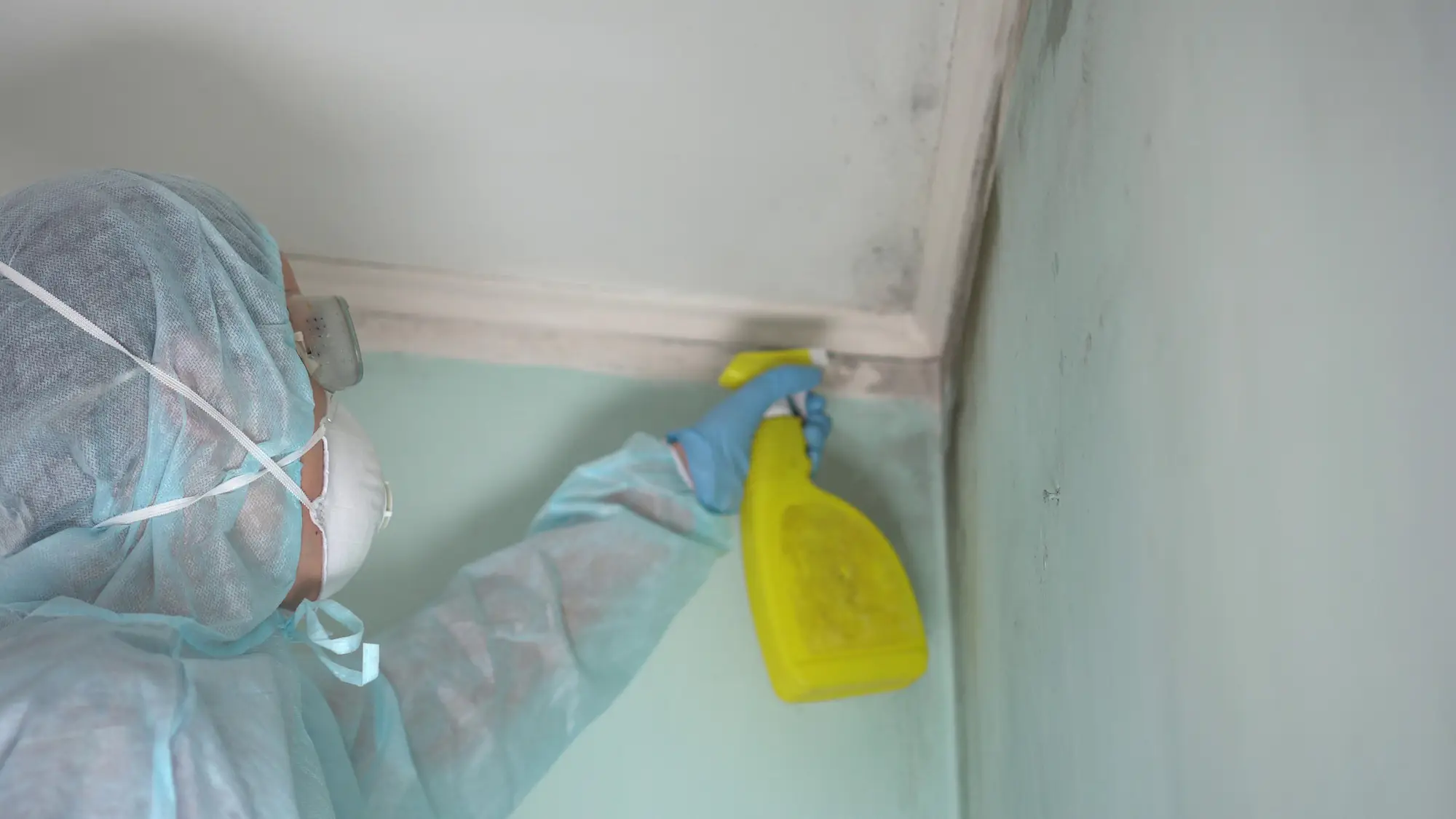
Next comes removal. We don’t just wipe down surfaces. We remove contaminated materials that can’t be salvaged, treat surfaces that can, and apply antimicrobial solutions to prevent regrowth. If there’s a moisture issue—leaky pipe, poor drainage, ventilation problem—we identify it so you can get it fixed.
After remediation, we test the air quality to confirm mold levels are back to normal. You get documentation of the work and the results. If you’re dealing with insurance, we provide everything they need.
Ready to get started?
Every mold removal job starts with a full inspection. That means checking your basement, crawl space, attic, bathrooms, and any area where water or humidity could be an issue. We’re looking for active mold growth, water stains, condensation, and moisture levels that create risk even if mold isn’t visible yet.
In Casey Village, we see a lot of basement mold. Older homes here weren’t built with modern waterproofing, and groundwater finds its way in through foundation cracks or poor grading. We also see attic mold from ventilation issues—warm, moist air rising from your living space and condensing on cold roof decking in winter.
Our process includes containment setup, HEPA air filtration, removal of contaminated materials, antimicrobial treatment, and post-remediation air quality testing. If you’ve got black mold—technically called Stachybotrys—we handle it the same way as any other mold, but with extra attention to containment since it’s often found in areas with serious water damage.
You also get help with documentation if you’re filing an insurance claim. We know what adjusters need to see, and we provide detailed photos, moisture readings, and lab results if testing is required. We’re not going to fight your insurance company for you, but we’ll give you everything you need to make your case.

If the moldy area is smaller than 10 square feet, contained to one spot, and you know exactly what caused it—like a small leak you’ve already fixed—you can probably handle it yourself with proper cleaning products and safety gear. That means an N95 mask, gloves, and good ventilation.
But if the mold covers more than that, if you’re seeing it in multiple areas, if you can smell it but can’t find it, or if it’s in your HVAC system, you need professional help. Here’s why: mold you can see is usually connected to mold you can’t. It grows inside walls, under flooring, and in cavities where moisture accumulates. Scrubbing the surface doesn’t solve the problem.
Also, if anyone in your home has asthma, allergies, or a compromised immune system, don’t mess around. Disturbing mold releases spores into the air, and improper removal can make your air quality worse. We have the containment systems and filtration equipment to remove it safely without contaminating the rest of your house.
And if you don’t know why the mold is there—if you can’t identify the moisture source—it’s going to come back. We find the cause, not just the symptom.
Mold removal sounds like you’re getting rid of every single spore, but that’s not realistic. Mold spores exist everywhere, indoors and out. They’re in the air right now. The goal isn’t to create a completely mold-free environment—it’s to bring mold levels back to normal and eliminate the conditions that let it grow out of control.
That’s what remediation means. It’s the process of removing mold growth, cleaning or disposing of contaminated materials, treating affected areas to prevent regrowth, and fixing the underlying moisture problem. It’s a complete solution, not just a cleaning job.
A lot of companies will spray some bleach, wipe things down, and call it done. That might make the mold disappear temporarily, but if the humidity is still too high or the leak is still there, it’ll be back in weeks. Remediation addresses the whole problem—what’s growing, why it’s growing, and how to stop it from growing again.
When we finish a job, we test the air to confirm that mold levels match what you’d find in a healthy home. You’re not just taking our word for it. You’re getting measurable proof that the problem is solved.
It depends on how much mold there is and where it’s growing. A small bathroom mold problem might take one or two days. A basement with widespread contamination could take a week or more.
Here’s the breakdown: Inspection and testing happen on day one, and that’s usually a few hours. If you approve the estimate, we can often start containment and removal within a day or two, depending on our schedule. The actual remediation—setting up containment, removing mold, treating surfaces, disposing of materials—takes anywhere from one to five days for most residential jobs.
After that, we let treated areas dry completely, which can add another day or two depending on humidity levels and airflow. Then we do post-remediation testing to confirm the air quality is back to normal. Lab results usually come back within 24 to 48 hours.
So for a typical job, you’re looking at about three to seven days from start to finish. Larger projects take longer, especially if there’s structural damage that needs repair after mold removal. We’ll give you a timeline upfront so you know what to expect, and we’ll keep you updated if anything changes.
Sometimes. It depends on what caused the mold and what your policy says. Most homeowners insurance will cover mold remediation if the mold resulted from a “covered peril”—like a burst pipe, a roof leak from storm damage, or water damage from a failed appliance.
What insurance usually won’t cover is mold that developed because of long-term neglect, poor maintenance, or ongoing moisture problems you didn’t address. If your basement has been damp for years and you never fixed the drainage issue, that’s probably not covered. If a pipe suddenly bursts and causes mold within a few weeks, that’s more likely to be covered.
The key is documentation and timing. Insurance companies want to see that you acted quickly once you discovered the problem. They also want proof of the damage—photos, moisture readings, lab tests if needed. That’s where we come in. We provide detailed reports and documentation that show what we found, what we did, and what the results were.
Before you file a claim, read your policy or talk to your agent. Some policies have mold coverage limits—like a $10,000 cap—so you’ll want to know what you’re working with. We’ll give you everything you need to submit a claim, but the final decision is between you and your insurer.
Don’t touch it. Don’t try to clean it with bleach or scrub it off. Disturbing mold releases spores into the air, and if you’re not containing the area properly, you’re just spreading the problem to other rooms.
First, if there’s an active water source—a leaking pipe, a roof drip, standing water—stop it if you can. Turn off the water supply, put a bucket under the leak, or call a plumber. Mold needs moisture to grow, so cutting off the water source is step one.
Next, increase ventilation in the area if it’s safe to do so. Open a window, turn on a fan, run a dehumidifier. This won’t fix the mold, but it can slow down growth while you’re waiting for a professional.
Then call us for an inspection. We’ll come out, assess the situation, and tell you exactly what’s going on. If it’s minor and you want to handle it yourself, we’ll be honest about that. If it’s something that needs professional remediation, we’ll explain why and give you a clear plan.
Don’t wait. Mold doesn’t get better on its own, and the longer it grows, the more damage it does—to your home and potentially to your health. In Casey Village’s climate, mold can spread fast once it takes hold, especially in basements and attics where airflow is limited.
Control moisture. That’s it. Mold can’t grow without water, so if you keep your home dry, you won’t have a mold problem.
Start with the basics: fix leaks as soon as you notice them. Check under sinks, around toilets, near water heaters, and anywhere plumbing runs through walls or floors. In older Casey Village homes, this also means keeping an eye on your roof and gutters. Water that doesn’t drain properly ends up in your basement or soaking into your foundation.
Keep humidity below 60%, ideally between 30% and 50%. You can monitor this with a cheap hygrometer from any hardware store. If your basement or bathroom stays humid, run a dehumidifier. Make sure your bathroom exhaust fans actually vent outside, not into your attic—we see that mistake a lot in older homes.
Ventilation matters too. Attics need proper airflow to prevent condensation. Crawl spaces should be sealed or ventilated depending on your home’s setup. If you’ve got a finished basement, make sure there’s airflow and that you’re not trapping moisture behind walls or under flooring.
After we finish a remediation job, we’ll point out any risk areas specific to your home. Maybe it’s a grading issue that’s directing water toward your foundation, or a bathroom that needs better ventilation, or a sump pump that’s not keeping up. Address those issues, and mold won’t come back.
Other Services we provide in Casey Village