

Hear from Our Customers
You stop worrying every time your kid coughs. You stop second-guessing that musty smell in the basement. You breathe easier—literally.
When mold is removed the right way, your indoor air quality improves within days. Allergy symptoms start to fade. That tightness in your chest when you wake up? Gone.
Your home stops losing value. Because here’s the reality: undetected mold can drop your property value by 20 to 37 percent. Buyers walk away the second they hear “mold history.” But when it’s handled correctly, with documentation and proper remediation, your home is protected.
You also stop throwing money at the same problem. If you’ve cleaned mold twice and it came back twice, you’re not dealing with surface mold. You’re dealing with a moisture issue that needs a real fix. That’s what professional mold removal actually solves—the source, not just the stain.
We’ve been serving Casey Village and the surrounding Bucks County area for years. We’ve seen what happens in homes built between 1940 and 1999—the age range that makes up most of this area. Older construction, settled foundations, humid Pennsylvania summers, and basements that weren’t built with modern moisture barriers.
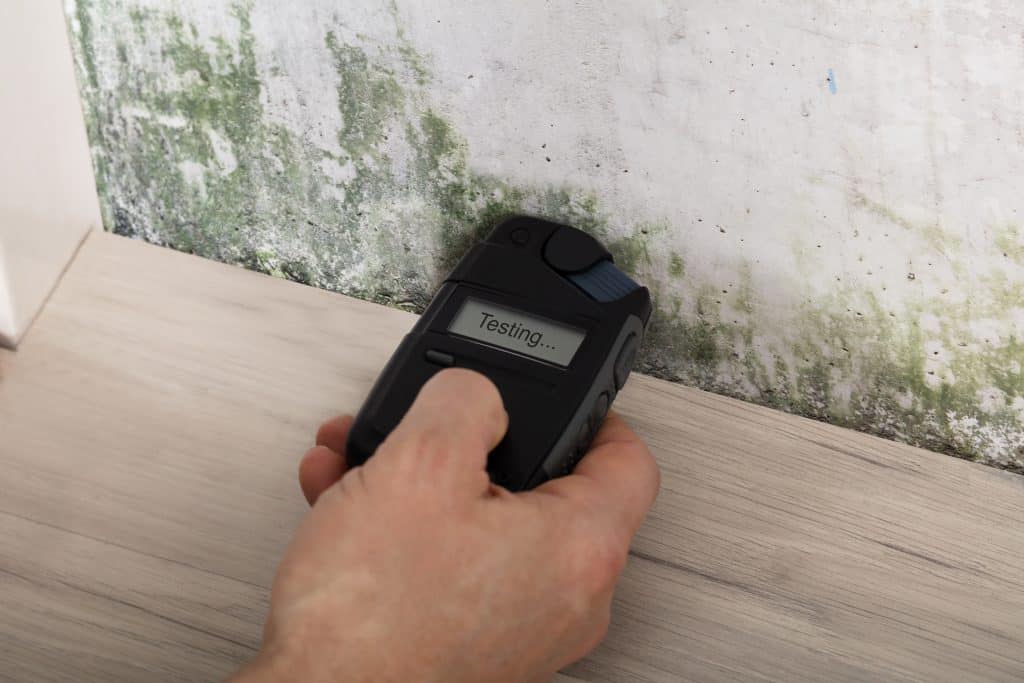
We’re IICRC-certified, which means our team follows the same standards used nationwide by restoration professionals. We use EPA-compliant methods, thermal imaging, moisture meters, and lab-tested air samples to find mold you can’t see and remove it safely.
You’re not getting a one-size-fits-all approach. You’re getting a local mold removal company that knows exactly where to look in a Casey Village home—and how to fix it for good.

First, we come out for a free inspection. No pressure, no upselling. We walk your property, check the usual suspects—basements, crawl spaces, around windows, behind appliances—and use moisture meters and infrared cameras to find hidden problem areas.
If we find mold, we take air samples and send them to a certified lab. You’ll get a report that tells you what type of mold you’re dealing with, how much of it there is, and whether it’s a health risk. Not a guess. Actual data.
Then we give you a clear, upfront estimate. If your insurance covers it, we’ll work directly with them to handle the paperwork and claims process.
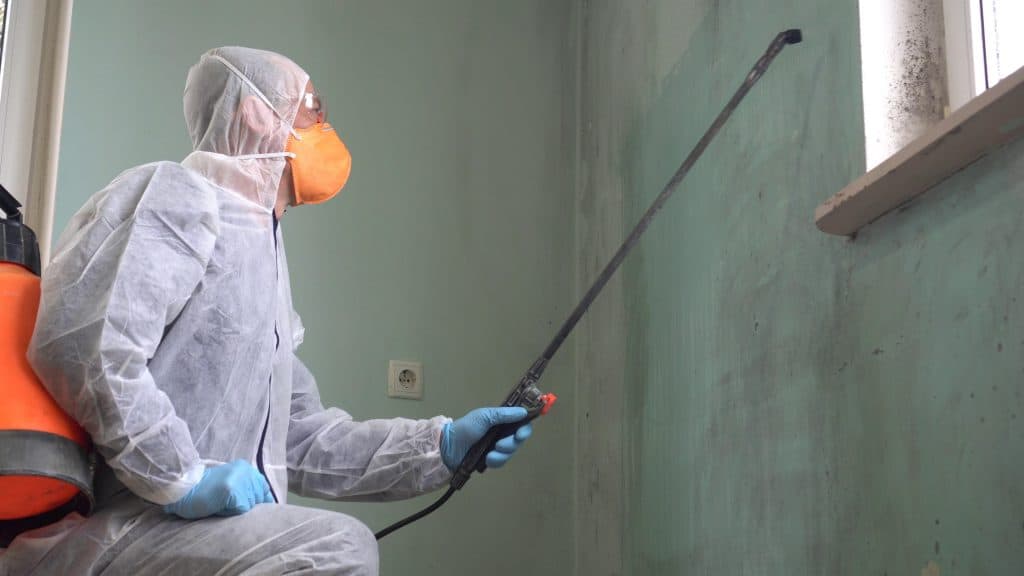
Once you approve, we contain the area to prevent mold spores from spreading during removal. We remove contaminated materials, treat affected surfaces with EPA-approved solutions, and dry everything out using industrial dehumidifiers and air scrubbers. Then we test again to confirm the mold is gone.
If there’s damage—drywall, flooring, framing—we handle the rebuild too. You’re not juggling multiple contractors. One team, start to finish.
Ready to get started?
Every job starts with a thorough visual inspection and moisture mapping. We’re looking for active leaks, condensation, humidity levels above 60 percent, and any signs of water damage. In Casey Village, that often means checking basements and crawl spaces first—this area’s housing stock and climate make those the most vulnerable spots.
You’ll get lab analysis from a certified third party. We don’t just eyeball it and call it black mold. We test it, identify the species, measure the concentration, and determine the risk level. You’ll have documentation you can show to buyers, insurers, or your own doctor if needed.
Our mold cleaning services include containment setup, HEPA filtration, antimicrobial treatment, and complete removal of affected materials. If it’s porous and contaminated—drywall, insulation, carpet—it gets removed. If it’s non-porous, we clean and treat it.
We also fix the moisture problem. That might mean sealing a foundation crack, rerouting a downspout, installing a vapor barrier, or upgrading your dehumidifier. If we don’t solve the “why,” the mold comes back. We’re not interested in that.
You’ll get a final clearance test and a written report. If the air quality passes, you’re done. If it doesn’t, we keep working until it does.
Most mold removal projects in Casey Village run between $1,500 and $6,000, depending on the size of the affected area and how much material needs to be removed. Small jobs—like a bathroom corner or under a sink—can cost less. Larger jobs involving multiple rooms, finished basements, or structural repairs can go higher.
We offer free inspections, so you’ll know what you’re dealing with before you spend a dime. After the inspection, we give you a detailed estimate that breaks down labor, materials, testing, and any reconstruction work. No surprises, no padding.
If your mold problem is related to a covered water damage event—like a burst pipe or roof leak—your homeowners insurance may cover part or all of the cost. We work with insurance companies regularly and can help you navigate the claims process. We also offer financing options if you need to spread out the payments.
Most residential mold removal jobs take between two and five days. That includes containment, removal, cleaning, drying, and final testing. Smaller areas might be done in a day or two. Larger projects—especially if there’s structural damage or multiple rooms involved—can take a week or more.
The timeline depends on how widespread the mold is, how much material we need to remove, and how long it takes to dry out the space. Drying is often the longest part. We’re not rushing it—if the moisture isn’t completely gone, the mold will come back.
You’ll usually be able to stay in your home during the work, as long as the affected area is properly contained. If the contamination is severe or involves your HVAC system, we might recommend staying elsewhere for a few days. We’ll let you know upfront if that’s the case.
If it’s a small surface area—less than 10 square feet, like a shower corner or windowsill—and it’s not black mold, you can usually handle it yourself with bleach or a mold cleaner. But if it keeps coming back, it’s bigger than a couple square feet, or you’re seeing it in multiple places, you need a mold specialist.
Here’s why: mold you can see is almost never the whole problem. It’s growing because there’s a moisture source feeding it. If you don’t find and fix that source, you’re just cleaning the same spot over and over. A professional uses moisture meters, thermal cameras, and air testing to find the hidden problem.
Also, disturbing mold releases spores into the air. If you’re scrubbing or tearing out materials without proper containment, you’re spreading it to other parts of your home. Professionals contain the work area, use HEPA filtration, and follow safety protocols to prevent cross-contamination. If you’ve got kids, elderly family members, or anyone with asthma or allergies in the house, that matters.
Pennsylvania doesn’t regulate mold contractors, which means anyone can claim they do mold removal. Hiring someone IICRC-certified ensures they actually know what they’re doing.
Mold needs three things: moisture, oxygen, and something organic to feed on. In Casey Village, moisture is the main issue. This area gets humid summers, and a lot of homes were built between 1940 and 1999—before modern moisture barriers and ventilation standards.
Basements are the biggest culprit. Older foundations settle and crack over time, letting groundwater seep in. Poor grading around the house, clogged gutters, and downspouts that dump water too close to the foundation all contribute. Add in a lack of dehumidification, and you’ve got the perfect environment for mold.
Bathrooms and kitchens are also common spots, especially if exhaust fans aren’t vented properly or if there’s a slow leak under the sink. Attics can develop mold if roof leaks go unnoticed or if there’s not enough ventilation to release moisture from the living space below.
HVAC systems can spread mold if there’s condensation in the ducts or if the drip pan isn’t draining. We see it a lot in homes with central air that runs heavily in the summer. If your system hasn’t been cleaned or inspected in a few years, that’s worth checking.
Not necessarily. The cost of mold removal depends more on the size of the affected area and the materials involved than the type of mold. Black mold—technically called Stachybotrys chartarum—does require careful handling because it can produce mycotoxins, but the process is the same as removing any other toxic mold.
What drives up the cost is how far the mold has spread and whether it’s gotten into porous materials like drywall, insulation, or subflooring. If we’re removing and replacing large sections of your basement or tearing out a bathroom, that’s more expensive than treating a small patch on a concrete wall.
Black mold removal does require stricter containment and disposal protocols, which can add to labor costs. But again, the bigger factor is scope. A 10-square-foot patch of black mold in a closet is cheaper to remove than 200 square feet of any mold species in a finished basement.
We test every job, so you’ll know exactly what you’re dealing with. If it’s black mold, we’ll handle it safely. If it’s another species, we’ll handle that safely too. Either way, you’ll get a clear estimate before we start.
Yes. We’re available 24/7 for emergency mold situations, especially if they’re tied to water damage. Mold can start growing within 48 hours of a flood, pipe burst, or roof leak, so time matters.
If you’ve just had a water event and you’re worried about mold, call us right away. We’ll get out there, assess the damage, start water extraction and drying, and set up containment if mold is already present. The faster we dry things out, the less likely mold will spread.
Even if the water damage happened weeks ago and you’re just now noticing mold, we treat that as urgent. Mold doesn’t get better on its own, and the longer it sits, the more it spreads and the more damage it does. We’ll prioritize your call and get someone out as quickly as possible.
Emergency services follow the same process—inspection, testing, containment, removal, and clearance—but we move faster and work around your schedule to minimize disruption and health risk.
Other Services we provide in Casey Village