
Hear from Our Customers
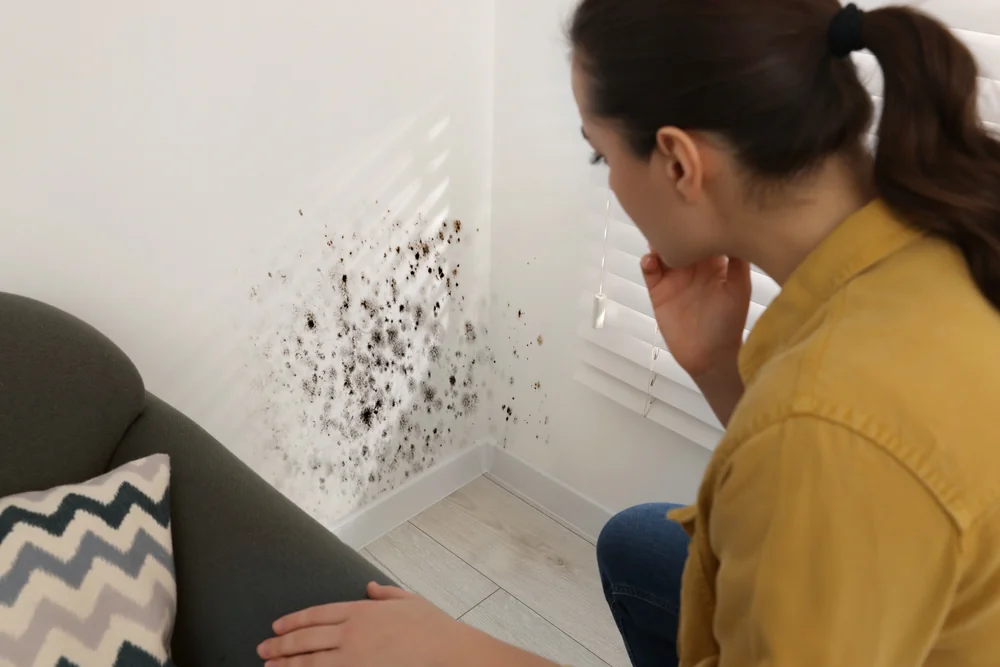
Your air could be five times more polluted than what’s outside. That’s not a scare tactic—it’s EPA data. And in Casey Village, where Bucks County’s humidity creates perfect conditions for mold growth in basements and crawl spaces, you can’t see most of what’s floating around.
A home air quality test gives you the full picture. Lab-certified results that identify specific mold species, concentration levels, and whether what you’re breathing poses actual health risks. Not a pass-fail guess. Real data.
Early detection matters because mold remediation costs between $3,000 and $20,000 when problems spread. Undetected contamination can drop your home’s value by 20-37%. Testing now saves you from both. It also explains the unexplained—chronic coughing, headaches, fatigue—symptoms that don’t make sense until you realize your indoor air is the problem.
We’ve been serving Bucks County homeowners who need straight answers about what’s in their air. We use thermal imaging cameras and digital moisture meters to detect problems in places you can’t easily access—behind walls, in HVAC systems, under flooring.
Every sample we collect goes to an independent third-party lab. That eliminates any incentive to exaggerate results or push unnecessary remediation. You get certified analysis that tells you exactly what species of mold are present, at what concentrations, and whether action is needed.
We know Casey Village homes. We know where moisture accumulates in this climate. We know the difference between surface mold and systemic contamination. That local expertise means we’re not wasting your time testing areas that don’t matter.
We start with a complete visual assessment of your property. That means checking basements, attics, crawl spaces, around windows—anywhere Bucks County’s humidity tends to cause problems. We’re looking for visible mold, water stains, condensation patterns, and structural issues that suggest hidden moisture.
Next, we take moisture readings throughout your home using calibrated meters. High moisture doesn’t always mean mold, but it tells us where to focus. Then we collect air samples from multiple locations, including outdoor air as a baseline for comparison. This shows whether your indoor air quality is actually worse than what’s outside.
Samples go to a certified laboratory for analysis. Results typically come back in 3-7 business days, depending on the tests performed. You’ll receive a detailed report identifying specific mold species, spore concentrations, and whether levels exceed safe thresholds. We walk through the findings with you and explain what they mean in plain language—no jargon, no upselling. If remediation is needed, we’ll tell you why and what it involves. If your air quality is fine, we’ll tell you that too.
Ready to get started?
Every residential air quality testing appointment includes a free initial inspection—no cost to get a professional assessment of your situation. We bring advanced detection equipment, including infrared cameras that reveal temperature variations indicating moisture problems and mold growth you can’t see with your eyes.
Air sampling compares your indoor environment to outdoor baselines. That’s critical because mold spores exist everywhere. The question is whether concentrations inside your home are elevated to dangerous levels. Lab analysis identifies the specific species present—some are relatively harmless, others produce mycotoxins that cause serious health effects.
Pennsylvania homes face specific risks. About 40% of homes in this state have radon levels above EPA action guidelines due to our geology. Radon is the second leading cause of lung cancer and completely undetectable without testing. We can include radon testing as part of your air quality assessment.
You also get documentation that’s useful for insurance claims and real estate transactions. Buyers want proof that a home’s air quality has been professionally verified. Sellers benefit from testing before listing—it removes uncertainty and can actually increase property value when results are good. If you’re dealing with health symptoms or planning renovations that will disturb walls and insulation, testing first tells you whether you’re about to release contaminants into your living space.
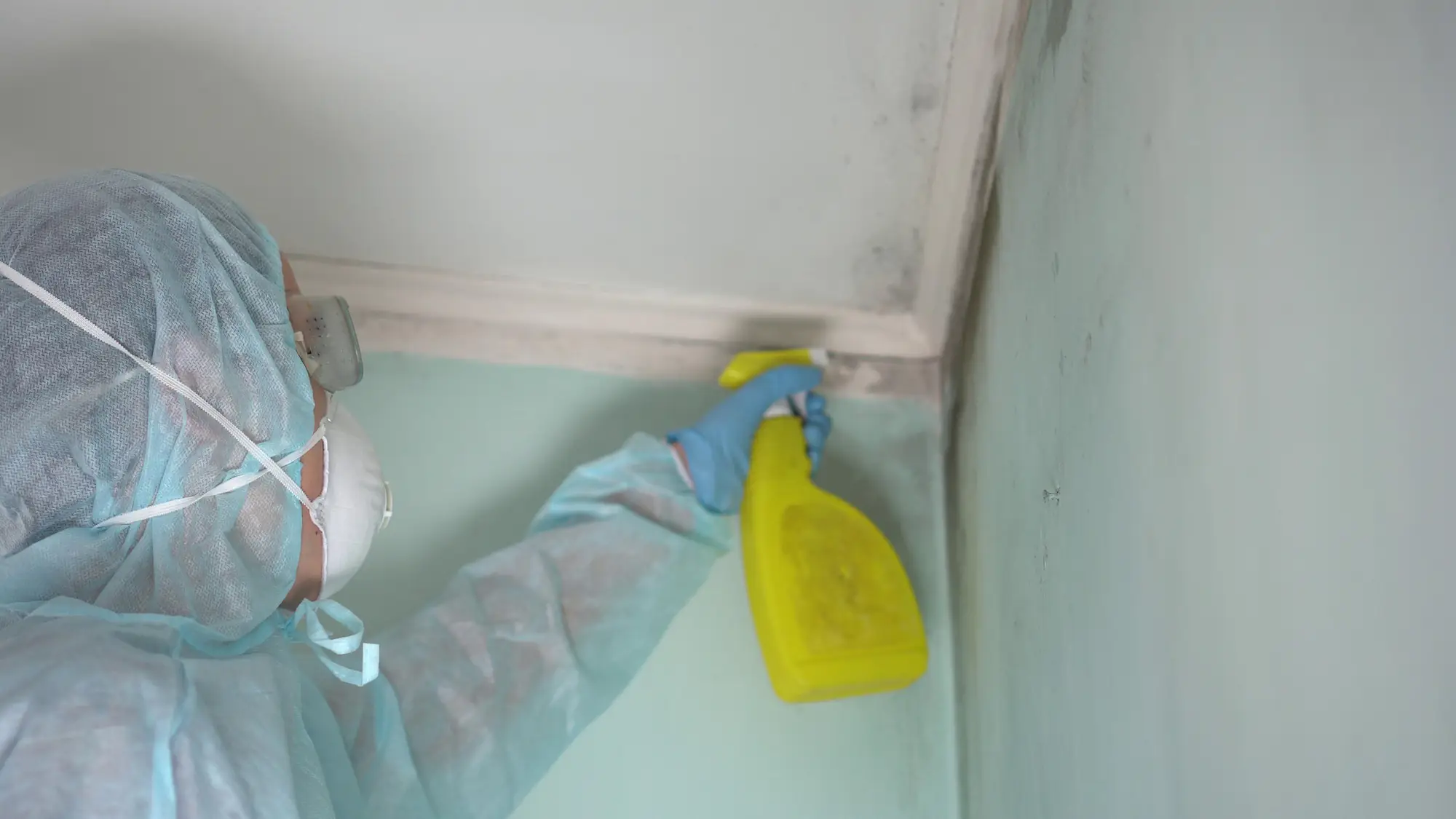
Most homeowners in Casey Village and Bucks County spend between $292 and $585 for a standard indoor air quality test, with the average around $438. That typically includes visual inspection, moisture readings, air sampling from multiple locations, and certified lab analysis.
Cost varies based on your home’s size and how many samples we collect. Larger homes or properties with multiple problem areas may need additional sampling points to get accurate results. If you want specialized testing—like radon detection or VOC analysis—that adds to the total.
We offer free initial inspections, so there’s no cost to have us assess your situation and give you an exact quote. That’s a better approach than guessing. Some companies charge $100+ just to show up, which makes no sense if you’re not even sure testing is necessary yet.
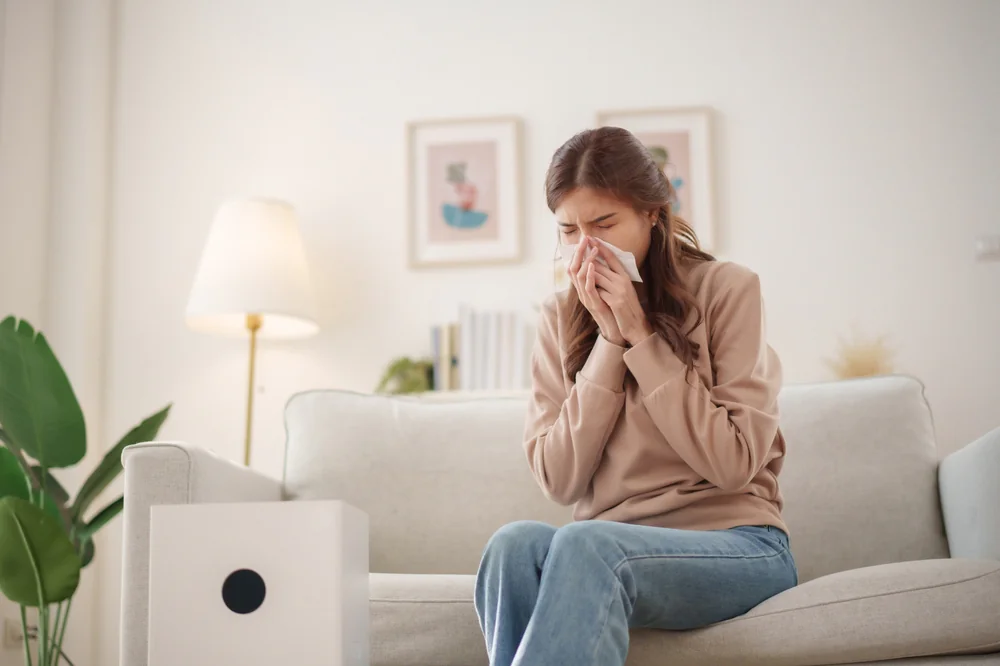
Chronic respiratory issues are the biggest red flag. If you or family members have persistent coughing, wheezing, stuffy nose, or sore throat that doesn’t respond to normal treatment, mold exposure could be the cause. People with asthma or mold allergies often have severe reactions even to low concentrations.
Other symptoms include headaches that seem worse at home, unexplained fatigue, burning or irritated eyes, and skin rashes that appear without obvious cause. Children and elderly family members are particularly vulnerable because their immune systems are either still developing or declining.
The tricky part is that these symptoms mimic other conditions. You might think it’s seasonal allergies or a persistent cold. But if symptoms improve when you leave the house and return when you come back, that’s a strong indicator your indoor air quality is the problem. A mold air test gives you definitive answers instead of guessing or treating symptoms that keep coming back.
Laboratory results typically take 3-7 business days from the time we collect samples. The exact timeframe depends on which tests we’re running and the lab’s current workload, but certified labs that handle residential testing usually prioritize quick turnaround.
We send samples to independent third-party laboratories, not in-house facilities. That takes slightly longer than companies that analyze their own samples, but it eliminates bias. You’re getting results from a lab that has no financial incentive to recommend remediation services.
Once results come back, we schedule a follow-up consultation to walk through the findings. You’ll receive a detailed report showing specific mold species identified, spore concentration levels, and how your indoor air compares to outdoor baseline samples. We explain what the data actually means for your health and property—not just hand you a report full of numbers that don’t make sense.
Air sampling detects mold spores that are circulating through your home, including spores released by hidden mold colonies behind walls, in HVAC systems, or under flooring. If mold is actively growing in a concealed area, it’s releasing spores into the air you’re breathing. Testing picks that up.
We also use thermal imaging cameras during inspections. These show temperature variations that indicate moisture accumulation and potential mold growth behind surfaces. Cold spots, warm spots, and unusual patterns often reveal problems that aren’t visible during a standard visual inspection.
That said, air testing has limits. If mold is contained in a completely sealed area with no air exchange, sampling won’t detect it. That’s rare, but it happens. In those cases, moisture readings and thermal imaging are more useful. We combine all three methods—visual assessment, moisture detection, and air sampling—to give you the most complete picture of what’s happening in your home.
Yes, especially in Bucks County where humidity and older housing stock create higher mold risk. About 24% of U.S. homes show signs of mold problems according to national surveys, and Pennsylvania’s climate puts us in the top 60% of states for mold susceptibility.
A standard home inspection doesn’t include air quality testing. Inspectors look for visible issues, but they’re not collecting samples or using advanced detection equipment. Mold can be growing in HVAC ducts, behind finished basements, or in crawl spaces the inspector barely glanced at.
Radon is another major concern. 40% of Pennsylvania homes have radon levels above EPA action guidelines. Radon causes lung cancer and is completely undetectable without testing. If you’re buying a home in Casey Village or anywhere in Bucks County, air quality testing gives you leverage during negotiations and protects you from inheriting expensive problems the seller didn’t disclose. It’s a small upfront cost compared to discovering contamination after closing.
First, you’ll get a clear explanation of what the results mean. Not all mold is dangerous, and concentration matters. The lab report will identify specific species and whether levels exceed safe thresholds for residential environments. Some molds are relatively harmless. Others produce mycotoxins that cause serious health effects.
If remediation is necessary, we’ll walk through what that involves—where the mold is likely growing, what’s causing the moisture problem, and how to fix both the contamination and the source. Mold remediation costs between $3,000 and $20,000 depending on how widespread the problem is, which is why early detection saves money.
We handle both testing and remediation, so there’s no need to bring in another company. But because our samples go to independent labs, you’re not getting biased results designed to sell you services. If your air quality is fine, we’ll tell you that. If remediation is needed, you’ll understand exactly why and what you’re paying for. Many homeowners also use test results to file insurance claims—we can help with that documentation.
Other Services we provide in Casey Village