
Hear from Our Customers
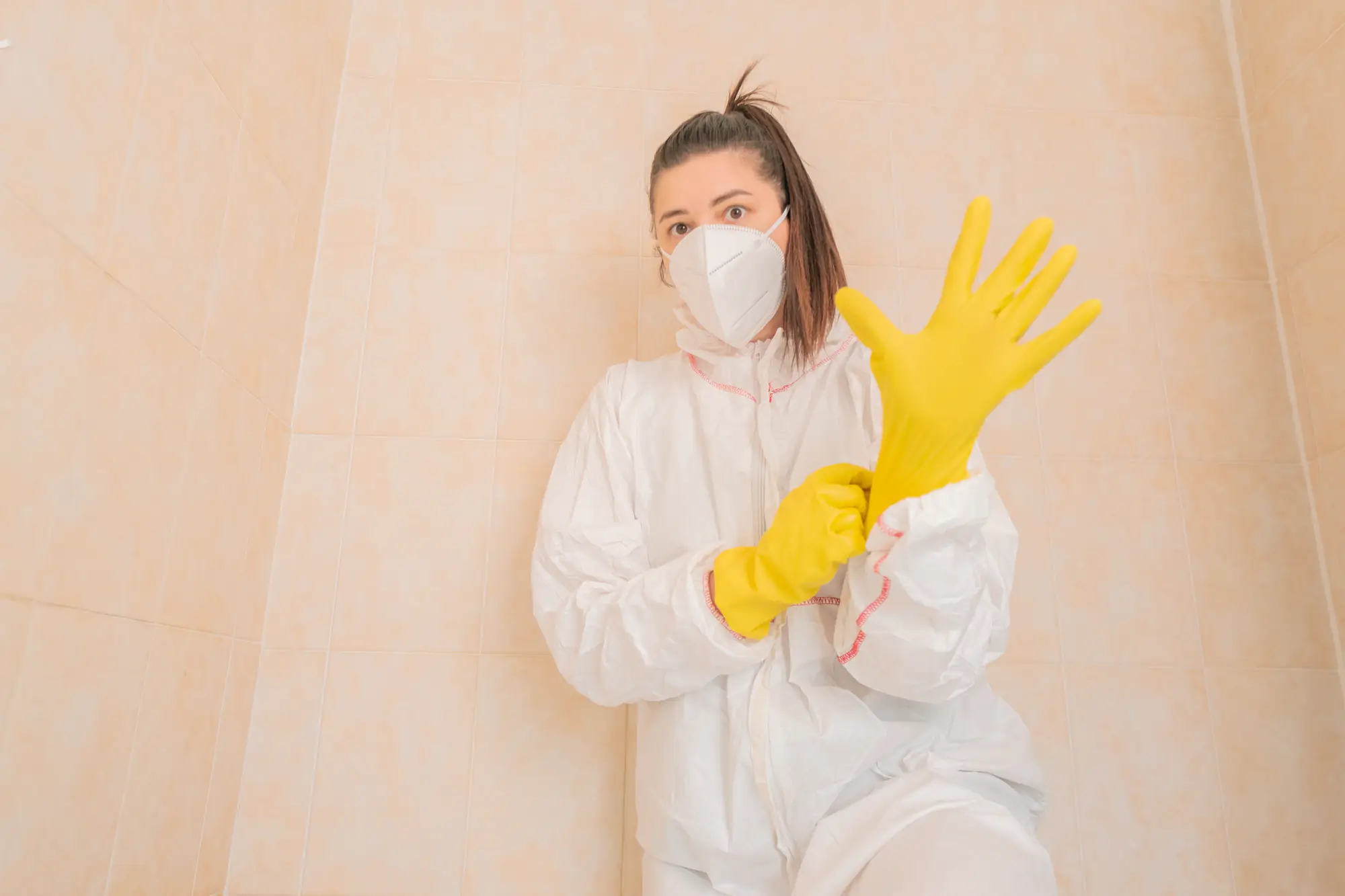
You stop worrying about what’s growing behind your walls. Your kids aren’t coughing at night. That musty smell in the basement finally disappears.
Real mold remediation means finding the source, eliminating it completely, and making sure it doesn’t come back. Not just spraying something and hoping for the best. In Wycombe, where February and October humidity levels hit 78%, moisture problems don’t fix themselves.
When mold is removed correctly, your indoor air quality improves immediately. Respiratory issues tied to mold exposure start clearing up. And if you ever decide to sell, you won’t be legally required to disclose a mold problem or drop your asking price because of contamination.
The difference between a band-aid and a real solution is whether the problem returns in six months. With proper remediation, it doesn’t.
Mack’s Mold Removal has been handling mold problems in Wycombe and Bucks County for 30 years. We’re not a call center routing you to the lowest bidder. We’re local mold removal specialists who know how Pennsylvania’s older homes and humid climate create the exact conditions mold thrives in.
Every technician is fully certified by MICRO, the most respected mold training organization in the country. We carry specific environmental insurance, not just general liability. And we follow every EPA and IICRC S520 guideline because there are no state regulations in Pennsylvania to protect you from companies that don’t know what they’re doing.
You’re not hiring the cheapest option. You’re hiring black mold experts who’ve seen what happens when remediation is done wrong, and who know how to do it right the first time.
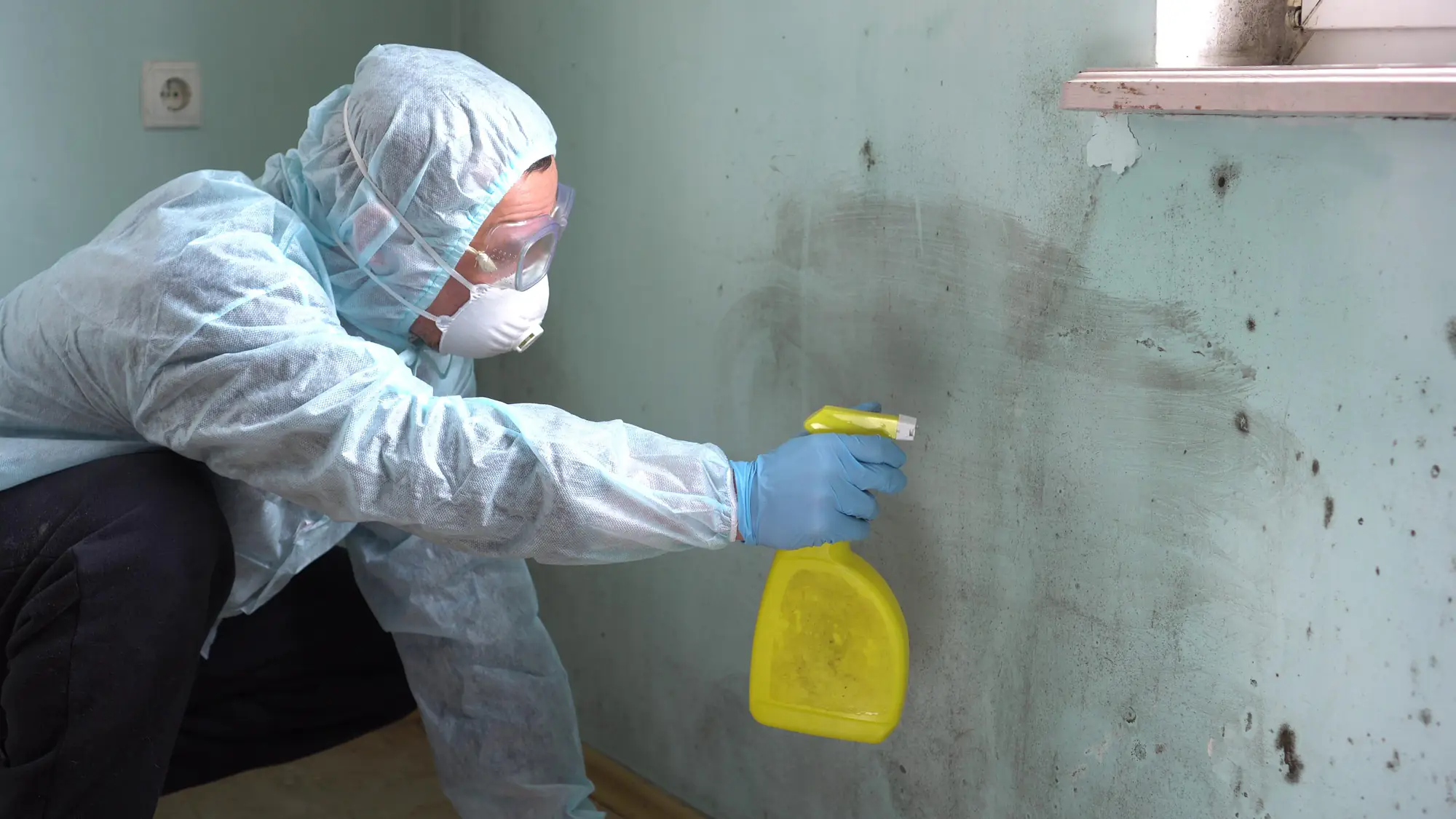
First, we come to your home for a free inspection. We’re looking for visible mold, but also checking places you can’t see: behind drywall, under sinks, in crawl spaces. We use moisture meters and thermal imaging to find hidden growth.
Once we know what we’re dealing with, we give you a written protocol. No surprises. You’ll know what type of mold is present, where it’s growing, and what’s causing the moisture problem in the first place.
During remediation, we contain the area to prevent spores from spreading to other parts of your home. We remove contaminated materials safely, then clean and treat affected surfaces with EPA-approved antimicrobial solutions. If drywall or insulation needs to go, it goes. We don’t try to save materials that can’t be saved.
After removal, we address the moisture source. That might mean fixing a leak, improving ventilation, or recommending drainage work. If we don’t eliminate what caused the mold, you’ll be calling someone again in a year.
Final step is verification. We make sure the mold is gone and your air quality is back to normal.
Ready to get started?
You get a certified mold inspection that identifies the full extent of contamination, not just what’s visible on your bathroom ceiling. In Wycombe’s older homes, mold often hides in places that haven’t been opened up in decades.
You get containment and removal that meets EPA standards. That means negative air pressure, HEPA filtration, and proper disposal of contaminated materials. It’s not just wiping things down with bleach.
You get documentation for insurance claims if you need it. A written report from certified mold removal specialists carries weight with adjusters in a way that a handyman’s estimate doesn’t.
And you get prevention advice specific to Pennsylvania’s climate. Wycombe sits in a humid zone where basements stay damp and attics trap moisture. We don’t just clean up the problem—we help you understand how to keep it from happening again. We’ll tell you if you need a dehumidifier, better ventilation, or gutter work, because all of those things matter in this area.
Same-day mold testing is available when you need answers fast.

If you can see mold growing on surfaces, smell a persistent musty odor, or you’ve had water damage in the last year, you need a professional inspection. DIY cleaning works for small surface spots on non-porous materials like tile. But if mold is on drywall, wood, insulation, or carpet, or if it covers more than a few square feet, you’re looking at a remediation job.
Here’s why: mold you can see is usually just part of the problem. Growth often extends behind walls or under flooring where moisture has been sitting unnoticed. Disturbing it without proper containment spreads spores throughout your home, making the problem worse.
Pennsylvania has no state regulations on mold, which means there’s nothing stopping unqualified companies from making your situation worse. A certified inspection tells you what you’re dealing with and whether the problem requires full remediation or just targeted cleaning. We offer free inspections in Wycombe so you’re not guessing.
Mold removal sounds like you’re getting rid of every single spore, which isn’t realistic or necessary. Mold spores exist everywhere. Mold remediation means bringing spore levels back to normal and eliminating active growth so it’s no longer a health risk or structural problem.
Remediation involves identifying the moisture source, containing the affected area, removing contaminated materials, cleaning surfaces with antimicrobial treatments, and fixing whatever caused the problem. Removal by itself just means scrubbing visible mold, which does nothing if the moisture issue isn’t addressed.
In Wycombe, where humidity levels stay high most of the year, moisture control is half the battle. If your basement stays damp or your attic doesn’t ventilate properly, mold will return no matter how many times someone scrubs it off. Real remediation solves the root cause, not just the symptom. That’s the difference between a mold removal specialist and someone with a spray bottle.
Most residential mold remediation projects in Wycombe take between one and five days, depending on the size of the affected area and how much material needs to be removed. A small bathroom with surface mold might be done in a day. A finished basement with contaminated drywall and insulation could take a week.
The timeline depends on a few factors: how far the mold has spread, whether we’re removing structural materials, and how long it takes to dry out the space after cleaning. We can’t rush the drying process or you’ll end up with the same problem again.
During remediation, the affected area is usually off-limits, but the rest of your home stays livable. We use containment barriers and negative air pressure to keep spores from spreading. You’ll know the timeline upfront in the written protocol we provide after inspection, so there are no surprises. If you’re dealing with a situation where you need to move fast, same-day testing is available to get the process started immediately.
It depends on what caused the mold. If it resulted from a sudden, accidental event like a burst pipe or storm damage, most homeowners policies in Pennsylvania will cover remediation. If it’s from long-term neglect, a slow leak you didn’t fix, or chronic humidity issues, probably not.
Insurance companies want to see documentation. That means a professional inspection report, photos, moisture readings, and a detailed scope of work from certified mold experts. A handwritten estimate from an unlicensed contractor won’t hold up. We provide the documentation you need to file a claim properly.
One thing to know: Pennsylvania law requires you to disclose mold problems when selling your home. If you skip remediation and try to sell anyway, you’re looking at legal liability. A jury in Tobyhanna awarded a tenant $150,000 in damages after mold triggered a bronchial infection. That’s not a risk worth taking. Even if insurance doesn’t cover it, professional remediation protects your home’s value and keeps you out of legal trouble down the road.
If it’s a tiny spot on a non-porous surface like tile and you catch it early, sure. Spray it with a mold-killing solution, scrub it off, and make sure the area dries completely. But if mold is on drywall, wood, carpet, or insulation, or if it covers more than about ten square feet, DIY is a bad idea.
Here’s what happens when untrained people try to remove mold: they disturb it without containment, sending thousands of spores airborne. Those spores land in other parts of the house and start new colonies wherever there’s moisture. You’ve just turned a localized problem into a whole-house problem.
Mold remediation isn’t just about scrubbing. It’s about containment, proper removal of contaminated materials, HEPA filtration, antimicrobial treatment, and eliminating the moisture source. Improperly trained companies that skip these steps make things worse, and homeowners who try it themselves usually end up calling a professional anyway after realizing how fast it spreads. In Wycombe’s humid climate, mold doesn’t stay small for long. Professional remediation will cost you upfront, but it’s cheaper than doing it twice.
Control moisture. That’s it. Mold needs water to grow. If you eliminate the moisture source and keep humidity levels below 60%, mold can’t survive.
In Wycombe, that means a few specific things. First, fix any leaks immediately. Roof leaks, plumbing leaks, foundation cracks, anything that lets water in. Second, improve ventilation in areas that trap moisture like bathrooms, kitchens, and attics. Run exhaust fans during showers and while cooking. Third, use a dehumidifier in your basement, especially during February and October when humidity peaks.
Check your gutters and downspouts. If water pools around your foundation, it’s seeping into your basement or crawl space. Extend downspouts away from the house and make sure grading slopes away from the foundation. Inside, don’t let wet towels or clothes sit around. Dry them promptly.
After remediation, we’ll walk you through the specific moisture issues in your home and what you need to address. Some homes need better insulation to prevent condensation. Others need sump pumps or vapor barriers. Every situation is different, but the principle is the same: no moisture, no mold.
Other Services we provide in Wycombe