
Hear from Our Customers
You stop wondering what’s growing behind your walls. The musty smell disappears. Your family breathes easier—fewer headaches, less coughing, no more waking up congested.
Mold remediation isn’t just about scrubbing visible spots. It’s about finding what caused the problem in the first place and fixing it so you’re not dealing with this again in six months.
We use moisture meters and infrared cameras to locate hidden mold in your basement, behind drywall, under flooring, and inside HVAC systems. Then we remove it completely, treat the area, test your air quality, and address the moisture source. You get documentation for insurance, a home that’s safe again, and the confidence that the job was done right.
Parkland’s humid summers and damp winters create perfect conditions for mold growth. Homes built in the 80s and 90s are especially vulnerable. If you’ve noticed black mold under your sink, along basement walls, or in your attic, waiting only makes it worse.
We’ve spent years helping Bucks County families deal with mold issues that other companies either miss or make worse. We’re not a national franchise following a script—we’re local mold removal specialists who understand how Parkland’s climate affects your home.
We’ve worked in hundreds of basements, crawl spaces, and attics across this area. We know which neighborhoods have drainage issues, which home styles trap moisture, and how to handle insurance claims so you’re not stuck paying out of pocket for something that should be covered.
You’re not getting a salesperson. You’re getting a licensed mold inspector who shows up, tells you exactly what’s happening, and explains your options without the runaround.
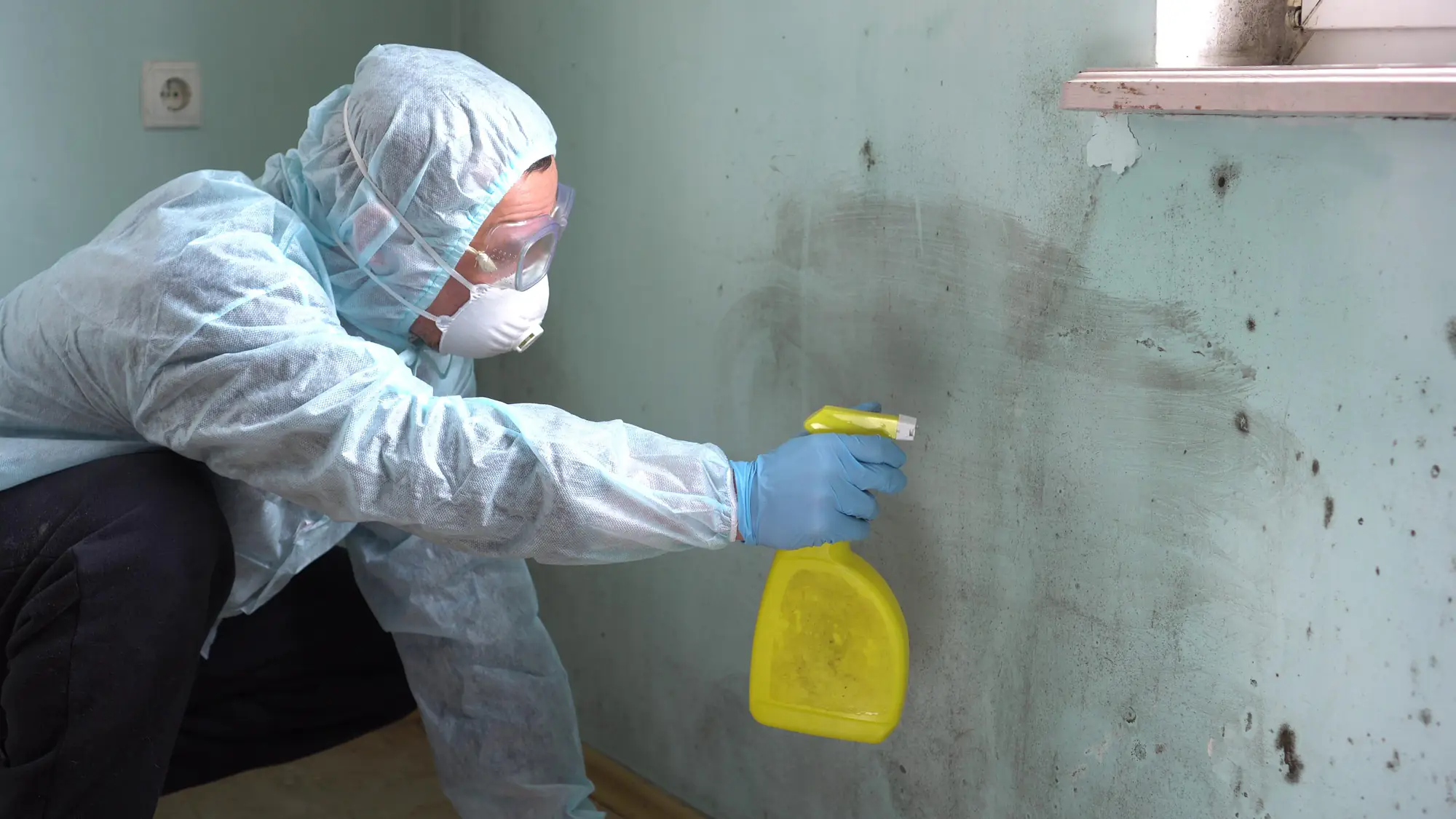
First, we inspect your property for free. We’re looking for visible mold, hidden moisture, and the source of the problem—not just the symptoms. We use thermal imaging and moisture detection tools to check areas you can’t see.
Once we know what we’re dealing with, you get a detailed estimate. No surprises. If insurance is involved, we document everything they’ll need and work directly with your adjuster.
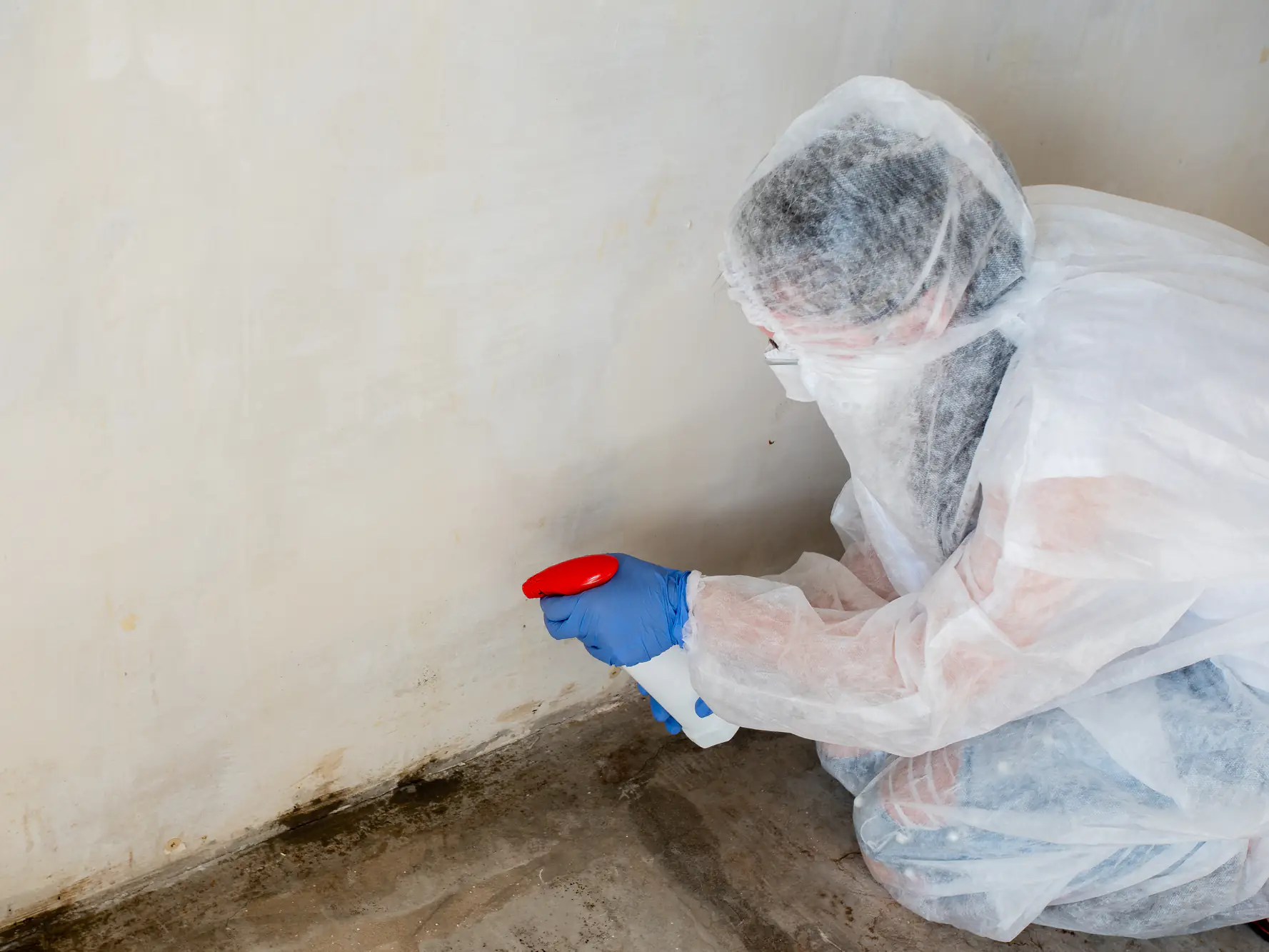
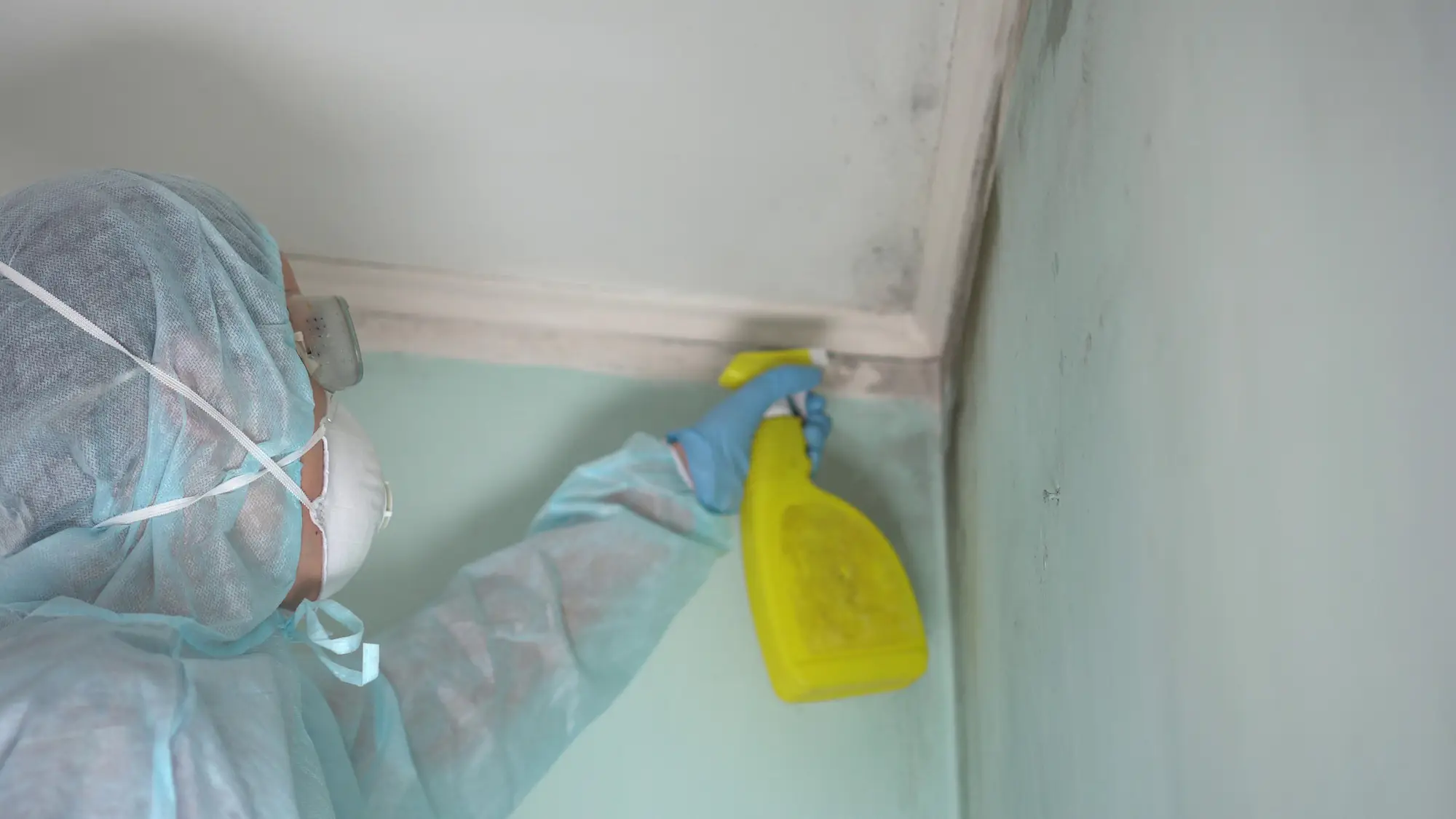
During removal, we contain the affected area to prevent spores from spreading to clean parts of your home. We remove contaminated materials, treat surfaces with EPA-approved solutions, and use HEPA filtration to clean the air. This isn’t a DIY bleach-and-pray situation—disturbing mold without proper containment makes things worse.
After removal, we fix the moisture problem. That might mean improving ventilation, sealing foundation cracks, or addressing drainage issues. Then we test your air quality to confirm the mold is actually gone. You get a full report with photos, moisture readings, and proof that your home is safe again.
The whole process usually takes a few days depending on severity. You’ll know the timeline upfront.
Ready to get started?
You get a thorough inspection using advanced detection technology—not just a visual once-over. We find mold hiding in wall cavities, under flooring, in HVAC ducts, and anywhere moisture has been sitting.
Removal includes proper containment, protective equipment, safe disposal of contaminated materials, and treatment of affected surfaces. We’re following Pennsylvania regulations and EPA guidelines, not cutting corners to finish faster.
We address the root cause. If your basement floods every spring, if your bathroom fan isn’t venting properly, if your crawl space has standing water—we identify it and give you a plan to fix it. Otherwise you’re just paying to remove mold that’ll grow back.
Parkland homes face specific challenges. Bucks County’s humidity levels stay high enough that basements and poorly ventilated bathrooms become mold factories. Homes in certain neighborhoods deal with drainage problems that funnel water toward foundations. We’ve handled these exact issues dozens of times and know what actually works here.
You also get help with insurance paperwork. Most policies cover mold removal when it’s related to a covered water damage event like burst pipes or storm damage. We provide the documentation your insurance company needs and communicate directly with adjusters to streamline your claim.

Most homeowners in Parkland pay between $1,100 and $3,200 for professional mold remediation. Small bathroom mold problems might cost less. Extensive contamination requiring structural repairs can reach $15,000 or more.
Cost depends on the size of the affected area, how deep the mold has spread, and what caused it. A small patch of surface mold is straightforward. Mold that’s been growing inside walls for months requires more extensive work—removing drywall, treating framing, replacing insulation.
Your insurance may cover it if the mold resulted from a covered event like a burst pipe or storm damage. We provide detailed documentation and work with your insurance company to help maximize coverage. You get an upfront estimate before any work starts, so there’s no confusion about what you’re paying for.
Small surface mold on non-porous surfaces—less than 10 square feet—can sometimes be cleaned yourself if you use proper protection. Anything larger, anything inside walls or HVAC systems, or any situation where you’re not sure of the extent requires professional mold removal.
Here’s why: disturbing mold releases thousands of spores into your air. Without proper containment and protective equipment, you’re exposing yourself to health risks and spreading the problem to other areas of your home. Black mold produces mycotoxins that cause respiratory issues, headaches, and allergic reactions.
Professional mold remediation includes containment barriers, negative air pressure systems, HEPA filtration, and proper disposal methods. We also identify the moisture source causing the mold. If you don’t fix that, you’re just cleaning mold that’ll grow back within weeks. Most DIY attempts fail because people treat the symptom without addressing the cause.
A typical mold removal job in Parkland takes 2-5 days depending on the size and severity. Small bathroom mold might be handled in a day or two. Whole-house remediation with structural repairs takes longer.
The timeline includes inspection, containment setup, removal, treatment, drying, air quality testing, and addressing the moisture source. We don’t rush through steps just to finish faster—each phase matters for making sure the mold doesn’t come back.
You can usually stay in your home during remediation if the affected area is contained properly. We seal off the work zone with plastic barriers and use negative air pressure to prevent spores from spreading to clean areas. If the contamination is severe or affects your HVAC system, we might recommend staying elsewhere for a few days. You’ll know the plan before work starts.
Moisture. Mold needs water to grow, and Parkland’s humid climate provides plenty of it. Bucks County’s warm, humid summers combined with damp winters create year-round conditions where mold thrives—especially in basements, bathrooms, attics, and crawl spaces with poor ventilation.
Common causes include basement flooding, leaking pipes, roof leaks, condensation on cold surfaces, poor ventilation in bathrooms, and drainage problems that direct water toward your foundation. Homes built in the 80s and 90s often have construction vulnerabilities that trap moisture inside wall cavities.
Mold can start growing within 24-48 hours when humidity levels stay above 60%. If you’ve had any water damage—even something minor like a slow leak under your sink—there’s a good chance mold is growing somewhere you can’t see. That’s why we use moisture meters and thermal imaging during inspections. Finding and fixing the moisture source is the only way to stop mold from coming back after removal.
Many insurance policies cover mold removal when it’s related to a covered water damage event—like burst pipes, appliance leaks, or storm damage. If mold resulted from a sudden, accidental incident that’s covered under your policy, you’ll likely get at least partial coverage.
Insurance typically won’t cover mold that developed from long-term neglect, lack of maintenance, or gradual issues like ongoing humidity problems. The key is documentation. You need to show when the water damage occurred, how the mold developed as a result, and what steps you took to address it promptly.
We’ve helped hundreds of Parkland families navigate mold-related insurance claims. We provide detailed reports with photos, moisture readings, and explanations that insurance adjusters need to process your claim. We communicate directly with your insurance company to streamline the process. Even if your policy has mold coverage limits—many cap it at $10,000—proper documentation helps you get the maximum amount available.
Mold exposure causes respiratory issues, allergic reactions, asthma attacks, headaches, fatigue, and skin irritation. People with existing respiratory conditions, allergies, weakened immune systems, or young children and elderly family members are especially vulnerable.
If anyone in your home is coughing more at home than elsewhere, experiencing persistent headaches, dealing with unexplained allergy symptoms, or having more frequent asthma attacks, mold could be the cause. You might also notice a musty smell, visible mold growth, or water stains on walls and ceilings.
Pennsylvania has one of the highest childhood asthma rates in the country at 13.9%—nearly double the national average. Research shows that 21% of asthma cases in the U.S. could be linked to dampness and mold, and the risk of asthma doubles in homes with mold. Nearly half of residential buildings show visible mold or detectable mold odor. If you suspect mold in your Parkland home, get a professional inspection. The longer you wait, the worse the health effects become and the more expensive remediation gets.
Other Services we provide in Parkland