
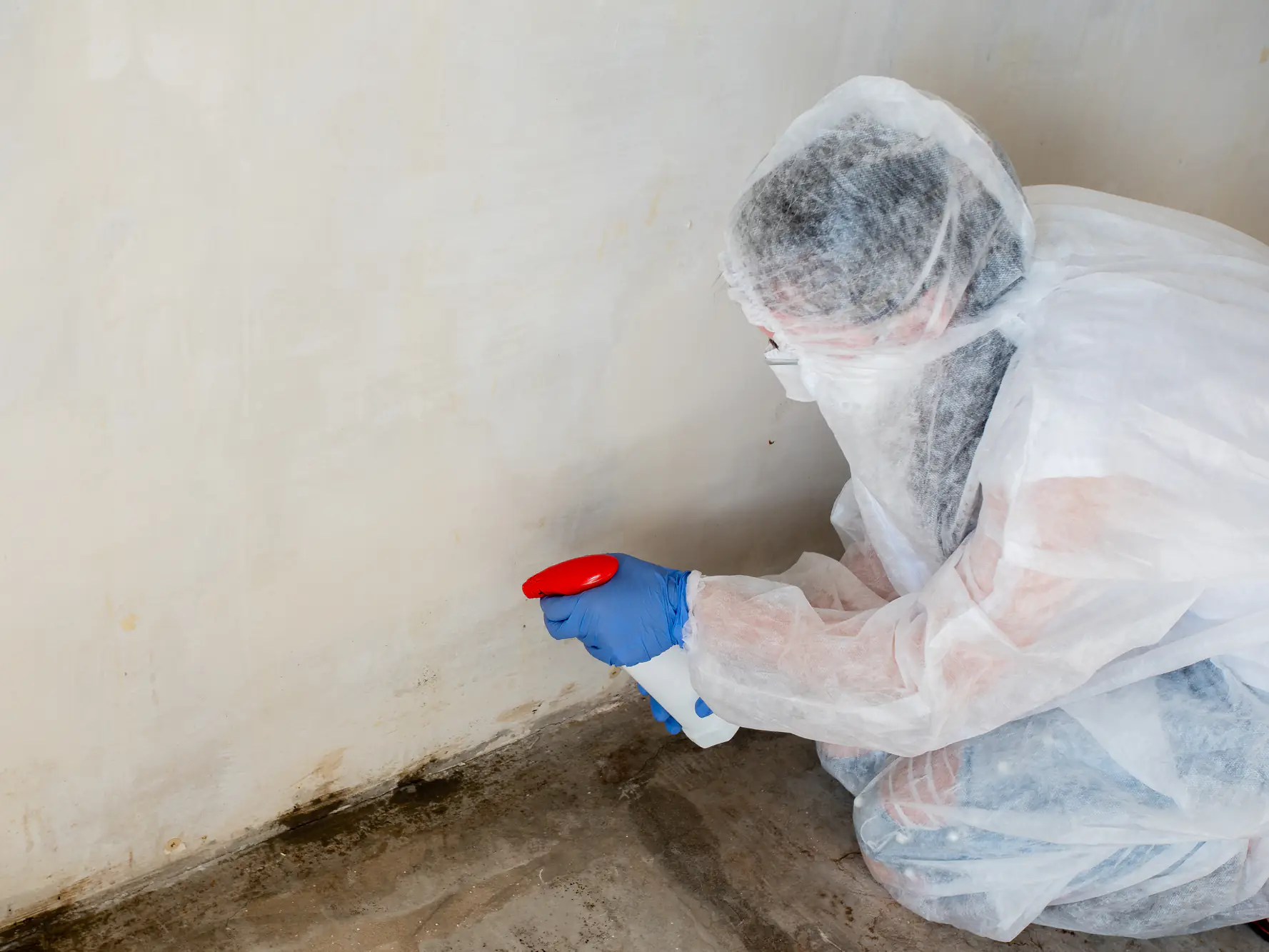
Hear from Our Customers
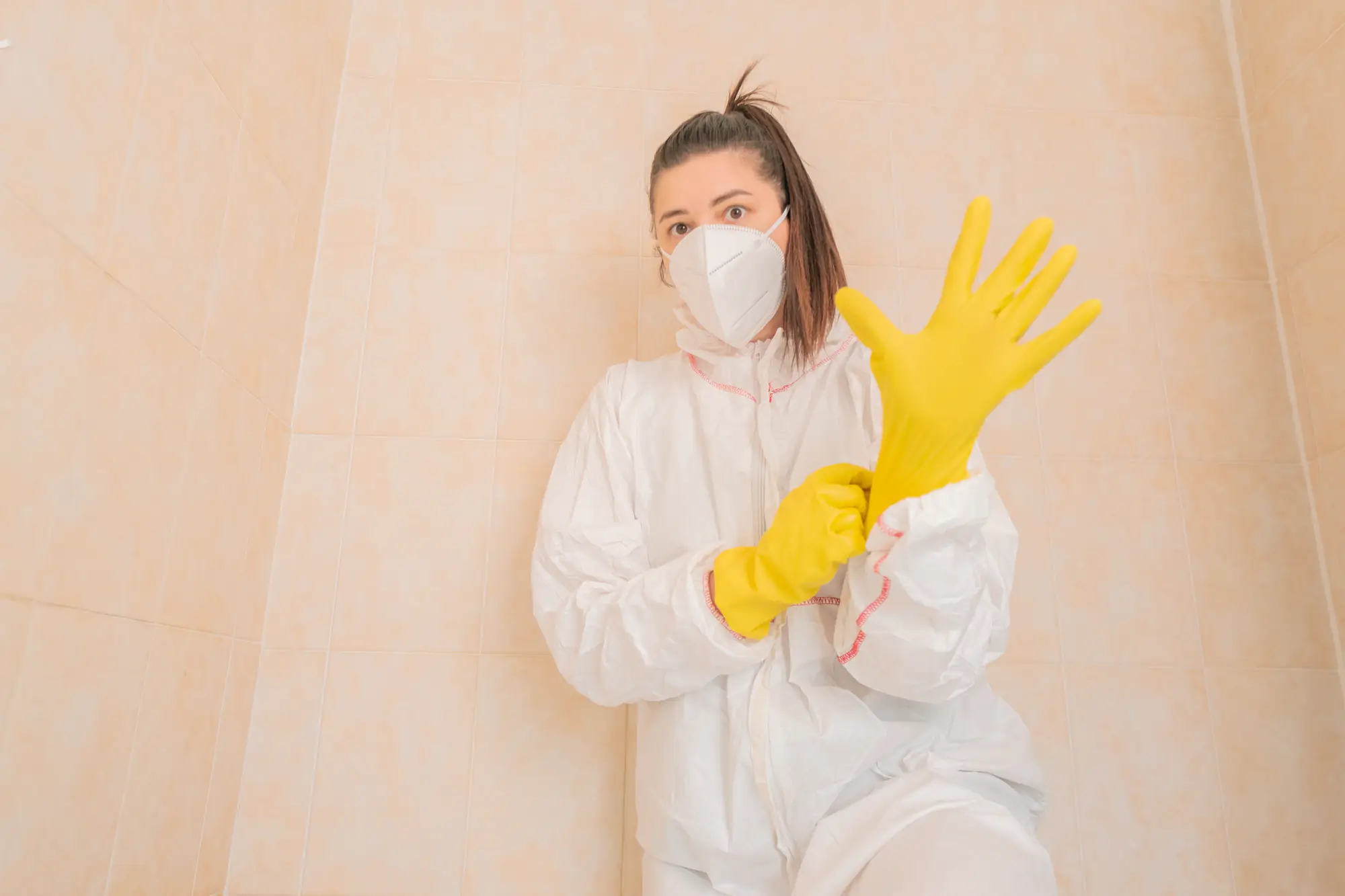
You shouldn’t have to guess whether that smell is dangerous or if those dark spots are spreading. A proper mold inspection tells you exactly what you’re dealing with—no more late-night searches trying to self-diagnose.
Once the mold is gone, you’re not just removing stains. You’re eliminating the source of respiratory issues, stopping structural damage before it gets expensive, and protecting your family from toxins that build up over time.
The difference is immediate. Cleaner air. No musty odors. And the confidence that what you can’t see isn’t quietly making your home unsafe. That’s what happens when mold removal is done right the first time.
Mack’s Mold Removal is locally owned and focused on Bucks County properties. We understand what older homes in this area face—especially in Bridge Point, where much of the housing stock was built before World War II.
Older construction means more vulnerability. Basements that flood during heavy rain, crawl spaces with poor ventilation, and plumbing that’s seen better days. These aren’t just inconveniences—they’re mold invitations.
We’ve worked in enough Bridge Point homes to know where mold hides and why it keeps coming back. That local knowledge matters when you’re trying to solve a problem for good, not just cover it up.
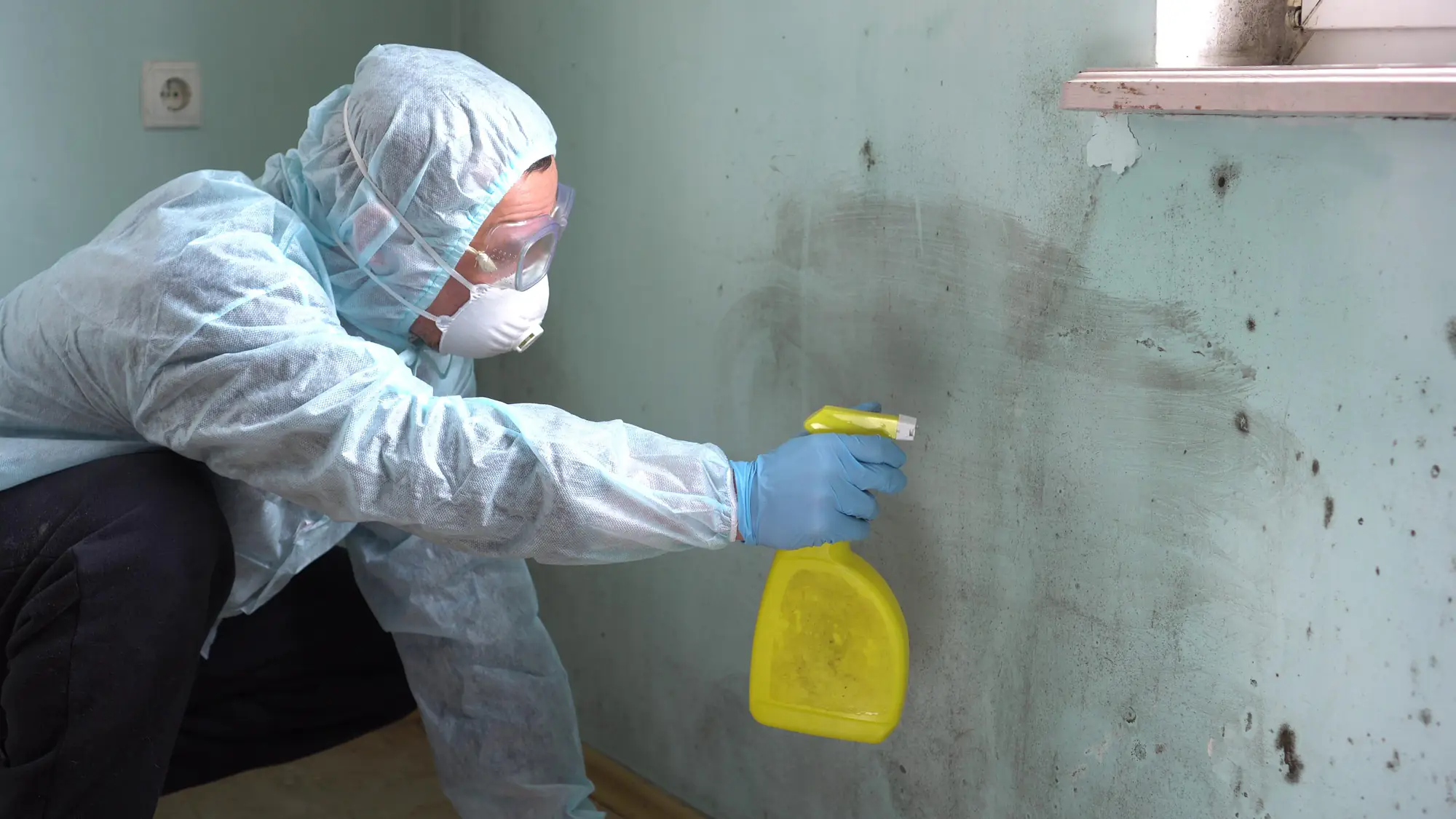
First, we inspect your property—every corner, not just the obvious spots. We’re checking behind walls, under carpets, around HVAC systems, and anywhere moisture tends to collect. Visual inspection comes first, then moisture readings to pinpoint the source.
If needed, we take samples for lab testing. Not every situation requires it, but when you’re dealing with potential black mold or need documentation for insurance, testing gives you clarity.
Once we know what we’re working with, we contain the area to prevent spores from spreading during removal. Then we remove contaminated materials safely, treat affected surfaces, and dry everything thoroughly. Mold needs moisture to survive—eliminating that moisture is how you prevent it from coming back.
After removal, we retest the air quality to confirm the mold is gone. You’re not guessing. You’re getting verification that your home is safe again.
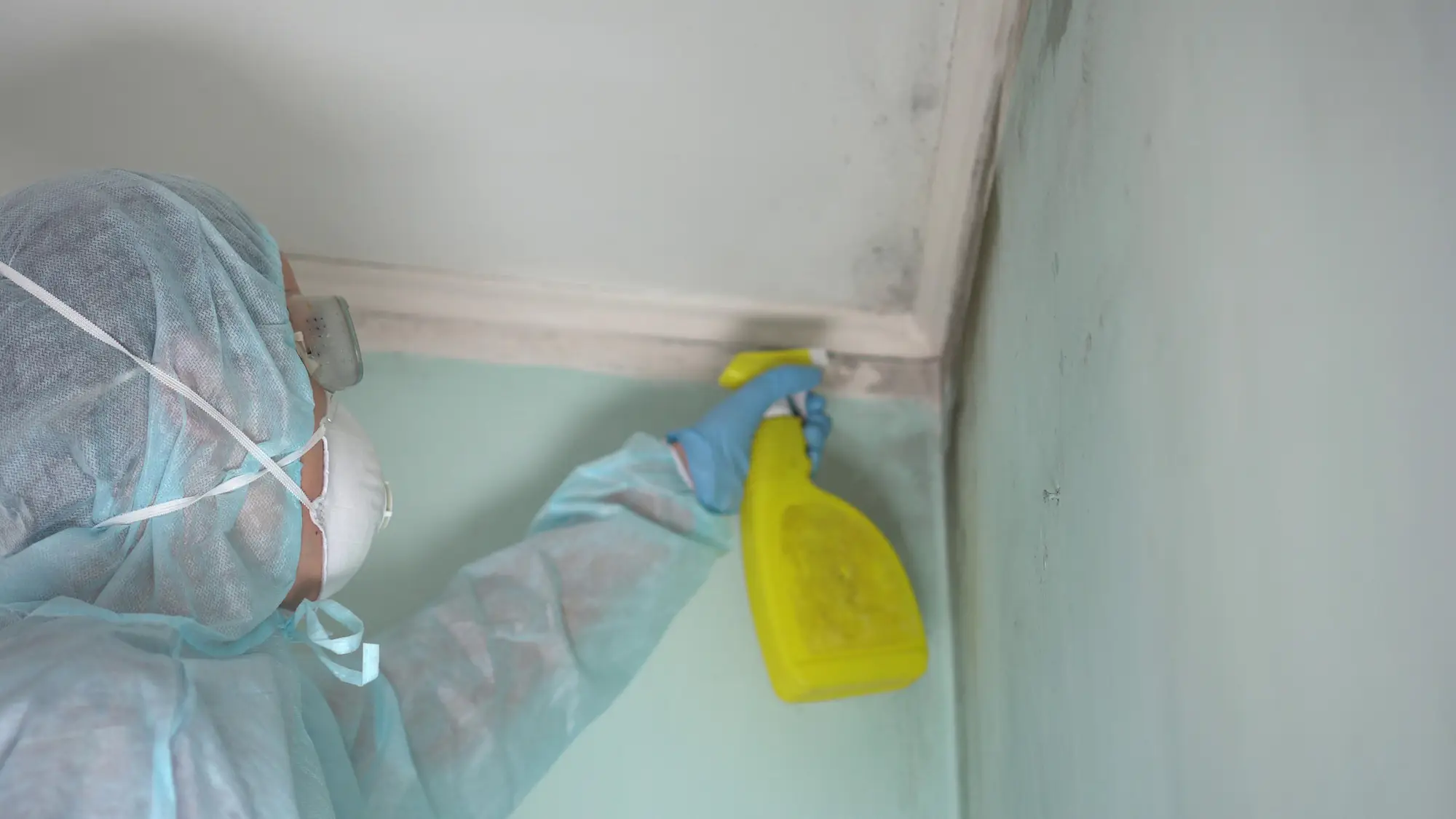
Ready to get started?
You get a free inspection to start. No pressure, no upselling—just an honest assessment of what’s happening in your home.
From there, you get a mold removal specialist who uses professional-grade equipment: moisture meters, thermal imaging, air quality testing tools. We’re not eyeballing it. We’re measuring it.
You also get help with insurance documentation if your mold problem stems from water damage or flooding. In Bridge Point, where 36% of properties face severe flood risk over the next 30 years, that’s not a small detail. It’s the difference between paying out of pocket and getting coverage.
And you get prevention advice based on your specific property. Maybe it’s improving ventilation in your basement. Maybe it’s fixing a grading issue that’s funneling water toward your foundation. Either way, you’re not just removing mold—you’re learning how to keep it from coming back.

You can’t tell just by looking. Black mold—Stachybotrys chartarum—can look similar to other mold types, and not all black-colored mold is the toxic kind. The only way to know for sure is through lab testing.
We take samples during the inspection and send them to a certified lab. They identify the mold species and concentration levels. If it’s black mold, we treat it accordingly with containment protocols and safe removal practices.
Even if it’s not black mold, that doesn’t mean it’s harmless. Any mold growth in your home can trigger allergies, worsen asthma, and damage building materials over time. The goal is always full removal, regardless of species.
It depends on the size of the affected area and how far the mold has spread. A small bathroom mold issue might take a day or two. A basement with widespread contamination could take a week or more.
The inspection itself usually takes a few hours. If we’re testing samples, you’ll wait a few days for lab results. Once we start removal, the timeline depends on drying time as much as anything else—we can’t rush moisture out of building materials.
We’ll give you a clear timeline after the inspection. No surprises, no vague estimates. You’ll know what to expect before we start any work.
It depends on what caused the mold. If it’s from a sudden, covered event—like a burst pipe or storm damage—most policies will cover remediation. If it’s from long-term neglect or maintenance issues, probably not.
Pennsylvania doesn’t require insurers to cover mold specifically, so your policy language matters. We help you document everything: photos, moisture readings, lab results. That documentation strengthens your claim if you’re filing.
We’ve worked with enough insurance adjusters to know what they need to see. We can walk you through the process and provide the paperwork that supports your case. Even if insurance doesn’t cover it, you’ll know upfront so there are no billing surprises later.
Small surface mold—like a little growth on a windowsill—you can handle with proper cleaning products and ventilation. Anything larger than 10 square feet, the EPA recommends professional removal.
Here’s why: mold spreads through spores. If you disturb it without proper containment, you’re sending those spores into your HVAC system and throughout your home. You might clean the visible mold but make the problem worse everywhere else.
We use containment barriers, negative air pressure, HEPA filtration, and protective equipment. We’re not just scrubbing—we’re controlling the environment to prevent cross-contamination. And we’re addressing the moisture source so it doesn’t just grow back in two months. DIY rarely solves the root cause.
Respiratory issues are the most common. Coughing, sneezing, congestion, throat irritation—especially if they get better when you leave the house and worse when you’re home. That’s a red flag.
Allergy-like symptoms that don’t respond to typical allergy medication are another sign. Itchy eyes, skin rashes, headaches. If you or your family members have asthma, you might notice it’s harder to control or that attacks are more frequent.
Long-term exposure can lead to more serious issues: chronic sinus infections, fatigue, difficulty concentrating. If anyone in your home is experiencing unexplained health problems and you’ve noticed musty odors or visible mold, get an inspection. The longer you wait, the worse both the health impact and the property damage become.
Mold needs three things: moisture, organic material to feed on, and the right temperature. You can’t control temperature in a practical way, and your home is full of organic materials like wood and drywall. That leaves moisture as your main control point.
We identify every moisture source during inspection. Leaking pipes, poor ventilation, foundation cracks, improper grading, humidity levels above 60%. Whatever’s feeding the problem gets addressed in our prevention plan.
Sometimes that means installing a dehumidifier in your basement. Sometimes it’s fixing gutters that overflow during storms. In Bridge Point, where flooding risk is high, it might mean waterproofing or improving drainage around your foundation. We give you specific recommendations based on your property—not generic advice you could find online.
Other Services we provide in Bridge Point