
Hear from Our Customers
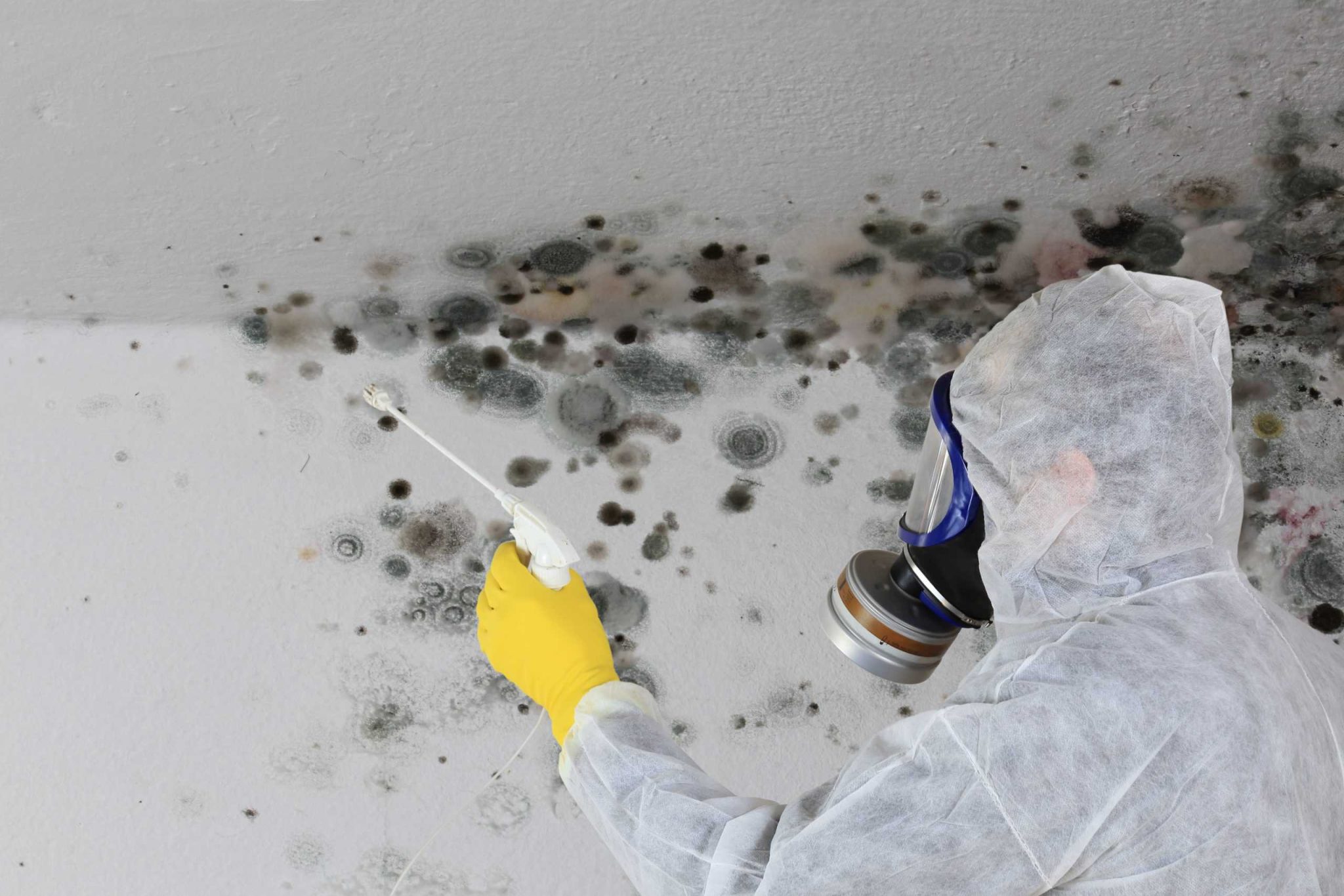
If you’ve noticed a musty smell when the heat or AC kicks on, or your allergies have been worse than usual indoors, there’s a decent chance your ductwork is the problem. Most homeowners don’t think about what’s inside their HVAC system until something feels off and by then, whatever’s growing in there has usually been circulating through every room for months.
Bridge Point sits in the Neshaminy Creek floodplain. The village of Edison has been built along the creek since the early 1800s, and Bridge Point Park itself is documented by Doylestown Township as sitting mainly within that floodplain. That means elevated groundwater, periodic moisture intrusion, and the kind of chronic humidity that finds its way into ductwork long before you’d ever notice it at the register. When Hurricane Ida’s remnants came through in September 2021, Neshaminy Creek towns throughout Bucks County took on serious water. Even minor seepage during events like that is enough to introduce moisture into an HVAC system and mold follows moisture.
Once your ducts are cleaned and cleared by a certified mold specialist, the difference is real. The air coming out of your vents isn’t recycling whatever’s been sitting in the system. Your HVAC runs more efficiently. The smell is gone. And if you have kids, older family members, or anyone with respiratory sensitivities in the house, you’re no longer pushing contaminated air past them every time the system cycles. That’s the outcome worth paying for.
We’ve been working in Bucks County for over 15 years. That’s not a number pulled from a brochure it means we’ve seen what the Neshaminy Creek watershed does to homes in Bridge Point and the surrounding area, how Bucks County’s 49 inches of annual rainfall compares to the national average of 38 inches, and why the older stone and stucco homes in the Edison historic district develop HVAC problems that newer construction simply doesn’t.
This isn’t a franchise. There’s no call center routing your inquiry to whoever’s available. When you call, you’re reaching the people who will actually show up at your door certified mold remediation specialists who bring lab testing, containment protocols, and post-cleaning verification to every job. That last part matters more than most companies will tell you: we test affected areas after the work is done to confirm the mold is actually gone, not just visually cleaned up.
For homeowners in Bridge Point and the surrounding Doylestown Township area, that level of accountability is what separates a real fix from a temporary one.
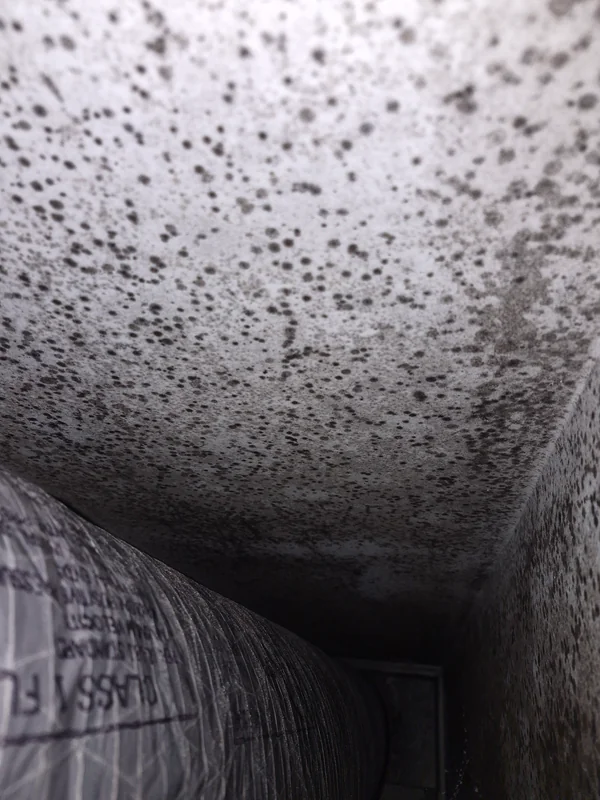
It starts with a free inspection. Before any work is quoted or scheduled, a certified inspector walks through your home and takes a real look at the system not a quick flashlight check at the register, but an actual assessment of what’s in the ductwork. For homes in Bridge Point and the broader Doylestown Township area, that inspection specifically accounts for moisture risk factors: proximity to the Neshaminy Creek, any history of water intrusion, and the age and configuration of the duct system. Many homes in this area have ductwork that was retrofitted into older construction stone and stucco buildings from the 1800s weren’t built with forced-air HVAC in mind, and the crawlspaces and wall cavities those ducts run through are naturally cool, dark, and damp.
If mold is found, the process doesn’t skip containment. This is where a certified mold specialist is fundamentally different from a standard duct cleaner. We use proper containment protocols before any mechanical cleaning begins, so disturbed mold spores don’t spread to rooms that weren’t affected. Samples are sent to a lab when needed to identify the specific type of contamination and confirm the best removal approach.
After cleaning, the system is tested again. You get documentation showing what was found and confirmation that it’s been addressed. Upfront pricing is given before the work starts the number you’re quoted is the number you pay. For Bridge Point homeowners in a state-certified historic district who are accustomed to working with professionals who take their property seriously, that transparency is the baseline expectation, and we meet it.
Ready to get started?
We handle the full scope of what a creek-adjacent, historically built home in Bridge Point and Doylestown Township actually needs. Air duct cleaning is the core service mechanical removal of debris, buildup, and biological contamination from both supply and return ducts. But because we come at this as a mold remediation specialist first, the service goes deeper than what a standard HVAC cleaner offers. When mold is confirmed in the system, our approach includes containment, lab testing, targeted removal, and post-cleaning verification. That’s not standard practice in this industry most companies clean and leave.
Air duct sanitizing is available as part of the process when biological contamination is present. After the mechanical cleaning is complete, an antimicrobial treatment is applied to address any remaining biological material in the system. This step is particularly relevant for Bridge Point homes that have experienced any moisture intrusion near the Neshaminy Creek corridor, where mold can persist in ductwork even after visible debris is removed.
Dryer vent cleaning is also part of what we offer, and it’s worth taking seriously. The NFPA reports nearly 16,000 dryer-related house fires annually, with failure to clean the vent as the leading cause. Older homes in the Edison area often have longer, more complex dryer vent runs than modern construction the kind that accumulate lint faster and are harder to clear without professional equipment. We also work directly with insurance companies when a claim is involved, and financing is available when the scope of the job is larger than expected.

Yes, and it’s worth understanding why. Mold needs moisture and darkness to grow, and ductwork provides both especially in homes near a waterway like the Neshaminy Creek. When the creek rises during heavy rain events or storm systems like the remnants of Hurricane Ida in 2021, homes in Bridge Point and the Edison area can experience groundwater pressure, basement seepage, or elevated indoor humidity even without visible flooding. That moisture doesn’t stay in the basement. It migrates into the home’s structure and, over time, into the HVAC system.
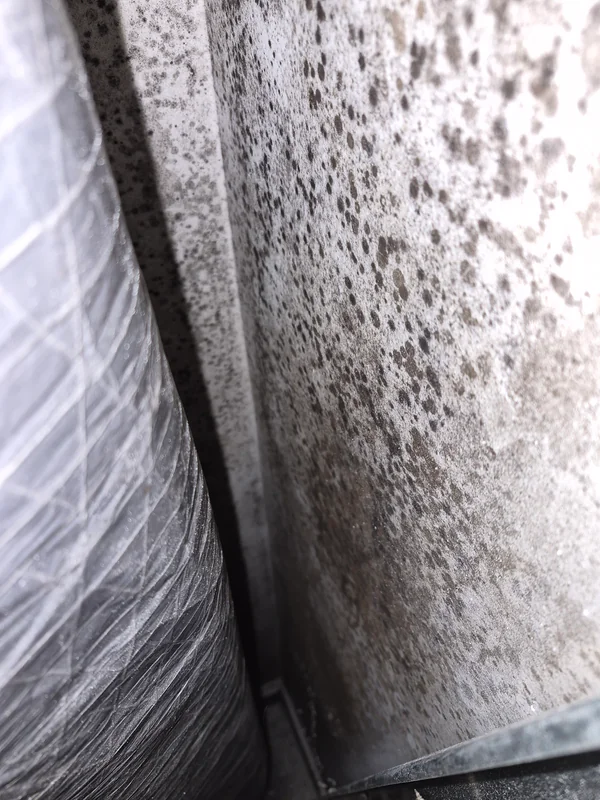
Once mold establishes itself inside ductwork, the system becomes a distribution mechanism. Every time the heat or AC runs, it pushes air and spores through every room in the house. The problem isn’t just the ducts themselves; it’s what the ducts are doing to the rest of your living space. A certified mold inspection is the only reliable way to know what’s actually in the system, and we offer that inspection for free with no obligation to proceed.
The honest answer is that you often can’t tell by looking at the register. Dust accumulates at the visible openings, but mold typically grows deeper in the system in the interior duct sections, near the evaporator coil, or in the drip pan places you’d need equipment to access. The most reliable indicator that something biological is going on is a persistent musty smell that appears specifically when the HVAC system is running. If the smell fades when the system is off and returns when it kicks on, that’s a strong signal.
Other signs include worsening allergy or asthma symptoms that are noticeably worse indoors than outside, visible discoloration around vent covers, or a home that has had any water intrusion even minor basement seepage. For older homes in Bridge Point and the surrounding Doylestown Township area, where ductwork runs through stone wall cavities and crawlspaces that stay damp, the risk is higher than in newer sealed construction. If you’re uncertain, a free inspection from a certified mold specialist gives you a definitive answer rather than a guess.
The EPA is actually pretty nuanced on this question, and it’s worth knowing what they actually say. For routine maintenance cleaning absent any specific problem the evidence on whether it improves air quality is mixed. The EPA does not recommend cleaning as a standard annual service the way some companies push it. However, when mold is confirmed in the system, when there’s been pest activity, or when significant debris is restricting airflow, cleaning is explicitly recommended.
For Bridge Point homeowners, the relevant question isn’t whether routine cleaning is universally worthwhile it’s whether your specific home has the conditions that make it necessary. A home near the Neshaminy Creek with an older duct system that’s never been inspected is a different situation than a newer home with no moisture history. Bucks County’s above-average annual rainfall around 49 inches versus the national average of 38 means the baseline humidity exposure here is higher than most of the country. A one-time inspection tells you whether you have an actual problem or not, and that’s a reasonable starting point before deciding anything.
They’re two separate steps that are often confused. Air duct cleaning is the mechanical process using professional equipment to physically remove dust, debris, and biological buildup from inside the ductwork. This is the core service and the one that addresses the structural contamination inside the system. Air duct sanitizing comes after the mechanical cleaning and involves applying an antimicrobial treatment to the interior surfaces of the ducts. The goal is to address any remaining biological material that wasn’t fully removed by mechanical means alone.
For homes that have experienced moisture intrusion which is a realistic scenario for properties in Bridge Point given the creek proximity and Bucks County’s rainfall patterns sanitizing is often a recommended follow-up to cleaning rather than an optional add-on. Mold spores can remain viable on duct surfaces even after visible contamination is removed. Sanitizing addresses that residual risk. We’ll tell you upfront whether sanitizing is warranted based on what the inspection finds it’s not added automatically to every job.
A thorough air duct cleaning for a typical home takes roughly four to six hours. That’s the industry standard for a job done properly both supply and return ducts cleaned, not just the visible registers. If the inspection identifies mold that requires containment and more involved remediation work, the timeline may extend depending on the scope of what’s found. We’ll walk you through the expected timeline before work begins, so you’re not left guessing.
You don’t necessarily have to leave the house during the cleaning, but it’s often more comfortable to do so, particularly if containment work is involved or if mold is being treated. For families with young children or anyone with respiratory sensitivities, being out of the home during the active work is generally the better call. Once the job is complete and the post-cleaning verification is done, the home is safe to return to normally. If you have specific concerns about your schedule or household, that’s a conversation worth having during the free inspection we work around real life, not the other way around.
Yes. We’re based in Bensalem and serve Bucks County as our primary service area. Bridge Point and the Edison historic district in Doylestown Township fall squarely within that coverage area it’s roughly a straight shot up Route 611 from Bensalem, the same road that runs through the village. This isn’t a company dispatching a crew from another county or a national franchise assigning whoever’s closest. We’ve been working in Bucks County for over 15 years, which means we’re familiar with the housing stock, the watershed conditions, and the specific moisture challenges that come with living in creek-adjacent communities like Bridge Point.
For homeowners in the Edison historic district specifically, working with a certified mold specialist rather than a general HVAC cleaner matters. The older stone and stucco construction in the village has ductwork that was retrofitted into buildings that were never designed for forced-air systems. That requires a more careful inspection approach than a newer home would. We bring that level of attention to every job in the area, and the free inspection is the right first step if you’re unsure what’s actually going on in your system.
Other Services we provide in Bridge Point