
Hear from Our Customers
You stop worrying every time your kid coughs. The musty smell disappears. You can breathe easier knowing those black spots behind the wall aren’t spreading through your ventilation system.
Your home feels like yours again. No more wondering if that headache is from mold exposure or if you’re making the problem worse by waiting. The air quality improves immediately, and if anyone in your house deals with asthma or allergies, they’ll notice the difference within days.
Here’s what most people don’t realize: removing visible mold is only half the job. The moisture source that caused it needs to be identified and eliminated, or you’re just buying time until it comes back. That’s where experience matters. We’ve worked in enough Perkasie basements and attics to know exactly where water hides in homes built before 1939, and we know how Pennsylvania’s humid summers create the perfect conditions for mold growth.
Mack’s Mold Removal isn’t a national franchise following a corporate playbook. We’re local to Perkasie, and we’ve seen what mold does to homes in this area. The older properties near Perkasie Creek. The newer developments with basement moisture issues. The historic homes with ventilation problems that weren’t designed for today’s humidity levels.
Our team holds IICRC certifications, which means we follow EPA-approved protocols and Pennsylvania regulations. But more importantly, we understand what you’re dealing with because we’ve been in hundreds of Bucks County homes facing the same problems. When you call, you’re talking to people who know this town and the specific challenges your property faces.
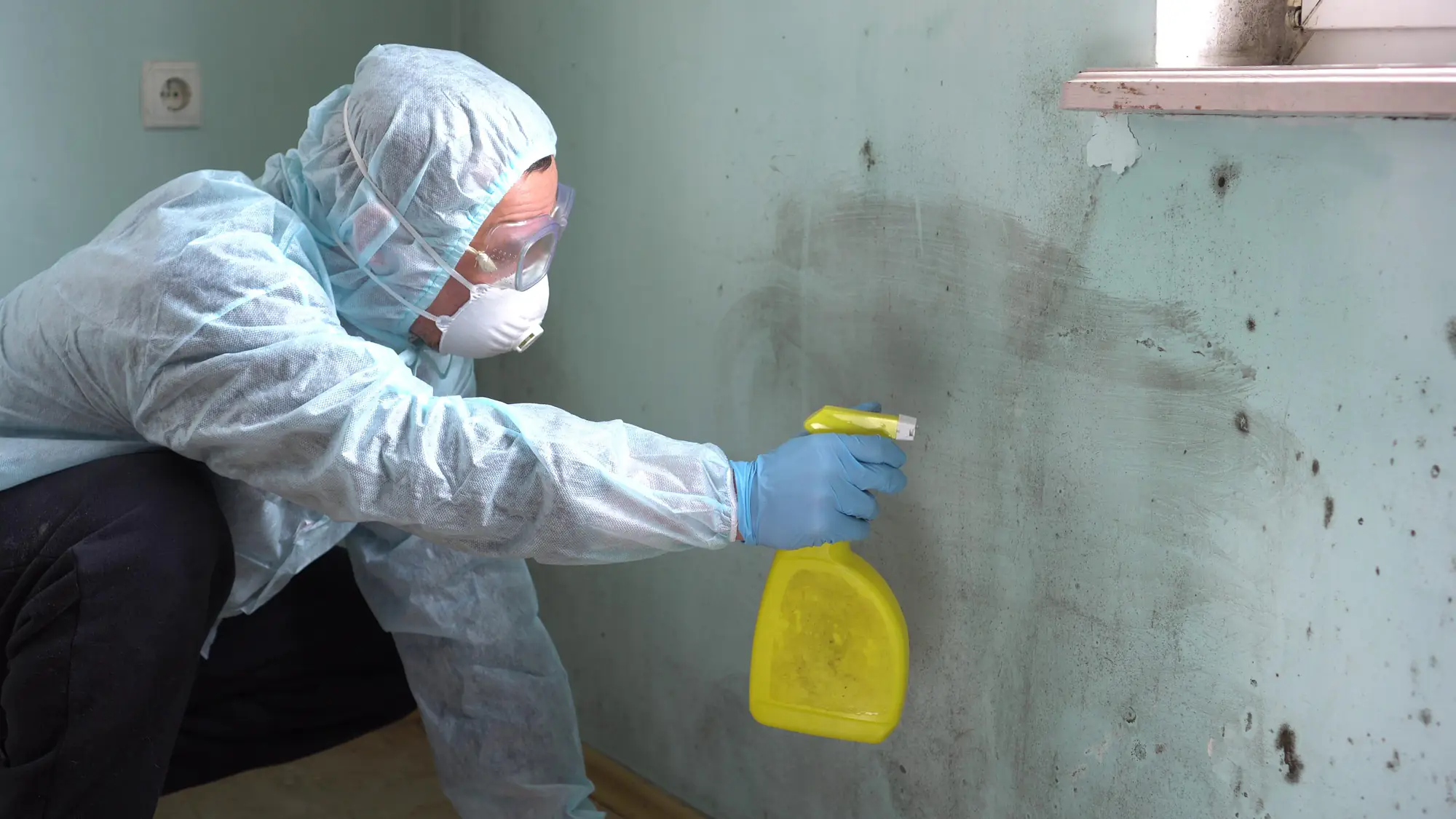
First, we come out and do a thorough inspection. We’re not just looking at the visible mold. We use thermal imaging and moisture meters to find what’s growing behind walls, under floors, and in spaces you can’t see. This matters because surface mold is usually a symptom of a bigger problem.
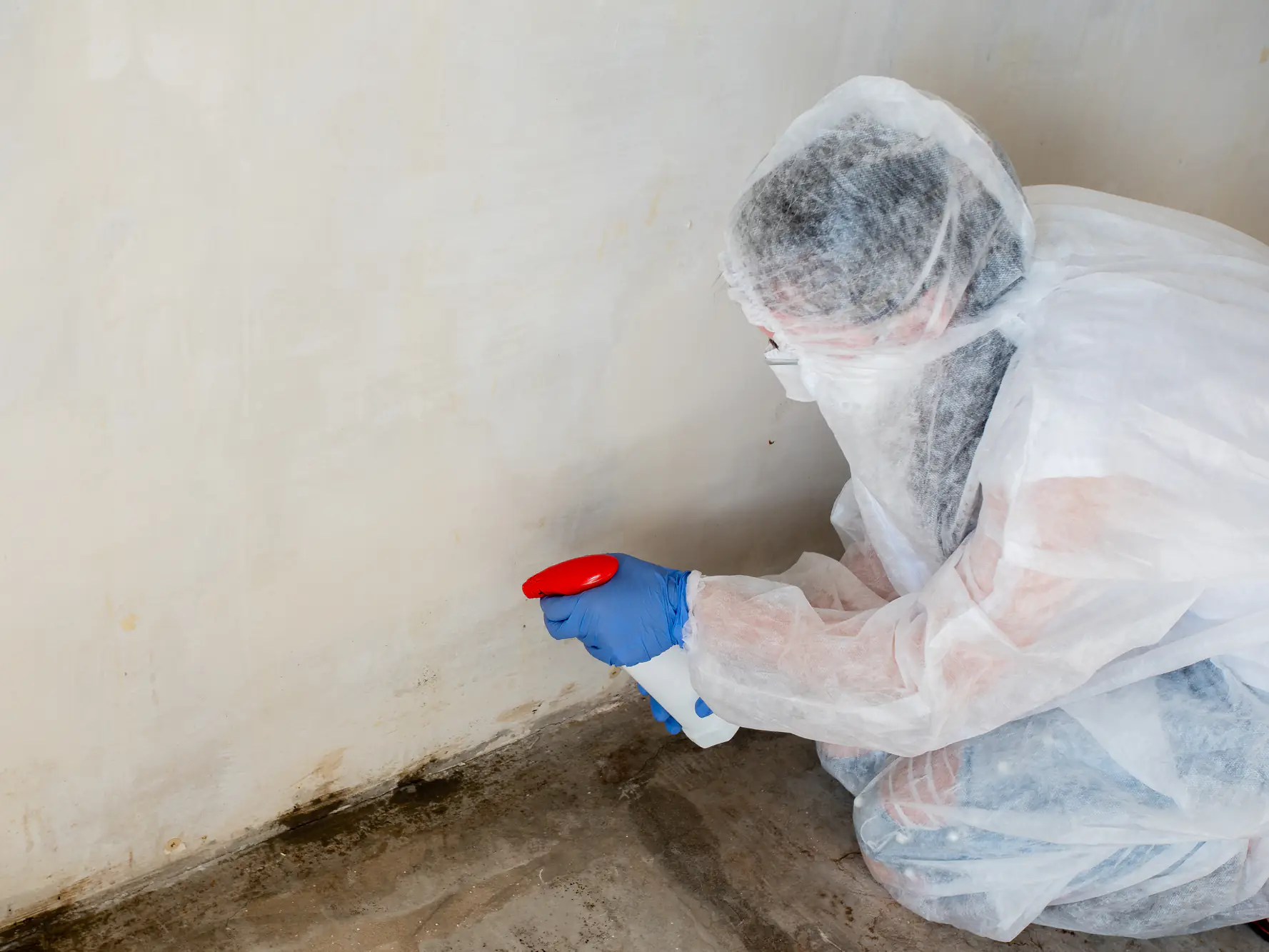
Once we know what we’re dealing with, we contain the affected area so mold spores don’t spread to clean parts of your home during removal. Then we remove 100% of contaminated materials – drywall, insulation, whatever’s affected. We don’t just clean it and hope for the best.
After removal, we treat the area with antimicrobial solutions and dry everything completely using commercial-grade dehumidifiers. Most jobs finish in 3-5 days. Before we leave, you get documentation of everything we did and specific recommendations for preventing future growth. We’re not interested in seeing you again in six months because the moisture problem wasn’t fixed.
Ready to get started?
You get a complete inspection that identifies every affected area, not just the obvious spots. You get containment that keeps the rest of your home clean during the work. You get certified specialists who remove contaminated materials according to IICRC guidelines, not shortcuts that leave mold behind.
The equipment we bring matters too. High-capacity dehumidifiers that dry your space 50% faster than consumer units. HEPA air scrubbers that capture airborne spores during removal. Moisture meters that confirm everything’s dry before we seal it up.
In Perkasie, where 32% of homes were built before 1939, we often find mold in older construction materials that absorb moisture differently than modern building products. Your home’s age and construction type determine our approach. A basement in a 1920s stone foundation house needs different treatment than a 1990s development home with a poured concrete foundation.
You also get honest answers about what caused the mold. Was it a roof leak? Poor attic ventilation? Basement seepage from groundwater? Knowing the source is the only way to prevent recurrence, and we don’t sugarcoat it if you need additional repairs beyond mold removal.

Most residential mold removal projects in Perkasie run between $1,500 and $6,000, but that range depends entirely on how much mold we’re dealing with and where it’s located. A small bathroom ceiling issue costs less than a finished basement with mold throughout the walls.
Square footage matters. Accessibility matters. If we’re removing mold from an easily accessible basement wall, that’s straightforward. If it’s in a crawlspace or behind finished walls that need to be opened up, the labor increases. The type of materials affected also impacts cost – removing mold from concrete is different than removing it from drywall and insulation.
Here’s what drives the price up: waiting. A small leak that creates a 3-foot mold patch this month can spread to 20 feet in three months if the moisture source isn’t fixed. The longer mold grows, the more material we have to remove and replace. We’ve seen homeowners turn a $2,000 problem into an $8,000 problem by hoping it would just go away.
We give you an exact quote after the inspection. No surprises, no upselling. You’ll know what it costs before any work starts.
About 80% of the mold removal jobs we do in Perkasie take 3-5 days from start to finish. Day one is usually containment and removal of affected materials. Days two and three involve drying, treatment, and making sure moisture levels are where they need to be. Days four and five are final treatment, air quality verification, and cleanup.
Larger projects take longer. If you’ve got mold throughout multiple rooms or an entire basement, we might be there for a week or more. Smaller jobs – like a single bathroom or small closet area – can sometimes be done in 2-3 days.
The drying phase is what takes time, and it can’t be rushed. We need to get moisture content in affected materials below 16% before sealing and treating, or you’re just trapping moisture that will create new mold growth. Our commercial dehumidifiers speed this up significantly compared to box fans and consumer dehumidifiers, but physics is physics.
Weather affects the timeline too. Pennsylvania’s humid summer months mean drying takes longer than it would in fall or winter when indoor humidity is naturally lower.
If it’s a very small area – less than 10 square feet – and it’s on a non-porous surface like tile or glass, you can probably handle it yourself with proper protection and cleaning products. Anything larger than that, or anything on porous materials like drywall or wood, needs professional remediation.
Here’s why: mold you can see is only part of the problem. When mold grows on drywall, it penetrates into the material. Cleaning the surface doesn’t kill what’s growing inside the drywall. You need to remove the affected material completely. Most homeowners don’t have the equipment to do this safely without spreading spores throughout their home.
The other issue is identifying the moisture source. You can remove mold all day long, but if you don’t fix the leak or ventilation problem or humidity issue that caused it, you’re just going to see new growth in a few months. We’ve been called to homes where the owner tried DIY removal three times before finally calling us to fix the underlying problem.
Black mold – the kind that produces mycotoxins – requires specific safety protocols during removal. You need proper respiratory protection, containment, and disposal methods. Most people don’t have access to that equipment or the training to use it correctly.
Pennsylvania’s climate is a huge factor. Humid summers create condensation problems, especially in basements and attics with poor ventilation. When warm, humid air hits cool basement walls or attic surfaces, moisture forms. That moisture is all mold needs to start growing.
Perkasie’s older homes face specific challenges. Many were built before modern moisture barriers and ventilation standards existed. Stone foundations are common in pre-1940s homes, and they allow groundwater to seep through in ways that modern poured concrete foundations don’t. Older homes also tend to have less insulation in attics, which creates temperature differentials that lead to condensation.
Roof leaks are another common cause we see. A small leak around a chimney or in valley flashing might only drip during heavy rain, but that’s enough moisture to create a mold problem in your attic over time. Plumbing leaks – especially slow leaks from old pipes in walls or under floors – can go unnoticed for months while mold spreads.
Basement flooding from heavy rain or snowmelt affects homes near Perkasie Creek and low-lying areas. Even if you pump the water out quickly, moisture remains in concrete, drywall, and insulation. Without proper drying, mold starts growing within 48 hours. HVAC systems can also spread mold if there’s growth in ductwork or around air handlers, which is why we always check your ventilation system during inspection.
It depends on what caused the mold. If mold resulted from a covered event – like a burst pipe, roof damage from a storm, or sudden water heater failure – your insurance will likely cover remediation. If mold developed from long-term neglect, poor maintenance, or gradual issues like chronic basement dampness, most policies won’t cover it.
Insurance companies want to see that the mold resulted from a sudden, accidental event rather than an ongoing problem you didn’t address. This is why documentation matters. If you had a pipe burst last month and mold appeared afterward, that’s usually covered. If you’ve had a slow roof leak for two years that you didn’t fix, that’s typically not covered.
Most homeowner policies have mold coverage limits, often around $10,000, though this varies by policy. Some policies exclude mold coverage entirely unless you purchase additional coverage. You need to read your specific policy or call your insurance agent to know what you’re working with.
We can help with the insurance process. We document everything we find during inspection, take photos, and provide detailed reports that insurance companies need to process claims. We’ve worked with enough insurance adjusters to know what they’re looking for. If your claim gets approved, we work directly with your insurance company to make sure the scope of work matches what needs to be done.
Visible mold is the obvious sign – black, green, or white patches on walls, ceilings, or other surfaces. But you don’t always see it before you have a problem. Musty odors are often the first indicator, especially in basements, bathrooms, or closets. If a room smells like mildew or earth, there’s probably mold growing somewhere even if you can’t see it.
Health symptoms can also signal mold exposure. Unexplained respiratory issues, persistent coughing, sneezing, or congestion that gets better when you leave the house and worse when you’re home. Headaches, fatigue, or worsening asthma symptoms. If multiple people in your household are experiencing these symptoms, mold could be the cause.
Water damage history is a red flag. If you’ve had any flooding, leaks, or moisture problems in the past year, there’s a good chance mold developed even if you dried things out. Mold can grow behind walls, under flooring, and in other hidden areas where you won’t see it until it spreads.
High humidity levels create conditions for mold growth. If your basement or bathroom consistently feels damp, or you see condensation on windows and walls, you’ve got an environment where mold thrives. Peeling paint or wallpaper, warping wood, and water stains are all signs of moisture problems that likely include mold growth.
Professional testing gives you certainty. We can take air samples and surface samples to identify exactly what type of mold you’re dealing with and how extensive the problem is. This is especially important if you’re buying a home in Perkasie or if you suspect hidden mold but can’t locate the source.
Other Services we provide in Perkasie