
Hear from Our Customers
You stop wondering if that smell is in your head. Your kids stop coughing at night. You can finally use your basement without holding your breath.
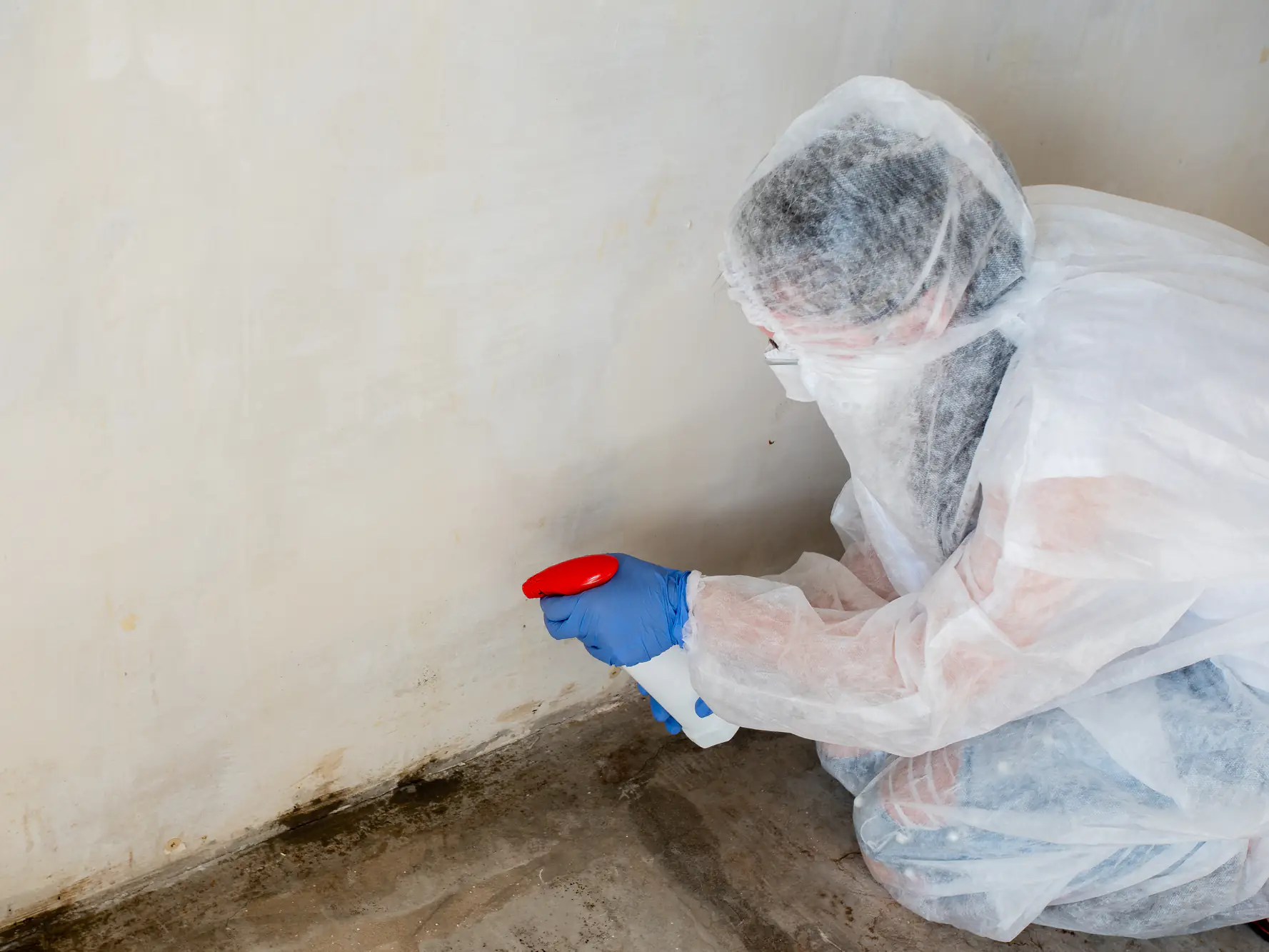
Real mold remediation isn’t about spraying bleach on a wall and calling it done. It’s about finding where the moisture is coming from, removing contaminated materials the right way, and treating the space so spores don’t just relocate to another corner of your house.
When we’re finished, you’re not just looking at a cleaner surface. You’re breathing cleaner air. You’re living in a space that won’t make you sick. And if you’re selling or refinancing, you’ve got documentation that proves the problem was handled by professionals who know what they’re doing.
We’ve been helping Bucks County homeowners deal with mold problems that come with older homes, humid summers, and basements that never quite dry out. We’re local, which means we’ve seen what happens when spring flooding hits or when an old roof finally gives out.
We’re not a national franchise reading from a script. We’re the team that shows up with moisture meters and infrared cameras to find problems other companies miss. We know which neighborhoods have drainage issues and which homes are more likely to have hidden moisture in crawl spaces.
You’re not getting a sales pitch. You’re getting an honest assessment and a plan that actually fixes the problem.
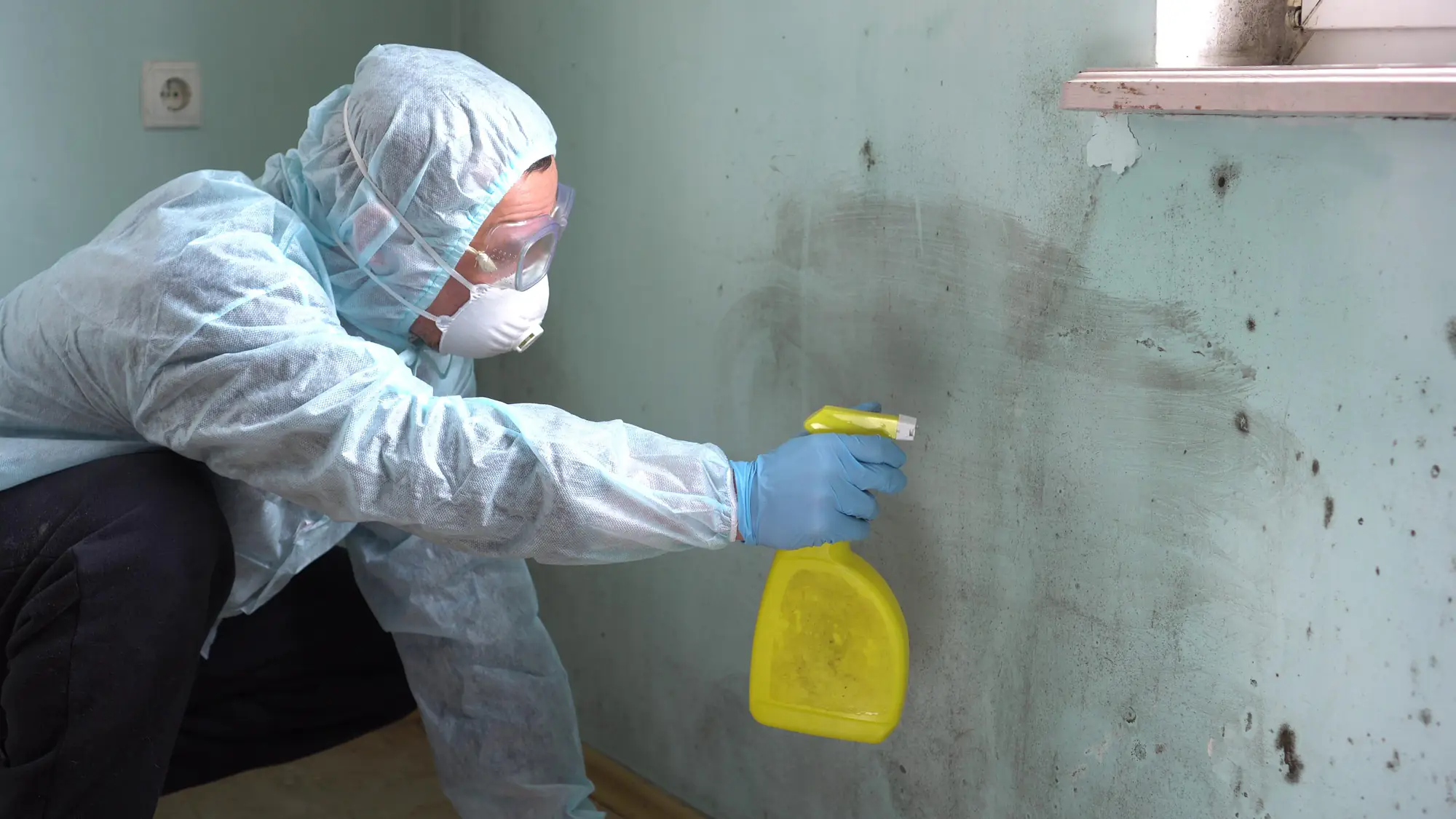
First, we inspect your property with tools that go beyond what your eyes can see. Moisture meters tell us where water is hiding. Infrared cameras show us temperature differences that indicate leaks or condensation. Air sampling tells us what’s floating around that you’re breathing in every day.
Then we contain the area so mold spores don’t spread to clean parts of your home when we start removal. We use physical barriers and negative air pressure to keep contamination isolated. This isn’t optional—it’s how you avoid turning a bathroom mold problem into a whole-house mold problem.
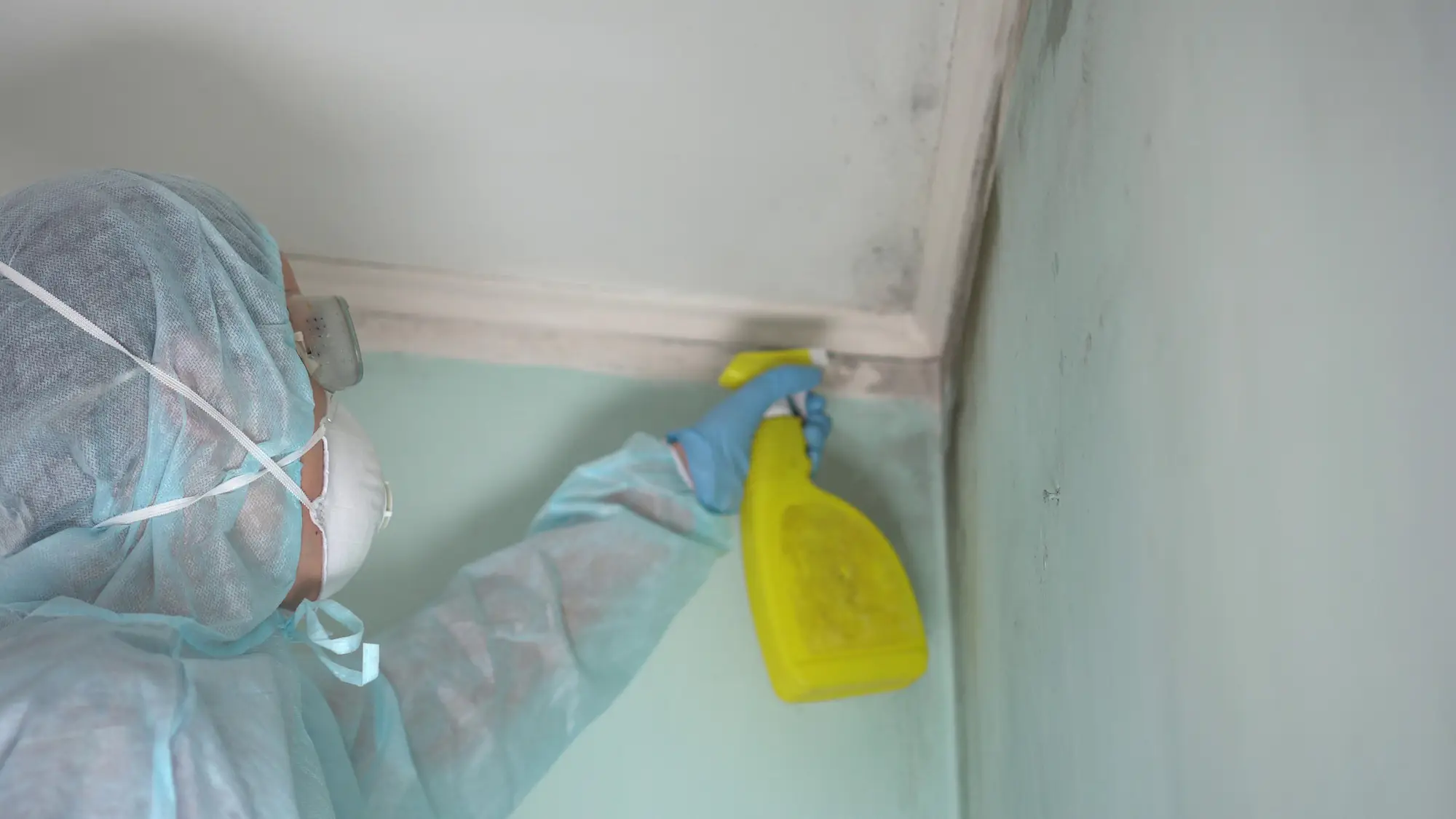
We remove contaminated materials that can’t be saved and treat surfaces that can. We don’t just kill what’s visible. We address the moisture source, whether that’s a leaky pipe, poor ventilation, or groundwater seeping through your foundation. If we don’t fix why the mold grew in the first place, you’ll be calling someone again in six months.
Finally, we verify the work with post-remediation testing and give you a detailed report. You’ll know exactly what was found, what was done, and what you need to do to keep your home mold-free going forward.
Ready to get started?
You get a full inspection using professional-grade detection equipment, not just a guy with a flashlight. We’re looking in attics, crawl spaces, behind walls, under sinks—anywhere moisture can hide in Applebachsville’s older housing stock.
You get proper containment so the rest of your home stays clean while we work. You get safe removal of contaminated materials and treatment of affected areas with methods that won’t harm your family or pets. We’re not dousing everything in harsh chemicals and hoping for the best.
You also get answers about why this happened. Bucks County homes deal with specific challenges—humid summers, aging infrastructure, basements that were never meant to stay dry. We’ll tell you if it’s a ventilation issue, a grading problem, or a roof that’s past its prime. And we’ll tell you what needs to happen next so you’re not dealing with this again next year.
Most importantly, you get documentation. If you’re selling, buying, or filing an insurance claim, you’ll have proof that a certified mold removal specialist handled the problem correctly.

If you’re seeing discoloration on walls or ceilings, smelling something musty that won’t go away, or dealing with persistent condensation, you likely have more than just normal moisture. Normal moisture dries out. Mold-causing moisture sticks around because something in your home isn’t working right.
In Applebachsville, we see this a lot in basements with poor drainage, bathrooms without proper ventilation, and attics with roof leaks that went unnoticed for months. The problem isn’t always obvious from the surface.
That’s why we use moisture meters and infrared cameras during inspections. These tools show us what’s happening inside your walls and under your floors. You might have a small visible spot of mold in your bathroom, but the real problem could be a slow leak that’s been feeding growth inside your wall cavity for years. We find that before it becomes a bigger issue.
You can try, but you’ll probably make it worse. Here’s why: when you disturb mold without proper containment, you send thousands of spores into the air. Those spores land on every surface in your home and start new colonies anywhere there’s moisture.
Bleach kills surface mold on non-porous materials, but it doesn’t penetrate porous surfaces like drywall or wood. It also doesn’t address the moisture source. You’re treating the symptom, not the cause. Two months later, you’re back to square one.
DIY solutions also put you at risk if you’re dealing with black mold or large infestations. Exposure during improper removal can trigger respiratory issues, allergic reactions, and other health problems—especially if you have kids, elderly family members, or anyone with asthma in the house. Professional mold remediation means proper containment, safe removal, and actually fixing what caused the mold to grow in the first place.
It depends on the size of the problem. A small bathroom issue might take a day. A full basement or attic remediation could take three to five days. We’ll give you a realistic timeline after the inspection based on what we find.
Whether you need to leave depends on the scope of contamination and where it’s located. If we’re working in a contained area like a basement and you don’t have vulnerable family members, you can usually stay. If we’re dealing with widespread contamination or black mold in living areas, we’ll recommend you stay elsewhere until containment is set up and air quality is verified.
We use negative air pressure and HEPA filtration to keep spores from spreading during removal, but your comfort and safety matter. If you have young kids or anyone with respiratory issues, it’s often better to stay with family for a few days while we work. We’ll be straight with you about what makes sense for your situation.
Moisture. That’s it. Mold needs water to grow, and Bucks County gives it plenty of opportunities. Humid summers, older homes with settling foundations, poor grading that directs water toward your house instead of away from it—all of this creates perfect conditions.
We see a lot of basement mold from groundwater seeping through foundation cracks or condensation forming on cool concrete walls during summer. We see attic mold from roof leaks or inadequate ventilation that traps humid air. We see bathroom and kitchen mold from exhaust fans that don’t actually vent outside or leaky pipes that drip inside walls for months before anyone notices.
The age of housing stock in Applebachsville means a lot of homes weren’t built with modern moisture control in mind. Crawl spaces without vapor barriers, basements without proper waterproofing, attics without sufficient ventilation—these are common issues. Once we identify your specific moisture source, we can tell you what needs to be fixed to prevent future growth.
There’s no honest way to give you a number without seeing your property. A small isolated patch costs a lot less than mold that’s spread through your HVAC system or compromised structural materials. Most homeowners in Bucks County spend anywhere from a few hundred dollars for minor remediation to several thousand for extensive work.
What drives the cost is the size of the affected area, how much material needs to be removed, whether we’re dealing with black mold or common mildew, and what caused the problem in the first place. If your moisture issue requires additional work like fixing drainage or repairing a roof, that’s separate but necessary to prevent recurrence.
We’ll give you a detailed estimate after the inspection so you know exactly what you’re paying for and why. Some homeowners insurance policies cover mold remediation depending on the cause, so it’s worth checking your policy. We can provide documentation to help with claims if your situation qualifies. What you shouldn’t do is put this off because you’re worried about cost—mold gets more expensive the longer you wait.
If we did our job right and you addressed the underlying moisture problem, it shouldn’t come back. Mold only grows where there’s water. Remove the water source, and you remove the mold’s ability to survive.
That said, if a new leak develops or humidity levels rise again because of a separate issue, new mold can grow. That’s not the old mold coming back—that’s a new problem caused by new moisture. This is why we focus so heavily on identifying and fixing the source during remediation.
We also provide clear guidance on what you need to do after we leave. That might mean running a dehumidifier in your basement, fixing your gutters, improving ventilation in your bathroom, or addressing a grading issue around your foundation. If you handle those things, mold won’t have the conditions it needs to return. And if something does come up down the road, we’re here to figure out what changed and fix it.
Other Services we provide in Applebachsville