
Hear from Our Customers
Your air gets cleaner. You stop worrying every time someone in your house coughs or gets a headache. The musty smell disappears.
Your home value stays protected because buyers won’t walk away from a mold disclosure. Your basement, attic, or bathroom becomes usable space again instead of a problem you avoid.
And you’re not dealing with it coming back in six months because someone only treated the surface. When mold removal is done correctly, it addresses what caused it in the first place—the moisture source, the hidden growth, the spores you can’t see. That’s what keeps your family safe and your investment secure.
Most homeowners in Fergusonville don’t realize how fast mold spreads in Pennsylvania’s humid climate. Older homes here weren’t built with modern moisture barriers. Basements leak. Storms create humidity spikes. One small problem becomes a bigger one while you’re deciding whether to handle it yourself.
We’ve been serving Fergusonville and Bucks County with certified mold remediation that follows EPA guidelines. We’re not a national franchise reading from a script. We’re local specialists who understand how Pennsylvania weather and aging housing stock create mold problems.
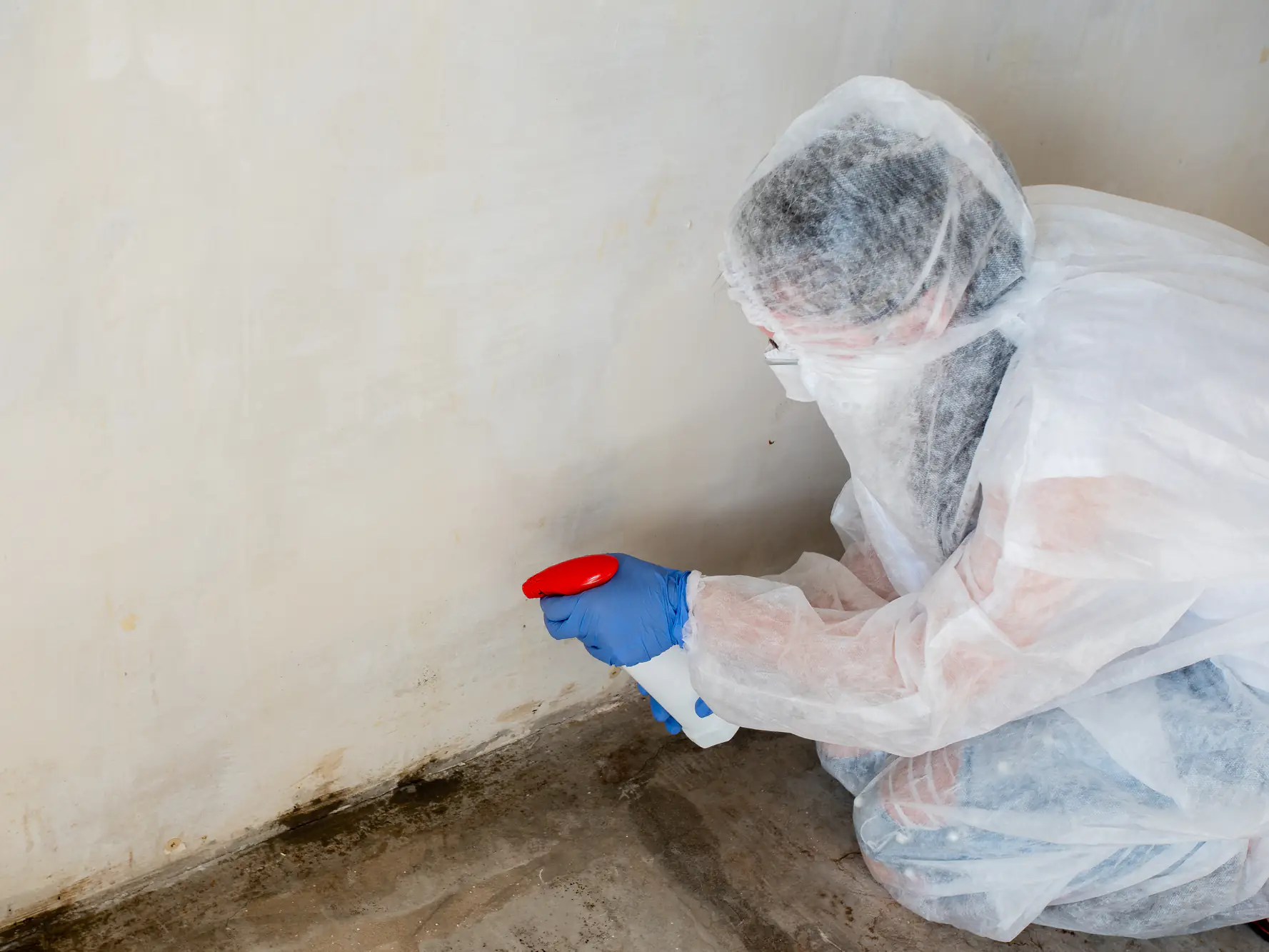
We use HEPA filtration, infrared cameras, and moisture meters—not spray bottles and hope. Our team is IICRC-certified, which means we’re trained to find mold you can’t see and remove it without spreading spores throughout your home.
You’re hiring mold removal specialists who show up when we say we will, explain what we find, and give you a clear plan. No upselling. No scare tactics. Just honest work that gets your home back to safe.
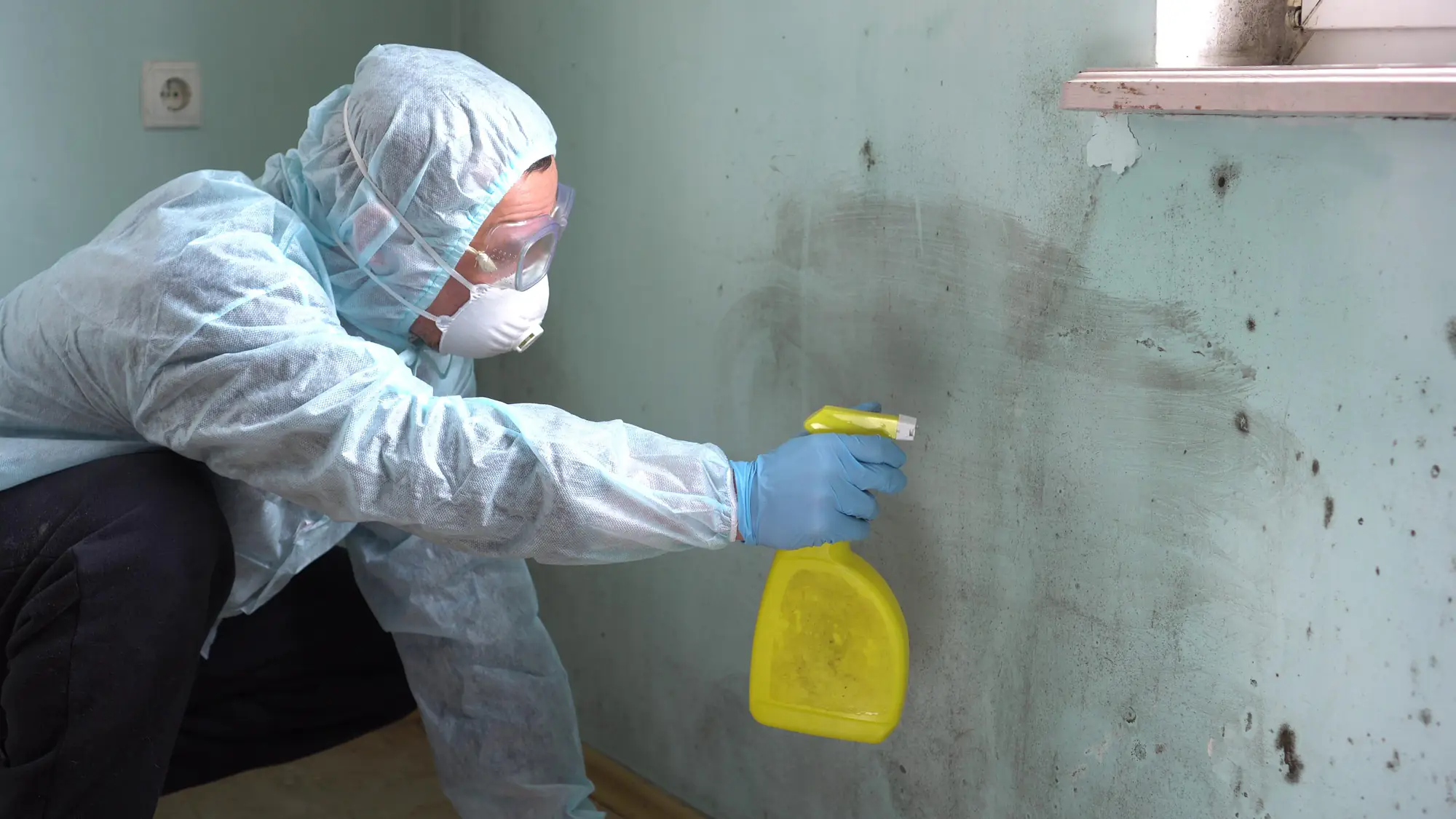
First, we inspect your entire property—not just where you see mold. We check wall cavities, crawl spaces, HVAC systems, anywhere moisture hides. We use infrared cameras and moisture meters to find problems before they become disasters.
Then we contain the area with physical barriers and negative air pressure so spores don’t spread to clean parts of your home. We remove contaminated materials that can’t be saved and treat surfaces with EPA-approved antimicrobials that actually kill mold at the root.
Next, we run HEPA air scrubbers to filter out airborne spores while we dry out the space with commercial dehumidifiers. This step matters because leftover moisture means mold comes back.
Finally, we fix what caused it. Leaking pipes get flagged. Humidity issues get addressed. You get a clear explanation of what happened and how to prevent it. Some mold remediation companies skip this part—we don’t, because it’s the difference between a temporary fix and a real solution.
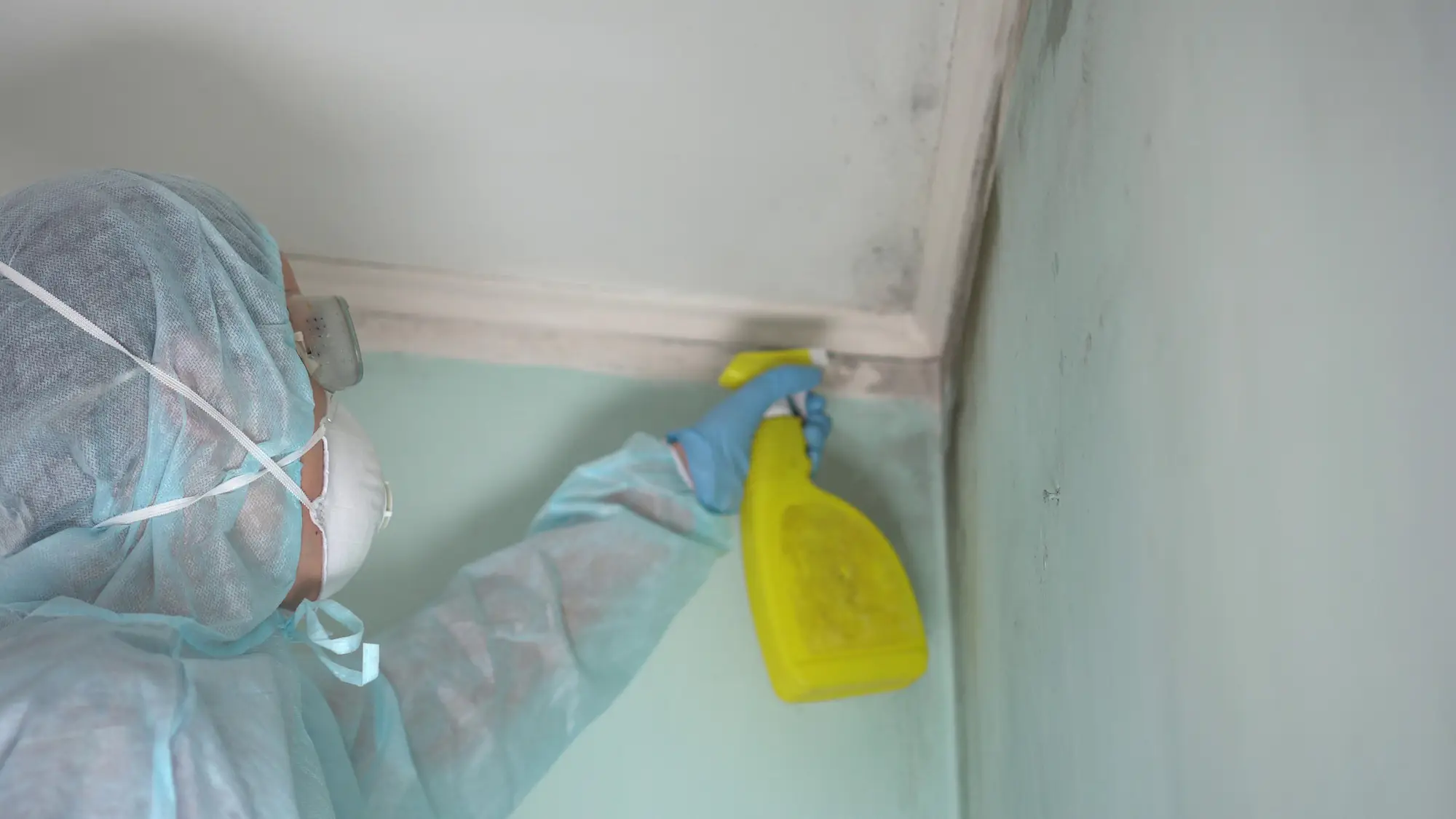
Ready to get started?
You get a full property inspection with moisture mapping and infrared detection. You get containment that protects the rest of your home. You get removal of contaminated materials and treatment of affected surfaces with methods approved by the EPA.
You also get air filtration with HEPA equipment, not box fans and open windows. You get documentation for insurance claims or real estate disclosures if you need it. And you get a team that’s available 24/7 for emergencies, because mold doesn’t wait for business hours.
In Fergusonville and throughout Bucks County, basement mold removal is one of our most common calls. Pennsylvania’s older homes and frequent storms create perfect conditions for moisture problems. We’ve seen it all—from small patches behind washing machines to major infestations in finished basements that looked fine on the surface.
The best mold remediation company doesn’t just clean up what you can see. We find the source, eliminate the growth, and make sure it doesn’t come back. That’s what protects your family’s health and your home’s value in a market where buyers are paying attention to these issues.

Most mold removal projects in Pennsylvania run between $1,300 and $3,700, with the average around $2,400. Your actual cost depends on how much mold you have, where it’s located, and what caused it.
A small area in a bathroom costs less than a full basement remediation. If we need to remove drywall or treat HVAC systems, that adds to the scope. But here’s what matters: the cost of waiting is always higher than the cost of fixing it now.
Mold spreads fast. What starts as a $1,500 job can become a $5,000 problem in a few months. Plus, you’re breathing it in the whole time. We offer financing options if cost is a concern, because putting off mold removal doesn’t make it cheaper—it makes it worse.
You can try, but most DIY attempts fail because they only address surface mold. Bleach and store-bought sprays don’t penetrate porous materials like drywall or wood. The mold you kill on the surface leaves roots behind, and spores spread to new areas while you’re scrubbing.
Professional mold removal specialists use containment barriers and negative air pressure to prevent cross-contamination. We have equipment that actually removes spores from the air, not just moves them around. And we find the moisture source that’s feeding the growth.
If you’re dealing with black mold or any area larger than 10 square feet, the EPA recommends hiring certified professionals. It’s not about the cleaning—it’s about doing it safely and completely so you’re not dealing with the same problem again in six months.
Most residential mold removal projects take 3 to 5 days from start to finish. Smaller jobs might wrap up in 1 to 2 days. Larger infestations or situations involving structural repairs can take a week or more.
The timeline depends on the size of the affected area, how much material needs removal, and how long it takes to dry everything out completely. Rushing the drying process is how mold comes back, so we don’t cut corners on that step.
You’ll know the timeline upfront after our inspection. We’re not vague about scheduling because we know you need to plan around it. And if it’s an emergency situation—like after a flood or major leak—we start the same day you call.
Mold releases spores and mycotoxins into your air constantly. You’re breathing them in every day. Common symptoms include sinus infections that won’t go away, headaches, fatigue, skin rashes, and respiratory issues.
People with asthma or allergies react worse, but even healthy people develop problems with long-term exposure. Some mold species produce toxins that cause serious neurological symptoms—blurred vision, mood changes, difficulty concentrating.
The tricky part is that symptoms vary from person to person, and they’re easy to dismiss as seasonal allergies or stress. But if multiple people in your household are dealing with unexplained health issues, especially respiratory problems, mold is worth investigating. It’s not something that gets better on its own.
Yes. Pennsylvania law requires sellers to disclose known material defects, and that includes any mold you’ve seen, smelled, or had remediated. If you hide it and the buyer discovers it after closing, you’re looking at lawsuits where they can recover repair costs, legal fees, and additional damages.
Buyers in Bucks County are paying attention to mold issues. They’re getting inspections. They’re asking questions. A mold-free home signals a healthier environment and better maintenance, which actually helps your sale.
If you’re planning to sell and you know there’s a mold problem, getting it professionally removed before listing protects you legally and makes your home more attractive to buyers. You’ll need documentation showing the work was done correctly by certified mold and mildew experts, which is another reason DIY removal doesn’t cut it in real estate transactions.
Moisture. That’s it. Mold needs water, oxygen, and organic material to grow. Your home has plenty of oxygen and organic material—drywall, wood, carpet. The variable is moisture.
In Fergusonville and throughout Bucks County, basements are the biggest problem area. Older homes weren’t built with modern waterproofing. Foundation cracks let water seep in. Poor grading around the house directs rainwater toward your basement instead of away from it.
Pennsylvania’s humid summers create condensation issues, especially in attics and crawl spaces with poor ventilation. Leaking pipes, roof damage, overflowing gutters, even daily activities like cooking and showering add moisture to your indoor air. When that moisture gets trapped in walls or under floors, mold starts growing within 24 to 48 hours. That’s why addressing leaks and humidity problems immediately matters so much here.
Other Services we provide in Fergusonville