
Hear from Our Customers
No more musty smell when you walk into the basement. No more worrying whether that dark spot behind the washing machine is spreading. No more wondering if your kids are breathing something dangerous while they sleep.
The air feels cleaner. The humidity stays controlled. And if you’re selling, refinancing, or dealing with an insurance claim, you’ve got documentation that proves the job was done right.
Most importantly, you’re not dealing with this again next spring. When a mold removal specialist actually finds and fixes the moisture source—not just scrubs what’s visible—the problem stops. That’s what matters. That’s what you’re paying for.
Bucks County homes have their own set of problems. Basements that stay damp even in July. Crawl spaces that flood every spring. Old stone foundations that wick moisture no matter what you do.
We’ve seen it all here in Kintnersville, PA, and we know what actually works. Not the quick fix that gets mold back on your walls by winter. The real fix—finding where the water’s coming from, stopping it, and removing contamination the right way.
You’re not getting a sales pitch or scare tactics. You’re getting a free inspection, a clear explanation of what’s wrong, and an honest estimate before any work starts.
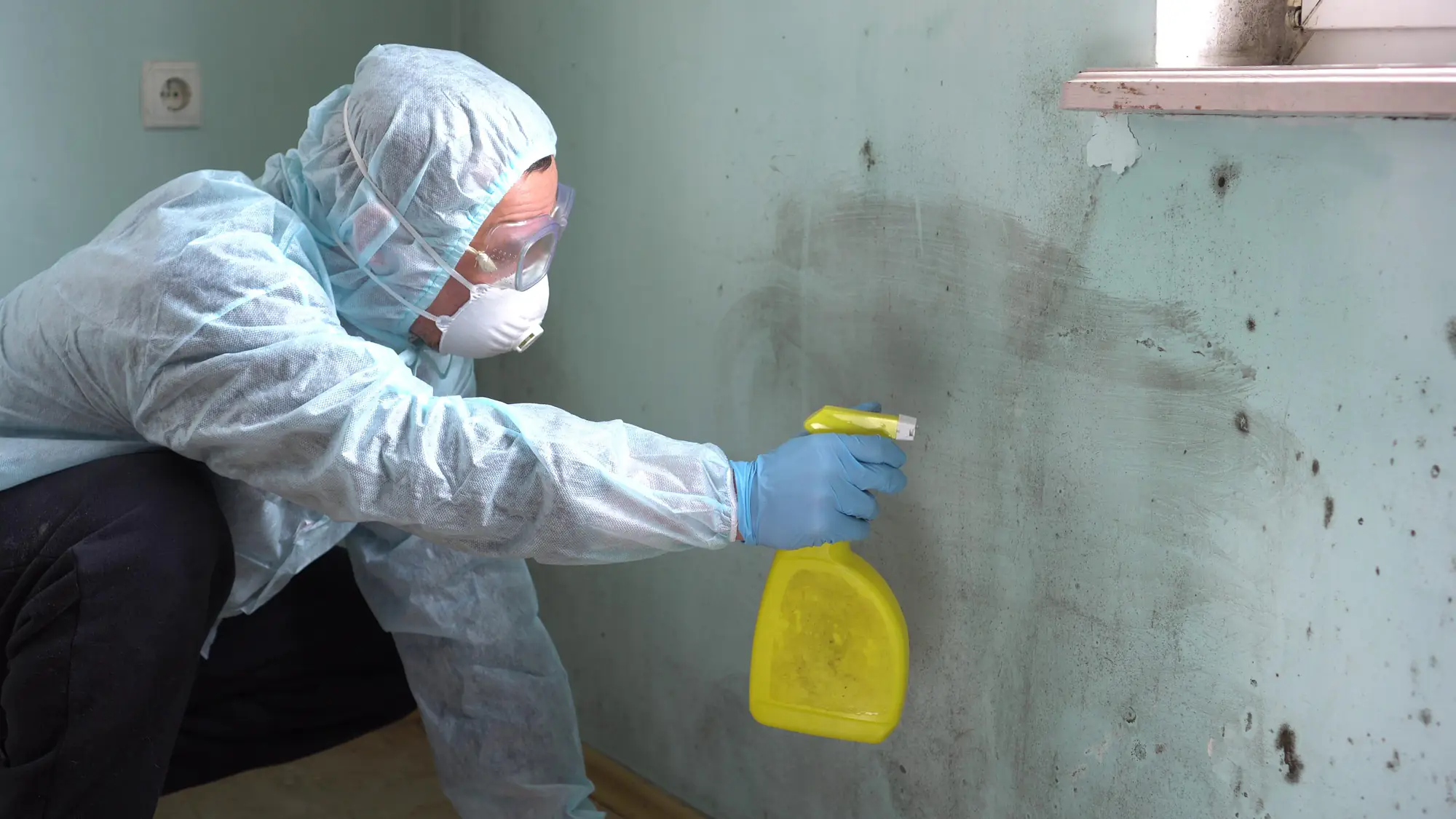
First, we inspect your property for free. That means checking the obvious spots and the hidden ones—behind drywall, under flooring, inside HVAC systems. We’re looking for active mold and the moisture source feeding it.
Once we know what we’re dealing with, we give you a written estimate. No surprises. No upselling. Just a clear scope of work.
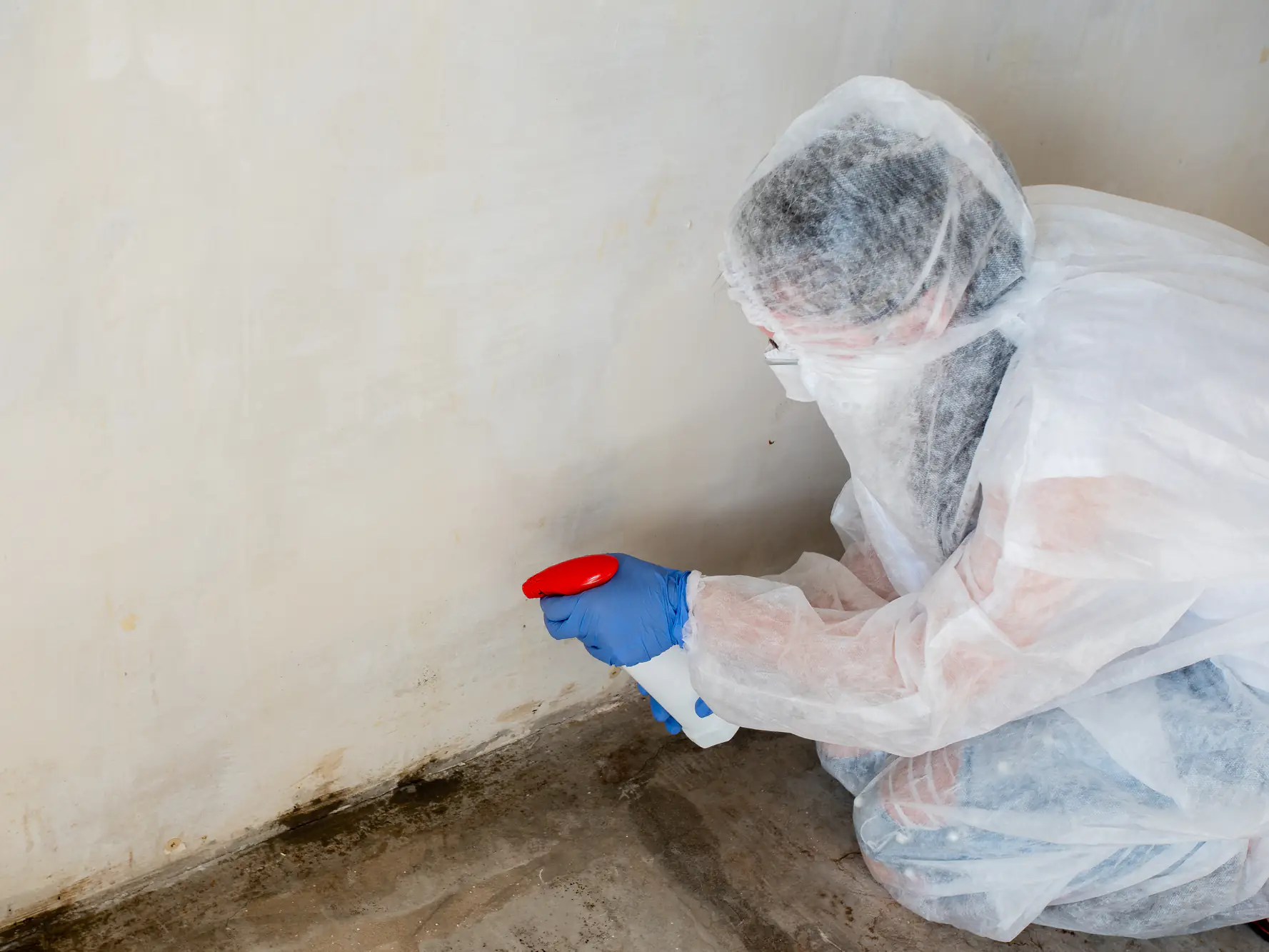
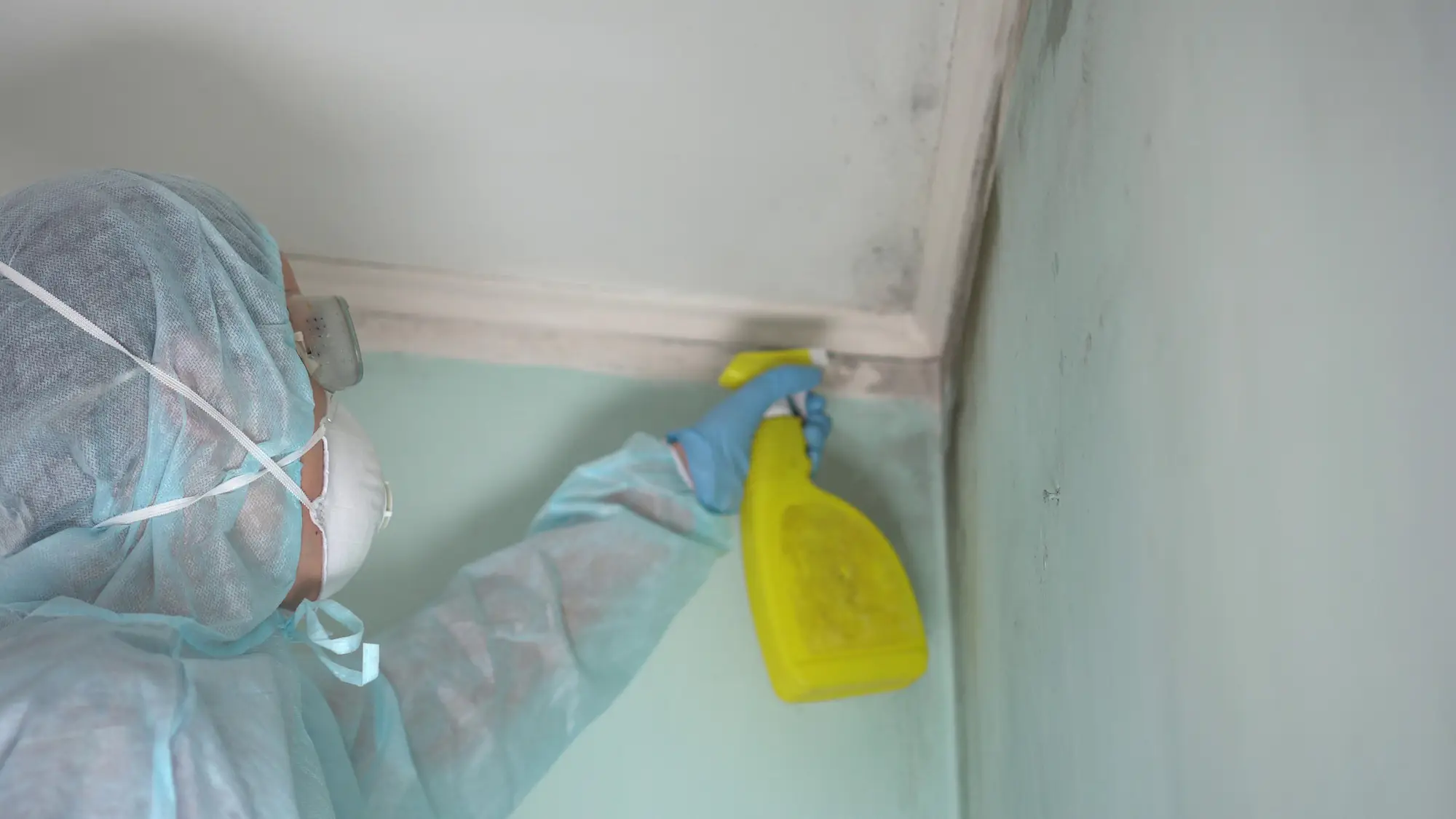
Then we contain the area to keep spores from spreading during removal. We pull out contaminated materials, treat affected surfaces, and use HEPA filtration to clean the air. If the source is a plumbing leak, poor ventilation, or groundwater intrusion, we address that too—or we’ll tell you exactly who can.
After remediation, we verify the work with air quality testing. You get documentation for your records, your insurance company, or your real estate transaction. And if the mold comes back because of our work, we handle it.
Ready to get started?
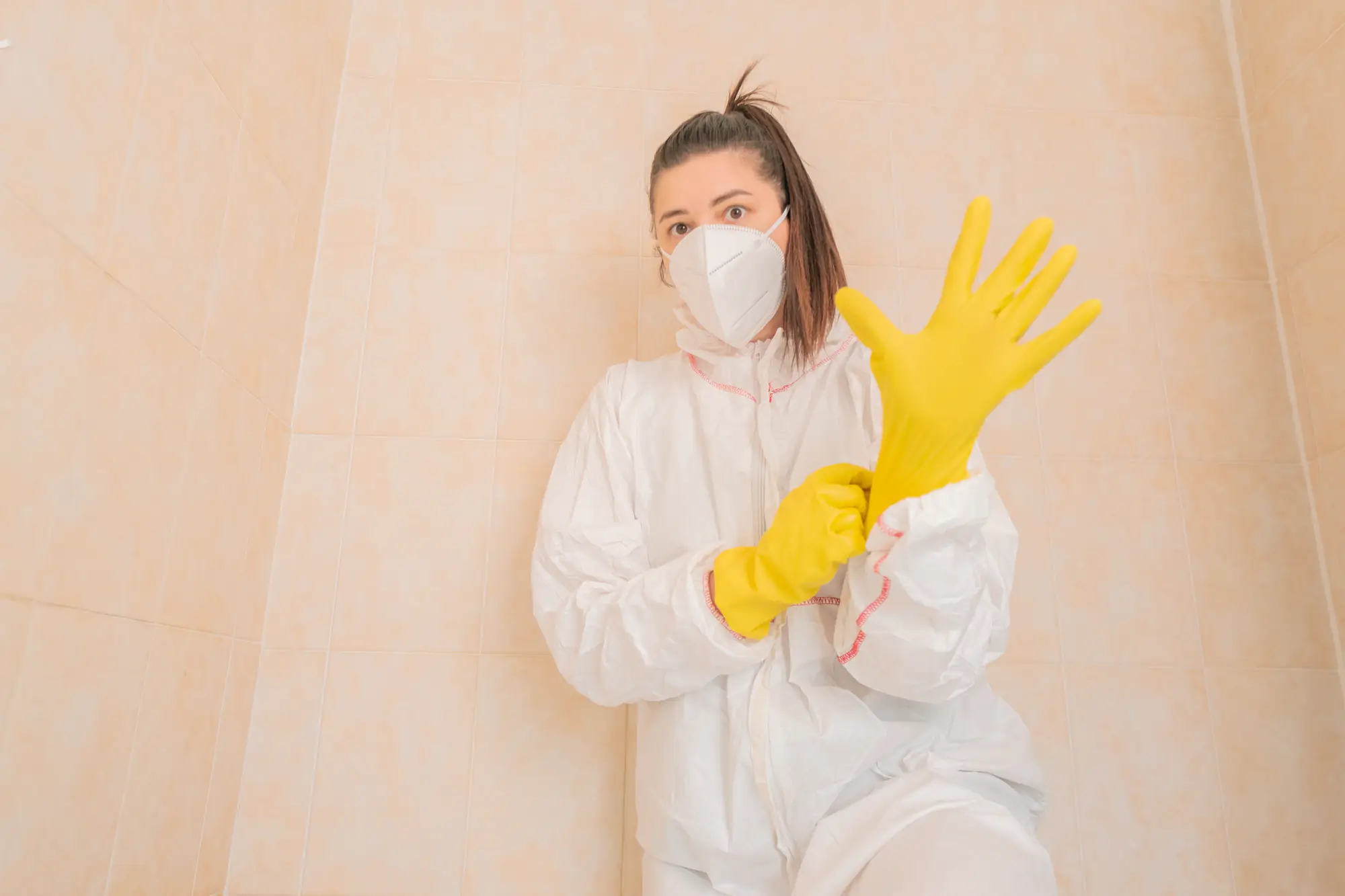
You’re getting a certified mold remediation company that follows EPA guidelines and IICRC standards. That’s not marketing language—it’s how we stay compliant with Pennsylvania regulations and keep your family safe during the process.
In Kintnersville and throughout Bucks County, we see the same issues repeatedly: basement moisture from old foundations, attic mold from poor ventilation, bathroom mold from exhaust fans that don’t actually vent outside. We test to identify the mold type, determine contamination extent, and decide on the removal strategy.
You also get help with insurance claims if your policy covers it. We document everything and work directly with adjusters to move the process along. And if reconstruction is needed after removal—new drywall, flooring, paint—we handle that too.
The goal isn’t just to pass a clearance test. It’s to give you a home where humidity stays below 50%, airflow works correctly, and mold doesn’t have the conditions it needs to grow back.

If the mold covers more than 10 square feet, it’s in your HVAC system, or it’s caused by contaminated water like sewage, you need a professional. The EPA is clear on this.
But even smaller areas can be tricky. If you’ve cleaned mold before and it came back, that’s a sign the moisture source wasn’t fixed. If you’re smelling mildew but can’t find the source, it’s likely hidden behind walls or under flooring. If anyone in your house has respiratory issues, allergies, or a compromised immune system, don’t risk spreading spores with DIY removal.
Most people who call us have already tried cleaning it themselves. It worked for a few weeks, then the mold returned. That’s because surface cleaning doesn’t address what’s feeding the growth—and disturbing mold without proper containment spreads it to new areas. A certified mold inspector can tell you in one visit whether it’s a DIY situation or something that requires containment, HEPA filtration, and safe disposal.
Most residential mold removal jobs take two to five days, depending on the size of the contaminated area and how much reconstruction is needed afterward. A single bathroom might be done in a day. A finished basement with mold behind drywall could take a week.
Whether you can stay in your home depends on the scope of work. If we’re containing one room and the rest of your house has clean air, you’re usually fine. If the contamination is widespread or involves your HVAC system, it’s smarter to stay elsewhere while we work.
We use negative air pressure and physical barriers to keep spores from spreading during removal. But if you have young kids, someone with asthma, or anyone immunocompromised, talk to us during the inspection. We’ll give you an honest answer about whether staying is worth the risk. Your safety matters more than convenience.
It depends on what caused the mold. If it’s from a sudden, accidental event—like a burst pipe or storm damage—most policies cover it. If it’s from long-term neglect, poor maintenance, or a slow leak you didn’t fix, they usually won’t.
Insurance companies also have limits on mold coverage, often capped at $10,000 unless you bought additional protection. And they’ll want proof that you acted quickly once you discovered the problem. Waiting months to file a claim can get it denied.
We work with insurance adjusters regularly and know what documentation they need: photos, moisture readings, scope of work, proof of source elimination. If your claim gets approved, we bill the insurance company directly in most cases. If it’s denied or you don’t have coverage, we offer financing options to make the work affordable. The worst thing you can do is let mold sit while you figure out payment—it spreads fast in Bucks County’s humid climate.
Mold removal sounds like you’re getting rid of every single spore, but that’s not realistic. Mold spores are everywhere—in the air, on surfaces, floating in from outside. You can’t eliminate them completely, and you don’t need to.
Mold remediation is about bringing spore levels back to normal and eliminating the conditions that let mold grow in the first place. That means removing contaminated materials, treating affected areas, controlling humidity, and fixing the moisture source. The goal is a home where mold can’t thrive, not a sterile lab environment.
Some companies use “mold removal” in their marketing because that’s what people search for, but if they’re doing the job correctly, they’re performing remediation. If someone promises to remove every trace of mold from your home, they’re either lying or don’t understand how mold works. What you want is a mold remediation specialist who focuses on source elimination, proper containment, and long-term prevention—not impossible guarantees.
Keep indoor humidity below 50%. That’s the single most important thing. Buy a hygrometer for $15 and check levels regularly, especially in basements, bathrooms, and attics.
Run exhaust fans during and after showers. Make sure they vent outside, not into your attic. Fix leaks immediately—even small drips under sinks or around windows create enough moisture for mold to grow. Clean gutters and downspouts so water drains away from your foundation instead of pooling next to it.
If your basement floods every spring or stays damp year-round, you might need a dehumidifier, better grading around your foundation, or a sump pump. If your crawl space is dirt, consider encapsulation. These aren’t always part of mold remediation, but we’ll tell you during the inspection if they’re necessary.
Mold needs moisture, warmth, and organic material to grow. You can’t control temperature, and your home is full of organic materials like wood and drywall. But you can control moisture. Do that, and mold won’t come back.
“Black mold” usually refers to Stachybotrys chartarum, which can produce mycotoxins under certain conditions. It’s often found on water-damaged drywall, wood, and paper. But not all black-colored mold is Stachybotrys, and not all Stachybotrys produces toxins.
The health risks depend on exposure level, duration, and individual sensitivity. Some people experience respiratory issues, headaches, fatigue, or allergic reactions. Others notice nothing. Young children, elderly individuals, and anyone with asthma or weakened immune systems are most vulnerable.
The CDC and EPA both say the focus should be on removing all mold, regardless of type. Trying to identify the species before remediation just delays the fix. If you’re concerned about toxicity, we can collect samples for lab testing, but it’s not usually necessary. What matters is getting it out of your home safely, finding the moisture source, and preventing regrowth. Whether it’s black mold, green mold, or white mold, the process is the same: contain, remove, treat, and verify.
Other Services we provide in Kintnersville