
Hear from Our Customers
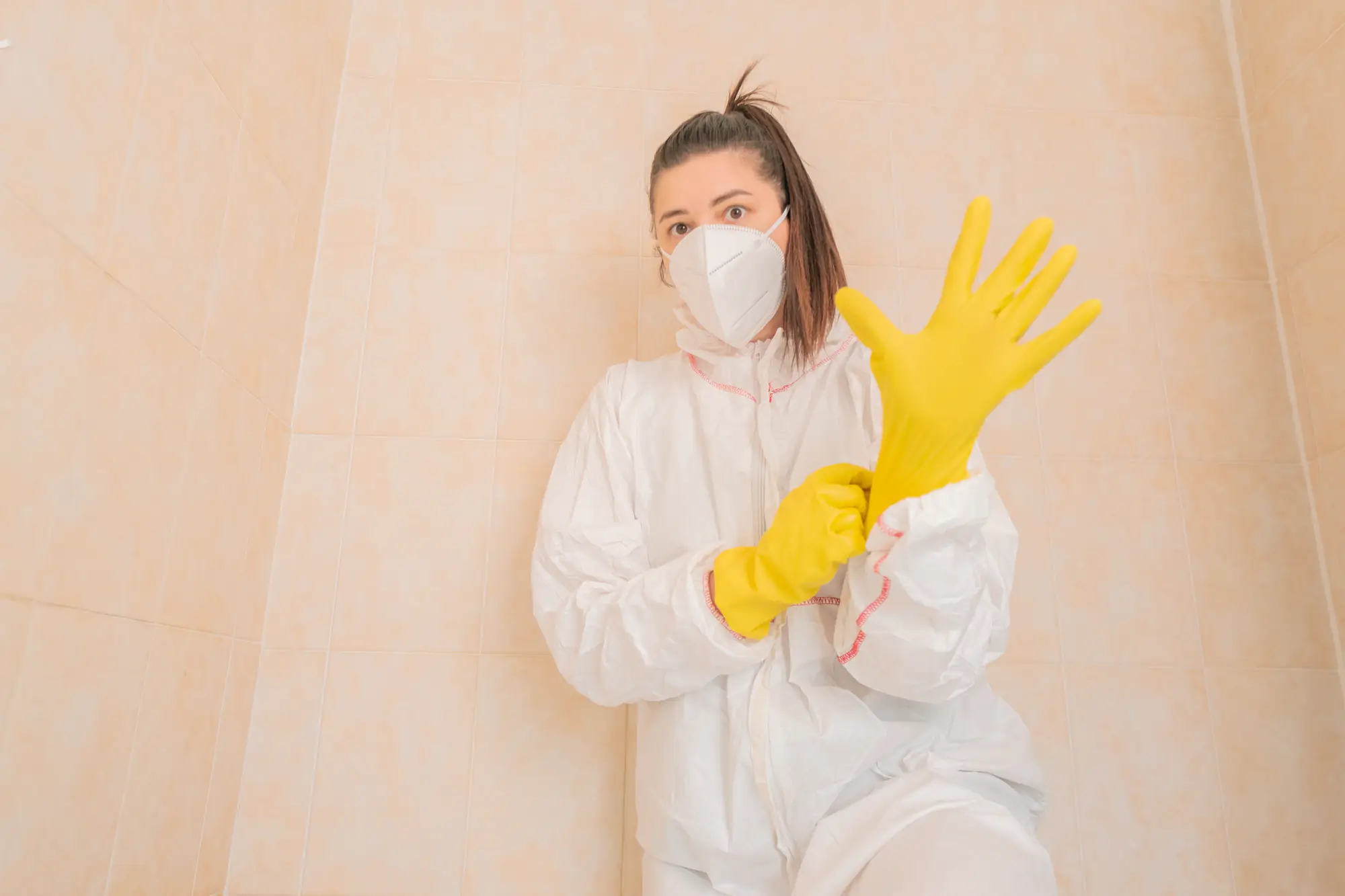
Mold doesn’t just sit on the surface. It spreads behind walls, under floors, into places you can’t see until the damage is already done. And in Dogwood Hollow’s humid climate, what starts as a small spot can turn into a full-blown problem faster than most people realize.
You’re not just dealing with stains or smells. You’re dealing with potential health issues for your family—respiratory problems, allergies, asthma flare-ups. You’re also risking your property value, because mold is one of the fastest ways to kill a real estate deal in Bucks County.
Professional mold remediation means the problem gets handled at the source. The moisture issue gets fixed. The contaminated materials get removed properly. Air quality gets restored. And you get documentation that proves the job was done right—something you’ll need if you ever sell or file an insurance claim.
We’ve spent over 15 years working in Dogwood Hollow and throughout Bucks County. We know exactly how Pennsylvania’s humid summers and wet basements create the perfect conditions for mold growth. We’ve seen what happens when homeowners try to handle it themselves, and we’ve cleaned up after companies that didn’t do it right the first time.
Our team is IICRC-certified, which means we follow the same standards that insurance companies and real estate professionals expect. We use EPA-approved methods, work with independent labs for testing, and document everything so you have proof the job was done correctly.
You’re not hiring a franchise with a call center in another state. You’re working with local mold specialists who understand your specific challenges and respond fast when you need help.
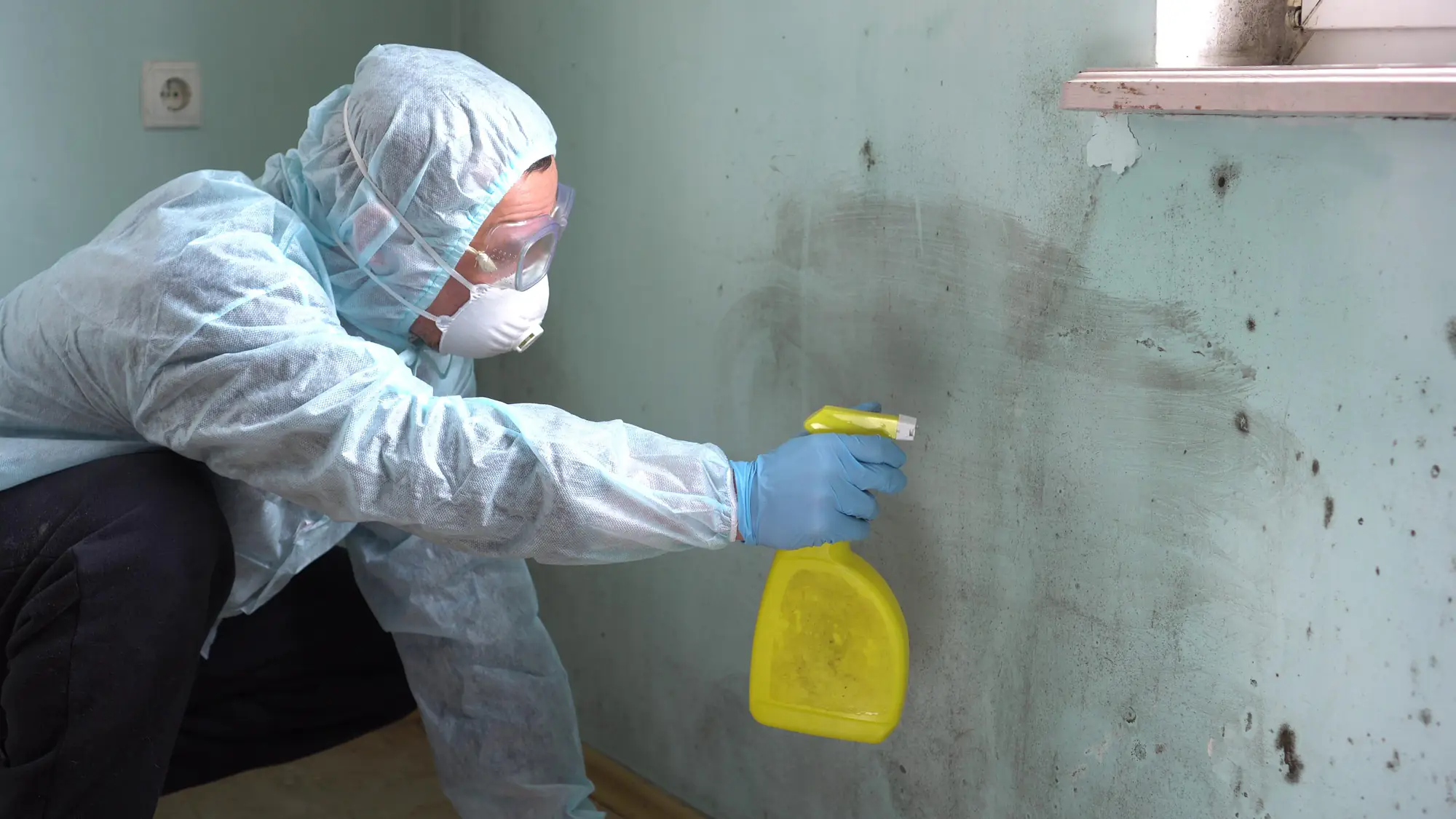
First, we inspect your property using thermal imaging and moisture meters to find both visible and hidden mold. We’re looking for the source of the moisture—because if we don’t fix that, the mold will just come back.
Next, we contain the affected area to prevent spores from spreading to clean parts of your home. We use negative air pressure and physical barriers, not just plastic sheets. Then we remove contaminated materials—drywall, insulation, flooring, whatever can’t be safely cleaned—and dispose of it properly.
After removal, we treat surfaces with antimicrobial solutions and use HEPA filtration to clean the air. We take air samples and send them to an independent lab so you get unbiased results about what was in your home and whether it’s truly gone.
Finally, we provide you with a full report that includes lab results, photos, and documentation of everything we did. If you’re filing an insurance claim or selling your home, you’ll have exactly what you need.
Ready to get started?
You get a thorough inspection that finds mold in attics, basements, crawl spaces, behind walls, and anywhere else it hides in Dogwood Hollow homes. We use professional-grade detection equipment, not just a visual check.
You get containment that actually works—negative air machines, sealed barriers, and proper ventilation control so spores don’t spread during removal. You get safe removal of contaminated materials following Pennsylvania regulations, plus proper disposal that protects your property and your neighbors.
You get independent lab testing from certified facilities that specialize in mold analysis. This isn’t us testing our own work—it’s third-party verification of what species were present and whether remediation was successful.
You get moisture source identification and recommendations, because removing mold without fixing the moisture problem is pointless. And you get complete documentation for insurance claims, real estate transactions, or your own peace of mind. Bucks County’s clay soil and high groundwater tables mean basement moisture is a constant challenge here, and we address that reality in every job we do.

Mold can start forming within 24 to 48 hours after water exposure, especially in Bucks County’s humid climate. This is why fast response matters so much.
If you’ve had a leak, flood, or even just persistent condensation, the clock is already ticking. Mold spores are everywhere—they’re in the air right now—but they need moisture to actually grow. Once they get it, they move fast.
The longer you wait, the more extensive the damage becomes and the more expensive remediation gets. What could have been a small containment job turns into removing drywall, insulation, and flooring. That’s why we prioritize emergency calls and why most insurance policies require prompt action to maintain coverage.
It depends on your specific policy and what caused the mold. Most insurance companies in Pennsylvania will cover mold removal if it resulted from a covered peril like a burst pipe or storm damage—but only if you responded quickly.
If the mold developed from long-term neglect, poor maintenance, or humidity issues you didn’t address, coverage gets much harder to secure. Many policies have mold damage limits, often capping coverage at $10,000 or less unless you purchased additional mold coverage.
This is exactly why documentation matters. We work directly with insurance adjusters, provide detailed reports with photos and lab results, and help you navigate the claims process. The key is calling both your insurance company and a certified mold remediation company as soon as you discover the problem. Waiting even a few days can give your insurer grounds to deny the claim.
You might notice musty odors that won’t go away, even after cleaning. You might see discoloration on walls or ceilings, or notice that certain rooms feel more humid than others. Some people experience worsening allergies or respiratory symptoms that improve when they leave the house.
But the most reliable way to know is professional testing. We use thermal imaging to detect temperature differences behind walls and moisture meters to measure humidity levels in materials you can’t see. These tools find mold in attics, crawl spaces, behind drywall, and under flooring—places where visual inspection alone would miss it.
Bucks County’s humid climate means mold rarely stays contained to just what you can see. If there’s visible growth in one area, there’s often hidden growth nearby. A proper inspection maps out the full extent of the problem before remediation starts, which prevents surprises halfway through the job.
Mold removal usually means cleaning visible mold off surfaces. Mold remediation means addressing the entire problem—finding the source, removing contaminated materials, treating affected areas, fixing the moisture issue, and verifying the work with lab testing.
You can’t actually remove every single mold spore from a building. They’re microscopic and they’re everywhere. What you can do is reduce mold levels to normal, safe concentrations and eliminate the conditions that allowed overgrowth in the first place.
That’s what remediation does. It’s a complete process that includes containment, removal, treatment, moisture control, and verification. Anyone can spray bleach on a moldy wall. A certified mold remediation company fixes the problem so it doesn’t come back, and provides documentation proving the work was done correctly. In Dogwood Hollow, where humidity and basement moisture are constant challenges, that difference matters.
If it’s a very small area—less than 10 square feet—and it’s on a non-porous surface like tile, you might be able to handle it yourself with proper protection. But most mold problems in Bucks County homes are bigger than they look, and black mold specifically can pose serious health risks.
The problem with DIY mold removal is that disturbing mold releases spores into the air. Without proper containment and air filtration, you’re spreading contamination throughout your home. And if you don’t fix the moisture source, the mold will just grow back.
We use containment barriers, negative air pressure, HEPA filtration, and proper disposal methods to prevent cross-contamination. We also identify why the mold grew in the first place—whether it’s a plumbing leak, poor ventilation, basement moisture, or another issue—and address that root cause. If you’re dealing with black mold, hidden growth, or anything larger than a small surface spot, professional remediation is the safer and more effective choice.
Most residential mold remediation projects take between three to seven days, depending on the extent of contamination and how much material needs to be removed. A small bathroom with surface mold might take two to three days. A basement with extensive growth behind walls could take a week or more.
The timeline includes inspection and testing, containment setup, removal of contaminated materials, treatment and cleaning, air filtration, final testing, and documentation. We can’t rush the process—each step has to be completed properly for remediation to work.
Drying time also matters. Even after visible mold is removed, affected areas need to reach proper moisture levels before reconstruction can begin. In Bucks County’s humid climate, that sometimes takes longer than in drier regions. We use commercial dehumidifiers and air movers to speed up the process safely, but we won’t call a job complete until lab results confirm the mold is actually gone and moisture levels are where they should be.
Other Services we provide in Dogwood Hollow