
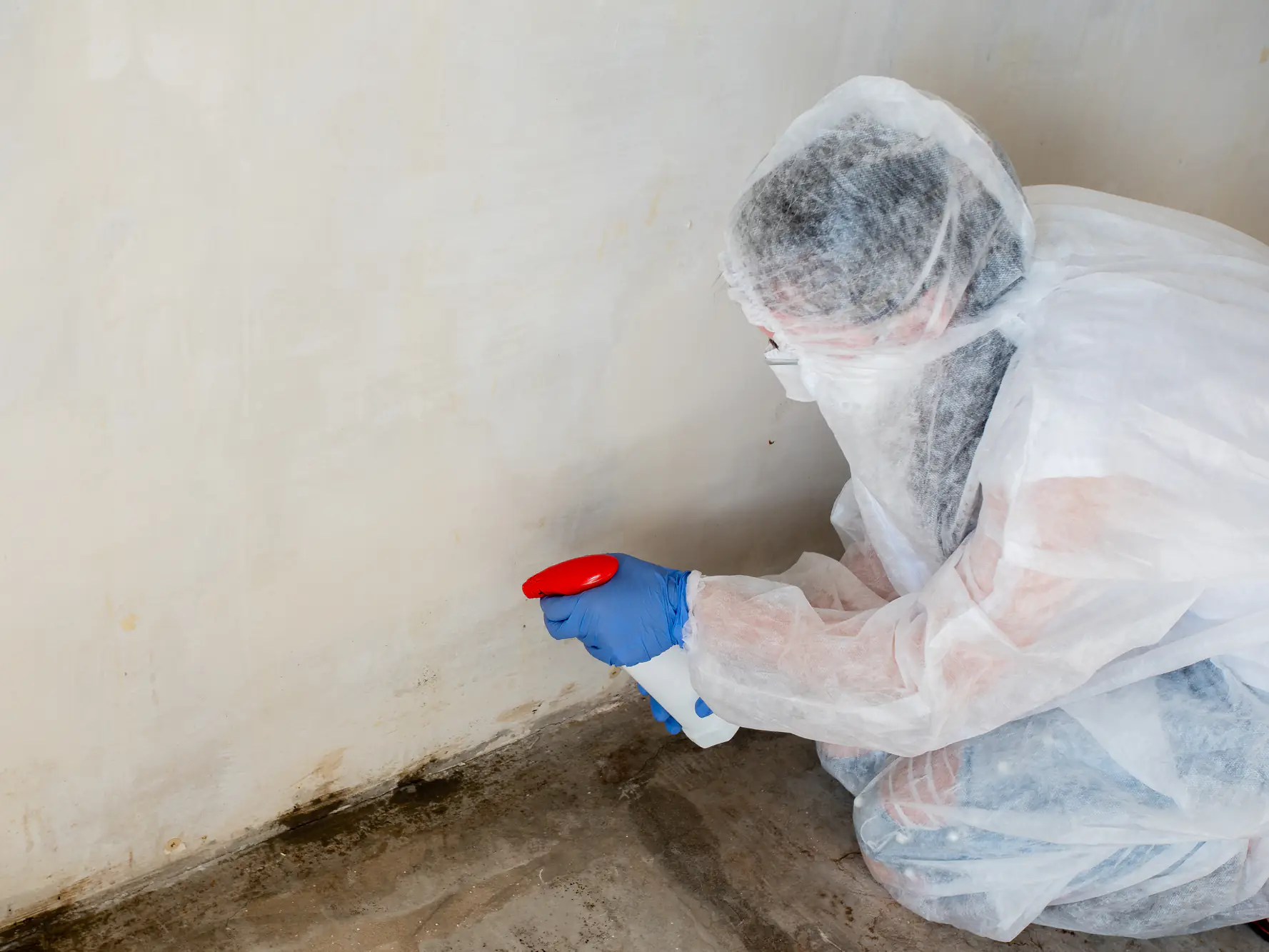
Hear from Our Customers
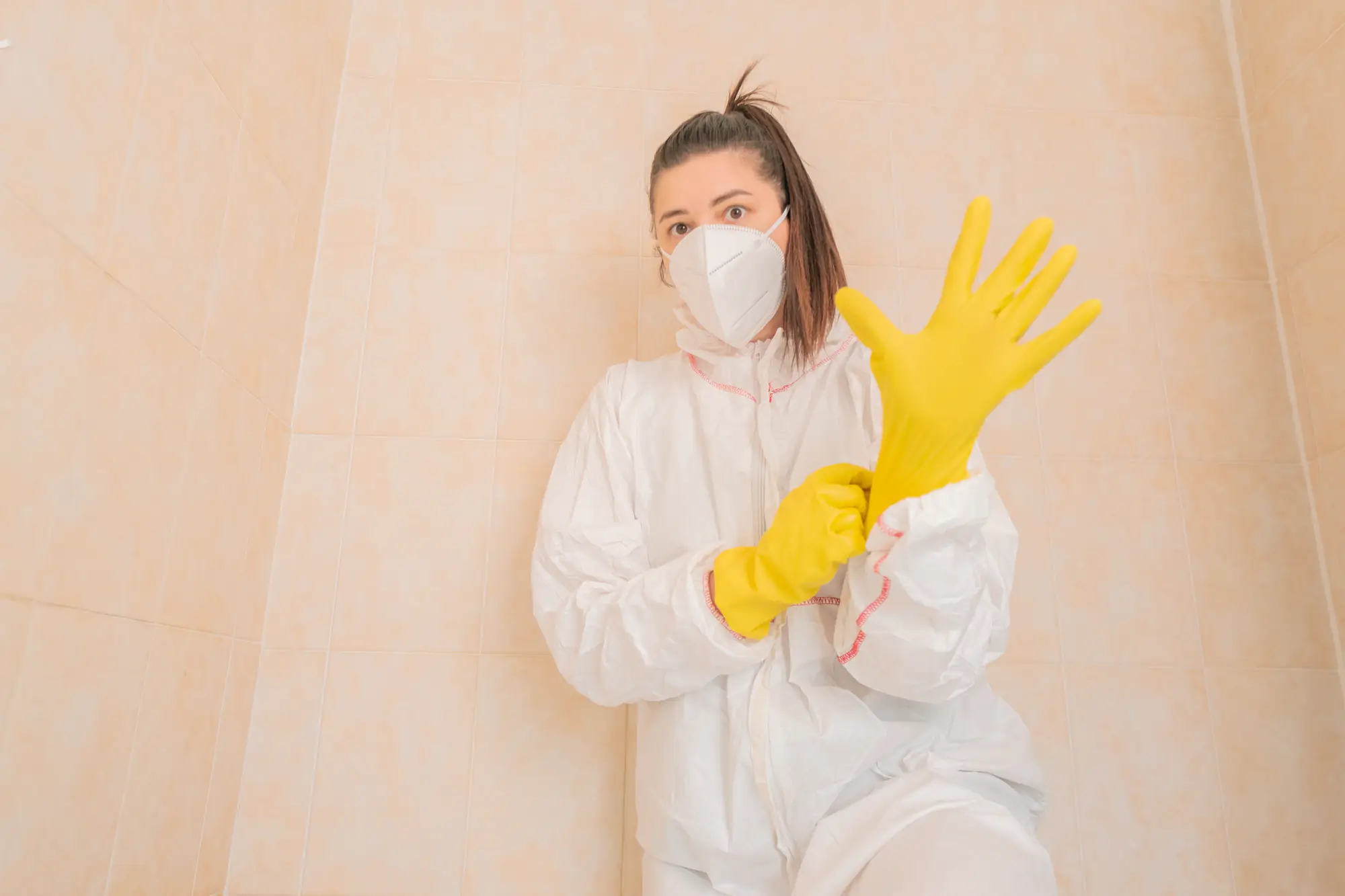
Your air feels lighter. You stop waking up congested or with that scratchy throat you’ve been ignoring for months. Your kids aren’t coughing as much, and you’re not second-guessing every musty smell that drifts through the house.
That’s what happens when mold gets removed the right way. Not just scraped off the surface where you can see it, but tracked down to the source, pulled out completely, and prevented from growing back. Because mold doesn’t stay in one spot. If there’s moisture, it spreads behind walls, under floors, into places you’d never think to check.
When we handle it, the job includes finding where the water’s coming from. A leaky pipe. Poor ventilation in your bathroom. Humidity creeping up from your basement during Wrightstown’s sticky summer months. We don’t guess. We test, we measure, and we map it out. Then we remove it with the kind of equipment and training that keeps spores from spreading to clean areas of your home.
What you’re left with is a house that feels healthier. One less thing to worry about. One less reason to avoid certain rooms or wonder if that dark spot is getting bigger.
Mack’s Mold Removal is a local company that serves Wrightstown and the surrounding Bucks County area. We’re IICRC-certified, which means we follow the actual standards for mold remediation, not just what looks good enough. We know the climate here. We know how basements flood after heavy rain and how attics trap humidity when ventilation isn’t right.
We’ve seen what happens when homeowners try to handle mold themselves or hire someone who only treats the surface. It comes back. Sometimes worse than before. That’s why our approach starts with inspection, moves into remediation, and ends with prevention. We’re not interested in repeat business from the same problem. We’d rather fix it once and have you recommend us to someone else dealing with the same issue.
You’ll work with trained professionals who show up on time, explain what they’re doing, and don’t leave until the job is done right. No runaround. No surprises.
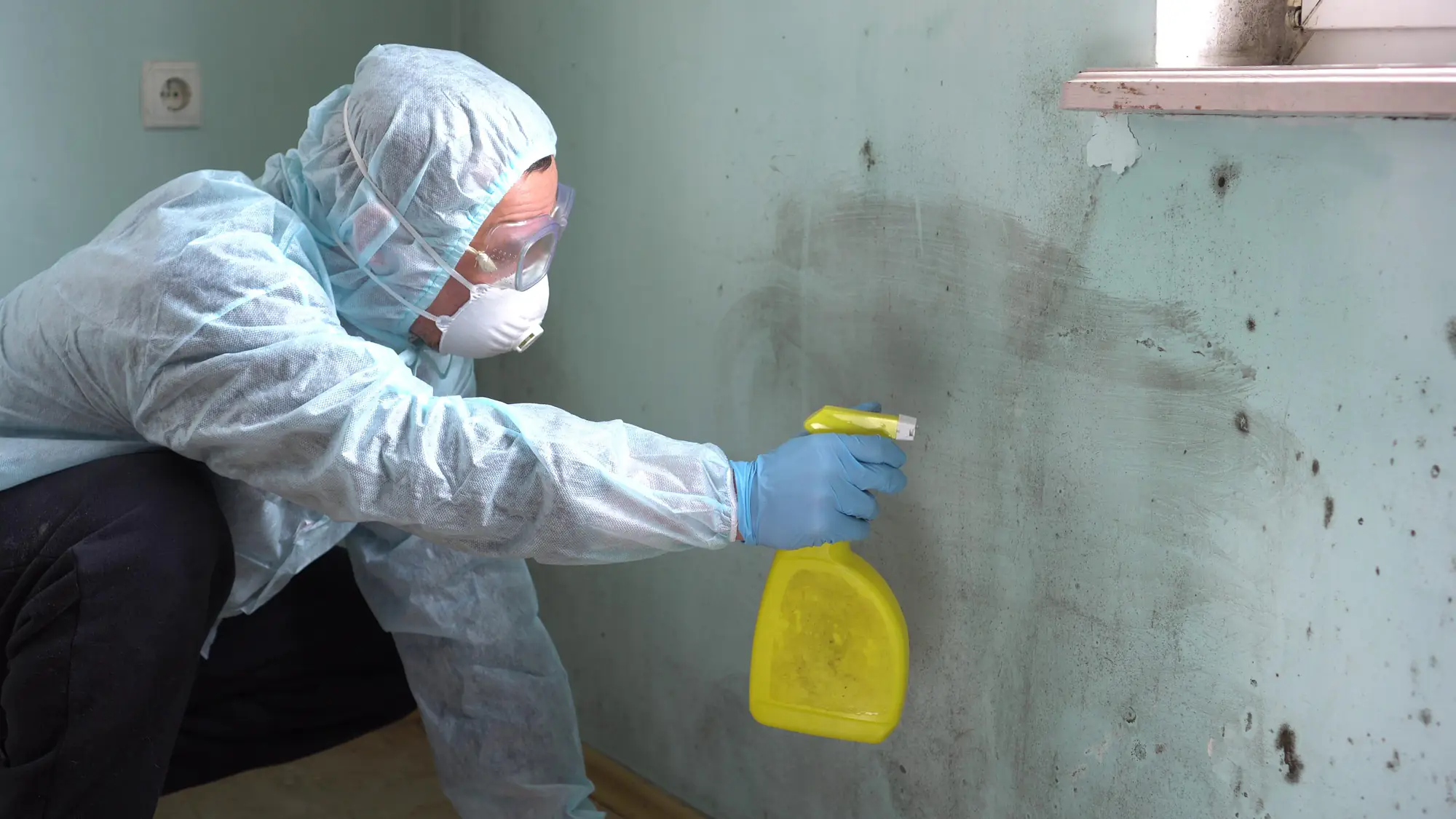
We start with a free inspection. You show us where you’ve seen mold or where you’re smelling something off, and we take it from there. We check the obvious spots and the hidden ones—behind baseboards, inside walls if needed, around HVAC systems. We use moisture meters and infrared cameras to find where water is hiding, because that’s where mold grows.
Once we know what we’re dealing with, we give you a clear estimate. No jargon. No upselling. Just what needs to happen and what it costs. If insurance is involved, we’ll work with them to make the claims process easier.
Then we contain the area so mold spores don’t spread while we’re working. We remove contaminated materials, treat affected surfaces, and use air scrubbers to filter out spores from the air. If there’s a moisture problem—a leak, condensation, poor airflow—we address that too. Otherwise, you’re just setting yourself up for round two.
After remediation, we test the air quality to make sure it’s actually clean. Not just visually clean, but safe. Then we walk you through what we did, what we found, and what you can do to keep it from happening again. You get documentation of everything, which matters if you’re selling your home or dealing with insurance down the road.
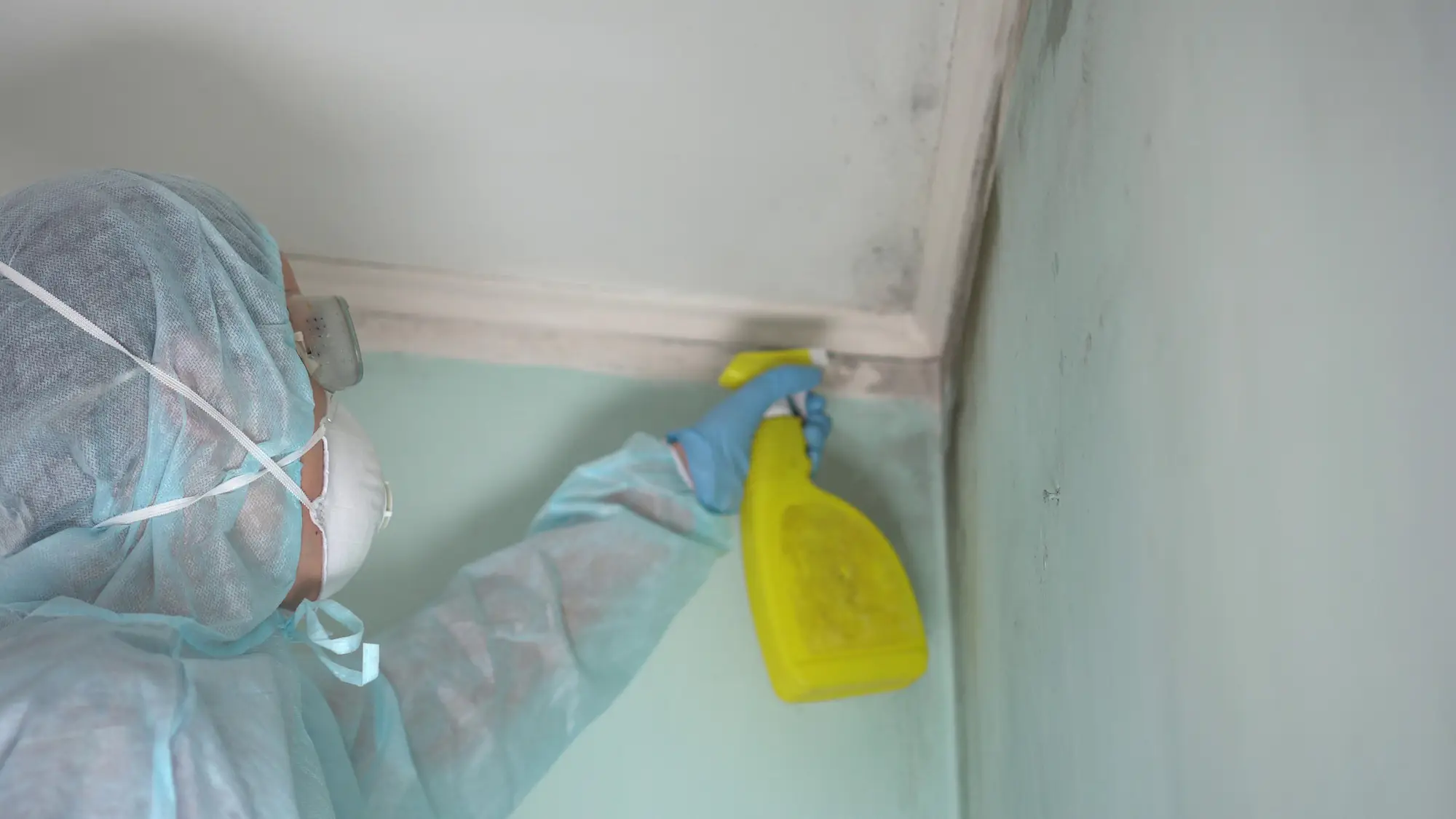
Ready to get started?
When you hire mold removal specialists, you should get the full picture. That means inspection, containment, removal, air filtration, moisture control, and post-remediation testing. Not every company does all of that. Some skip steps to save time or cut costs. That’s how mold comes back.
In Wrightstown, we see a lot of basement mold tied to groundwater issues and poor drainage. Older homes especially. The water table here sits high, and after a few days of rain, basements get damp. If that moisture doesn’t dry out fast enough, mold starts growing within 24 to 48 hours. We’ve also seen plenty of attic mold caused by humidity that gets trapped when ventilation isn’t adequate. Bathrooms are another common spot, especially when exhaust fans aren’t vented properly or when caulking around tubs and showers breaks down.
Our service covers all of it. We don’t just treat the mold you can see. We find what you can’t see and fix the conditions that let it grow in the first place. That includes identifying leaks, improving airflow, recommending dehumidifiers if needed, and sealing entry points for moisture. You’re not just paying for mold removal. You’re paying for a home that stays mold-free.

Mildew is surface-level. It shows up on shower tiles, windowsills, or damp fabrics, and you can usually wipe it off with basic cleaning products. It’s flat, powdery, and typically white or gray. Mold, on the other hand, grows deeper. It can be black, green, brown, or even orange, and it often has a fuzzy or slimy texture.
The bigger difference is where it grows and what it does. Mildew stays on the surface. Mold penetrates porous materials like drywall, wood, and insulation. If you’re seeing discoloration that won’t wipe away, or if you’re smelling something musty even after cleaning, that’s usually mold. And if anyone in your house is dealing with unexplained respiratory issues, watery eyes, or worsening allergies, mold exposure could be the reason.
When in doubt, get it inspected. Trying to guess can cost you time, and mold spreads fast once it starts. A professional mold inspection will tell you exactly what you’re dealing with and whether it’s something you can handle with cleaning or if it requires full remediation.
If it’s a small patch on a non-porous surface—like a little mildew on your shower tile—you can probably handle it yourself with the right cleaner and some ventilation. But if the mold covers more than about 10 square feet, if it’s on porous materials like drywall or wood, or if you don’t know how far it’s spread, you’re better off calling in mold experts.
Here’s why. Mold releases spores when it’s disturbed. If you start scrubbing or tearing out materials without proper containment, those spores spread to other parts of your home and start new colonies. DIY mold removal also misses the hidden growth. You might clean what you see, but mold behind the wall or under the floor keeps growing. Then you’re back to square one in a few weeks or months, except now it’s worse.
Professional mold remediation includes containment, proper removal techniques, air filtration, and moisture control. We’re trained to handle it safely, and we have the equipment to make sure spores don’t spread. If there’s any doubt about the size of the problem or the cause, it’s worth getting it checked. A free inspection costs you nothing and gives you real answers.
It depends on how much mold there is, where it’s located, and what caused it. A small, contained area might cost a few hundred dollars to remediate. A larger job involving multiple rooms, structural materials, or serious water damage can run into the thousands. The only way to know for sure is to get an inspection and an estimate based on your specific situation.
Most mold remediation companies, including us, offer free inspections. We’ll assess the extent of the problem, identify the moisture source, and give you a clear breakdown of what needs to happen and what it will cost. No hidden fees. No surprises later. If insurance is involved, we’ll work with your provider to help with the claims process, which can offset some or all of the cost depending on your policy and the cause of the mold.
The other thing to consider is cost versus consequence. Ignoring mold doesn’t make it go away. It gets worse, spreads further, and causes more damage to your home and your health. The longer you wait, the more expensive remediation becomes. Catching it early and handling it right the first time almost always costs less than dealing with it after it’s been growing unchecked for months.
Mold needs three things: moisture, organic material to feed on, and the right temperature. In Wrightstown, moisture is the main issue. Bucks County gets humid summers and plenty of rain, which creates perfect conditions for mold growth, especially in basements, crawl spaces, and attics.
Basements flood or get damp from groundwater, poor drainage, or foundation cracks. If that moisture doesn’t dry out quickly, mold starts growing on drywall, wood framing, and stored belongings. Attics trap humidity from everyday activities like cooking and showering, and if ventilation isn’t adequate, that moisture condenses on cooler surfaces and creates mold. Bathrooms are another common spot, especially when exhaust fans aren’t vented outside or when caulking around tubs and showers breaks down and lets water seep into walls.
Leaky pipes, roof leaks, and even high indoor humidity during summer months all contribute. Mold can start growing within 24 to 48 hours of water exposure, so even a small leak that goes unnoticed for a few days can turn into a bigger problem. The key is controlling moisture. Fix leaks fast, improve ventilation, use dehumidifiers in damp areas, and address drainage issues around your foundation. That’s how you prevent mold from taking hold in the first place.
It depends on the size and severity of the problem. A small, contained area might take a day or two. A larger job involving multiple rooms, structural damage, or extensive hidden mold can take a week or more. The timeline also depends on how long it takes to dry out the affected areas and address the moisture source.
Here’s the general breakdown. Inspection and assessment happen first, usually within a day. Once we know what we’re dealing with, we contain the area and start remediation. That includes removing contaminated materials, treating surfaces, and running air scrubbers to filter out mold spores. Drying out the space is often the longest part, because materials need to reach safe moisture levels before we can close everything back up.
After remediation, we test the air quality to confirm the mold is gone and the space is safe. Then we provide documentation and recommendations for preventing future growth. We’ll give you a clear timeline during the estimate so you know what to expect. If it’s an emergency situation—like after a flood or major leak—we can often start the same day or within 24 hours. The faster we get started, the less damage mold can do and the shorter the overall process.
It depends on what caused the mold and what your policy covers. Most homeowners insurance policies cover mold remediation if the mold resulted from a covered peril, like a burst pipe, roof leak from storm damage, or water damage from a failed appliance. If the mold is due to long-term neglect, lack of maintenance, or flooding from external sources, it’s usually not covered.
The key is proving that the mold came from a sudden, accidental event rather than something that’s been building up over time. That’s why documentation matters. When we do an inspection, we identify the moisture source and provide detailed reports that you can submit to your insurance company. We also work directly with insurance adjusters to make the claims process easier and faster.
If you’re not sure whether your policy covers mold, check your declarations page or call your insurance agent before you start remediation. Some policies have specific mold coverage limits or exclusions, so it’s worth knowing upfront. Even if insurance doesn’t cover it, addressing mold quickly is still the right move. The longer it grows, the more damage it causes to your home and your health, and the more expensive remediation becomes. We offer transparent pricing and can work with you on payment options if needed.
Other Services we provide in Wrightstown