

Hear from Our Customers
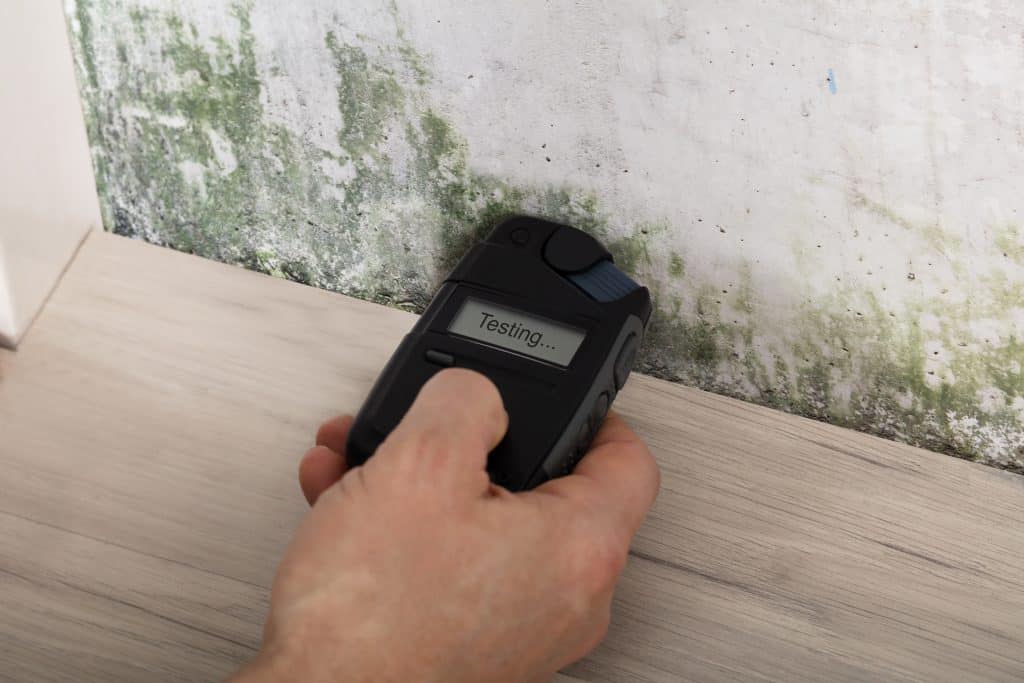
You shouldn’t have to wonder if the air in your own home is making you sick. Mold doesn’t just look bad—it grows fast, hides in places you can’t see, and puts everyone under your roof at risk.
When we finish a job, you’re not just getting rid of visible mold. You’re getting documentation that proves your home is clean, air quality that actually feels different, and the confidence that the problem won’t come back next season. No guessing. No lingering smell. Just a home you can trust again.
Bucks County’s humidity and temperature swings create the perfect conditions for mold to take over basements, crawl spaces, and attics. If you’ve had water damage, condensation issues, or even just noticed a musty smell, waiting only makes it worse. The longer mold sits, the more it spreads—and the more expensive it gets to fix.
We serve Wrightstown and the surrounding Bucks County area with one focus: getting mold out the right way. We’re not a national chain that treats every job the same. We live here, we work here, and we understand how this climate works against your home.
Wrightstown’s clay soil, high groundwater, and humid summers mean basements stay damp and attics trap moisture. We’ve seen it all—flooded basements after spring storms, HVAC systems spreading spores, and hidden mold behind walls that homeowners didn’t know existed until it became a health issue.
When you call us, you’re talking to people who’ve handled hundreds of local jobs and know exactly what to look for. We use EPA-approved methods, provide full documentation for insurance, and don’t leave until the job is done right.

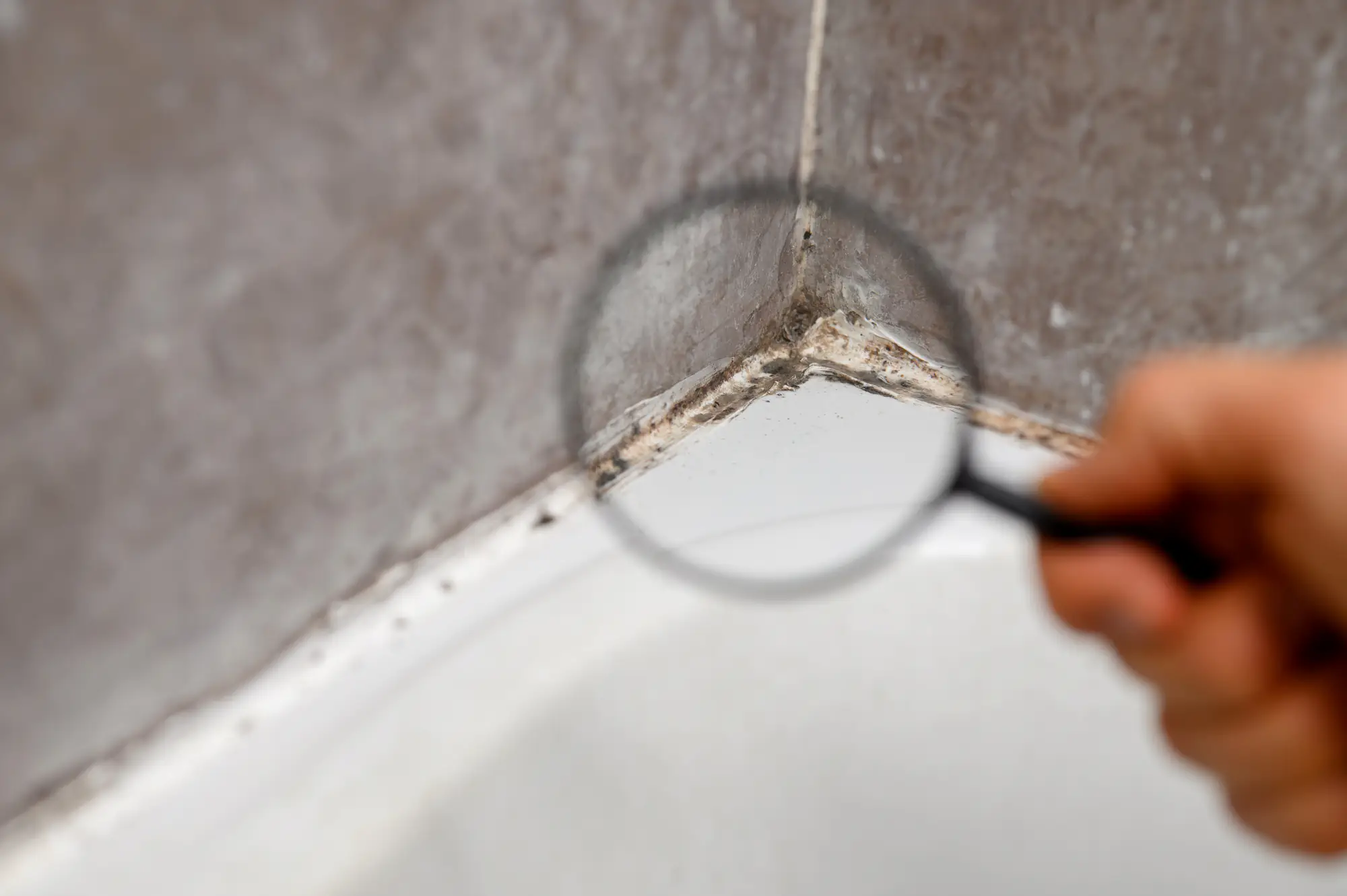
First, we come out for a free inspection. We’re not just looking at the obvious spots—we’re checking behind walls, under floors, in attics, and anywhere moisture likes to hide. If there’s mold, we’ll find it.
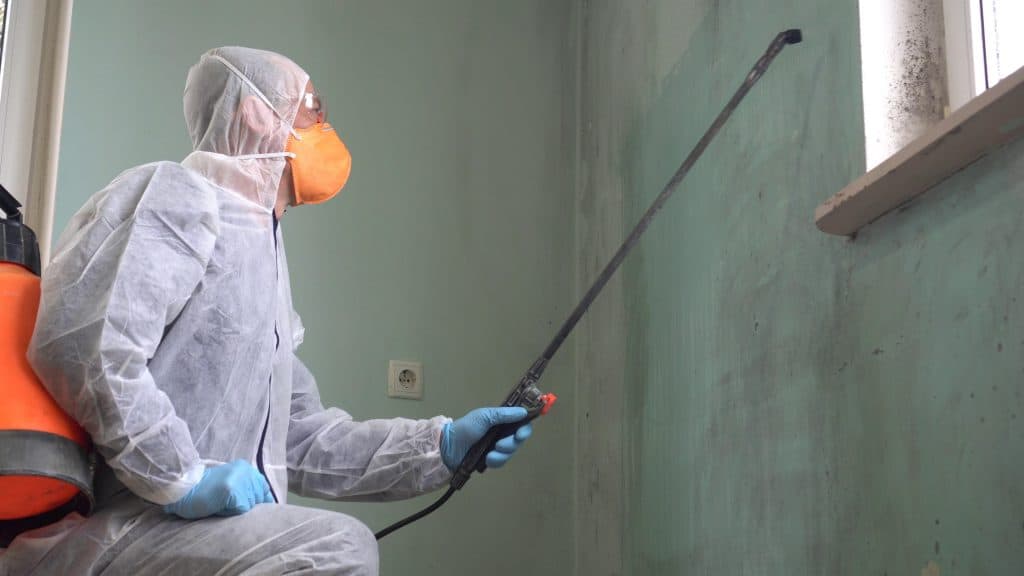
Once we know what we’re dealing with, we contain the area to stop spores from spreading to clean parts of your home. Then we remove the mold using EPA-approved methods and treat the surfaces to prevent regrowth. If materials like drywall or insulation are too far gone, we remove and dispose of them safely.
But here’s the part most mold removal companies skip: we find the moisture source. Whether it’s a leaky pipe, poor ventilation, or groundwater seeping through your foundation, we identify what caused the mold in the first place. If we don’t fix that, the mold just comes back.
After removal, we test the air quality and give you full documentation—before-and-after photos, lab results, and everything your insurance company needs. You’re not taking our word for it. You’re getting proof your home is safe.
Ready to get started?
Every job starts with a thorough inspection at no cost to you. We assess the extent of the problem, identify the moisture source, and explain exactly what needs to happen. No pressure, no upselling—just honest answers.
Our mold removal process includes containment to prevent cross-contamination, complete removal of affected materials, HEPA filtration to clean the air, and antimicrobial treatment to stop regrowth. If structural materials need replacing, we handle that too.
In Wrightstown and Bucks County, we commonly see mold caused by basement moisture from clay soil and high groundwater tables, attic condensation from temperature extremes, and HVAC contamination from humidity fluctuations. We’ve worked in homes built in every decade, and we know how each type of construction handles moisture differently.
You also get complete documentation for insurance claims—photos, air quality test results, and a detailed report showing the work was done to EPA standards. We work directly with your insurance company to handle the paperwork and help you get the coverage you’re entitled to. Most homeowners don’t realize their policy covers mold remediation if it’s tied to a covered event like a burst pipe or storm damage.
Most mold removal jobs in Bucks County run between $1,500 and $6,000, depending on the size of the affected area and how far the mold has spread. Small jobs—like a bathroom or closet—can cost as little as $500 to $1,500. Larger projects involving basements, attics, or multiple rooms can reach $3,000 to $6,000 or more.
The cost depends on square footage, the type of mold, whether structural materials need replacing, and how accessible the area is. Black mold removal typically costs more because it requires stricter containment and safety protocols. If your HVAC system is contaminated, that adds to the price because we have to clean or replace ductwork.
Here’s the thing: catching mold early saves you money. A small patch of mold in a bathroom is a quick fix. That same mold left untreated for six months can spread into walls, floors, and adjoining rooms—turning a $1,000 problem into a $5,000 problem. If your insurance covers the damage, we’ll work with them directly to handle claims and documentation.
Most residential mold removal jobs take between one and five days, depending on the size and severity of the problem. A small, contained area like a bathroom or closet might only take a day. A full basement or attic remediation can take three to five days, especially if we need to remove drywall, insulation, or flooring.
The timeline also depends on how long it takes to dry out the space after we remove the mold. We use industrial dehumidifiers and air movers to bring moisture levels down, which can add a day or two. Rushing this step is a mistake—if the area isn’t completely dry, mold will just come back.
During the process, we contain the work area so the rest of your home stays livable. You don’t have to move out unless the contamination is extreme or affects your HVAC system. We’ll walk you through the timeline during the inspection so you know exactly what to expect and can plan accordingly.
If the mold covers less than 10 square feet and it’s on a hard, non-porous surface like tile or glass, you can usually handle it yourself with the right cleaner and protective gear. Anything larger than that, or any mold on porous materials like drywall, wood, or carpet, needs a professional mold removal company.
Here’s why: mold spreads through microscopic spores that become airborne when disturbed. If you don’t contain the area properly, you’re just spreading the problem to other parts of your home. DIY mold removal also doesn’t address the moisture source, which means the mold will grow back—sometimes within weeks.
Black mold and other toxic varieties are especially dangerous to handle without proper equipment. Exposure can cause respiratory problems, allergic reactions, and long-term health issues. We use HEPA filtration, containment barriers, and EPA-approved antimicrobials to remove mold safely and completely. We also test the air quality afterward to confirm your home is safe—something you can’t do on your own.
Mold needs three things to grow: moisture, oxygen, and organic material to feed on. In Wrightstown and Bucks County, the biggest culprit is moisture. Our humid summers, clay soil, and high groundwater tables create constant moisture problems in basements and crawl spaces.
Common causes include water damage from burst pipes, roof leaks, or flooding; condensation in attics and bathrooms from poor ventilation; and foundation issues that let groundwater seep through basement walls. HVAC systems can also spread mold if condensation builds up in ducts or around units.
Mold can start growing within 24 to 48 hours after water exposure, and in Bucks County’s humid climate, that timeline can be even shorter during summer months. If you’ve had any water damage—even something minor like a slow leak under a sink—it’s worth getting an inspection. Most homeowners don’t realize they have a mold problem until they see visible growth or start noticing health symptoms like coughing, headaches, or worsening allergies.
It depends on what caused the mold. Most homeowners insurance policies cover mold remediation if the mold resulted from a covered peril—like a burst pipe, appliance malfunction, or storm damage. If the mold is due to long-term neglect, poor maintenance, or flooding, your policy probably won’t cover it.
The key is acting fast. If you have water damage, you typically need to start cleanup within 24 to 48 hours to stay covered. Waiting too long can give your insurance company a reason to deny the claim. We work directly with insurance companies to provide the documentation they need—photos, moisture readings, air quality tests, and detailed reports.
Even if your policy has a mold exclusion, there’s often a sub-limit that covers a certain amount of remediation, usually between $5,000 and $10,000. We’ll review your policy with you during the inspection and help you understand what’s covered. Our goal is to make the claims process as smooth as possible so you can focus on getting your home back to normal.
The only way to prevent mold from returning is to control moisture. After we remove the mold, we identify the source—whether it’s a plumbing leak, poor ventilation, or foundation issues—and recommend fixes. If you don’t address the root cause, mold will grow back no matter how thorough the removal was.
Keep indoor humidity below 60 percent, especially during summer. Use dehumidifiers in basements and crawl spaces, and make sure bathrooms and kitchens have proper ventilation. Fix leaks immediately, even small ones. Check your gutters and downspouts to make sure water drains away from your foundation, not toward it.
In Bucks County, where humidity and groundwater are constant challenges, regular inspections can catch problems before they become expensive. If your basement tends to stay damp or you’ve had mold before, it’s worth having a professional check things out once a year. Small preventive steps now save you thousands in remediation costs later.
Other Services we provide in Wrightstown