
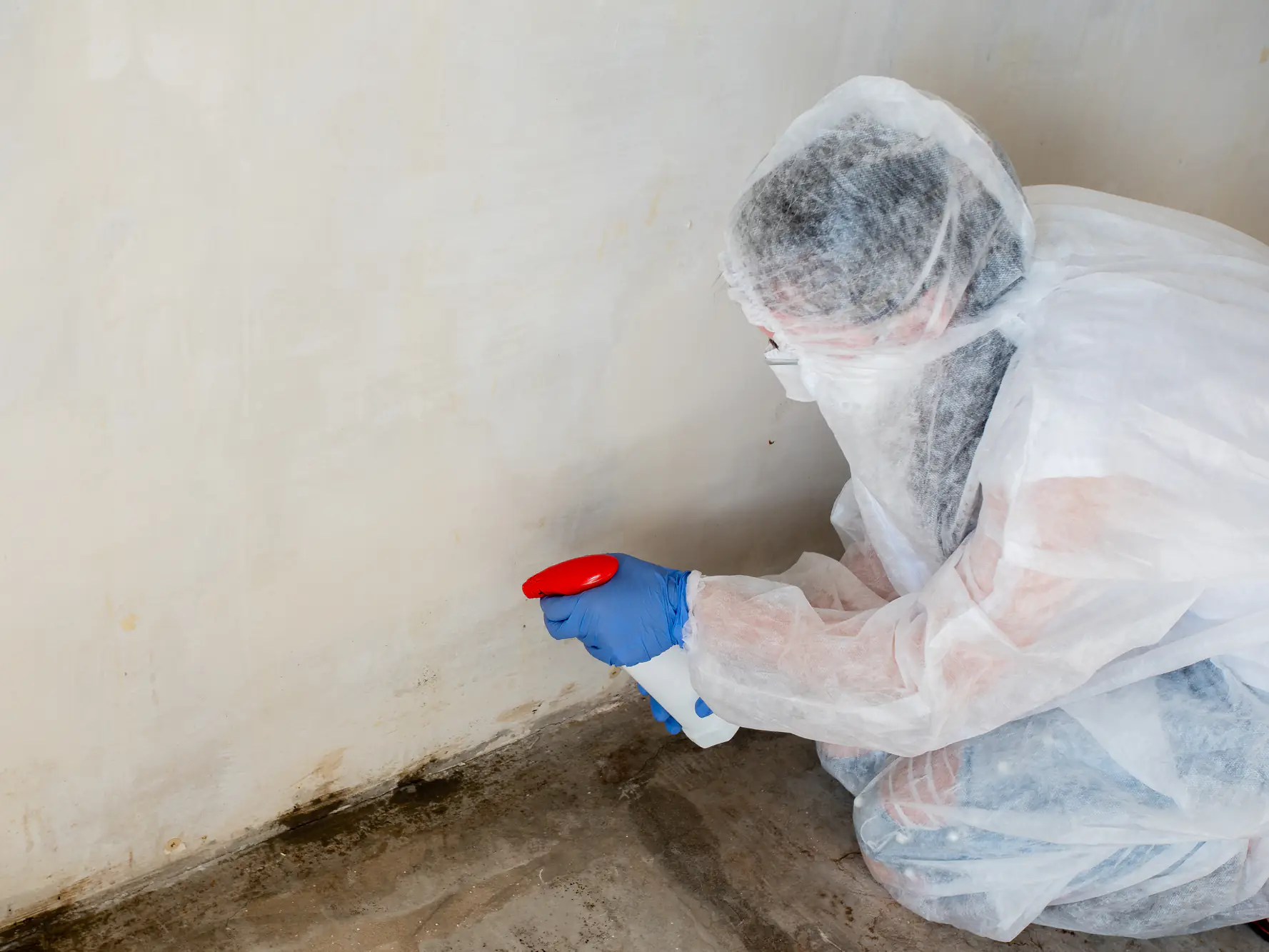
Hear from Our Customers
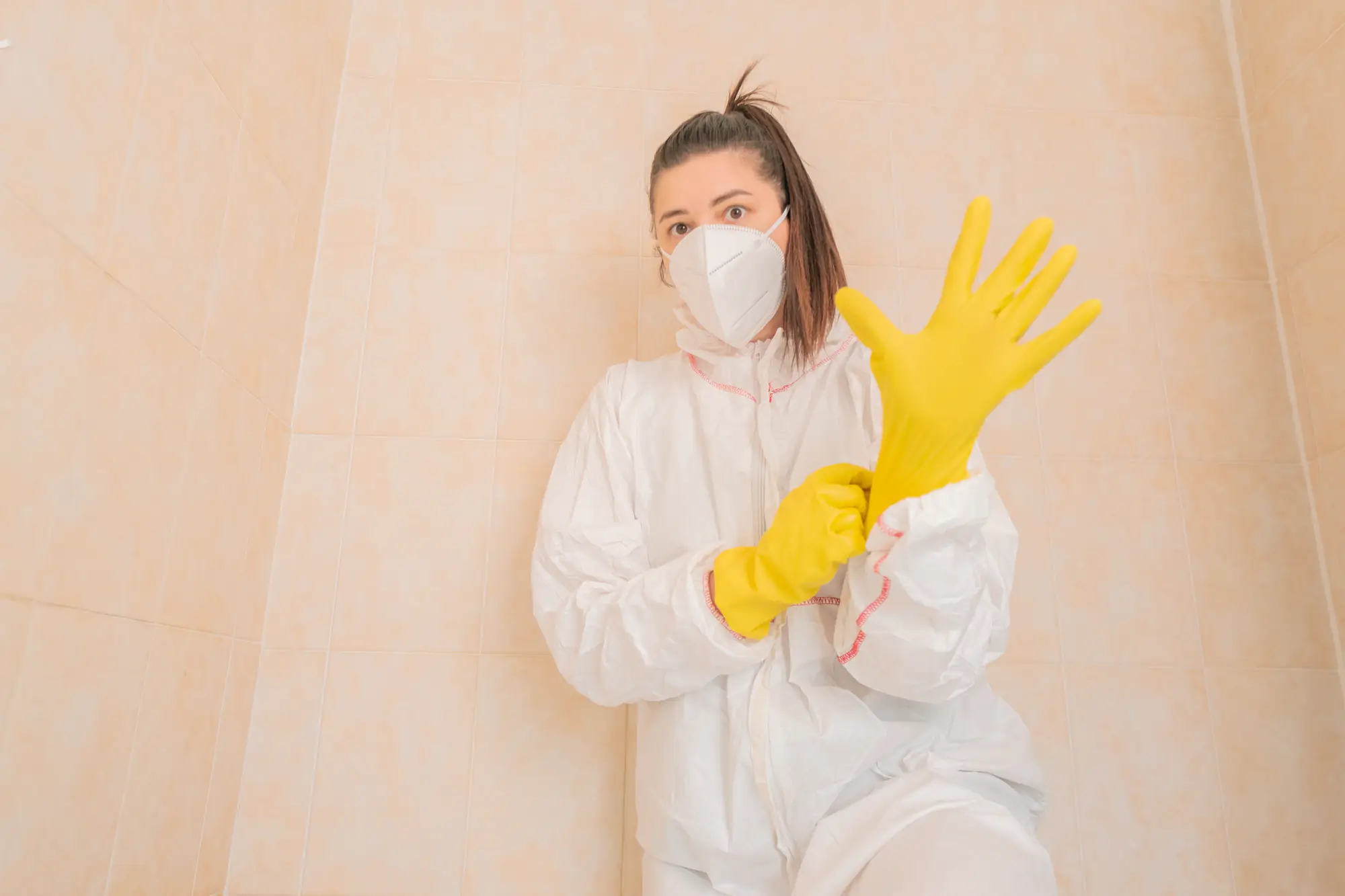
Mold doesn’t just look bad. It affects how you breathe, how your kids feel, and whether you can sell your house without losing tens of thousands in value.
When mold gets handled the right way, you’re not wondering if it’s going to come back in six months. You’re not second-guessing whether that cough is related to what’s growing behind your bathroom wall. You know what was there, you know what got removed, and you know why it showed up in the first place.
That’s what happens when the job goes beyond scrubbing visible spots. You get air quality back. You get peace of mind back. And if you’re planning to list your home, you get your equity back—because buyers won’t walk away over something that’s already been properly handled.
We’ve been serving New Hope and Bucks County since 2009. We’re not a franchise or a national chain that showed up last year—we’re local, and we’ve seen what happens to older homes in this area when basements flood, crawl spaces stay damp, and humidity sits too long after a pipe leak.
We know the housing stock here. A lot of homes in New Hope were built before modern moisture barriers were standard. That means you’re dealing with stone foundations, poor ventilation, and spaces that trap water without you even knowing it.
Our team includes certified mold inspectors who’ve worked in hundreds of homes across Bucks County. We don’t guess. We test, we document, and we show you exactly what’s happening before we touch anything.
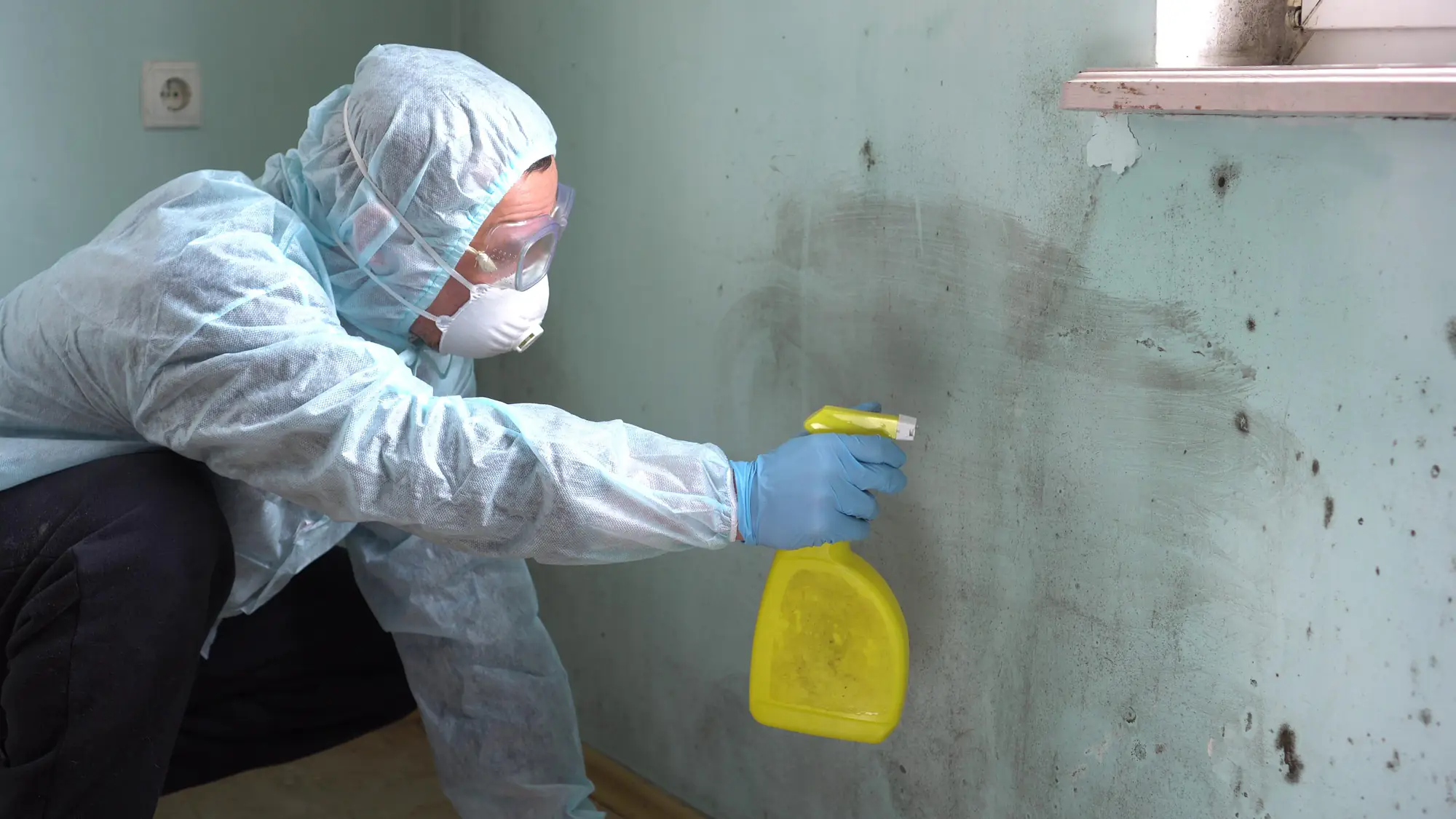
It starts with a free inspection. We’re not charging you $300 to $800 just to tell you there’s a problem—you already know that. We use moisture meters, thermal imaging, and infrared cameras to find where the water is, not just where the mold is.
Then we take samples and send them to an independent certified lab. You get a report that tells you what species of mold you’re dealing with, how much of it is in the air, and whether it’s the kind that poses health risks. No guessing. No upselling based on fear.
Once we know what we’re working with, we contain the area so spores don’t spread during removal. We pull out contaminated materials, treat affected surfaces, and use HEPA filtration to clean the air. Then we go after the source—whether that’s a leaky pipe, poor ventilation, or a drainage issue outside.
After everything’s removed and dried, we can help with the rebuild if you need it. You’re not coordinating three different contractors. It’s handled.
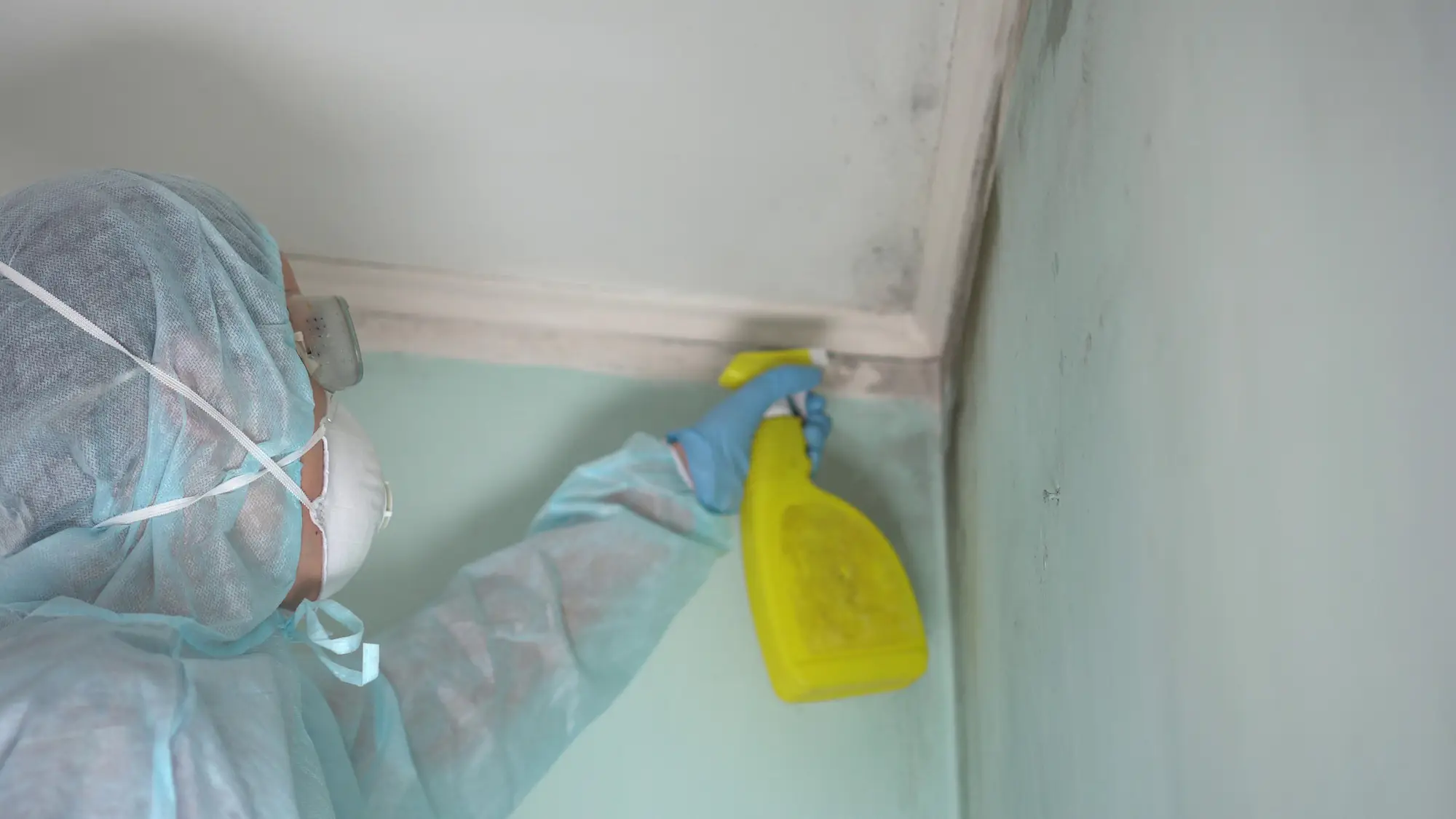
Ready to get started?
You’re getting a certified inspection with advanced detection equipment that most homeowners don’t have access to. That includes thermal imaging to spot hidden moisture, plus lab-tested air and surface samples so you know exactly what’s growing and where.
You’re also getting containment and removal that follows EPA standards. We don’t just spray bleach and call it done. We remove the materials that can’t be saved, treat what can, and make sure the air is clean before we leave.
In Bucks County, basements are a common problem area—especially in older homes near the Delaware River or properties with stone foundations. We see it all the time: water seeping through walls, condensation building up in crawl spaces, and mold taking hold before anyone notices. If your home was built before 1980, chances are it wasn’t designed with moisture control in mind.
We also work with your insurance company if your mold problem is related to a covered event like a burst pipe or storm damage. That can save you thousands in out-of-pocket costs, and we handle the paperwork so you don’t have to fight with your adjuster.

It depends on how much mold there is and where it’s growing. Most jobs in Bucks County run between $3,000 and $10,000, but that can go higher if the contamination is severe or if it’s spread into your HVAC system or multiple rooms.
Small jobs—like mold in a bathroom from a slow leak—might cost closer to $1,500 to $3,000. Larger jobs, like a finished basement that flooded and wasn’t dried out in time, can run $15,000 or more if drywall, insulation, and flooring all need to come out.
We give you a detailed estimate after the inspection, so you know what you’re paying for before any work starts. If your mold problem is related to a sudden water event, your homeowner’s insurance may cover part or all of the cost. We’ll work with your insurance company to help you file the claim and get reimbursed.
You might see it—dark spots on walls, discoloration on ceilings, or a fuzzy texture growing in corners. But a lot of times, you smell it before you see it. Mold has a musty, earthy odor that doesn’t go away even after you clean.
Other signs include respiratory symptoms that get worse at home, like coughing, sneezing, or itchy eyes. If someone in your house has asthma and it’s flaring up more than usual, mold could be the trigger. You might also notice water stains, peeling paint, or warped baseboards—those are all signs that moisture has been sitting too long.
The tricky part is that mold often grows in places you can’t see: behind drywall, under carpets, inside air ducts, or in crawl spaces. That’s why we use thermal imaging and moisture meters during inspections. We’re not just looking at what’s visible—we’re finding the hidden problem areas that are feeding the growth.
If it’s a very small area—less than 10 square feet—and it’s on a hard, non-porous surface like tile, you can try cleaning it yourself with the right products. But even then, you’re only treating the surface. If you’re not fixing the moisture problem, it’s coming back.
For anything larger, or if the mold is on drywall, wood, insulation, or carpet, DIY removal usually makes things worse. Disturbing mold releases spores into the air, and without proper containment, you’re spreading the problem to other parts of your home. You also risk exposure to black mold, which can cause serious respiratory issues.
Most homeowners don’t have the equipment needed to do this safely—HEPA vacuums, air scrubbers, containment barriers, and protective gear. And if you miss even a small patch, the mold will regrow. Professional removal costs more upfront, but it’s cheaper than doing it twice or dealing with health problems down the road.
For most residential jobs, the actual removal takes one to three days. Smaller projects, like a single bathroom or closet, can sometimes be done in a day. Larger jobs—like a full basement or multiple rooms—might take a week, especially if we’re waiting for materials to dry or if reconstruction is involved.
The timeline also depends on how much containment is needed and whether we’re dealing with porous materials like drywall and carpet that have to be removed, or hard surfaces that can be treated and saved. If there’s a lot of hidden mold behind walls, that adds time because we need to open things up carefully and make sure we’re getting everything.
After removal, we run air scrubbers and dehumidifiers to make sure the space is completely dry and the air quality is back to normal. We don’t rush that part—it’s critical to preventing regrowth. Once everything’s clear, we can start any repairs or rebuilding that’s needed.
Not if the moisture problem gets fixed. Mold needs water to grow, so if you remove the mold but leave the leak, the condensation, or the humidity issue, it’s going to come back. That’s why we don’t just clean up what’s visible—we find the source.
Maybe it’s a pipe that’s been dripping inside your wall for months. Maybe it’s a gutter that’s overflowing and soaking your foundation. Maybe your crawl space doesn’t have a vapor barrier and ground moisture is seeping up into your floor joists. Whatever it is, we identify it and give you a plan to fix it.
Once the source is handled and the contaminated materials are removed, mold doesn’t have what it needs to regrow. We also recommend keeping humidity levels below 60% and making sure your home has good ventilation, especially in bathrooms, kitchens, and basements. A dehumidifier can help if you’re in a naturally damp area.
Yes. We’re available 24/7 for urgent situations, like when a pipe bursts, your basement floods, or you discover a serious mold problem that’s affecting someone’s health. Mold can start growing within 24 to 48 hours after water damage, so the faster you act, the less damage you’ll deal with.
When you call, we’ll get someone out to assess the situation as quickly as possible—often the same day. We’ll start containment right away to prevent spores from spreading, and we’ll begin drying out the affected areas to stop new growth from taking hold.
Emergency jobs get priority scheduling, and we work with your insurance company to make sure everything is documented properly for your claim. If it’s the middle of the night or a weekend, that doesn’t matter—we’ll be there. Mold doesn’t wait for business hours, and neither do we.
Other Services we provide in New Hope