
Hear from Our Customers
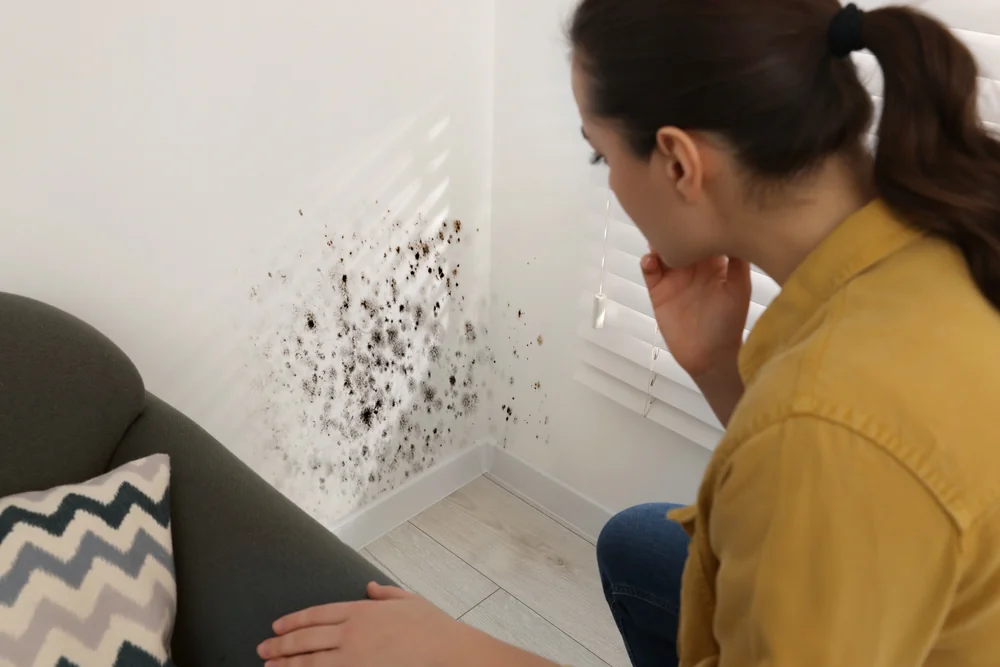
Most serious air quality issues start small. A little moisture in your crawl space. Humidity trapped near your windows. Mold growing behind a wall where you’ll never see it until it’s everywhere.
Here’s what changes when you actually test your indoor air quality. You stop guessing about that musty smell in the basement. You know whether your kids’ allergies are seasonal or something in the house. You catch mold contamination before it costs you $10,000 in remediation or knocks 30% off your home’s value when you try to sell.
In New Hope, where homes average 50 years old and sit in Bucks County’s humid climate, your air quality isn’t something you can assume is fine. The older your home, the more likely you’ve got hidden moisture issues creating perfect conditions for mold. Testing gives you a baseline. You’ll know exactly what’s in your air, where it’s coming from, and whether you need to act now or just keep an eye on things.
We’ve spent over 15 years working in homes just like yours throughout New Hope and Bucks County. We know what problems show up in older properties near the Delaware River. We know how New Hope’s humidity affects basements and crawl spaces differently than newer construction.
When you call us, you’re getting someone who’s tested hundreds of local homes and knows exactly where to look based on your home’s age, location, and the symptoms you’re describing. We use infrared cameras and moisture meters to find problems you can’t see. Then we send air samples to certified labs that tell you exactly which mold species are present and at what concentrations.
You get clear answers, not scare tactics. If your air quality is fine, we’ll tell you. If there’s a problem, we’ll explain what it means and what your options are.

We start with a visual inspection of your entire property. That means checking your basement, crawl spaces, attics, around windows, near plumbing, and anywhere moisture tends to accumulate in New Hope homes. We’re looking for visible mold, water stains, condensation, and conditions that create air quality problems.
Next, we take moisture readings throughout your home using digital meters. High moisture levels tell us where problems are developing even if you can’t see anything yet. We use infrared cameras to detect temperature differences behind walls and under floors that indicate hidden moisture or poor ventilation.
Then comes air sampling. We collect samples from multiple areas inside your home and compare them to outdoor air as a baseline. This shows us whether you have elevated levels of mold spores, and if so, which types and how much. Surface samples might be taken if we find visible growth that needs identification.
Your samples go to a certified laboratory for analysis. Within a few days, you get a detailed report identifying specific mold species, their concentrations, and whether they pose health risks. We walk you through the results in plain language and explain what action, if any, makes sense for your situation.
Ready to get started?
Your residential air quality testing includes a complete visual assessment of your property, moisture level readings in every major area, and professional air sampling using equipment that meets industry standards. We’re not just checking for mold. We’re evaluating your overall indoor air quality and identifying any conditions that could lead to problems.
In New Hope, that means paying special attention to the issues that affect homes in this area. About 26% of homes here were built before 1940. Older construction often means less effective moisture barriers, outdated ventilation, and building materials that are more susceptible to mold growth. If your home is near one of the creeks or sits over a high water table, we check for signs of water intrusion that might not be obvious to you.
You get certified laboratory results that identify specific contaminants in your air. This isn’t a pass/fail test. You learn exactly what you’re dealing with, at what levels, and whether it requires immediate action or just monitoring. We also check your heating and cooling system since that’s often where mold spreads throughout a home without anyone noticing.
The whole process typically takes a few hours for the inspection and sampling, then a few days for lab results. We offer free inspections to get started, so there’s no risk in finding out what’s actually in your air.
Schedule testing if you notice musty odors, see any visible mold, or have unexplained health symptoms that improve when you leave the house. Headaches, respiratory issues, or allergies that seem worse at home are common signs of poor indoor air quality.
You should also test after any water damage, flooding, or plumbing leaks. Even if you dried everything out, moisture can linger in walls, under flooring, or in crawl spaces where it creates mold problems you won’t see for months. In New Hope’s climate, water issues don’t just go away on their own.
Testing makes sense before buying or selling a home too. Undetected mold can reduce your property value by 20-37%, and most buyers will require testing anyway if they have any concerns. Better to know what you’re dealing with upfront than have it derail a sale later.
If your home is older or you’ve never tested before, annual testing is smart preventive maintenance. New Hope’s humid conditions and the age of housing stock here mean problems can develop gradually without obvious symptoms until they’re serious.
A mold air test detects the concentration and types of mold spores floating in your indoor air. Air samples get analyzed by certified labs that identify specific mold species and measure how many spores per cubic meter are present. Then they compare your indoor levels to outdoor baseline levels to determine if you have a problem.
Different mold species pose different health risks. Some are relatively harmless. Others, like black mold, can cause serious respiratory issues and allergic reactions. The lab report tells you exactly which species are in your home and whether the concentrations are elevated enough to be concerning.
Testing also reveals hidden contamination. Some of the worst mold problems we find are completely invisible, growing behind walls, under flooring, or in heating and cooling ducts where they contaminate your air without any visible signs. You might not see anything wrong, but if you’re breathing elevated mold spore levels every day, it affects your health.
The test results give you a clear picture of your indoor air quality and whether you need remediation, improved ventilation, or just monitoring going forward.
Professional air quality testing typically costs between $300 and $600 depending on your home’s size and how many samples are needed. That includes the inspection, air sampling, laboratory analysis, and a detailed report of findings.
It’s worth comparing that cost to what happens if you don’t test. Mold remediation runs $3,000 to $20,000 when problems spread. Undetected mold can reduce your home value by 20-37%. If you’re dealing with health issues caused by poor air quality, you’re probably spending more than $500 on doctor visits and medications trying to figure out what’s wrong.
Early detection saves money. Catching a small moisture problem before it becomes a major mold issue means you might spend a few hundred dollars on improved ventilation or a dehumidifier instead of thousands on remediation and repairs.
We offer free inspections to get started. That gives you a chance to understand what’s involved and get a clear price before committing to testing. Most homeowners find the investment makes sense when they consider the alternative of not knowing what they’re breathing.
The inspection and air sampling typically take two to three hours depending on your home’s size. We’re thorough because we need to check every area where moisture or mold problems commonly develop in New Hope homes. That includes basements, crawl spaces, attics, around windows, near plumbing, and your heating and cooling system.
After we collect samples, they go to a certified laboratory for analysis. Lab results usually come back within three to five business days. You get a detailed report identifying specific contaminants, their concentrations, and whether they exceed safe levels.
Once we have results, we schedule a follow-up to walk you through the findings. That conversation usually takes 30 to 45 minutes. We explain what the results mean in plain language, answer your questions, and discuss what action makes sense if any problems were detected.
From start to finish, you’re looking at about a week to get complete answers about your indoor air quality. If you need faster results for a real estate transaction or urgent health concerns, rush processing is sometimes available for an additional fee.
DIY air quality test kits exist, but they’re not reliable for making important decisions about your home or health. Most consumer kits only test for mold presence, not concentration levels or specific species. That’s like knowing you have bacteria somewhere without knowing if it’s harmless or dangerous.
Professional testing uses calibrated equipment and certified laboratory analysis. We collect samples using methods that meet industry standards, compare your indoor air to outdoor baselines, and get results from labs that can identify specific mold species and measure exact concentrations. That level of detail matters when you’re deciding whether you need remediation or if your air quality is actually fine.
We also know where to look. In New Hope’s older homes, mold problems often hide in places you wouldn’t think to check. Crawl spaces, wall cavities, under flooring, in heating and cooling systems. Our infrared cameras and moisture meters detect issues you can’t see or reach with a DIY kit.
If you’re dealing with health symptoms, planning to buy or sell, or have had any water damage, professional testing is worth the investment. You get accurate information you can actually use to protect your family and your property value.
If testing reveals elevated mold levels, you get a detailed report showing which species are present, where they’re likely growing, and what concentrations were detected. We explain what the results mean for your health and your home, then discuss your options.
Sometimes the solution is straightforward. Improve ventilation in your bathroom. Run a dehumidifier in your basement. Fix a small leak. If the contamination is limited and the mold species aren’t particularly dangerous, you might not need professional remediation at all.
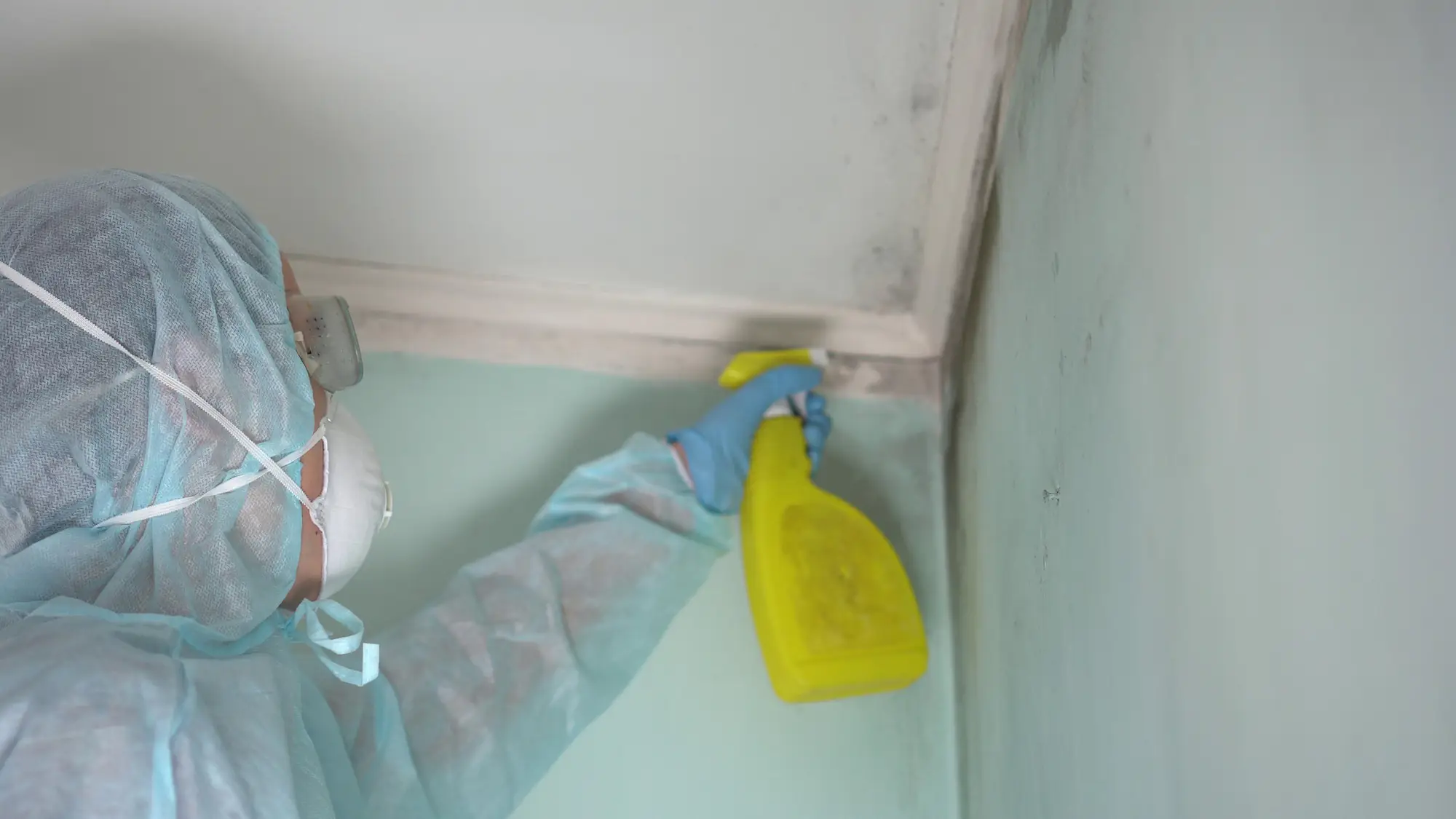
Other times, you need remediation. That means containing the affected area, removing contaminated materials, treating surfaces, and addressing the moisture source so mold doesn’t come back. We follow EPA standards for safe removal and can help you understand what the process involves and what it will cost.
The key is that you’re making decisions based on real information, not guessing or panicking. You know exactly what you’re dealing with, what your options are, and what happens if you choose to wait versus act now. Most homeowners feel relieved just having clear answers instead of wondering whether that smell in the basement is actually a problem.