
Mold Testing in New Hope, PA

Know What You're Breathing Before It Makes You Sick

Certified mold testing that finds hidden growth, identifies exact species, and gives you lab results you can trust for your health or real estate transaction.

Hear from Our Customers

Professional Mold Testing New Hope

Clear Answers Instead of Guessing What's Making You Sick

You’re dealing with headaches that disappear when you leave the house. Or maybe you’ve got a musty smell in the basement that won’t quit. Perhaps you’re buying a home in New Hope and need to know what’s behind those walls before closing.

Professional mold testing tells you exactly what you’re dealing with. Not a pass-fail guess from a hardware store kit, but lab analysis that identifies the specific mold species, their concentration levels, and whether they’re actually dangerous.

That matters because not all mold is created equal. Some species are mostly harmless. Others, like Stachybotrys—the black mold everyone worries about—can cause serious respiratory problems. You need to know which one you’ve got before you spend thousands on remediation you might not need, or worse, ignore a problem that’s making your family sick.

New Hope’s humid summers and damp winters create perfect conditions for mold growth. The homes here—whether you’re in a charming older property near the Delaware River or a newer build—all face the same challenge: moisture. And where there’s moisture, mold follows.

Mold Testing Company New Hope

We've Been Finding Mold in Bucks County for 15 Years

We’ve been serving New Hope and the surrounding Bucks County area since we started. We’re certified inspectors who use thermal imaging and moisture mapping technology to find problems your eyes can’t see.

We know this area. We know how the humidity settles in low-lying properties near the river. We know which older homes have ventilation issues and where newer construction tends to trap moisture. That local knowledge matters when you’re trying to find mold that’s hiding.

Every test we run gets sent to a certified laboratory for analysis. You get a detailed report that shows exactly what species are present, their concentration levels, and whether they pose health risks. That’s the kind of documentation that holds up for real estate transactions, insurance claims, or just your own peace of mind.

Residential Mold Testing Process

Here's Exactly What Happens During a Mold Inspection

First, we walk through your property and talk about what you’ve noticed. Musty smells, visible growth, water damage history, health symptoms—all of it matters. This conversation helps us know where to look.

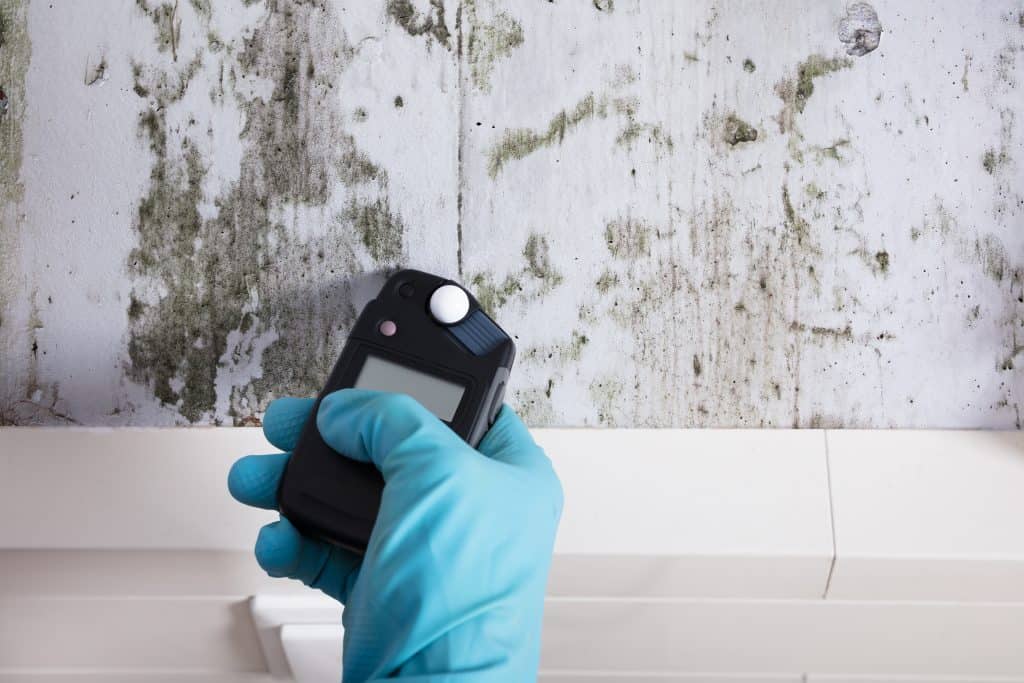
Then we use thermal imaging cameras and moisture meters to scan walls, ceilings, and floors. These tools detect temperature differences and moisture levels that indicate mold growth behind surfaces you can’t see. If your HVAC system is involved, we check that too, because mold loves to spread through ductwork.

We collect air samples from different rooms and take surface samples from any visible growth or suspicious areas. These samples go to a certified lab that identifies the exact mold species and measures their concentration in spores per cubic meter.

You get a detailed report within a few days. It shows what we found, where we found it, what species are present, and whether the concentration levels are concerning. If remediation is needed, the report tells you exactly what needs to happen. If levels are normal, you’ve got documentation proving your air quality is fine.

Ready to get started?

Explore More Services

About Mack's Mold Removal

Black Mold Test New Hope

What You Actually Get With Our Mold Testing

A complete visual inspection of your property, including areas most people don’t think to check. Attics, crawl spaces, behind appliances, inside HVAC systems—we look where mold actually grows, not just where it’s easy to see.

Thermal imaging and moisture detection that maps out problem areas. In New Hope’s climate, moisture issues often start small and spread. Finding them early saves you money and prevents bigger problems down the road.

Air sampling from multiple rooms to measure mold spore concentration. This matters for health concerns because you’re breathing whatever’s floating in your air. Surface sampling from any visible growth to identify exact species. That’s critical because remediation approaches differ based on what type of mold you’re dealing with.

Lab analysis from certified facilities that specialize in mold identification. You get a report that breaks down every species found, their concentration levels, and whether they’re toxigenic. This isn’t a guess—it’s data.

Documentation suitable for real estate transactions, insurance claims, or legal requirements. Pennsylvania law requires sellers to disclose known mold problems, and buyers need proof before closing. Our reports meet those standards.

How much does mold testing cost in New Hope, PA?

Professional mold testing in New Hope typically runs between $350 and $650, depending on your property size and how many samples we need to collect. A basic inspection with visual assessment, moisture detection, and two air samples with lab analysis starts around $350.

If you need additional surface samples, testing in multiple areas, or inspection of a larger property, costs can reach $650 to $800. But you’re getting certified lab analysis that identifies specific mold species and their concentration levels—not a home test kit that gives you a yes-no answer without any useful details.

Many insurance policies cover mold inspections related to water damage claims. If you’ve had a leak, flood, or pipe burst, check your policy before paying out of pocket. Even if insurance doesn’t cover it, testing before remediation can save you thousands by showing you exactly what needs to be addressed instead of guessing and overpaying for work you don’t need.

In New Hope’s humid climate, you’ll most commonly find Aspergillus, Penicillium, and Cladosporium. These species thrive in the moisture conditions created by our warm summers and damp winters. They typically show up in basements, bathrooms, and poorly ventilated areas where humidity stays high.

Aspergillus appears as black, green, or yellow patches and loves damp walls and ceilings. Penicillium is the blue-green mold you often see on old food, but it also grows on water-damaged materials like drywall and carpet. Cladosporium is olive-green or brown and commonly appears on fabrics, wood surfaces, and in HVAC systems.

Stachybotrys—the black mold everyone worries about—is less common but more serious. It’s toxigenic, meaning it produces mycotoxins that can cause respiratory problems, headaches, and other health issues. It grows on materials with high cellulose content like drywall, wood, and paper, especially after water damage. That’s why testing matters: you need to know if you’re dealing with common mold or something that requires immediate professional remediation.

If you’re seeing visible mold, smelling musty odors, or the home has a history of water damage, yes—get it tested before closing. Pennsylvania law requires sellers to disclose known mold problems, but “known” is the key word. If they haven’t tested, they might not legally know there’s an issue, even if there is one.

Mold can knock 20% to 37% off a home’s market value because buyers worry about hidden damage and health risks. If you discover mold after closing and can prove the sellers knew about it, you’ve got grounds for a lawsuit to recover repair costs and damages. But that’s expensive and time-consuming. Testing before you buy protects you from inheriting someone else’s problem.

Older homes in New Hope are particularly susceptible because of their age and construction methods. Homes near the Delaware River or in low-lying areas face higher humidity levels. Even newer construction can have mold issues if there were moisture problems during building or if ventilation wasn’t done right. Spending $350 to $650 on testing now can save you tens of thousands in remediation costs and health problems later.

Home mold test kits give you a yes-no answer about whether mold spores are present. That’s not particularly useful because mold spores are everywhere—in every home, all the time. What matters is the type of mold and the concentration level, and DIY kits don’t tell you either of those things.

Professional mold testing uses certified lab analysis to identify specific species and measure their concentration in spores per cubic meter. That tells you whether you’re dealing with common mold at normal levels or toxic species at dangerous concentrations. It’s the difference between “mold exists” and “you have Stachybotrys at levels that require immediate remediation.”

False negatives and false positives are common with home test kits because they’re not designed for accuracy—they’re designed to be cheap and easy. You might get a positive result from harmless mold and panic unnecessarily, or get a negative result while toxic mold is growing behind your walls. Professional testing uses thermal imaging and moisture mapping to find hidden growth, then collects samples from the actual problem areas. You’re paying for accuracy and actionable information, not just confirmation that mold exists somewhere in your house.

First, don’t panic. High mold levels are fixable, but you need professional remediation—not a DIY scrub-down with bleach. The lab report shows you exactly which species are present and where they’re concentrated, so you know what needs to be addressed.

If the mold is toxigenic like Stachybotrys, you’ll want to limit exposure while remediation happens. That might mean staying elsewhere temporarily, especially if anyone in your household has respiratory issues, allergies, or a compromised immune system. If it’s common mold at elevated levels, you can usually stay in the home while work is being done, as long as the affected areas are contained.

Get quotes from certified mold remediation companies—not just general contractors who say they can handle it. Proper remediation involves containment, air filtration, removal of contaminated materials, and treatment of affected areas. Cutting corners leads to mold coming back. Once remediation is complete, post-testing confirms the work was successful and your air quality is back to safe levels. That final test also gives you documentation showing the problem was properly resolved, which matters for resale value and your own peace of mind.

If you’ve never had testing done and your home is older, has had water damage, or you’re noticing musty smells or health symptoms, get tested now. After that, annual inspections are smart preventive maintenance in New Hope’s humid climate, especially for homes built before modern moisture barriers were standard.

If you’ve had a water event—burst pipe, roof leak, flooding, sump pump failure—get tested within a few weeks even if you don’t see visible mold. It takes 24 to 48 hours for mold to start growing after water exposure, and by the time you see it or smell it, you’ve already got a bigger problem than you want.

Homes near the Delaware River or in low-lying areas should consider testing every year or two because humidity levels stay higher. Same goes for properties with finished basements, poor ventilation, or HVAC systems that haven’t been maintained. Even minor moisture issues can lead to major mold problems in our local weather conditions. Catching it early means smaller remediation costs and less risk to your family’s health.

Other Services we provide in New Hope