
Hear from Our Customers
You stop wondering if that musty smell is making your kids sick. You stop worrying about what’s growing behind your walls or under your floors. Your allergies calm down, your breathing gets easier, and you’re not constantly second-guessing whether you should’ve called someone sooner.
That’s what happens when mold removal specialists actually find the source instead of just wiping down surfaces. The air in your home changes. You notice it within days.
We use moisture meters and thermal imaging to track down hidden mold in your attic, basement, crawl spaces, and inside your HVAC system. Then we remove it completely and fix what caused it in the first place. Because if you don’t stop the moisture problem, the mold comes back. Always.
We’ve been serving Plumstead and Bucks County for years, working with homeowners who’ve dealt with everything from basement flooding to attic condensation. We know what Pennsylvania’s humid summers do to older homes. We know how quickly mold spreads when moisture sits too long.
Our team is certified, trained, and equipped with the technology it takes to do this right. We’re not a franchise following a script. We’re local mold and mildew experts who understand the climate here and the building issues that come with it.
You’ll get a free inspection, a clear explanation of what’s happening, and a plan that actually solves the problem. No upselling. No scare tactics. Just honest work.
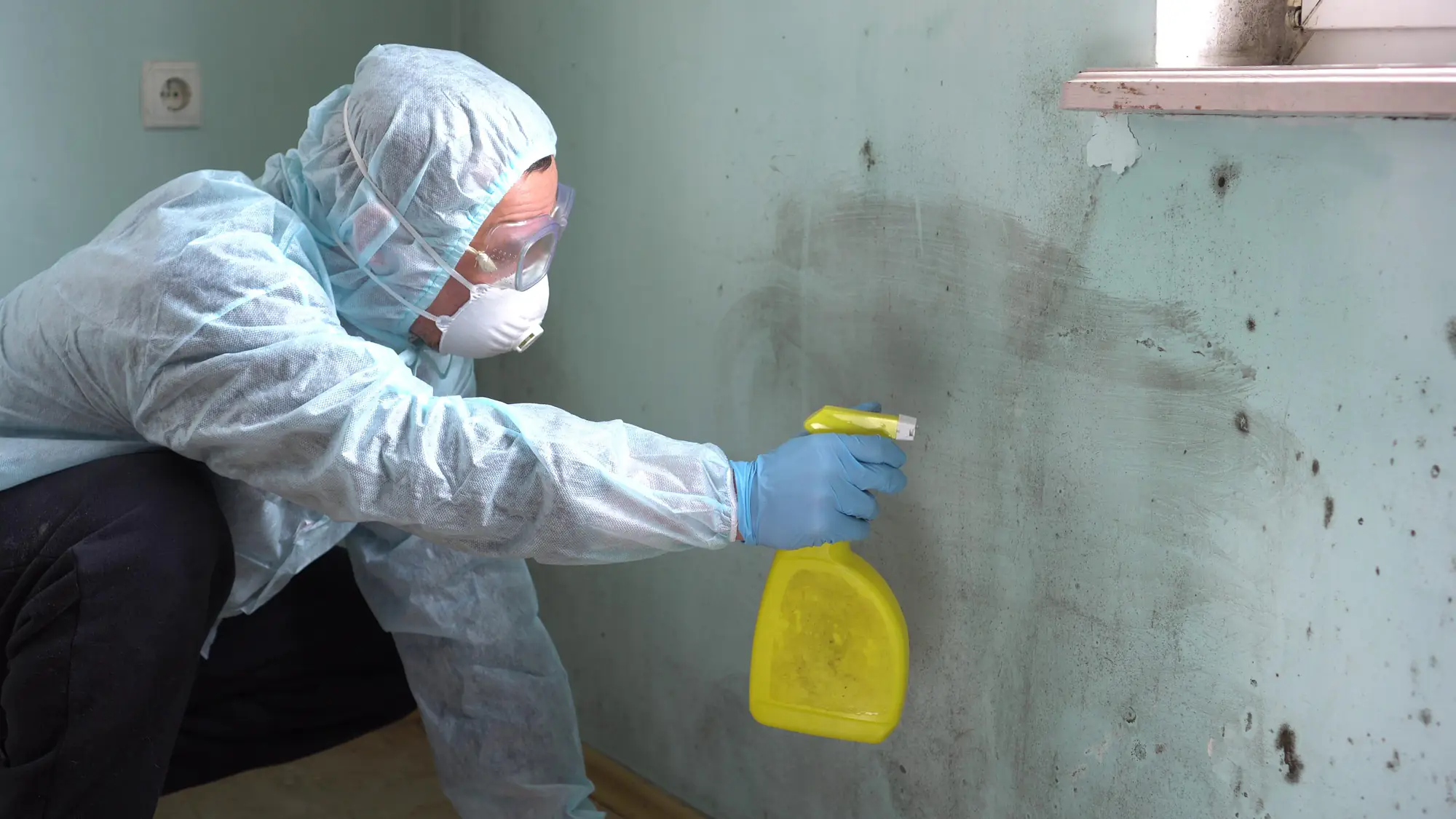
First, we come out and inspect your property for free. We’re looking for visible mold, but also testing air quality and checking moisture levels in places you wouldn’t think to look. Walls, floors, ceilings, ducts. If there’s a moisture problem, we’ll find it.
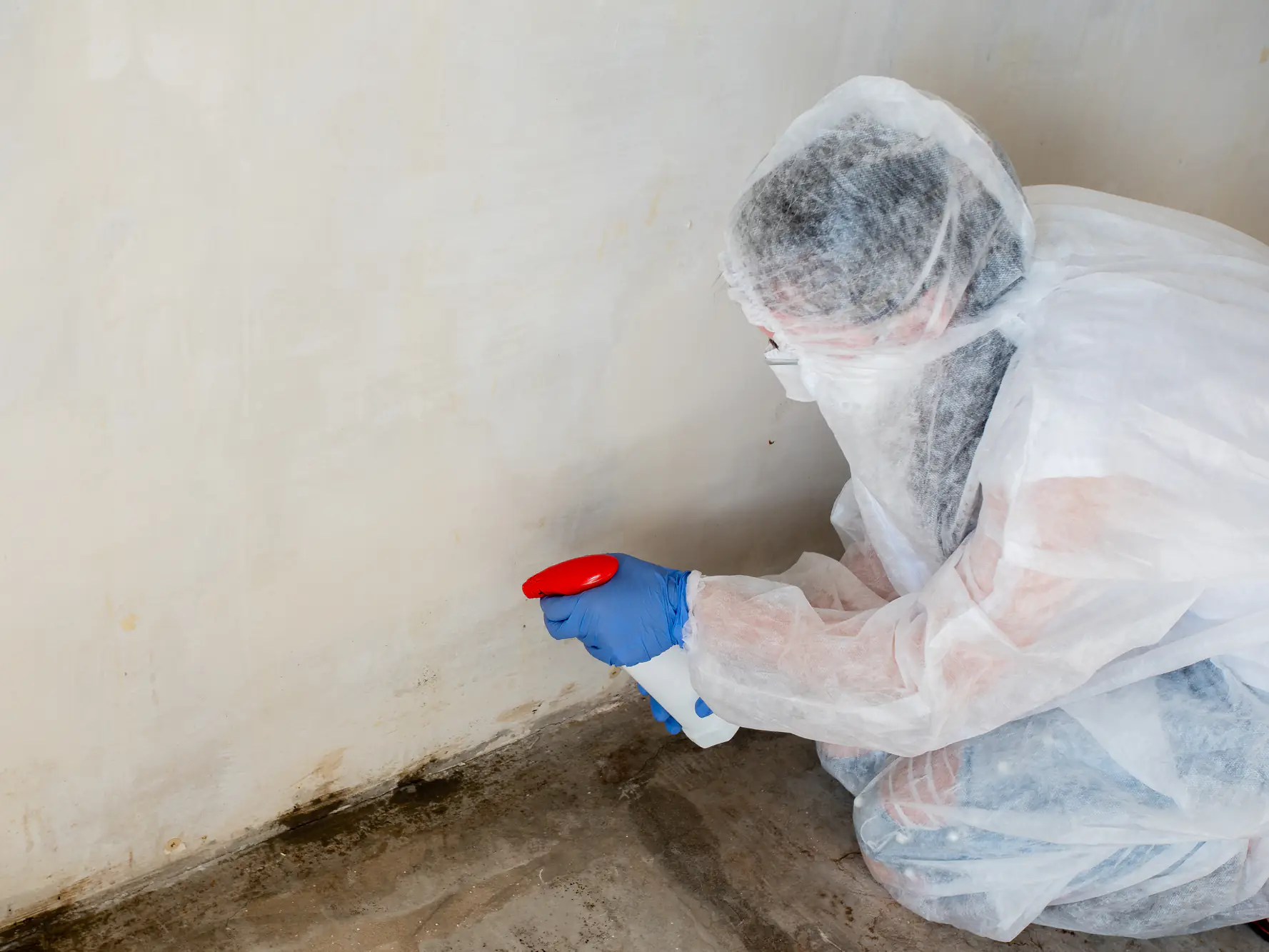
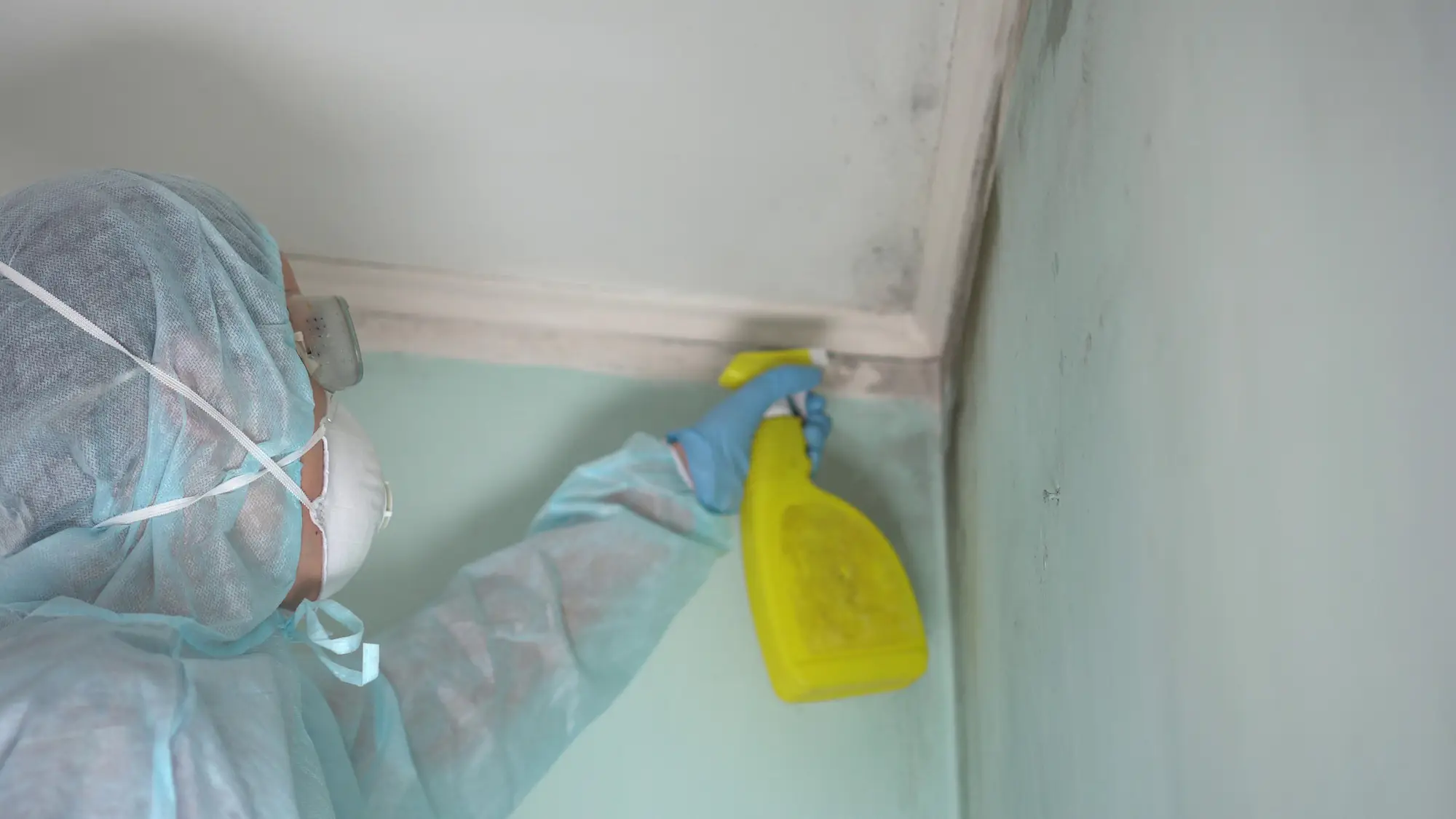
Once we know what we’re dealing with, we’ll walk you through what needs to happen. We contain the area to keep mold spores from spreading during removal. Then we remove the contaminated materials safely, treat affected surfaces, and use HEPA filtration to clean the air.
But here’s the part that matters most: we identify and fix the moisture source. Whether it’s a leak, poor ventilation, or humidity buildup, we address it so the mold doesn’t come back. Then we provide you with a detailed report and recommendations to keep your home safe long-term.
If you’re working with insurance, we’ll help with that too. We know what documentation they need and how to make the claims process easier.
Ready to get started?
You get a full inspection using advanced equipment like thermal imaging cameras and moisture meters. We test your indoor air quality to measure contamination levels and identify what type of mold you’re dealing with, including black mold.
We handle the removal process from start to finish. That includes containment, safe removal of affected materials, surface treatment, air filtration, and source repair. We don’t stop at cleaning up the mold. We fix what caused it.
In Plumstead and Bucks County, we see a lot of basement mold from groundwater issues and attic mold from poor ventilation during those humid summer months. Pennsylvania’s climate creates the perfect conditions for mold growth, especially in older homes or properties that have had water damage in the past. We’ve worked with enough local homeowners to know where to look and what to expect.
You also get transparent communication throughout the process, a detailed report when we’re done, and flexible payment options if you need them. We’re available 24/7 for emergencies, because mold doesn’t wait for business hours.

You might see it, smell it, or feel it. Visible mold shows up as black, green, or white patches on walls, ceilings, or around windows. But a lot of mold grows where you can’t see it: behind drywall, under flooring, inside air ducts, or in your attic.
The smell is usually the giveaway. If you notice a musty, earthy odor that won’t go away, that’s mold. You might also notice your allergies getting worse at home, or respiratory symptoms that improve when you leave the house.
If you’ve had any water damage, leaks, or flooding in the past, there’s a good chance mold is growing somewhere. Even small leaks can create enough moisture for mold to thrive. The best way to know for sure is to get a professional mold inspection. We’ll test your air quality, check moisture levels, and use thermal imaging to find hidden growth.
You can try, but it usually makes things worse. DIY mold removal often spreads spores throughout your home, increasing contamination instead of reducing it. You also need the right protective gear and equipment to do it safely.
More importantly, surface cleaning doesn’t solve the problem. If you don’t find and fix the moisture source, the mold comes back. Most homeowners miss hidden mold growth entirely because they don’t have the tools to detect it.
Professional mold removal specialists use containment barriers, HEPA filtration, and proper disposal methods to keep spores from spreading. We also have moisture meters and thermal imaging cameras to track down the source. If you’re dealing with black mold or widespread contamination, it’s not worth the health risk. Let someone with the right training and equipment handle it.
It depends on how much mold you have and where it’s located. A small, contained area might take a day or two. Larger jobs with structural damage or multiple rooms can take a week or more.
The inspection itself usually takes a few hours. Once we know what we’re dealing with, we’ll give you a timeline before we start. Most of the time is spent on containment, removal, air filtration, and making sure the moisture problem is fixed.
We don’t rush the process because cutting corners leads to recurring mold. You want it done right the first time. That means thorough removal, proper treatment, and addressing the root cause. We’ll keep you updated throughout the job so you know exactly what’s happening and when you can expect it to be finished.
Sometimes. It depends on your policy and what caused the mold. If the mold resulted from a covered event like a burst pipe or storm damage, your insurance will likely cover it. If it’s from long-term neglect or maintenance issues, probably not.
The key is documentation. Insurance companies want proof of the damage, the cause, and the scope of work needed. That’s where a professional inspection helps. We provide detailed reports with photos, moisture readings, and air quality test results that insurance adjusters need to process your claim.
We’ve worked with plenty of homeowners through the insurance process. We know what documentation to provide and how to communicate with adjusters. If you’re not sure whether your policy covers mold, we can help you figure that out before we start the work.
Moisture. That’s it. Mold needs water to grow, and Pennsylvania’s humid summers give it plenty. When indoor humidity stays above 60% for too long, mold starts growing on walls, ceilings, wood, and fabric.
In Plumstead and Bucks County, we see a lot of basement mold from groundwater seepage and poor drainage. Attics are another common problem area. When ventilation is weak, heat and moisture get trapped, creating perfect conditions for mold growth even without a roof leak.
Older homes are especially vulnerable because they weren’t built with modern moisture barriers and ventilation systems. Add in the occasional heavy rain or flooding, and you’ve got a recipe for mold problems. The good news is that once you control the moisture, you control the mold. That’s why our process focuses on finding and fixing the source, not just cleaning up the visible growth.
Control moisture and improve airflow. Keep indoor humidity below 50% using dehumidifiers, especially in basements and crawl spaces. Fix leaks as soon as you notice them. Make sure your gutters and downspouts are directing water away from your foundation.
Ventilation matters too. Bathrooms and kitchens produce a lot of moisture, so run exhaust fans during and after showers or cooking. In your attic, make sure you have proper ventilation to prevent heat and humidity buildup.
We’ll give you specific recommendations based on what we find during your inspection. Every home is different, and what works for one property might not work for another. The important thing is addressing the root cause during remediation so you’re not just treating symptoms. When we fix the moisture problem correctly, mold doesn’t come back.
Other Services we provide in Plumstead