
Hear from Our Customers
You’re not wondering if there’s mold behind the drywall anymore. You’re not second-guessing whether that musty smell is going to come back next spring. You’ve got lab results that tell you exactly what was growing, where it came from, and what we did to stop it.
Your home’s air quality improves. Your family stops dealing with unexplained allergies or respiratory issues that flare up indoors. If you’re selling, you’ve got documentation that shows buyers the problem was handled right.
The difference between mold mitigation and mold removal is this: removal gets rid of what’s visible. Mitigation goes further. We identify the moisture source, whether it’s a hidden leak, poor ventilation, or humidity from your crawl space. Then we fix it so the mold doesn’t just grow back in three months.
We’ve spent over 27 years handling mold problems in homes across Plumstead, PA and the surrounding Bucks County area. We know how Pennsylvania’s humid summers and older housing stock create perfect conditions for mold growth, especially in basements, crawl spaces, and around windows.
We use thermal imaging cameras and moisture meters to find problems you can’t see. We send samples to certified labs for analysis. We work directly with insurance companies when your policy covers the damage.
You’re not getting a crew that shows up, sprays some bleach, and calls it done. You’re getting a mold mitigation company that documents everything, explains what we find, and gives you a clear plan to prevent it from happening again.
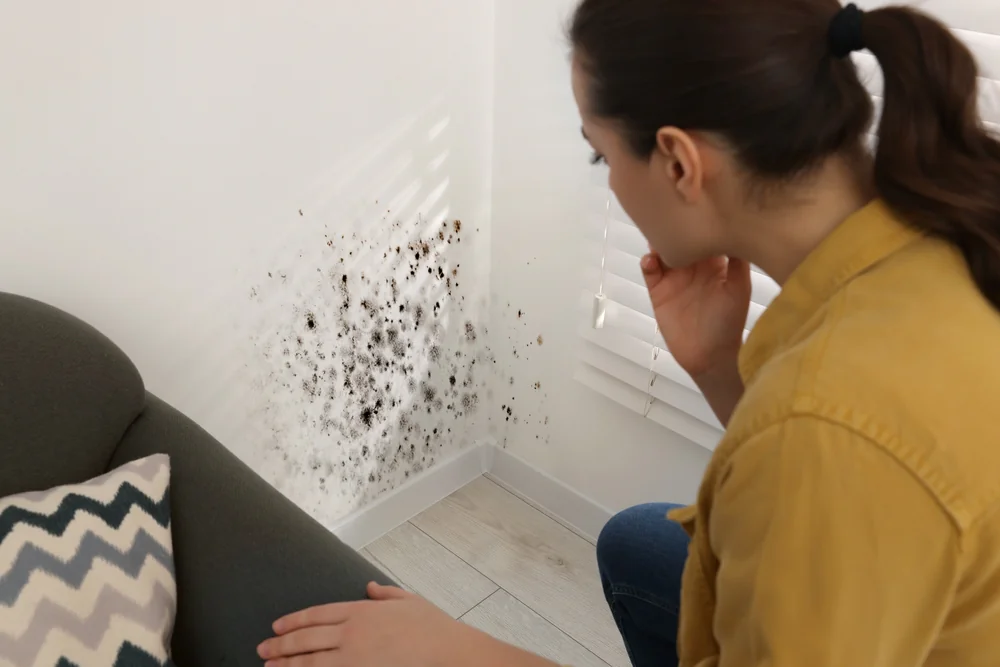
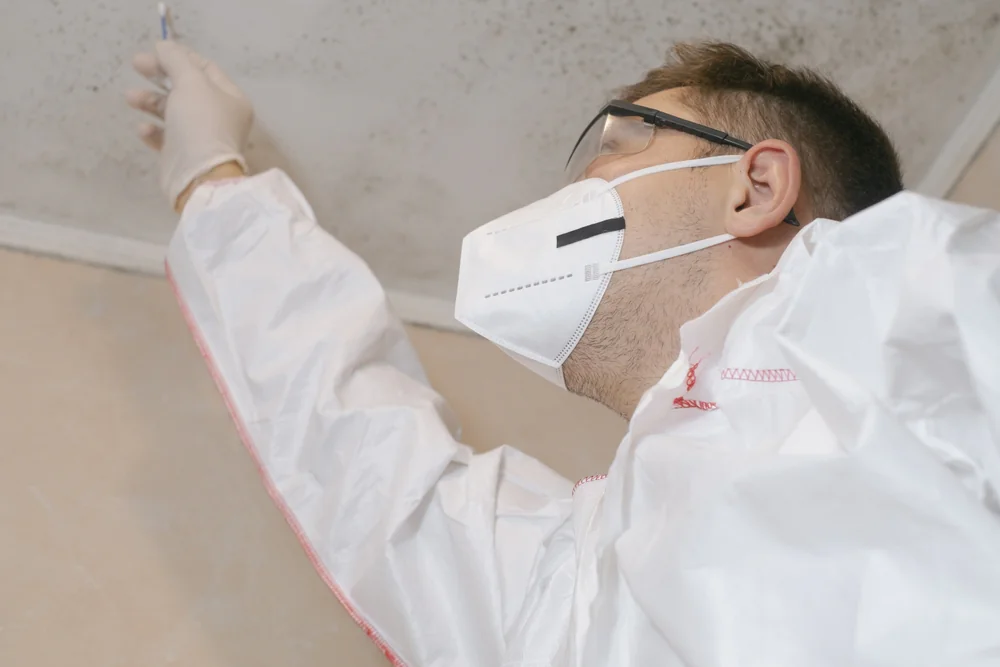
We start with a free inspection. We’re looking for visible mold, but also moisture readings, temperature differences in your walls, and airflow issues that create conditions for growth. If we find something, we take samples and send them to a certified lab for species identification and spore concentration analysis.
Results come back in three to five business days. That report tells us what type of mold you’re dealing with, how much of it is in your air compared to outdoor levels, and whether it’s a health concern. Then we give you an upfront estimate for the work.
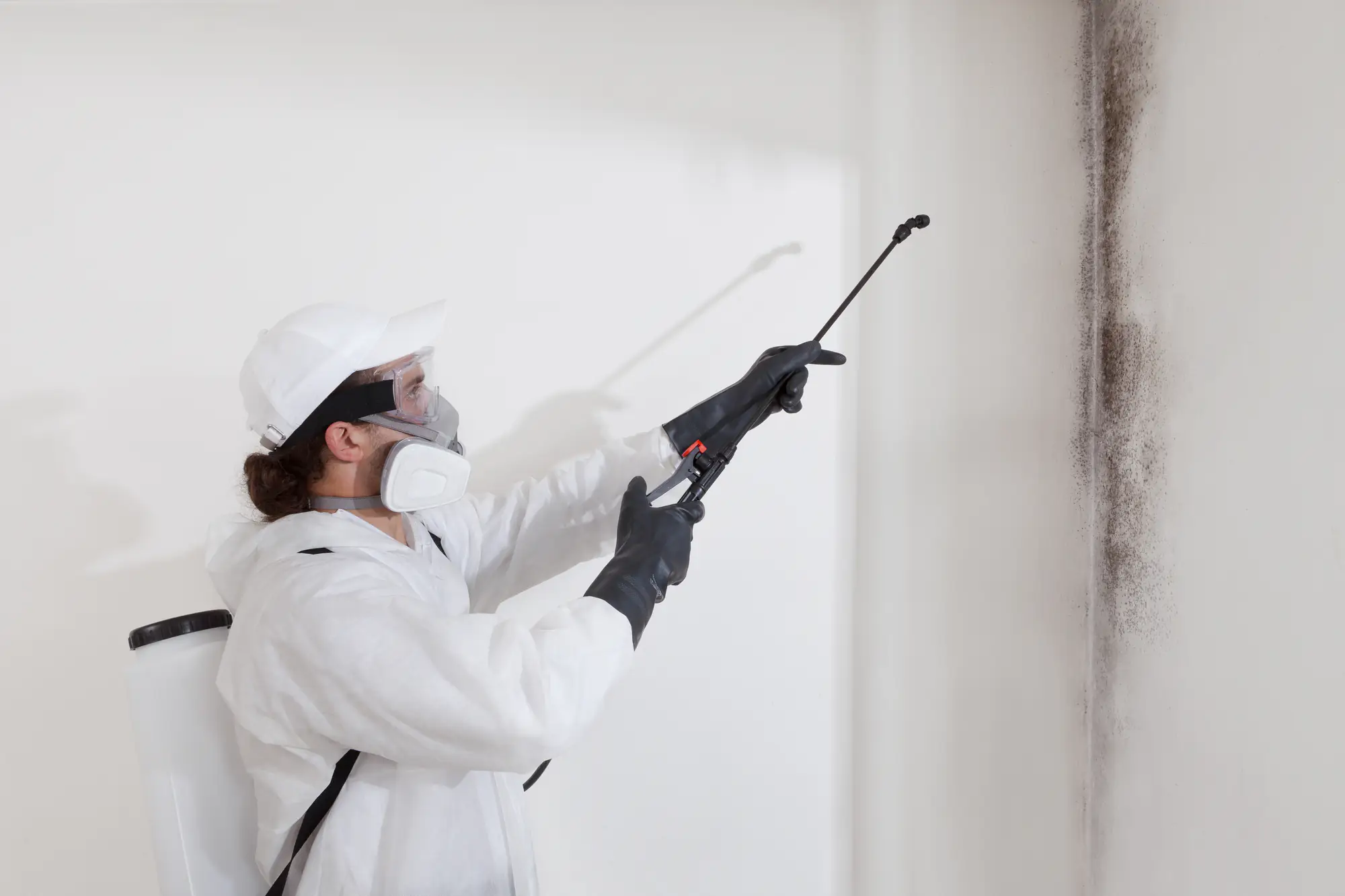
The actual mold mitigation involves containment, removal, and source correction. We seal off the affected area to prevent spores from spreading. We use HEPA vacuums and air scrubbers to capture airborne particles. We remove contaminated materials and treat surfaces with antimicrobial solutions. Then we address the moisture problem, whether that means repairing leaks, improving ventilation, or installing dehumidifiers.
After the work is done, we do post-remediation testing to confirm spore levels are back to normal. You get a clearance report you can show to buyers, insurance adjusters, or just keep for your own records.
Ready to get started?
Every mold mitigation project includes professional air and surface sampling, lab analysis from a nationally recognized facility, and a detailed report that breaks down exactly what we found. You’re not guessing about whether you have black mold or just surface mildew. You know.
We use infrared cameras to detect moisture behind walls and under floors. We measure humidity levels throughout your home. If your basement in Plumstead is showing elevated readings because of groundwater seepage or poor drainage, we’ll tell you that’s the root cause, not just treat the symptoms.
The work itself includes physical removal of contaminated materials, HEPA filtration during the entire process, antimicrobial treatment of affected surfaces, and repairs to whatever was causing the moisture intrusion. We also help you file insurance claims if your policy covers sudden water damage that led to mold growth.
You’re not paying for mold removal and then finding out six months later that it’s back because nobody fixed the leak. Mold mitigation services mean we’re addressing the whole problem, not just the part you can see.
Most residential mold mitigation projects in Plumstead run between $1,800 and $9,500, with the average landing around $3,900. The range depends on how much area is contaminated, what materials need to be removed, and whether we’re dealing with a small bathroom issue or a whole basement.
We charge roughly $10 to $32 per square foot for mitigation work. A 100-square-foot area might cost $1,000 to $3,200 depending on the severity and what’s involved in fixing the moisture source. If you’ve got black mold mitigation needs or extensive contamination behind walls, expect to be on the higher end.
The inspection itself is free. Once we know what we’re dealing with, we give you a detailed estimate before any work starts. If your homeowner’s insurance covers the damage, we’ll work directly with your adjuster and provide all the documentation they need to process your claim.
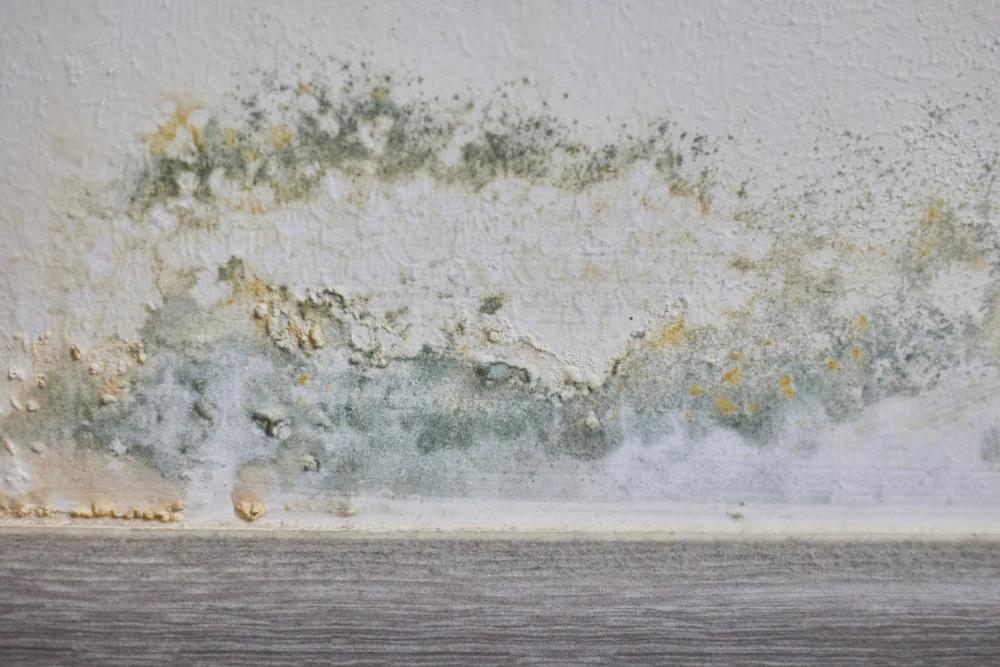
Mold removal focuses on cleaning up visible mold. Mold mitigation goes further by identifying and eliminating the conditions that allowed mold to grow in the first place. You can scrub mold off a wall, but if you don’t fix the leak or humidity problem causing it, you’re just buying yourself a few months before it comes back.
When we do mold mitigation, we’re using moisture meters and thermal imaging to find the source. Maybe it’s a slow pipe leak inside your wall. Maybe it’s condensation from poor attic ventilation. Maybe it’s groundwater seeping into your crawl space during Bucks County’s wet seasons. Whatever it is, we fix it as part of the service.
That’s why mitigation costs more upfront but saves you money long-term. You’re not paying for the same problem twice. You’re getting a complete solution that includes removal, source correction, and verification testing to confirm the issue is resolved.
A typical mold mitigation project takes three to seven days from start to clearance testing, depending on the size of the affected area and how extensive the moisture damage is. Smaller jobs, like a bathroom with mold around the shower, might be done in two to three days. Larger projects involving basements or multiple rooms can take a week or more.
The timeline breaks down like this: inspection and sampling happen on day one. Lab results come back in three to five business days. Once we have those results and you approve the estimate, we schedule the actual mitigation work, which usually takes one to three days depending on scope. Then we do post-remediation testing to verify the air quality is back to normal.
We’re available for emergency mold mitigation if you’ve had a flood, major leak, or sewage backup. In those cases, we can start containment and water extraction within hours to prevent mold from taking hold in the first place. The faster you act after water damage, the less likely you are to need extensive mitigation later.
It depends on what caused the mold. Most homeowner’s insurance policies in Pennsylvania cover mold mitigation if the mold resulted from a sudden, accidental event like a burst pipe, roof leak during a storm, or appliance malfunction. They typically won’t cover mold that developed from long-term neglect, humidity, or maintenance issues you should have addressed.
The key is documentation. We provide detailed reports, photos, moisture readings, and lab results that show what caused the mold and when the damage likely occurred. That’s what insurance adjusters need to approve a claim. We’ve worked with plenty of carriers over the years and know exactly what they’re looking for.
If your policy includes mold coverage, we’ll work directly with your insurance company to streamline the claims process. We can also help you understand your coverage limits, since many policies cap mold claims at $10,000 or less unless you’ve purchased additional coverage. Either way, we’ll give you an upfront estimate so you know what to expect.
You can handle very small areas of surface mold, like a little mildew on bathroom grout, with household cleaners. But if you’re dealing with more than 10 square feet of contamination, mold inside your walls, or black mold mitigation, you’re better off hiring professionals. Here’s why.
DIY mold removal often makes the problem worse. Scrubbing or disturbing mold releases thousands of spores into the air, which then spread to other areas of your home. Without proper containment, HEPA filtration, and protective equipment, you’re exposing yourself to respiratory irritants and potentially contaminating rooms that were previously clean.
You also can’t identify what type of mold you’re dealing with or find hidden growth without the right equipment. We use thermal imaging and moisture meters to locate mold behind drywall, under flooring, and in crawl spaces. We send samples to certified labs to determine if you’re dealing with toxic species that require special handling. And we fix the moisture source so the mold doesn’t just come back after you’ve spent a weekend scrubbing.
If you can see mold, you know you have a problem. The question is whether you need testing to understand how bad it is and what’s causing it. Testing makes sense when you smell mold but can’t find it, when you’re experiencing health symptoms that might be mold-related, or when you’re buying or selling a home and need documentation.
Air sampling tells us what types of mold spores are in your indoor air and at what concentration. We compare those numbers to outdoor levels to determine if your home has elevated spore counts. Surface sampling identifies the specific species growing in your home, which matters because some molds are more problematic than others.
In Plumstead, PA, we recommend testing if you’ve had previous water damage, if your home has a history of basement flooding, or if you’re dealing with older construction where mold could be hiding behind finishes. The lab results give us a baseline before mitigation and a clearance reading afterward to confirm the work was successful. You’re not just trusting that the problem is gone. You’ve got data that proves it.
Other Services we provide in Plumstead