

Hear from Our Customers
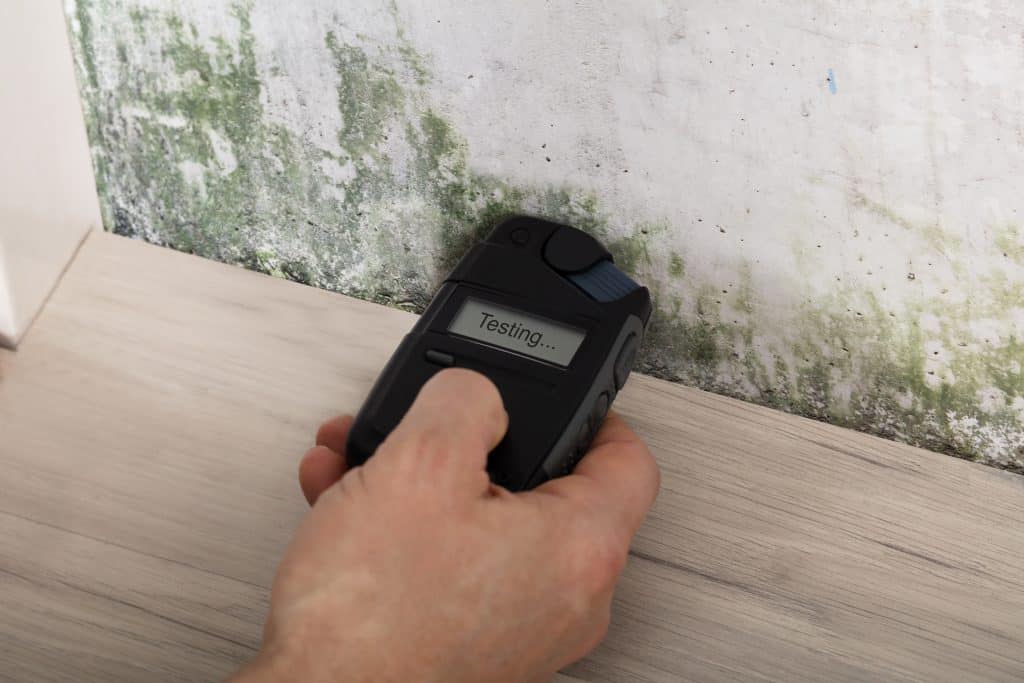
You’re not imagining that musty smell. And those dark spots near the bathroom ceiling aren’t just dirt. Mold spreads fast—what starts as a small water stain can turn into several square feet of contamination in two weeks.
Here’s what happens when you address it now: your indoor air gets cleaner, those unexplained headaches and sinus issues start clearing up, and you stop worrying every time someone opens the basement door. Your home value stays protected, because buyers walk away from mold problems—and fast.
We use infrared cameras and moisture meters to find mold you can’t see. Then we contain the area, remove the contamination safely, and treat surfaces so it doesn’t come back. You get documentation, lab results, and a home that’s actually safe to live in.
Most people wait too long. The longer mold sits, the more it costs to fix and the more damage it does to your property and your health.
Mack’s Mold Removal has been serving Plumstead and Bucks County for years. We’ve seen what Pennsylvania’s humid summers and wet winters do to basements, crawl spaces, and attics. Older homes in this area are especially vulnerable—poor ventilation, aging infrastructure, and moisture buildup create perfect conditions for mold growth.
Our team is certified, trained, and equipped with the tools that actually work. We’re not a franchise following a script. We’re local professionals who understand the specific problems homeowners face in Plumstead, from flooded basements after spring storms to attic mold from ice dams.
You’ll work with the same crew from inspection to completion. We show up when we say we will, explain what we find, and give you a clear plan before any work starts.

First, we inspect your property—not just the obvious spots, but behind walls, under floors, and in your HVAC system. We use thermal imaging to detect moisture you can’t see and take air samples to identify exactly what type of mold you’re dealing with.
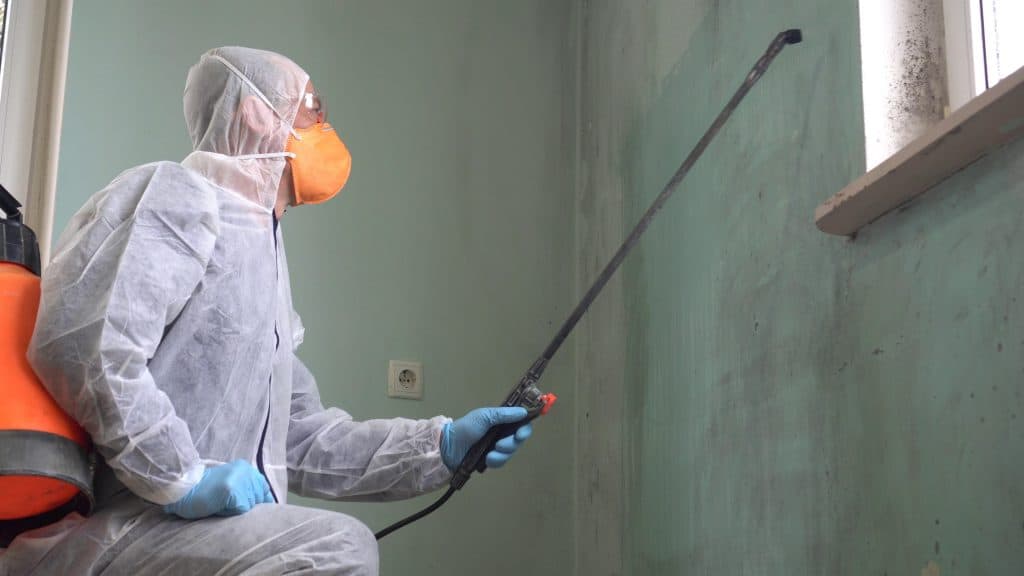
Once we know what we’re working with, we set up containment barriers to prevent spores from spreading to clean areas of your home. Then we remove contaminated materials safely, using HEPA filtration and proper disposal methods. If drywall or insulation is damaged beyond cleaning, we remove it and prepare the area for reconstruction.
After removal, we treat all affected surfaces with antimicrobial solutions and verify the air quality with post-remediation testing. You get lab reports showing the mold is gone—not just covered up.
The whole process usually takes a few days, depending on the size of the problem. We work efficiently because we know you want your life back to normal. And if you’re filing an insurance claim, we’ll document everything and work directly with your adjuster.
Ready to get started?
You get a free inspection with moisture mapping and thermal imaging. We identify all affected areas—including hidden mold behind walls or in crawl spaces that most homeowners miss.
Our mold cleaning services include full containment setup, HEPA air filtration during removal, safe disposal of contaminated materials, and antimicrobial treatment of all surfaces. We handle black mold removal, attic mold, basement mold, and crawl space contamination.
In Plumstead, we see a lot of basement mold from groundwater seepage and attic mold from poor ventilation. Homes built in the 70s and 80s often have inadequate vapor barriers, which means moisture gets trapped in walls and creates ongoing problems. We don’t just clean up the mold—we identify why it’s growing so you can prevent it from coming back.
You also get detailed documentation for insurance purposes, including photos, moisture readings, and lab analysis. If repairs are needed after remediation, we coordinate with trusted contractors who understand mold prevention.
Every job ends with post-testing to confirm your air quality is safe. No guesswork.
Most residential mold removal jobs in Plumstead run between $1,500 and $4,500, depending on the size of the affected area and how far the mold has spread. A small bathroom with surface mold might cost $500 to $1,000. A finished basement with mold behind drywall and in the HVAC system can run $6,000 or more.
The price depends on square footage, the type of materials affected, and whether structural repairs are needed. If we have to remove drywall, insulation, or flooring, costs go up. But waiting makes it worse—mold spreads about one square inch per day, so a problem that costs $2,000 today could cost $8,000 in three months.
We give you a detailed estimate after the inspection, before any work starts. No surprises. And if you’re filing an insurance claim, we’ll work with your provider to document everything properly.
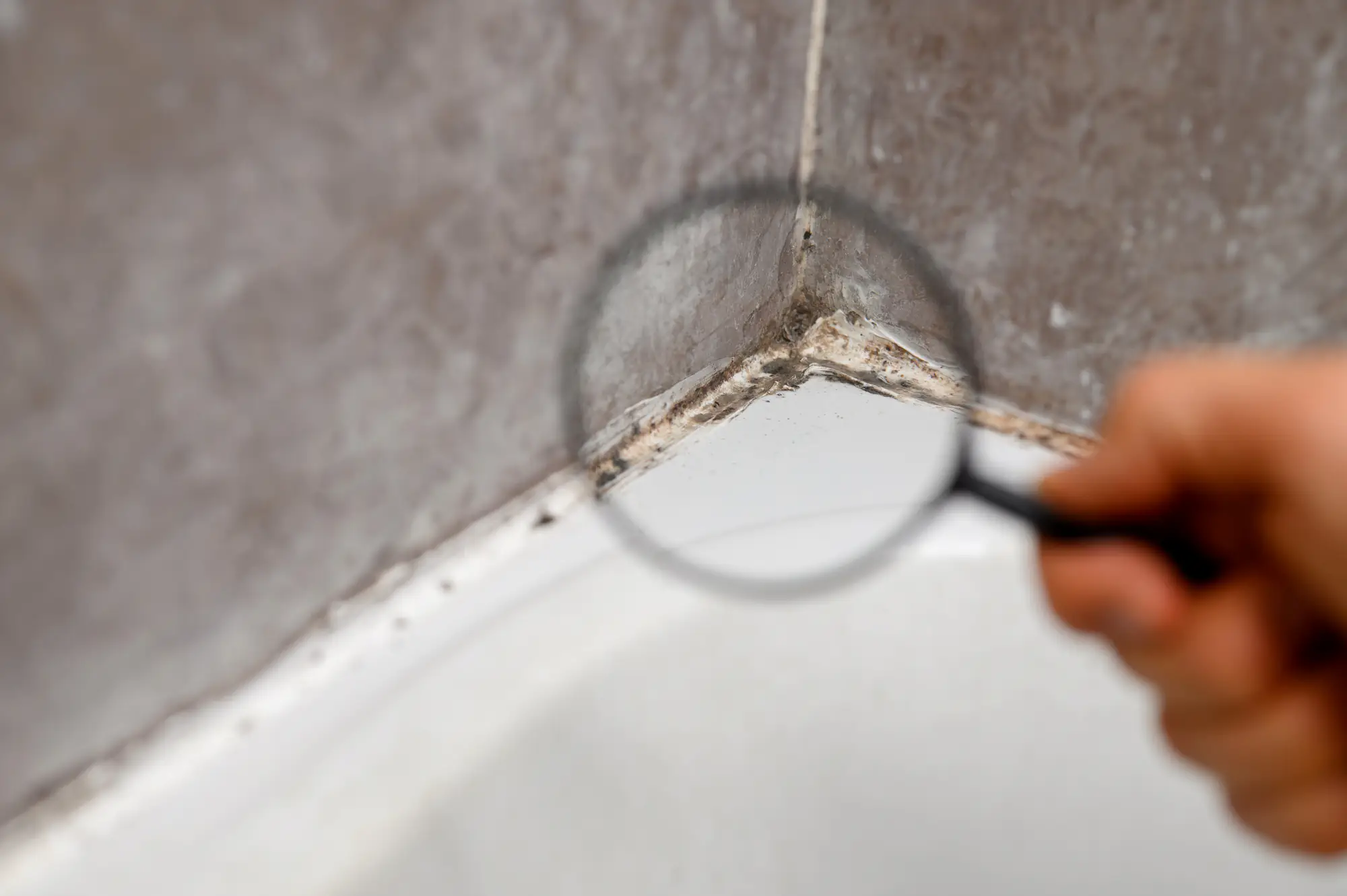
You can’t tell just by looking. Black mold (Stachybotrys) is dark and slimy, but so are other types of mold that aren’t as dangerous. The only way to know for sure is through lab testing.
We take air samples and surface samples, then send them to a certified lab for analysis. The lab identifies the specific species and measures spore concentration. This matters because different molds require different treatment approaches, and your insurance company will want documentation.
That said, all mold is a problem. Even if it’s not Stachybotrys, mold in your home affects air quality and can trigger allergies, asthma, and respiratory issues. If you’re seeing visible growth or smelling musty odors, you need it tested and removed—regardless of the type.
Small surface mold—like a little bit on bathroom tile—you can handle with bleach or vinegar. Anything bigger than a few square feet, you shouldn’t touch.
Here’s why: disturbing mold releases millions of spores into the air. Without proper containment and filtration, you spread contamination throughout your house. You also need to identify the moisture source, or the mold just comes back. Most DIY attempts make the problem worse and cost more to fix later.
Professional mold removal companies use containment barriers, HEPA air scrubbers, and protective equipment to prevent cross-contamination. We remove the source, not just the visible growth. And we verify with testing that it’s actually gone. If you’ve got mold in your walls, crawl space, or HVAC system, you need a mold specialist with the right tools and training.
Most jobs take two to five days, depending on the extent of contamination and how much material needs to be removed. A single-room cleanup might be done in one day. A whole-basement remediation with structural repairs can take a week or more.
The process includes inspection, containment setup, removal, treatment, and post-testing. We can’t rush the drying phase—surfaces need to be completely dry before we apply antimicrobial treatments, or the mold will return.
You can usually stay in your home during remediation, as long as the affected area is properly sealed off. If the contamination is severe or involves your HVAC system, we might recommend staying elsewhere for a few days. We’ll let you know upfront what to expect so you can plan accordingly.
It depends on what caused the mold. If it’s from a sudden, accidental event—like a burst pipe or storm damage—most policies cover remediation. If it’s from long-term neglect or a maintenance issue, they usually won’t.
Insurance companies want to see documentation: photos, moisture readings, lab results, and a clear timeline of when the damage occurred. We provide all of that. We’ve worked with most major insurers in Bucks County and know what they require for claims approval.
Call your insurance company before you start any work. Get a claim number and ask what documentation they need. Then call us for the inspection. We’ll give you a detailed report you can submit with your claim, and we’ll work directly with your adjuster if needed. Even if insurance doesn’t cover it, you still need the mold removed—it’s not going away on its own.
Pennsylvania’s climate is a big factor. Humid summers, wet springs, and freeze-thaw cycles in winter create constant moisture problems. Plumstead homes—especially older ones—often have basements with foundation cracks, poor drainage, or inadequate waterproofing. Water seeps in, humidity builds up, and mold starts growing.
Attics are another common problem area. Ice dams in winter cause water to back up under shingles, soaking insulation and drywall. Poor ventilation traps moisture, and mold spreads quickly in those conditions.
We also see a lot of mold in crawl spaces with dirt floors and no vapor barrier. Ground moisture evaporates, rises into floor joists, and creates perfect conditions for growth. If your HVAC system is in the basement or crawl space, mold spores get pulled into your ductwork and spread throughout the house. Fixing the moisture source is just as important as removing the mold—otherwise, you’re just treating symptoms.
Other Services we provide in Plumstead