
Hear from Our Customers
You’re not dealing with mold because you want to. You’re dealing with it because it showed up—in the basement, behind a wall, after a leak you thought was handled. Now it’s a health concern, a resale issue, or both.
When mold gets removed the right way, the air clears. Literally. Respiratory symptoms ease up. That musty smell disappears. If you’re selling, buyers stop walking away during inspections. If you’re staying, you stop wondering what’s growing where you can’t see.
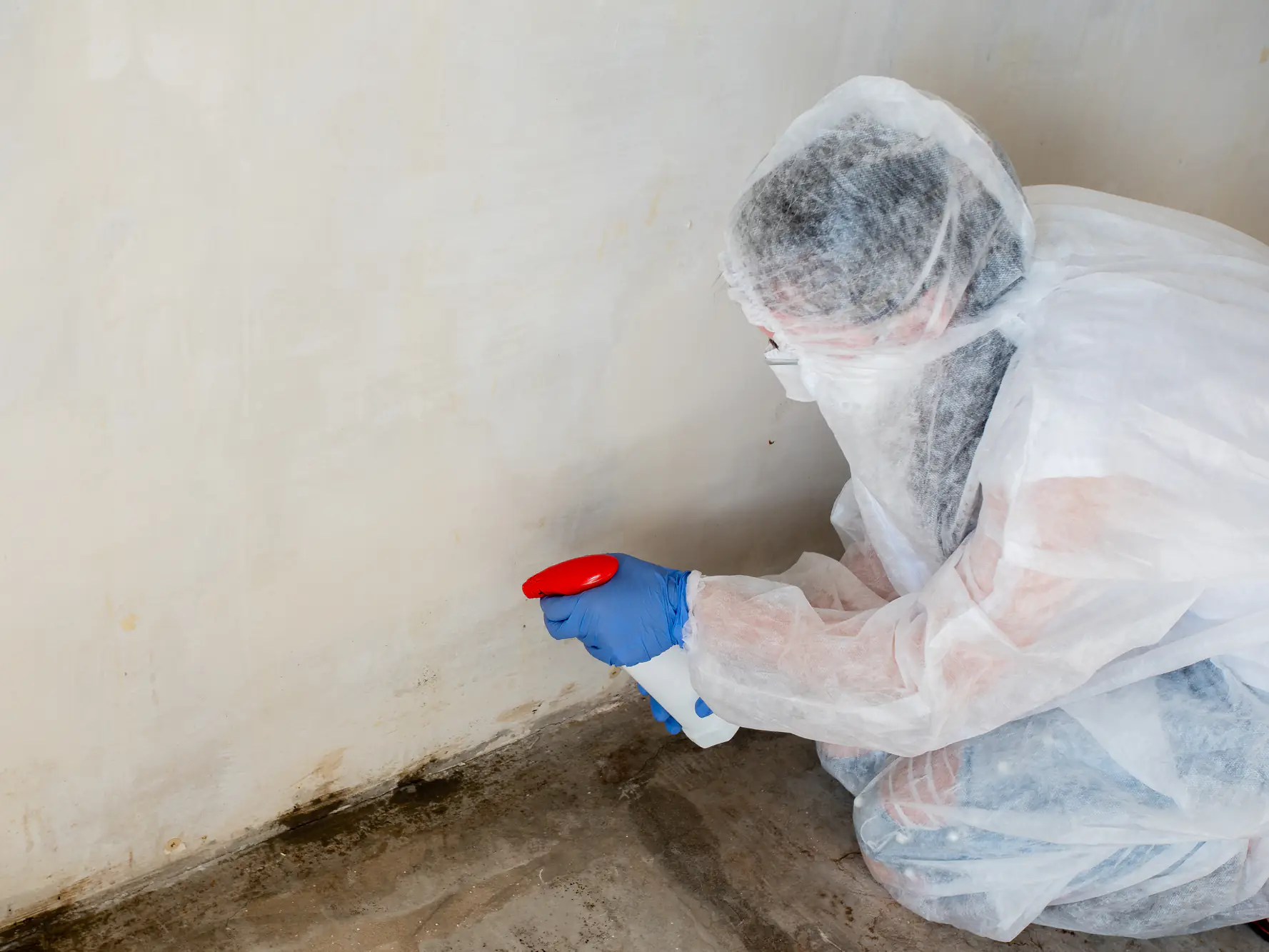
We don’t just scrape off what’s visible and call it done. We find the moisture source, eliminate the mold at the root, and make sure it doesn’t come back. That’s what separates a real fix from a temporary cover-up.
We work across Cottageville, PA and the surrounding Bucks County area—places where basements flood, old homes hold moisture, and humidity creates the perfect environment for mold growth. We know the Delaware River doesn’t care about your closing date.
We’re not the biggest name you’ll find. We’re the ones who show up with the right equipment, walk you through what’s actually happening, and give you a clear plan before we start tearing anything apart.
Our team includes certified inspectors who’ve seen it all—attic mold from poor ventilation, black mold behind drywall, HVAC systems spreading spores through entire homes. We handle residential and commercial properties, and we work with your insurance when coverage applies.
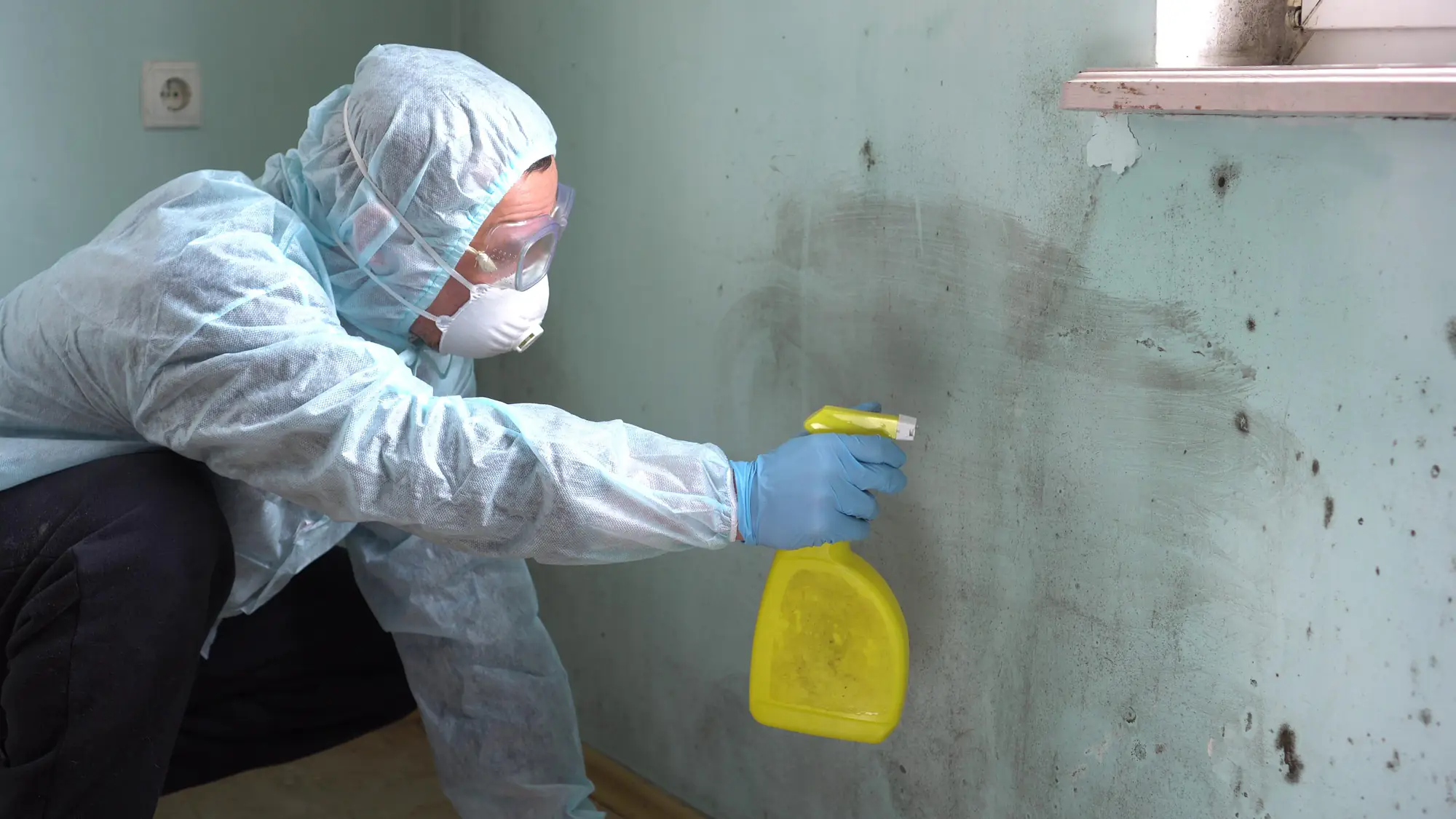
First, we come out and do a free inspection. We’re looking at the visible mold, yes—but also checking behind walls, in crawl spaces, around HVAC systems, anywhere moisture likes to hide. We use moisture meters and infrared cameras to find what you can’t see.
Once we know what we’re dealing with, we give you a detailed estimate. No surprises. If insurance might cover it, we’ll help with that process too.
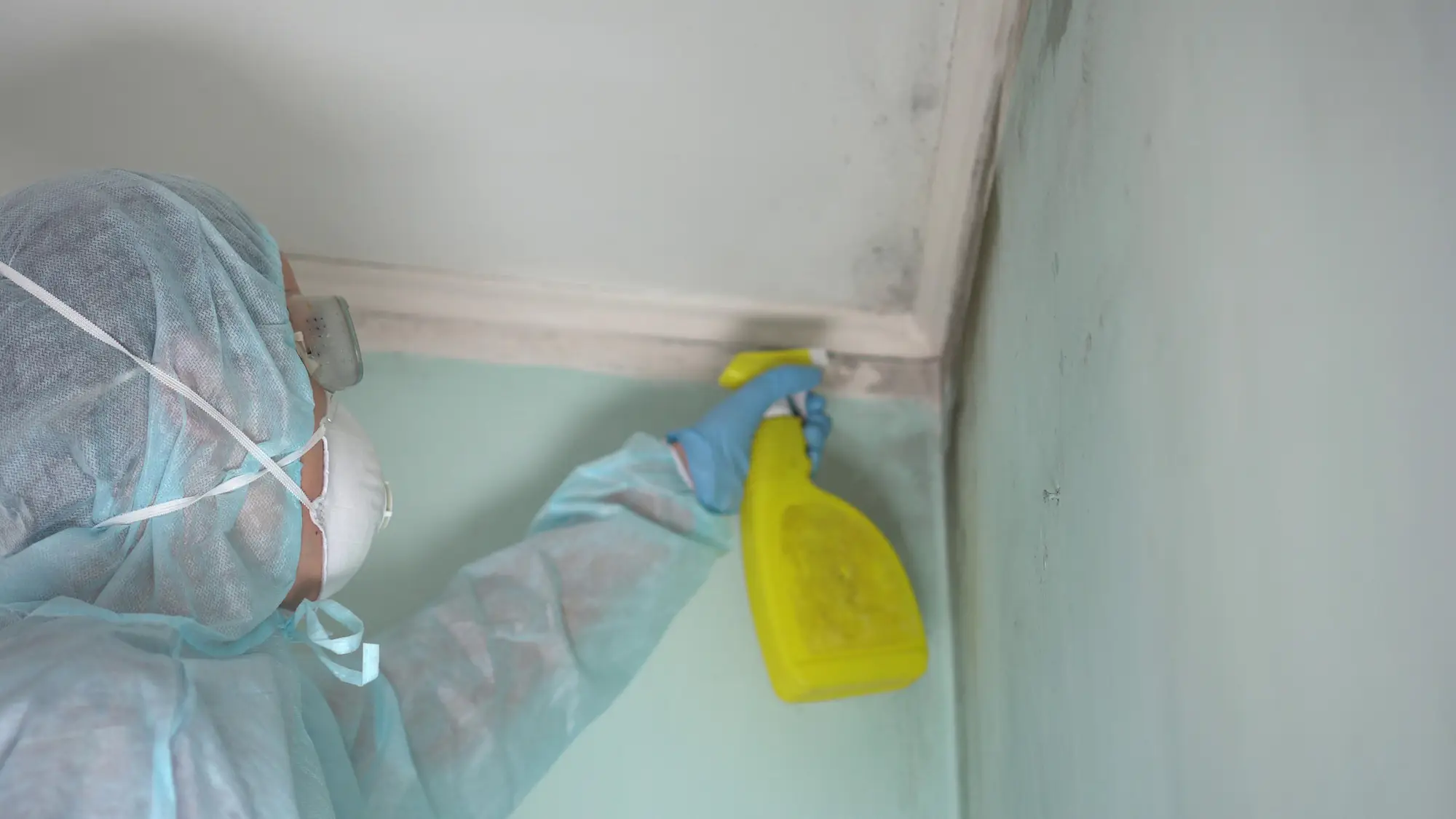
During remediation, we contain the area to prevent spores from spreading. We remove contaminated materials safely, treat affected surfaces with EPA-approved solutions, and dry everything out completely. Then we address the source—whether that’s a leaky pipe, poor ventilation, or groundwater seeping into your foundation.
After the work is done, we test the air quality and provide documentation. If you’re selling a home or need proof for insurance, you’ll have it.
Ready to get started?
Every mold removal project in Cottageville, PA starts with understanding the full scope. We don’t guess. We inspect, test, and map out exactly where the problem is and how far it’s spread.
You get containment barriers that keep spores from moving into clean areas of your home. You get HEPA filtration running during the entire job. You get safe removal of materials that can’t be salvaged—drywall, insulation, carpeting—and treatment of surfaces that can.
Bucks County homes, especially older ones near New Hope or Yardley, deal with basement moisture and poor airflow. We see it constantly. That’s why we don’t just remove mold—we fix the conditions that caused it. Dehumidification recommendations, ventilation improvements, waterproofing referrals if needed.
You also get clear communication. We’re not showing up, doing the work, and disappearing. You’ll know what’s happening, why it’s necessary, and what to expect once we’re done.

It depends on the size of the affected area, the type of mold, and how much material needs to be removed. Small jobs—under 10 square feet—might run a few hundred dollars. Larger infestations that involve tearing out drywall, treating HVAC systems, or remediating multiple rooms can cost several thousand.
The national average is around $2,300, but that’s just a baseline. What drives the price up is usually the hidden damage—mold behind walls, in ductwork, or under flooring. That’s why we do a free inspection first. We’ll give you an upfront estimate so there’s no confusion about what the job will actually cost.
If your mold problem is related to a sudden water event—like a burst pipe—your homeowner’s insurance may cover part of the remediation. We can help you navigate that process and provide the documentation your insurer needs.
If the mold covers less than 10 square feet and it’s on a hard, non-porous surface, you can usually handle it yourself with the right cleaner and some precautions. But once it’s larger than that, or if it’s black mold, or if it’s inside walls or your HVAC system, you’re better off calling someone who knows how to contain it properly.
Mold spreads through spores. If you start scrubbing without containment, you’re just sending those spores into the air and into other rooms. That’s how a small problem becomes a whole-house problem.
There’s also the question of what caused it. If you clean the mold but don’t fix the leak, the ventilation issue, or the moisture source, it’s coming back. A mold remediation company finds the root cause and addresses it. That’s the difference between a temporary fix and an actual solution.
Most residential mold removal jobs take between one and five days, depending on the extent of the damage and how much material needs to be removed. A single room with surface mold might be done in a day. A basement with water damage, black mold, and compromised drywall could take closer to a week.
The timeline also depends on drying time. Even after we remove the mold, the area has to be completely dry before we can close it back up. If we rush that step, moisture gets trapped and mold comes back.
We’ll give you a clear timeline during the estimate. If it’s an emergency—like mold discovered right before a home sale closing—we can often prioritize the job and move faster. We offer 24/7 emergency response for situations like that.
Not if the source of moisture is fixed. Mold needs water to grow. If you remove the mold but leave the leaky pipe, the humid basement, or the poor attic ventilation, then yes—it’s coming back.
That’s why our process includes identifying and addressing the underlying issue. We’re not just treating the symptom. If your basement floods every spring, we’ll talk about waterproofing or drainage solutions. If your bathroom has no exhaust fan and constant condensation, we’ll recommend ventilation improvements.
Once the mold is gone and the moisture problem is solved, the chance of it returning drops significantly. We also provide recommendations for preventing future growth—things like using dehumidifiers, improving airflow, and keeping gutters clear.
Sometimes, but it depends on what caused the mold. If the mold resulted from a sudden, accidental event—like a burst pipe or storm damage—your homeowner’s insurance may cover the remediation. If it’s from long-term neglect, a slow leak you didn’t fix, or general humidity, most policies won’t cover it.
Pennsylvania doesn’t have state-level regulations requiring mold coverage, so it’s up to individual insurers. Some policies include it, some exclude it entirely, and others offer it as an optional add-on.
We work with insurance companies regularly and can help you document the damage, provide estimates, and communicate with your adjuster. Even if your claim gets denied, we offer flexible payment options and financing to make the work manageable. The longer you wait, the worse it gets—and the more expensive it becomes.
Mold removal means getting rid of the visible mold. Mold remediation means bringing the mold levels back to normal, natural levels and fixing the conditions that allowed it to grow in the first place. Remediation is the more complete approach.
You can’t remove every single mold spore from a home—they’re everywhere, floating in the air naturally. But when mold grows out of control because of moisture, that’s when it becomes a health hazard and a structural problem. Remediation addresses the overgrowth, removes contaminated materials, treats affected areas, and prevents it from coming back.
Most reputable mold companies focus on remediation. We’re not just cleaning up what you can see. We’re restoring your indoor air quality, eliminating the source, and making sure the problem doesn’t return. That’s what actually protects your health and your property value.
Other Services we provide in Cottageville