
Hear from Our Customers

You’re not just dealing with a patch of discoloration on the wall. You’re dealing with something that spreads, smells, and makes people in your house feel worse every day. Sneezing that won’t quit. Headaches. Throat irritation. Kids with asthma flare-ups.
Mold doesn’t announce itself. It grows behind drywall, under flooring, in your attic. By the time you see it, it’s already been there a while.
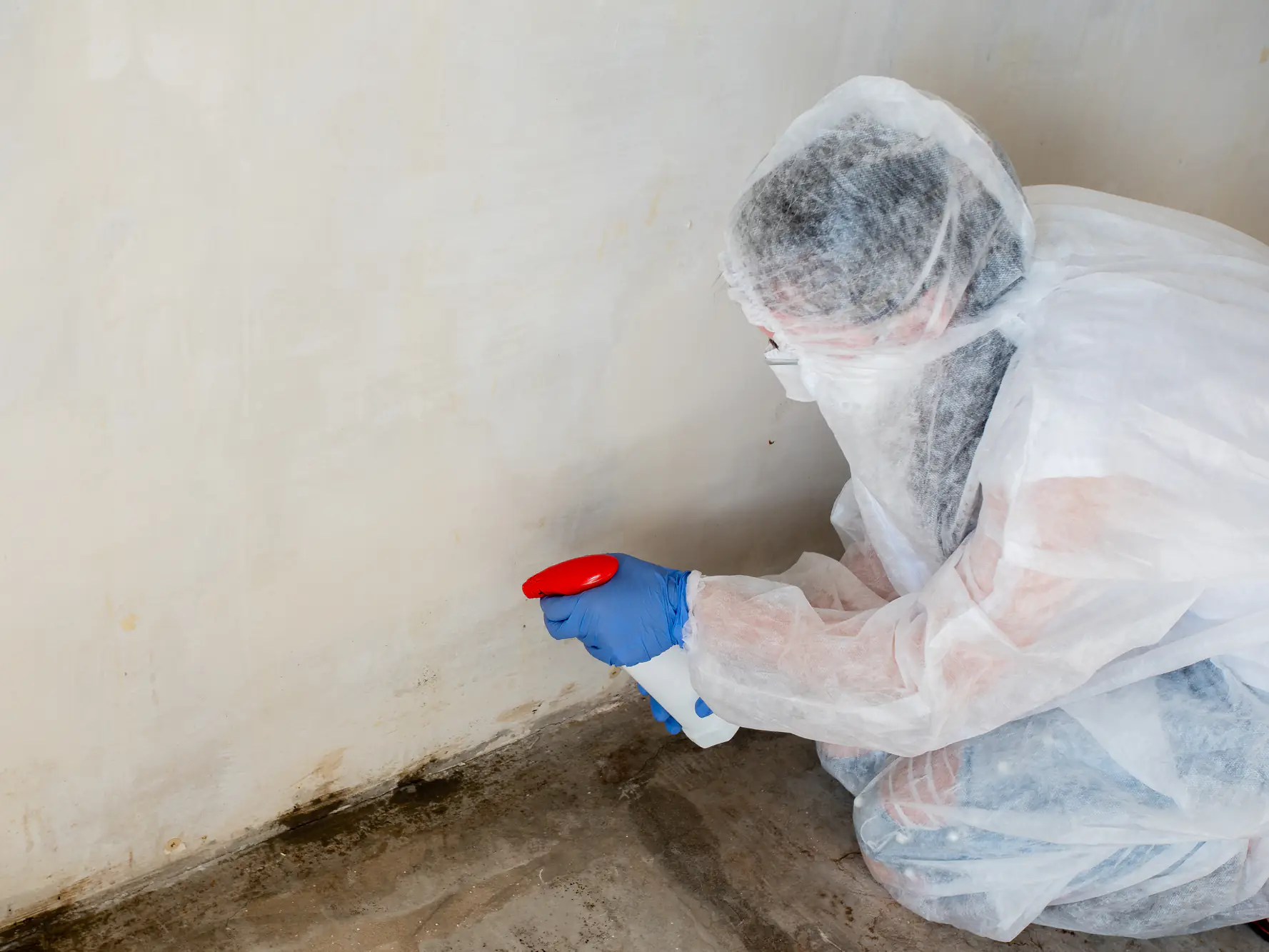
What you need is someone who knows where to look, how to remove it safely, and how to fix whatever let it grow in the first place. That’s what we do as mold removal experts. We don’t just scrub the surface. We find the leak, the humidity issue, the ventilation problem. We remove contaminated materials, treat affected areas with EPA-approved solutions, and make sure it doesn’t come back.
Your home should feel like your home again. Not like a place you’re second-guessing every time someone coughs.
Mack’s Mold Removal works exclusively in Bucks County, and we’ve seen what Danboro’s climate does to homes. Humid summers and damp winters create perfect conditions for mold growth. Basements stay wet longer than they should. Crawl spaces trap moisture. Older homes—especially those built in the 70s, 80s, and 90s—weren’t always designed with the ventilation or moisture barriers they needed.
We’ve worked in hundreds of homes across the area. We know the common trouble spots, the seasonal patterns, and the building styles that tend to have issues. That local knowledge matters when you’re trying to solve a problem that keeps coming back.
Our team is trained, certified, and equipped to handle mold the right way. We follow EPA standards, work with your insurance when applicable, and communicate clearly from start to finish.
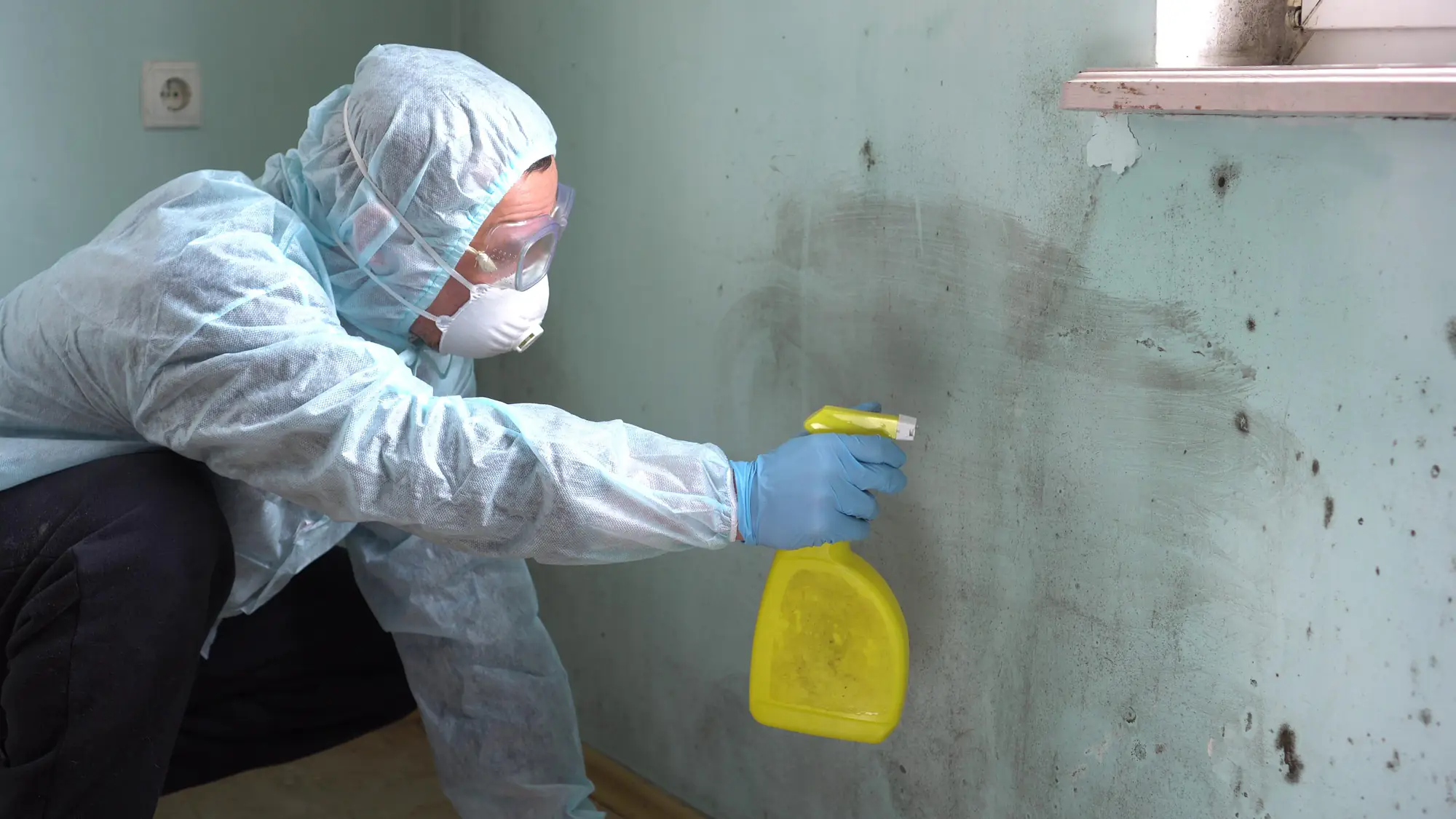
First, we come out and inspect your property at no cost. We’re looking for visible mold, signs of water damage, and hidden growth in places most people don’t check. We use moisture meters and thermal imaging to find problem areas behind walls or under floors.
Once we know what we’re dealing with, we give you a clear estimate. No surprises. You’ll know what needs to be removed, what needs to be treated, and what’s causing the moisture issue before any work starts.
During remediation, we contain the affected area to prevent spores from spreading. We remove contaminated materials—drywall, insulation, flooring, whatever can’t be safely cleaned. We treat surfaces with antimicrobial solutions and use HEPA filtration to clean the air. Then we address the source: fix the leak, improve ventilation, reduce humidity.
After everything’s dry and treated, we can help with restoration—replacing what was removed and getting your space back to normal. You’re not handed off to another company. We see it through.
Ready to get started?
You get a full inspection that covers visible and hidden mold. We check basements, crawl spaces, attics, bathrooms, and anywhere moisture tends to collect. In Danboro, that often means older basements with stone foundations or homes near wooded areas where humidity stays high.
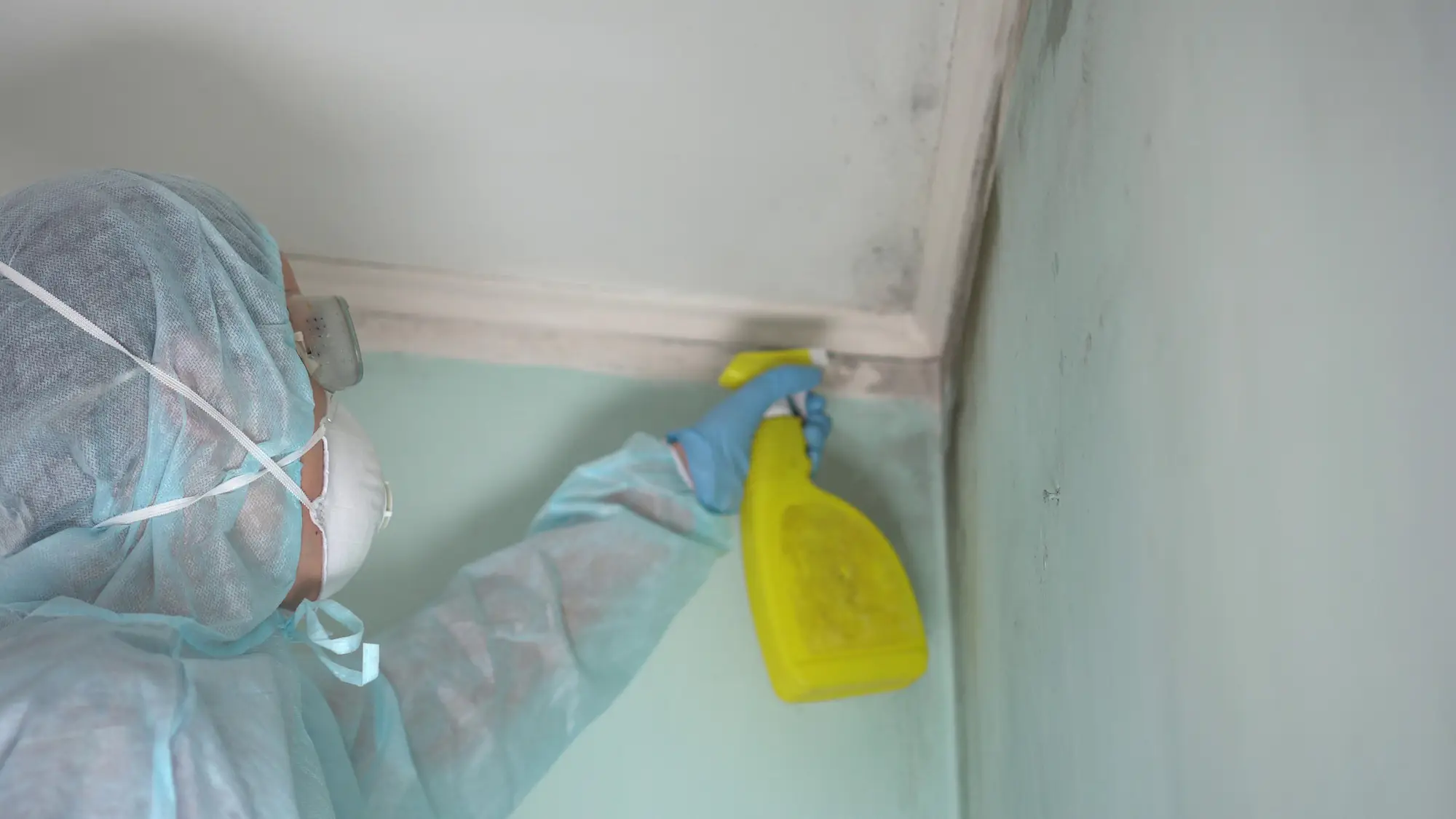
We contain the work area with plastic sheeting and negative air pressure to keep spores from spreading to clean parts of your home. All contaminated materials are removed and disposed of properly. We don’t just spray over the problem.
Treatment includes EPA-approved antimicrobial and antifungal solutions applied to affected surfaces. We also use commercial dehumidifiers and air scrubbers with HEPA filters to dry out the space and remove airborne spores.
Then we fix what caused it. That might mean sealing a foundation crack, rerouting a downspout, installing a vapor barrier, or upgrading attic ventilation. Without that step, you’re just waiting for it to come back. We also work with your insurance company if your policy covers the damage, and we offer financing options if you’re paying out of pocket.

Most mold remediation projects in this area run between $2,400 and $3,500, but the range can go from under $400 for a small isolated spot to over $9,000 for extensive contamination across multiple rooms or structural areas. Cost depends on how much mold there is, where it’s located, and what’s causing it.
A small patch in a bathroom might just need surface treatment and a ventilation fix. A flooded basement with mold growing behind finished walls and inside insulation is a bigger job. You’re paying for containment, removal, treatment, disposal, and fixing the moisture source.
We give you a detailed estimate after the inspection so there’s no guessing. You’ll know what’s included, what’s optional, and what your insurance might cover before we start.
It depends on what caused the mold. If it’s from a sudden, covered event—like a burst pipe or storm damage—most policies will cover remediation. If it’s from long-term neglect, a slow leak you didn’t fix, or ongoing humidity issues, probably not.
Insurance companies want to see that the mold resulted from something unexpected, not from deferred maintenance. That’s why documentation matters. We take photos, moisture readings, and detailed notes during the inspection. If your claim gets approved, we work directly with your adjuster to streamline the process.
Even if insurance doesn’t cover it, we offer financing options. Mold isn’t something you can ignore. It spreads fast, damages your home, and affects your health. The longer you wait, the more expensive it gets.
A straightforward job in one room usually takes one to three days. Larger projects—multiple rooms, structural damage, or extensive contamination—can take a week or more. Drying time is often the longest part. You can’t rush it.
After we remove contaminated materials and treat affected areas, everything has to dry completely before we can close it back up. We use dehumidifiers and air movers to speed up the process, but if your basement has been damp for months, it’s going to take time to get moisture levels where they need to be.
We’ll give you a timeline during the estimate. If something changes—we find more mold than expected, or the source of the moisture is bigger than it looked—we’ll let you know right away.
Small spots—less than 10 square feet, surface-level, not from sewage or contaminated water—you can try. Anything bigger, anything inside walls or under floors, anything that keeps coming back, you need a mold removal specialist.
Here’s why: mold spreads through spores. When you disturb it without proper containment, you’re sending those spores into the air and throughout your house. You also need to know what you’re removing. Some materials can be cleaned. Others need to be thrown out. If you don’t address the moisture source, it’ll just grow back.
We have the equipment—HEPA vacuums, air scrubbers, moisture meters, antimicrobial treatments—and the training to do it safely. We also know what Danboro homes are prone to. A DIY fix might look good for a few weeks, but if the root cause is still there, you’re back to square one.
Mold affects people differently, but common symptoms include sneezing, coughing, congestion, itchy eyes, sore throat, and skin rashes. If you have asthma or allergies, it can trigger flare-ups or make symptoms worse. Some people get headaches or feel fatigued in spaces with mold growth.
Black mold—Stachybotrys chartarum—gets a lot of attention, but any mold growing indoors is a problem. The type matters less than the amount and how long you’re exposed. Kids, elderly family members, and anyone with respiratory issues are more vulnerable.
The longer mold stays in your home, the worse the exposure gets. It’s not just about what you see on the wall. Spores circulate through your HVAC system and settle in carpets, furniture, and bedding. Getting it removed isn’t just about protecting your house. It’s about protecting the people living in it.
Control moisture. That’s it. Mold needs water to grow, so if you keep humidity below 50%, fix leaks quickly, and improve ventilation in damp areas, you’re already ahead.
In Danboro, that means checking your basement regularly, especially in spring after snowmelt and in summer when humidity spikes. Make sure your gutters and downspouts direct water away from your foundation. Use exhaust fans in bathrooms and kitchens. If your crawl space or basement feels damp, a dehumidifier helps.
We address the moisture source during remediation, but you have to maintain it. If you had a leaky pipe, check it periodically. If we installed a vapor barrier, don’t cover it with storage boxes. If your sump pump failed, test it a few times a year. Mold comes back when conditions let it. Keep your home dry, and you won’t give it the chance.
Other Services we provide in Danboro