
Hear from Our Customers

You walk into your basement and the musty smell is gone. You breathe easier knowing your kids aren’t inhaling spores every night. Your home inspection clears without a hitch because there’s nothing left to find.
That’s what happens when mold removal actually works. Not just surface cleaning that buys you three months. Real remediation that addresses the moisture problem feeding the growth in the first place.
Most homes in Aquetong deal with mold at some point. The humid summers here create perfect conditions, especially in older homes without modern ventilation. Basements stay damp. Attics trap moisture. Bathrooms never fully dry out. And mold doesn’t need much time—24 to 48 hours of moisture and it’s already growing.
When you work with certified mold remediation specialists who know this area, you’re not just getting the visible mold scraped off. You’re getting someone who checks behind your walls, tests your air quality, identifies why moisture is accumulating, and builds a plan to stop it. That’s the difference between a quick fix and a solution that lasts.
Mack’s Mold Removal has been helping homeowners across Bucks County deal with mold problems that won’t quit. We’re not the biggest company you’ll find, but we’re the ones who show up when you call, explain what’s actually happening, and don’t disappear after the invoice clears.
Aquetong homes have their own quirks. Older construction, stone foundations, crawl spaces that were never meant to stay dry. We’ve worked in enough basements and attics around here to know what you’re dealing with before we even arrive.
Our team includes certified mold remediation specialists trained in EPA-approved methods. We use thermal imaging to find moisture you can’t see and air quality testing to confirm what’s actually growing. And we’re available 24/7 because mold doesn’t wait for business hours, and neither do we.
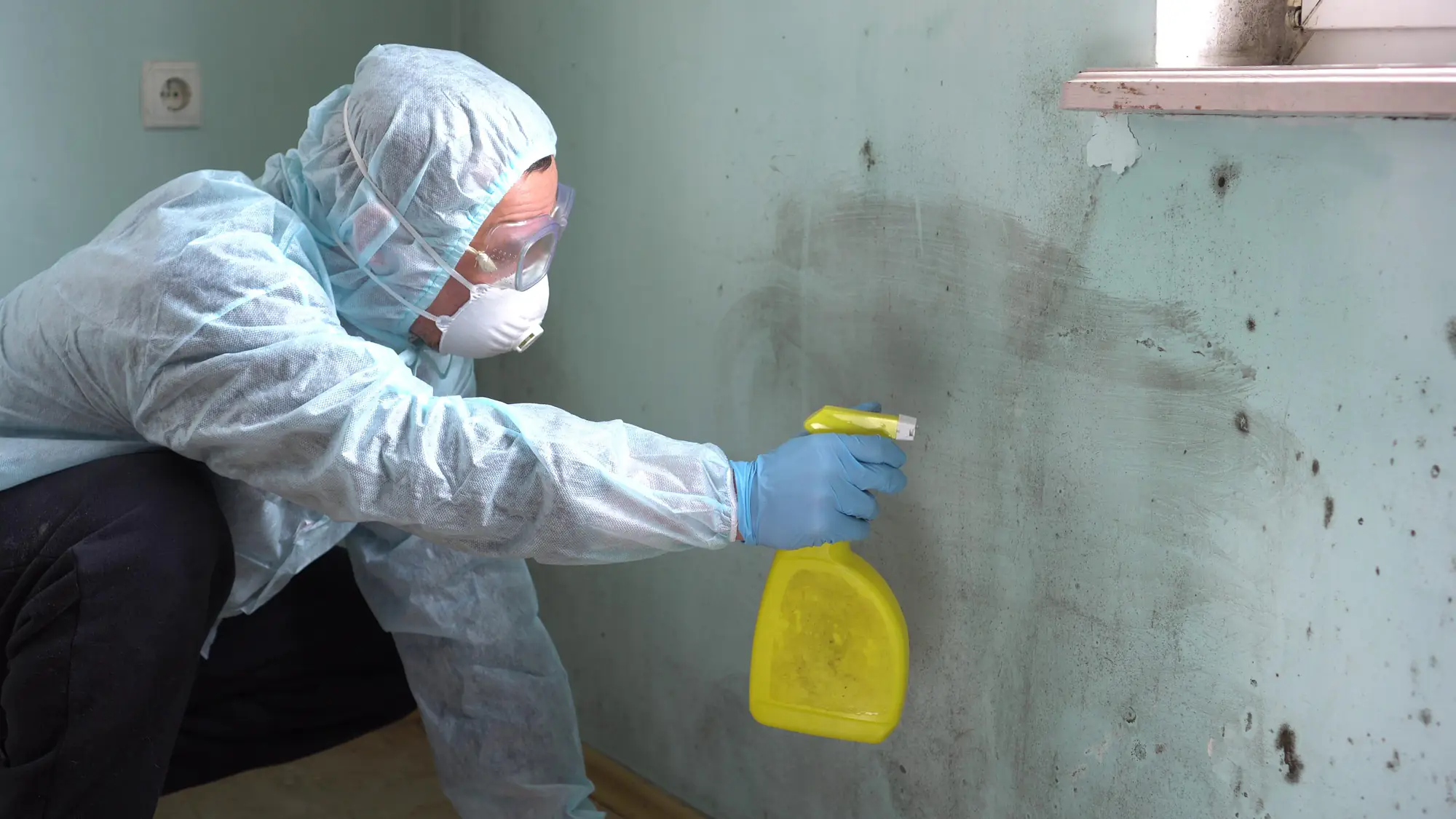
We start with a free inspection. That means checking everywhere mold likes to hide—behind baseboards, inside HVAC systems, under flooring, in wall cavities. We use moisture meters and thermal cameras to map out problem areas you’d never spot on your own.
Once we know what we’re dealing with, we contain the area to prevent spores from spreading during removal. Then we remove all contaminated materials using HEPA filtration and EPA-approved cleaning agents. If drywall or insulation is too far gone, it comes out. No shortcuts.
After the mold is gone, we treat surfaces with antimicrobial solutions and address the moisture source. Maybe that’s fixing a leak, improving ventilation, or installing a dehumidifier. Whatever caused the problem gets handled, or the mold just comes back in six months.
The whole process typically takes three to five days for most residential jobs. You’ll know the timeline upfront, and we’ll keep you updated if anything changes. When we’re done, you get documentation showing the work was completed to industry standards—helpful if you’re selling or just want proof for your own peace of mind.
Ready to get started?
You’re not just getting mold scraped off and a bill in the mail. You’re getting a full remediation that includes inspection, testing, containment, removal, treatment, and prevention—all handled by black mold experts who’ve seen worse than what’s in your basement.
Here’s what that looks like in Aquetong specifically: we know your home is probably 50+ years old with a stone foundation that weeps every spring. We know your crawl space floods when it rains hard. We know your bathroom exhaust fan vents into the attic instead of outside. These aren’t guesses—they’re patterns we see constantly in this area.
So when we inspect your property, we’re looking for those exact issues. When we write up a remediation plan, it accounts for the local climate and how your home was built. And when we install moisture barriers or recommend ventilation upgrades, it’s based on what actually works in Bucks County homes, not a generic checklist.
You also get help navigating insurance claims if your policy covers mold damage. We document everything, provide detailed estimates, and communicate directly with adjusters when needed. Most homeowners don’t realize their policy might cover this until they ask—and we’ll help you figure that out before you pay out of pocket.

If you’re smelling something musty, you’ve got mold growing somewhere. That odor comes from microbial volatile organic compounds (MVOCs) that mold releases as it grows. It’s not just “old house smell”—it’s a biological process happening in real time.
The tricky part is that not all mold is visible. You might have significant growth behind drywall, under carpeting, or inside your HVAC system and never see a single spot. That’s why the smell matters—it’s often your first warning sign.
If you’re noticing the smell getting stronger, if it’s concentrated in certain areas, or if anyone in your home is developing respiratory symptoms, don’t wait. Get a professional mold inspection. We’ll use moisture detection equipment and air quality testing to find exactly where it’s growing and how extensive the problem is. Most inspections are free, and at minimum you’ll know what you’re dealing with instead of guessing.
Small surface mold—like a little bit on bathroom caulking—you can handle with bleach and elbow grease. But if you’re seeing mold larger than a few square feet, if it’s on porous materials like drywall or wood, or if you’re dealing with hidden growth, DIY removal usually makes things worse.
Here’s why: disturbing mold without proper containment spreads spores throughout your home. You might clean what you can see, but you’ve just contaminated your HVAC system and every room in the house. Plus, if you don’t fix the moisture source, the mold comes back within weeks.
We use containment barriers, HEPA filtration, and negative air pressure to prevent cross-contamination. We remove materials that can’t be salvaged, treat what can be saved, and address the underlying moisture problem. The cost difference between doing it right once and doing it wrong twice isn’t even close—especially when you factor in potential health impacts and property damage from repeated growth.
Most residential mold remediation projects in Bucks County run between $1,300 and $3,700, with the average around $2,400. But that’s a wide range because every situation is different.
A small bathroom mold problem might cost $1,200. A finished basement with hidden growth behind walls could run $5,000 or more. The variables include how much square footage is affected, what materials need to be removed, whether you need structural repairs, and how difficult the moisture source is to fix.
Here’s what matters more than the average: getting an accurate estimate upfront. We provide free inspections and detailed quotes before any work starts. You’ll know exactly what’s included, what the timeline looks like, and what your options are. We also offer financing if the cost is more than you were planning to spend right now, and we’ll work with your insurance company if your policy covers mold damage. The worst thing you can do is delay treatment because you’re worried about cost—mold damage gets exponentially more expensive the longer it sits.
Mold keeps returning because the moisture source never got fixed. You can bleach every visible spot, scrub until your arms hurt, and it’ll be back in a month if water is still accumulating in that space.
Common moisture sources in Aquetong homes include foundation leaks, poor grading that directs water toward the house, bathroom exhaust fans that don’t vent outside, basement humidity that stays above 60%, and roof leaks that go unnoticed for months. Any of these will feed continuous mold growth no matter how many times you clean.
That’s why professional mold remediation focuses on moisture control first. We find where water is entering or accumulating, fix the source, and then remove the mold. Sometimes that means installing a dehumidifier or sump pump. Sometimes it means regrading your yard or sealing foundation cracks. Sometimes it’s as simple as fixing a leaky pipe or improving attic ventilation. But until the moisture problem is solved, you’re just treating symptoms instead of causes—and you’ll be cleaning mold forever.
Most residential mold remediation takes three to five days once we start work. That includes containment setup, removal, treatment, and initial drying. If you need reconstruction afterward—like replacing drywall or flooring—that adds time depending on the scope.
The timeline depends on how extensive the growth is and how accessible the affected areas are. A straightforward basement job might be done in three days. A whole-house remediation with HVAC contamination could take a week or more.
Here’s the typical sequence: Day one is containment and removal of heavily affected materials. Day two and three are treatment, cleaning, and addressing the moisture source. Day four is verification testing and final treatment. Day five is breakdown and documentation. You can usually stay in your home during the process as long as we’re working in a contained area, though you’ll want to avoid that space until we’re finished. We’ll give you a specific timeline during the inspection so you know exactly what to expect and can plan accordingly.
It depends on what caused the mold. If it resulted from a sudden, accidental event—like a burst pipe or storm damage—most policies will cover remediation. If it developed over time due to maintenance issues or humidity, probably not.
Insurance companies draw a hard line between sudden water damage and gradual problems. A washing machine hose that bursts and floods your basement? Likely covered. A slow foundation leak you ignored for two years? Probably denied. The key is whether the damage was preventable through normal home maintenance.
Even if your policy covers it, there’s usually a cap on mold remediation—often between $5,000 and $10,000. And you’ll need documentation proving the mold resulted from a covered event, which is why it’s important to file claims quickly after water damage occurs. We help homeowners navigate this process all the time. We’ll document the damage, provide detailed estimates, and communicate with your adjuster to support your claim. If your policy doesn’t cover it, we offer financing options to make the cost manageable. Either way, you’ll know where you stand before we start work.
Other Services we provide in Aquetong