
Hear from Our Customers
The air in your home feels different when mold is gone. Not just cleaner—actually breathable. No more musty smell when you walk into the basement. No more wondering if that dark spot behind the washing machine is spreading.
When mold gets removed properly, it doesn’t come back next season. The source gets identified and handled. Moisture problems get addressed, not just covered up. You’re not paying twice for the same problem.
Your family stops dealing with unexplained respiratory issues. Stuffy noses clear up. That persistent cough finally goes away. You stop worrying every time someone with asthma visits your house.
Property value stays intact. When it’s time to sell, you’ve got documentation showing the work was done by certified professionals using proper protocols. No surprises during inspection. No last-minute negotiations because a buyer’s inspector found something you missed.
We work specifically in Passer and throughout Bucks County because this area has its own mold challenges. Southeastern Pennsylvania humidity sits in that range where attics stay damp long enough for growth to take hold—even without a leak.
We’ve seen what happens when AC systems run constantly through summer and ducts don’t get maintained. We know which basements flood during spring storms and which crawl spaces never quite dry out.
Our team uses thermal imaging and moisture meters to find problems before they’re visible. Every job includes lab analysis from certified facilities, so you know exactly what species you’re dealing with and what the concentration levels are. We don’t guess. We test, document, and remove it properly.
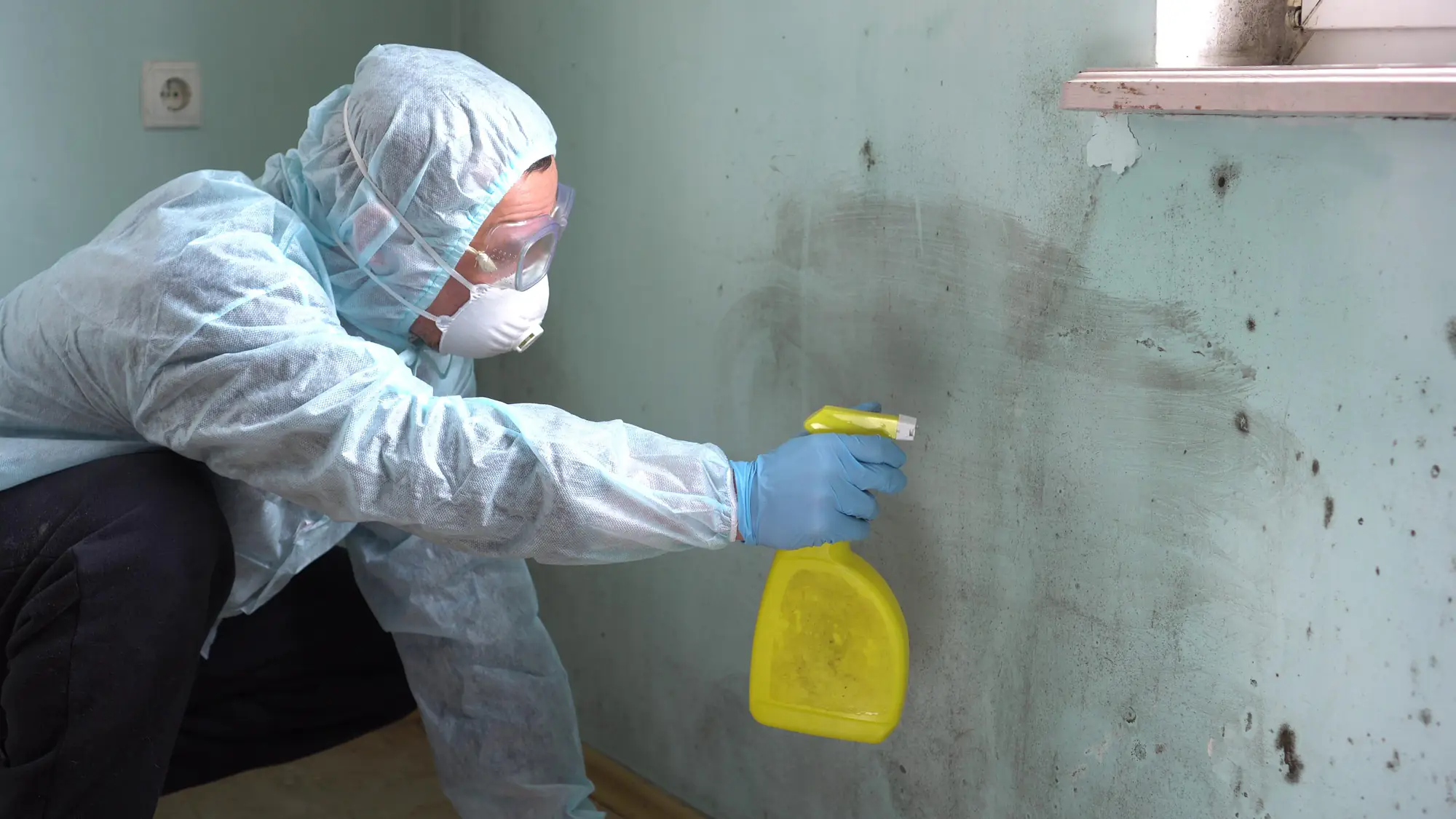
First visit is a free inspection. We come to your Passer property with moisture meters and infrared cameras to find elevated humidity levels—even behind walls or under flooring. If there’s mold, we take samples for lab analysis.
The lab identifies the specific species and concentration. That tells us whether it’s common surface mold or something that requires more aggressive containment. Black mold gets handled differently than mildew. The testing gives us exact information about health risks.
Before removal starts, we isolate the affected area with physical barriers and negative air pressure. This keeps spores from spreading to clean areas of your home during the work. Everything gets contained.
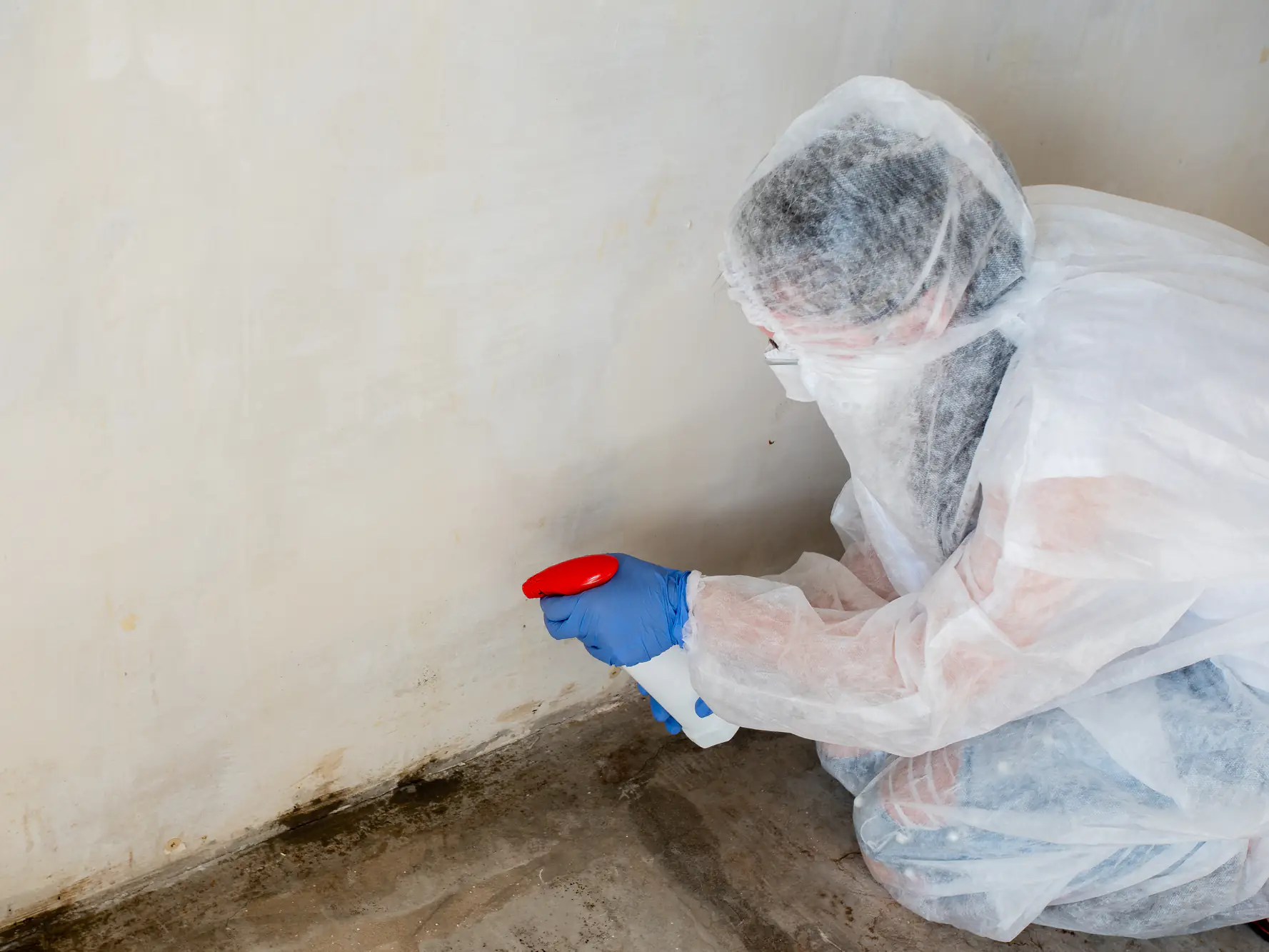
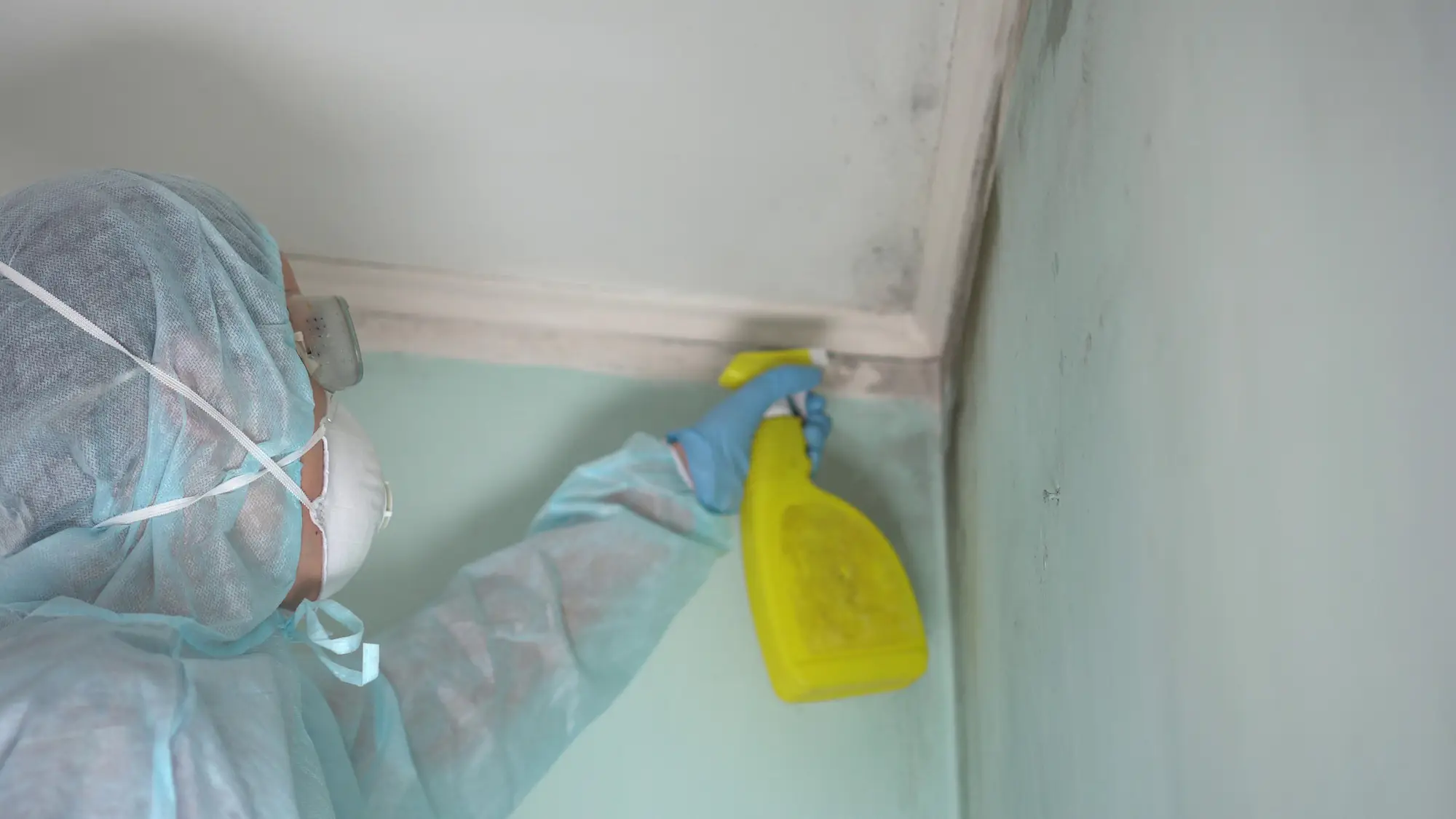
Removal follows industry protocols. Porous materials that can’t be fully cleaned get removed and disposed of properly. Hard surfaces get treated with antimicrobial solutions. We don’t just kill surface mold—we address the moisture source so it doesn’t return.
Final step is verification testing. We retest the air quality to confirm spore counts are back to normal levels. You get documentation showing the work was completed properly and your home is safe.
Ready to get started?
Every job starts with that free inspection and moisture assessment. You’re not paying just to find out if you have a problem. Thermal imaging and initial evaluation are included.
Lab testing through certified facilities is part of the process. You get detailed reports showing exactly what mold species are present and at what concentrations. This isn’t optional—it’s how we know what we’re dealing with.
Passer homes built before 1980 often have unique ventilation issues that create perfect conditions for mold growth. Older construction methods, combined with Bucks County’s humidity levels, mean basements and attics need special attention. We look at your specific property type and age to identify the most likely problem areas.
Complete containment setup prevents cross-contamination during removal. Negative air machines, physical barriers, and proper disposal protocols are standard. We also work directly with insurance companies if your policy covers the damage.
After removal, you get prevention recommendations specific to your property. Maybe it’s improving attic ventilation. Maybe it’s addressing a grading issue that’s directing water toward your foundation. We tell you what’s causing moisture problems so you can actually fix them.

Cost depends entirely on how much area is affected and what materials are involved. A small bathroom with surface mold on tile might run $500 to $1,500. A basement with mold behind drywall and insulation could be $3,000 to $8,000.
Size matters, but so does access. Crawl spaces cost more per square foot than basements because they’re harder to work in. Attic mold requires different equipment than ground-level spaces.
We provide upfront pricing after the free inspection. You’ll know exactly what the job costs before any work starts. Most homeowners insurance policies cover mold remediation if it resulted from a covered event like a burst pipe. We help with the claims process and can bill insurance directly in many cases.
Small jobs—like a single bathroom or closet—usually take one to two days. Larger projects involving multiple rooms or significant structural work can take a week or more.
The actual removal is often faster than people expect. What takes time is proper containment setup, drying out affected materials, and verification testing afterward. We don’t rush the drying phase because putting everything back together while materials are still damp just creates the same problem again.
For Passer properties, we factor in local climate. If we’re working during humid summer months, drying takes longer than during dry winter conditions. We use commercial dehumidifiers and air movers to speed the process, but we won’t close up walls until moisture levels are actually safe.
Depends on the scope of work and where the mold is located. If we’re treating a basement and you can avoid that area entirely, staying home is usually fine. If mold is in your HVAC system or affects multiple floors, you might need to stay elsewhere temporarily.
Containment protocols are designed to prevent spore spread, but sensitive individuals—especially those with asthma, allergies, or compromised immune systems—should avoid the property during active removal. Kids and elderly family members fall into this category too.
We’re honest about this during the inspection. If the situation requires you to leave for a few days, we’ll tell you upfront. Most jobs don’t require full evacuation, but when they do, it’s for good reason. Your health matters more than convenience.
Bucks County humidity is the biggest factor. Summer months put Passer right in that danger zone where moisture doesn’t evaporate quickly. Attics stay damp. Basements feel clammy. That’s all mold needs.
AC systems running constantly create condensation, especially when ductwork isn’t properly insulated. We see this in homes built in the 70s and 80s where original HVAC systems are still in use. Drip pans overflow, condensation lines clog, and water sits long enough for growth to start.
Older Passer properties often have foundation issues that allow groundwater seepage. Spring storms are particularly problematic. Water tables rise, and basements that are fine most of the year suddenly have moisture problems. Poor grading around the foundation makes it worse.
If you can see mold on hard surfaces like tile or glass and it wipes away completely, that’s often surface mildew. Regular cleaning products can handle it. But if it comes back within weeks, there’s a moisture source you’re not addressing.
Mold behind walls, under flooring, or in HVAC systems requires professional removal. You can’t reach it with household cleaners, and disturbing it without proper containment spreads spores throughout your home. Any area larger than 10 square feet should be handled by certified mold remediation specialists.
Health symptoms are another indicator. If people in your home have respiratory issues that improve when they leave the property, that suggests mold exposure. Persistent musty odors—even when you can’t see visible growth—mean spores are present somewhere. At that point, you need testing to find the source.
Not if the moisture source gets fixed. Mold needs water to grow. Remove the water, and it can’t survive. The problem is that many companies just remove visible mold without addressing why it grew in the first place.
We identify what’s causing moisture problems during the initial inspection. Maybe it’s a plumbing leak. Maybe it’s condensation from poor ventilation. Maybe it’s groundwater seeping through foundation cracks. Whatever it is, we tell you what needs to be fixed.
Our job is removing the mold and documenting that it’s gone through post-remediation testing. Your job—or your plumber’s, or your foundation specialist’s—is fixing the underlying moisture issue. When both things happen, mold doesn’t return. When only the mold gets removed and the leak stays, you’re paying for remediation again in six months.
Other Services we provide in Passer