

Hear from Our Customers
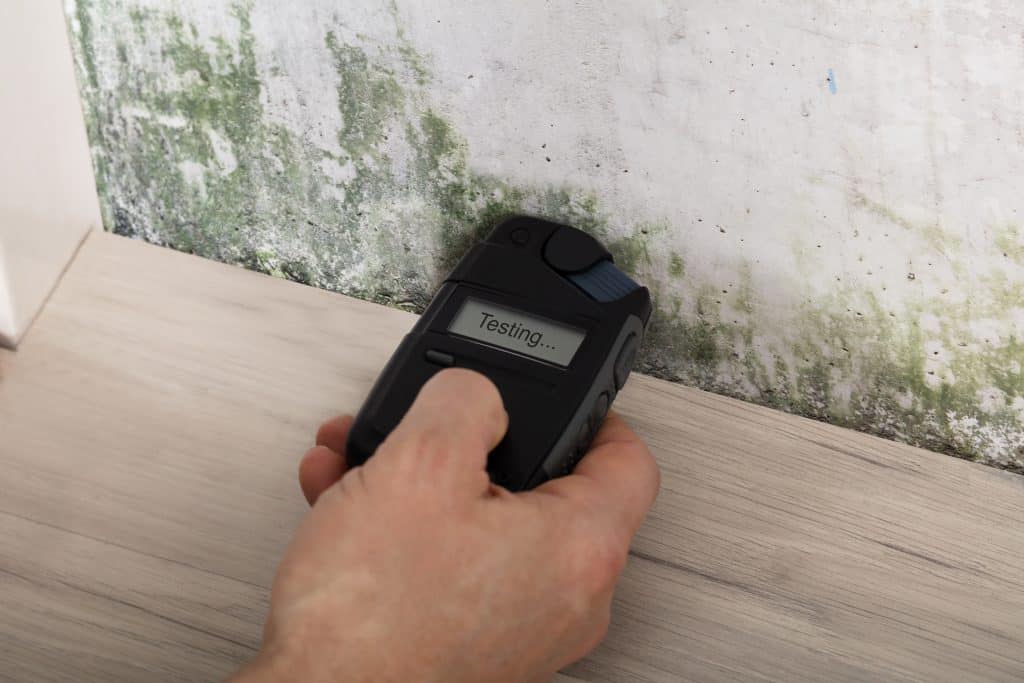
You shouldn’t have to worry about whether the mold will come back in three months. When we handle a mold problem, we’re looking at the whole picture—not just the black spots on your basement wall.
That means finding the moisture source. Fixing the ventilation issue in your attic. Addressing the condensation problem in your crawl space. Because surface cleaning doesn’t solve anything if the conditions that caused it are still there.
What you get is a home where your kids can breathe easier, where you’re not second-guessing every musty smell, and where you’re not paying someone else to come back and redo the same job six months later. We use HEPA filtration, containment barriers, and moisture detection technology to make sure the job is done right the first time.
Mack’s Mold Removal has been serving Passer and Bucks County for years, and we’ve seen what Pennsylvania’s humid summers and temperature swings do to homes here. Basements that stay damp too long. Attics with poor airflow. Crawl spaces that never fully dry out.
We’re IICRC certified, which means we follow the actual standards for mold remediation—not just what looks good enough. Our team uses professional-grade equipment, from infrared cameras to industrial air scrubbers, because guessing where mold is hiding doesn’t work.
You’re not getting a crew that shows up, sprays something, and leaves. You’re getting people who understand how homes in this area are built, what goes wrong, and how to fix it so it doesn’t happen again.

First, we come out and do a free inspection. We’re not just looking at the visible mold—we’re using moisture meters and thermal imaging to find what’s hiding behind walls, under floors, or in your attic. That’s where most people get burned by companies that miss the real problem.
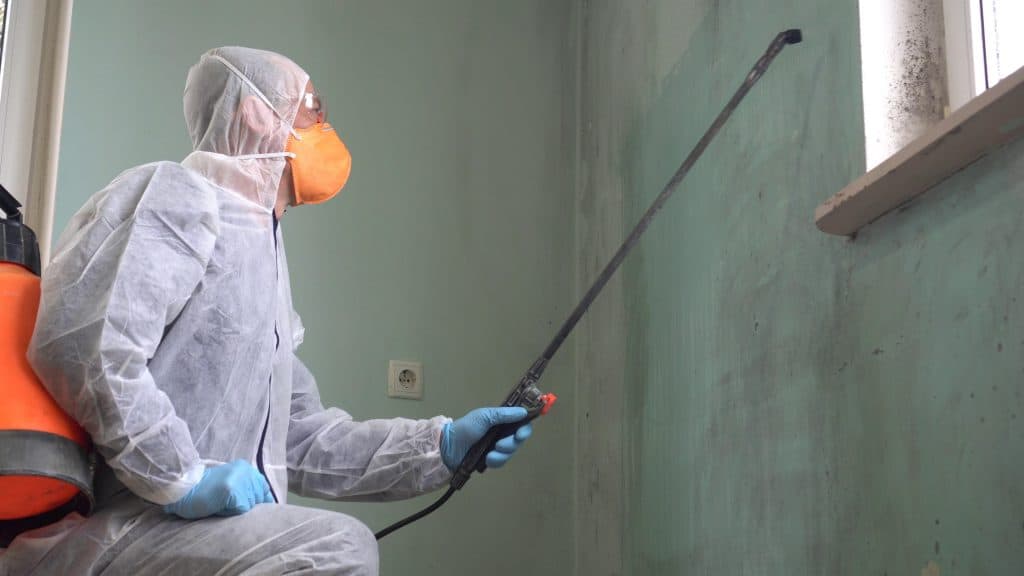
Once we know what we’re dealing with, we’ll walk you through what needs to happen. We seal off the affected area with physical barriers and negative air pressure so spores don’t spread to the rest of your home. Then we remove the contaminated materials safely and treat the area with antimicrobial solutions.
After that, we address the source. If it’s a ventilation issue, a leak, or a drainage problem, we’ll tell you exactly what needs to be fixed. We can also help you work with your insurance company if the damage is covered. The goal is simple: get it done right, so you don’t have to deal with this again.
Ready to get started?
Every mold removal job we do includes a full inspection with moisture mapping, containment setup to protect unaffected areas, HEPA vacuuming and air scrubbing to capture airborne spores, and safe removal of contaminated materials. We don’t cut corners.
In Passer, we see a lot of basement mold from poor drainage and crawl space mold from high humidity levels that sit above 70% during summer months. Attics are another common problem area here—warm, humid air gets trapped, condensation forms, and mold takes hold even without a roof leak.
We also handle black mold removal, which gets the most attention because of the health risks. Black mold releases spores that can trigger allergic reactions, respiratory issues, and other health problems, especially in kids and anyone with asthma. If you’re seeing it, or if you’re smelling that musty odor but can’t find the source, we’ll track it down and get rid of it safely.
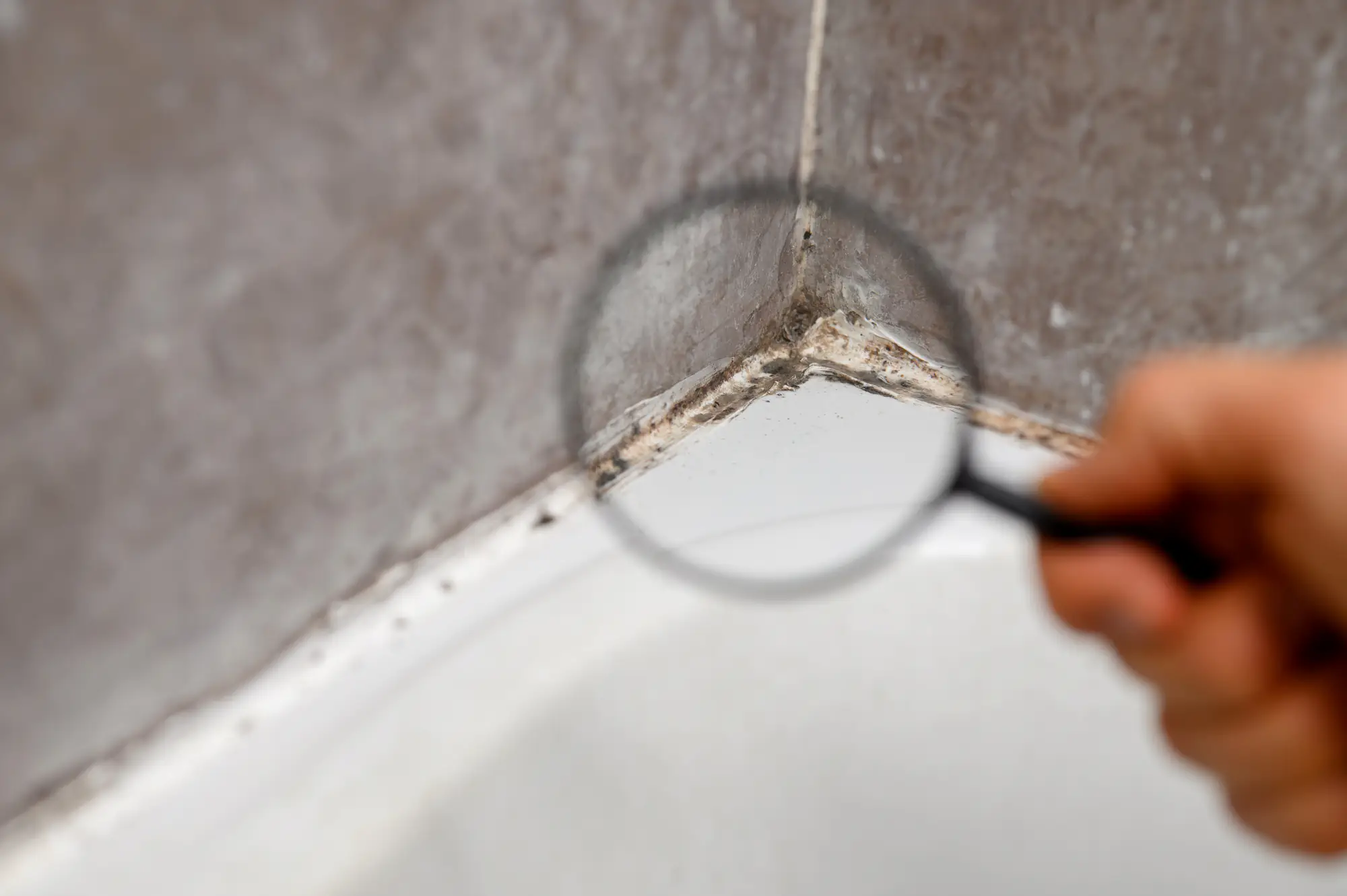
Visible mold is the obvious sign—black, green, or white patches on walls, ceilings, or around windows. But mold doesn’t always show itself that clearly.
If you’re smelling something musty, especially in your basement, bathroom, or attic, that’s a red flag. Mold releases a distinct odor even when it’s hidden behind drywall or under flooring. You might also notice water stains, peeling paint, or warping on walls and ceilings—those are signs that moisture has been sitting long enough for mold to start growing.
Health symptoms can be another clue. If you or your family are dealing with unexplained allergy symptoms, coughing, or respiratory issues that get worse at home, mold exposure could be the cause. The only way to know for sure is to get a professional inspection with moisture detection tools that can find what’s hiding.
Small surface mold on a bathroom tile or windowsill? Sure, you can probably handle that with the right cleaner. But if you’re dealing with mold that’s spread across a larger area, or if it’s growing on porous materials like drywall or insulation, DIY removal usually makes things worse.
Here’s why: disturbing mold releases thousands of spores into the air. Without proper containment and HEPA filtration, those spores spread to other parts of your home and start new colonies. You also need to identify and fix the moisture source, or the mold will just come back.
Professional mold removal means containment barriers, negative air pressure, protective equipment, and the right tools to remove contaminated materials safely. It’s not about being able to scrub something off a wall—it’s about doing it in a way that doesn’t contaminate your entire house or put your health at risk.
It depends on how much mold there is and where it’s growing. A small, contained area like a bathroom might take a day or two. A larger job—like a basement with widespread mold or an attic with ventilation issues—could take several days to a week.
The inspection and containment setup happen first. Then we remove the affected materials, treat the area, and run air scrubbers to clean the air. After that, we address the moisture problem so it doesn’t come back. Rushing through any of those steps just means you’ll be calling someone again in a few months.
We’ll give you a clear timeline after the inspection so you know what to expect. If it’s an emergency situation—like after a flood or major leak—we’re available 24/7 and can start containment right away to prevent the mold from spreading while we plan the full remediation.
It depends on what caused the mold. If it’s from a sudden, accidental event—like a burst pipe or storm damage—most homeowners insurance policies will cover the mold remediation. If it’s from long-term neglect or a maintenance issue, probably not.
The key is documentation. Insurance companies want to see proof of the damage, the source, and the scope of the remediation work. That’s where we come in—we’ll document everything with photos, moisture readings, and a detailed report that shows exactly what happened and what needs to be done.
We’ve worked with insurance companies in Bucks County for years, and we know how to present the information they need to process your claim. We can also work directly with your adjuster to answer questions and make the process easier for you. It doesn’t guarantee coverage, but it gives you the best chance of getting your claim approved.
Mold removal sounds like you’re getting rid of every single spore, but that’s not realistic. Mold spores are everywhere—in the air, on surfaces, floating around outside. The goal isn’t to make your home completely mold-free; it’s to bring mold levels back to normal and remove the conditions that let it grow.
That’s what mold remediation means. We remove the active mold growth, clean and treat affected areas, and fix the moisture problem that caused it. The result is a home where mold isn’t actively growing and spreading, and where the air quality is back to safe levels.
Some companies will use “mold removal” and “mold remediation” interchangeably, and that’s fine—most people search for “mold removal” anyway. Just know that the real work involves more than scrubbing something off a wall. It’s about creating an environment where mold can’t thrive.
Control moisture. That’s it. Mold needs water to grow, so if you can keep humidity levels below 60% and fix leaks quickly, you’re already ahead of most homeowners.
In Passer, that means paying attention to your basement and crawl space, especially during humid summer months when moisture doesn’t evaporate easily. Use a dehumidifier if needed. Make sure your gutters and downspouts are directing water away from your foundation. Check your attic ventilation—if warm, humid air is getting trapped up there, you’re creating the perfect environment for mold.
If you’ve had a leak or water damage, dry everything within 24 to 48 hours. That’s the window you have before mold starts growing. After that, you’re not preventing it—you’re remediating it. We’ll give you specific recommendations based on what we find during your inspection, because every home is different and every moisture problem has its own cause.
Other Services we provide in Passer