
Hear from Our Customers
Mold doesn’t just look bad. It spreads fast, hides in places you can’t see, and puts your family’s health at risk.
You want it handled completely the first time. That means finding where it’s growing, removing it safely, and making sure it doesn’t come back. When the job’s done right, you’re not dealing with musty smells, worried about what’s behind your walls, or wondering if your kids are breathing in something harmful.
Your home feels like home again. The air is cleaner. You’re not second-guessing every cough or headache. And if you ever need to sell, there’s no mold issue lurking in an inspection report.
That’s what proper mold remediation gets you. Not a quick cover-up, but a real fix that protects both your family and your property value.
Mack’s Mold Removal is locally owned and based right here in Bucks County. We’ve worked in enough La Trappe homes to know what causes mold problems in this area—older housing stock, humid summers, basements that weren’t built with modern moisture barriers.
We’re not a franchise following a script. We’re mold removal specialists who understand how Pennsylvania homes are built and where problems typically start. You get someone who knows the local conditions, not a crew learning on the job.
Every inspection is free. Every remediation plan is built around what your home actually needs, not what a corporate pricing sheet says to sell.
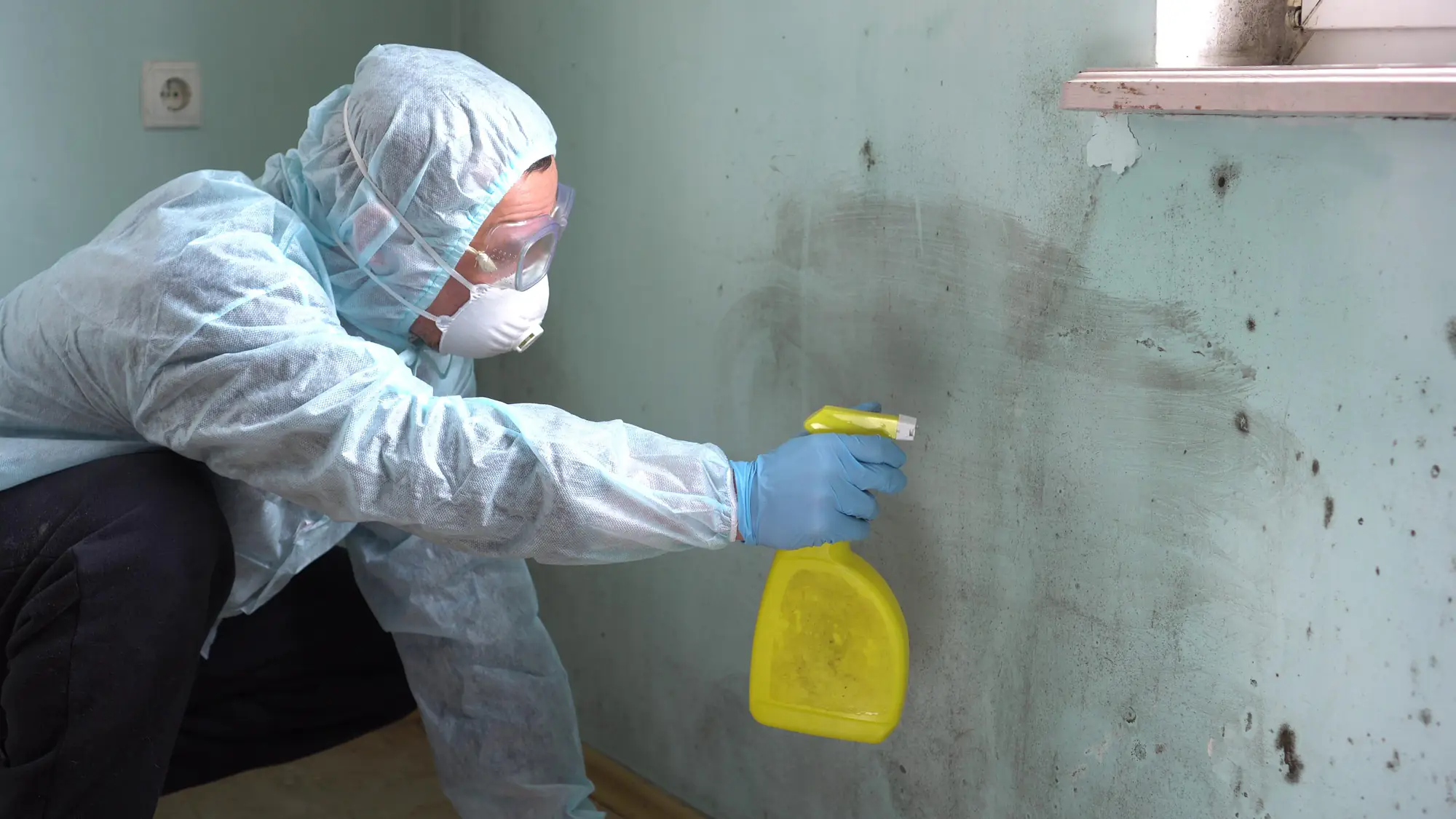
First, we come out and inspect your property at no charge. We’re looking for visible mold, but also checking areas where it hides—behind walls, under flooring, in crawl spaces and attics. We use moisture meters and thermal imaging to find the source, because treating the symptom without fixing the cause just means it comes back.
Once we know what we’re dealing with, we explain what needs to happen. If it’s a small area, we’ll tell you. If it’s spread further, we’ll show you why and what’s involved in getting it out safely.
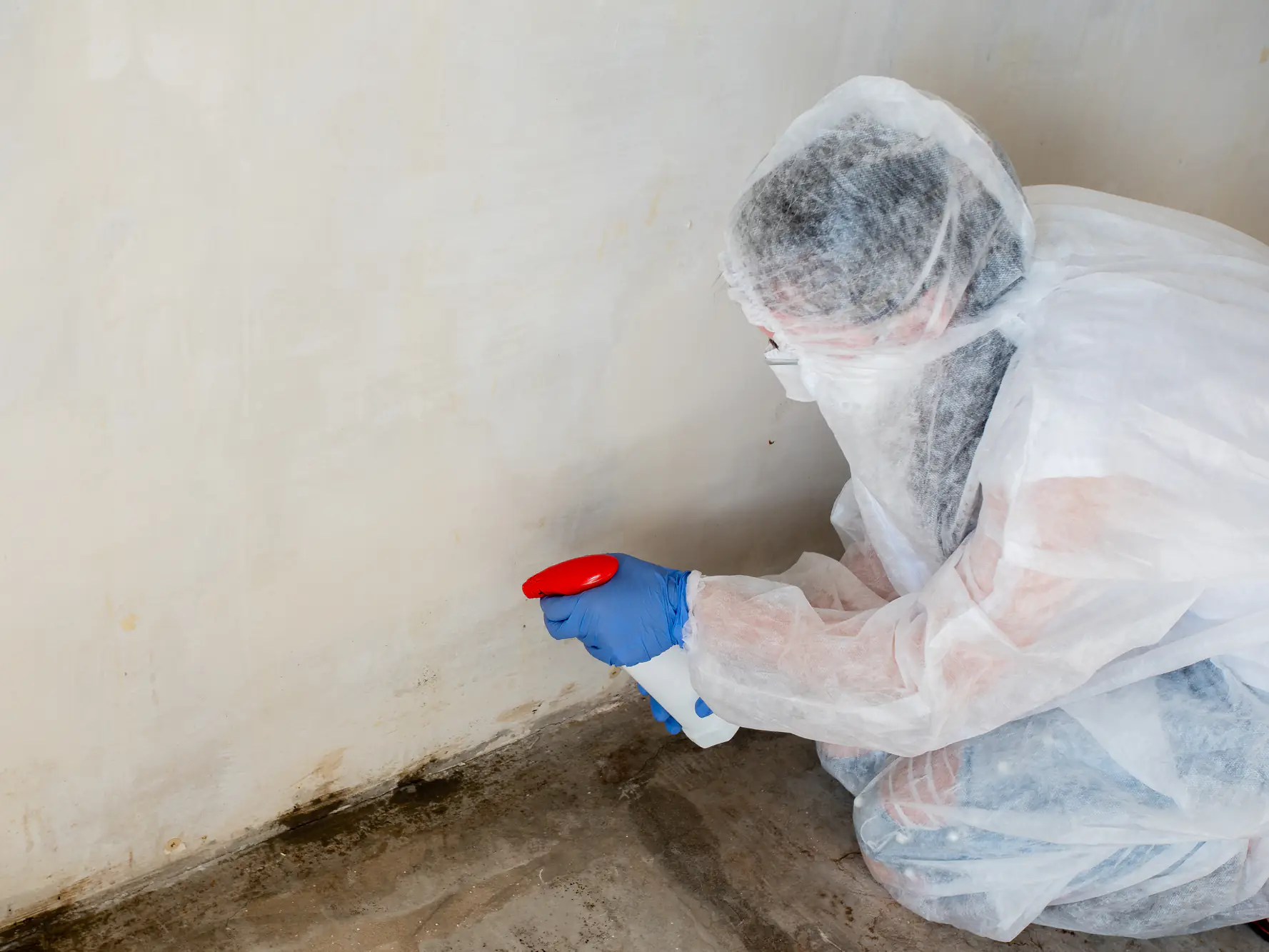
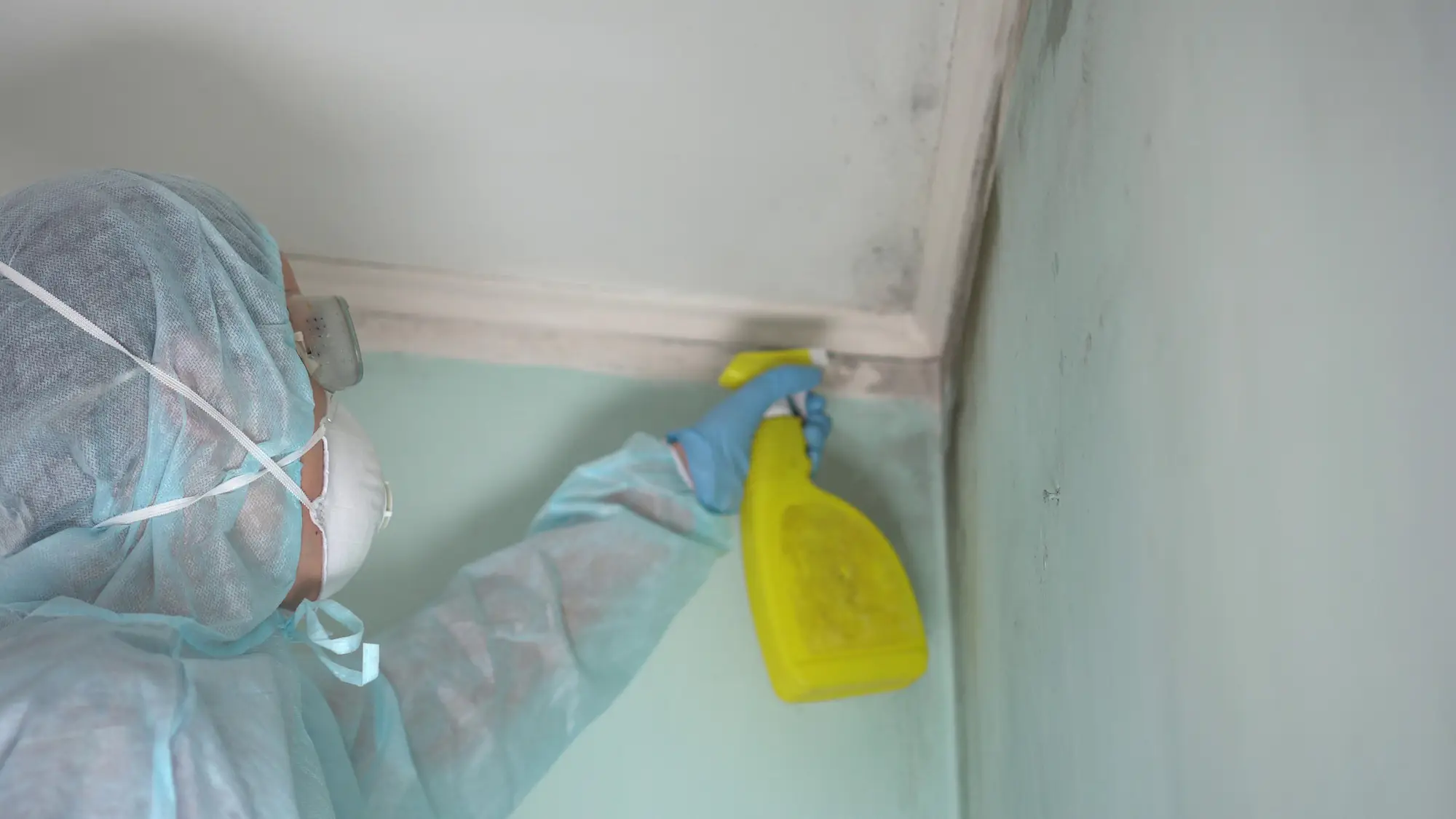
During remediation, we contain the work area so spores don’t spread to clean parts of your home. We remove contaminated materials, treat affected surfaces, and use HEPA filtration to clean the air. Then we address the moisture problem—whether that’s a leak, condensation issue, or ventilation gap—so you’re not calling us back in six months.
You get documentation of the work, recommendations for preventing future growth, and straight answers if you have questions down the road.
Ready to get started?
You’re getting a full-scope mold remediation company, not just someone who sprays bleach and calls it done. That means professional mold testing to identify what type you’re dealing with and how widespread it is. It means containment barriers and negative air pressure to keep spores from spreading during removal. It means safe disposal of contaminated materials and thorough cleaning of salvageable surfaces.
In Bucks County, we see a lot of mold in basements and crawl spaces where humidity runs high. Older homes in La Trappe often have inadequate vapor barriers or drainage issues that create perfect conditions for growth. We address those underlying problems as part of the service, because removing mold without fixing what caused it is just temporary.
You also get air quality restoration. After the physical removal, we run HEPA air scrubbers to capture airborne spores and bring your indoor air back to safe levels. If you’ve been dealing with respiratory issues, headaches, or that persistent musty smell, this is where you’ll notice the difference.
We’re available for emergency response when you need fast action—like after a pipe burst or major leak. The sooner mold gets addressed, the less damage it does and the lower your remediation costs stay.

If you can see mold or smell that musty, earthy odor, you’ve got a problem worth addressing. Visible growth on walls, ceilings, or around windows is obvious. But mold often hides where you can’t see it—inside wall cavities, under flooring, behind appliances, in HVAC systems.
Health symptoms are another signal. If people in your home are dealing with unexplained respiratory issues, skin rashes, persistent coughing, or fatigue that improves when they leave the house, mold exposure could be the cause. Up to 25% of people have a genetic predisposition that makes them more sensitive to mold, so some family members might react while others don’t notice anything.
DIY cleaning works for very small surface areas—like a little mildew on bathroom grout. But if the affected area is larger than about 10 square feet, if it’s inside walls or structural materials, or if it keeps coming back after you clean it, you need a mold removal specialist. Disturbing large mold colonies without proper containment spreads spores throughout your home and makes the problem worse. Professional remediation means it gets removed safely and completely the first time.
Most mold removal jobs in the Philadelphia area run between $500 and $6,000, with the average around $2,400. But that range is wide because every situation is different. A small patch in a bathroom costs a lot less than mold that’s spread through a finished basement or gotten into your HVAC system.
The main cost factors are how much area is affected, what materials are contaminated, and whether there’s structural damage. Removing mold from drywall is straightforward. Removing it from inside wall cavities means opening walls, treating the framing, and replacing materials. If your subflooring or insulation is involved, costs go up.
Severe cases—like whole-house contamination or black mold that’s been growing for years—can run into the tens of thousands. That’s rare, but it happens when problems get ignored for too long. This is why catching it early matters. A $1,500 remediation job today beats a $15,000 job two years from now.
Most homeowners insurance covers mold remediation if it resulted from a sudden, accidental event like a burst pipe. It typically won’t cover mold from ongoing maintenance issues like a slow leak you didn’t fix. We can work with your insurance company and provide the documentation they need if you’re filing a claim.
Small jobs—like treating a bathroom or small section of basement—usually take one to two days. Larger remediation projects can take three to five days, sometimes longer if there’s extensive structural work involved.
The timeline depends on the size of the affected area, what materials need to be removed, and how long it takes to dry everything out properly. Rushing the drying process is how you end up with mold coming back. We’re not trying to drag things out, but we’re also not cutting corners just to finish faster.
Here’s the typical breakdown: Day one is often containment setup, removal of contaminated materials, and initial treatment. Day two involves detailed cleaning, antimicrobial application, and starting the drying process. If structural repairs are needed, that adds time. Final air quality testing happens after everything is dry and cleaned.
You can usually stay in your home during remediation, as long as the affected area is properly contained. If the mold problem is extensive or you have someone with serious respiratory issues, we might recommend staying elsewhere for a few days. We’ll be straight with you about what makes sense for your situation.
Black mold—specifically Stachybotrys chartarum—gets a lot of attention because it can produce mycotoxins that cause serious health problems. But here’s what most people don’t realize: you can’t identify mold species just by looking at it. Lots of molds appear black or dark green. The only way to know exactly what you’re dealing with is through lab testing.
That said, all mold growth in your home is a problem. Whether it’s black mold, white mold, or any other variety, it shouldn’t be there. Any mold can trigger allergic reactions, respiratory issues, and other health symptoms, especially in children, elderly people, and anyone with asthma or compromised immune systems.
The WHO concluded that dampness and mold increase respiratory illness risk by 30-50%. About 4.6 million asthma cases are directly linked to mold and dampness exposure. So while black mold gets the headlines, the reality is that any mold in your living space needs to be removed.
If you’re seeing dark growth and worried it might be black mold, don’t try to clean it yourself. Disturbing it releases spores into the air and increases your exposure. Call us so we can test it, contain it properly, and remove it safely. That’s the smart move regardless of what species it turns out to be.
Mold needs three things: moisture, organic material to feed on, and the right temperature range. Pennsylvania homes give it all three pretty easily, especially older houses in Bucks County.
The biggest culprit is moisture. Basement seepage, roof leaks, plumbing leaks, condensation from poor ventilation—these all create the damp conditions mold loves. In La Trappe, we see a lot of basement mold because many older homes weren’t built with proper waterproofing or drainage systems. Water seeps through foundation walls, humidity stays high, and mold starts growing on wood framing, drywall, and stored belongings.
Bathrooms and kitchens are common problem areas because of steam and humidity from showers, cooking, and dishwashing. If exhaust fans aren’t venting properly or you don’t have enough air circulation, that moisture accumulates. Attics can develop mold when roof leaks go unnoticed or when warm, humid air from the house rises and condenses on cold surfaces.
HVAC systems spread mold too. If there’s moisture in your ductwork or around your air handler, mold grows there and then gets blown throughout your house every time the system runs. That’s why persistent musty smells often point to a hidden mold problem in the ventilation system.
The key to prevention is controlling moisture. Fix leaks fast, improve ventilation in humid areas, use dehumidifiers in basements, and make sure your home’s drainage and waterproofing are solid. Once mold gets established, you need professional help to remove it properly.
For very small areas—less than 10 square feet of surface mold on non-porous materials like tile or glass—you can handle it yourself with the right precautions. Wear an N95 mask, gloves, and eye protection. Use detergent and water, not bleach, which doesn’t actually kill mold on porous surfaces and can make things worse.
But most mold problems go beyond what’s safe or effective to DIY. If the mold is inside walls, under flooring, in your HVAC system, or covering more than a small patch, you need professional help. Here’s why: disturbing mold releases millions of spores into the air. Without proper containment and air filtration, you’re spreading the problem to other parts of your home and increasing everyone’s exposure.
Porous materials like drywall, insulation, and carpet can’t be cleaned once mold penetrates them—they have to be removed and replaced. Most homeowners don’t have the equipment or training to do that safely. We use containment barriers, negative air pressure, HEPA filtration, and proper disposal methods to keep spores from spreading.
There’s also the question of finding the source. If you clean visible mold but don’t fix the moisture problem causing it, you’re just buying a few weeks before it grows back. A thorough inspection identifies why the mold is there in the first place—maybe it’s a hidden plumbing leak, poor ventilation, or a grading issue outside that’s directing water toward your foundation. Fixing that underlying cause is what keeps mold from returning.
Other Services we provide in La Trappe