
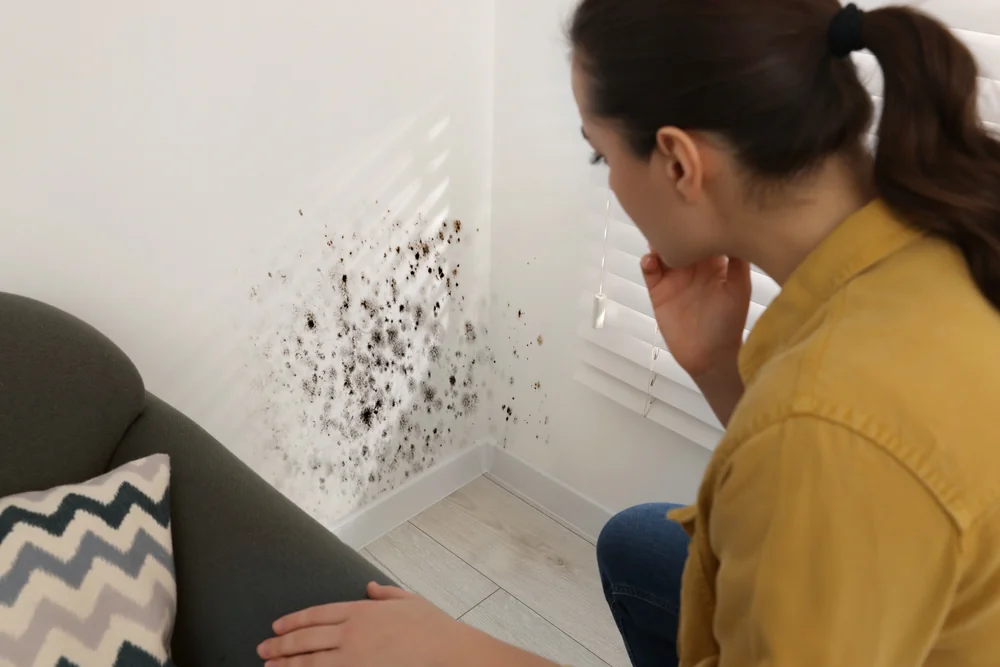
Hear from Our Customers

When you’re dealing with unexplained allergies, musty smells you can’t track down, or preparing for a home sale, you need actual answers. Not a visual inspection that misses what’s growing behind your walls or inside your HVAC system.
A home air quality test gives you lab results that identify exactly which mold species are in your air and at what concentration. That matters when you’re trying to figure out if your kid’s cough is seasonal or if something in your house is making it worse.
Pennsylvania’s humid summers create perfect conditions for mold growth, especially in homes built in the 90s like most of La Trappe. Your AC runs constantly, moisture gets trapped in attics and basements, and mold starts multiplying within 24 to 48 hours. You won’t always see it, but a mold air test will catch it.
You also get documentation that holds up for insurance claims, real estate negotiations, and contractor bids. If you’re buying a home in Montgomery County, professional air quality testing gives you leverage before you close. If you’re selling, it shows buyers you’ve got nothing to hide.
We’ve been serving La Trappe and Montgomery County with straightforward mold testing and remediation for years. We’re not the company that shows up, tells you everything’s fine, then tries to sell you a $10,000 cleanup you don’t need.
We run independent testing through accredited labs that can detect 25+ airborne mold species. You get unbiased results because we’re not tied to any specific remediation process. If your air quality is fine, we’ll tell you. If it’s not, we’ll show you exactly what needs to happen next.
La Trappe families trust us because we explain what the numbers mean, what’s normal for this area, and what actually requires action. No upselling. No scare tactics. Just clear answers about what’s in your air.

First, we close your windows and doors for a set period before testing. This stabilizes the air and gives us reproducible results that reflect what you’re actually breathing day to day.
Then we collect air samples from multiple areas in your home using professional-grade equipment. We’re looking at your main living spaces, but also basements, attics, and anywhere moisture tends to accumulate. We also take an outdoor sample for comparison, because mold exists outside too. The question is whether your indoor levels are higher than they should be.
Samples go to an accredited microbiology lab that identifies every mold species present and counts the spore concentration per cubic meter of air. You get a full report that breaks down what was found, where it was found, and what the levels mean for your health and your home.
We walk you through the results in plain language. If remediation is needed, we explain what that looks like and what it costs. If your levels are normal, you’ll know that too. Either way, you’re not guessing anymore.

Ready to get started?
Every residential air quality testing service includes a full visual inspection of your property. We’re checking for visible mold, water damage, condensation issues, and ventilation problems that could be feeding hidden growth.
You get multiple air samples taken from strategic locations throughout your home. That includes problem areas like basements and attics, but also the rooms where you spend the most time. We’re looking for patterns that tell us where moisture is getting in and where mold is taking hold.
Lab analysis identifies up to 245 different mold and fungi categories, so you’re getting a complete picture of what’s in your air. The report shows spore counts, species identification, and a comparison to outdoor levels. In La Trappe, where humidity spikes during summer months and older homes are common, this level of detail matters.
You also get a written summary with clear recommendations. If your air quality is fine, the report confirms it. If there’s a problem, you’ll know exactly what needs to be addressed and why. That documentation is critical if you’re negotiating a home purchase, filing an insurance claim, or just trying to figure out why everyone in your house has been coughing for three months.
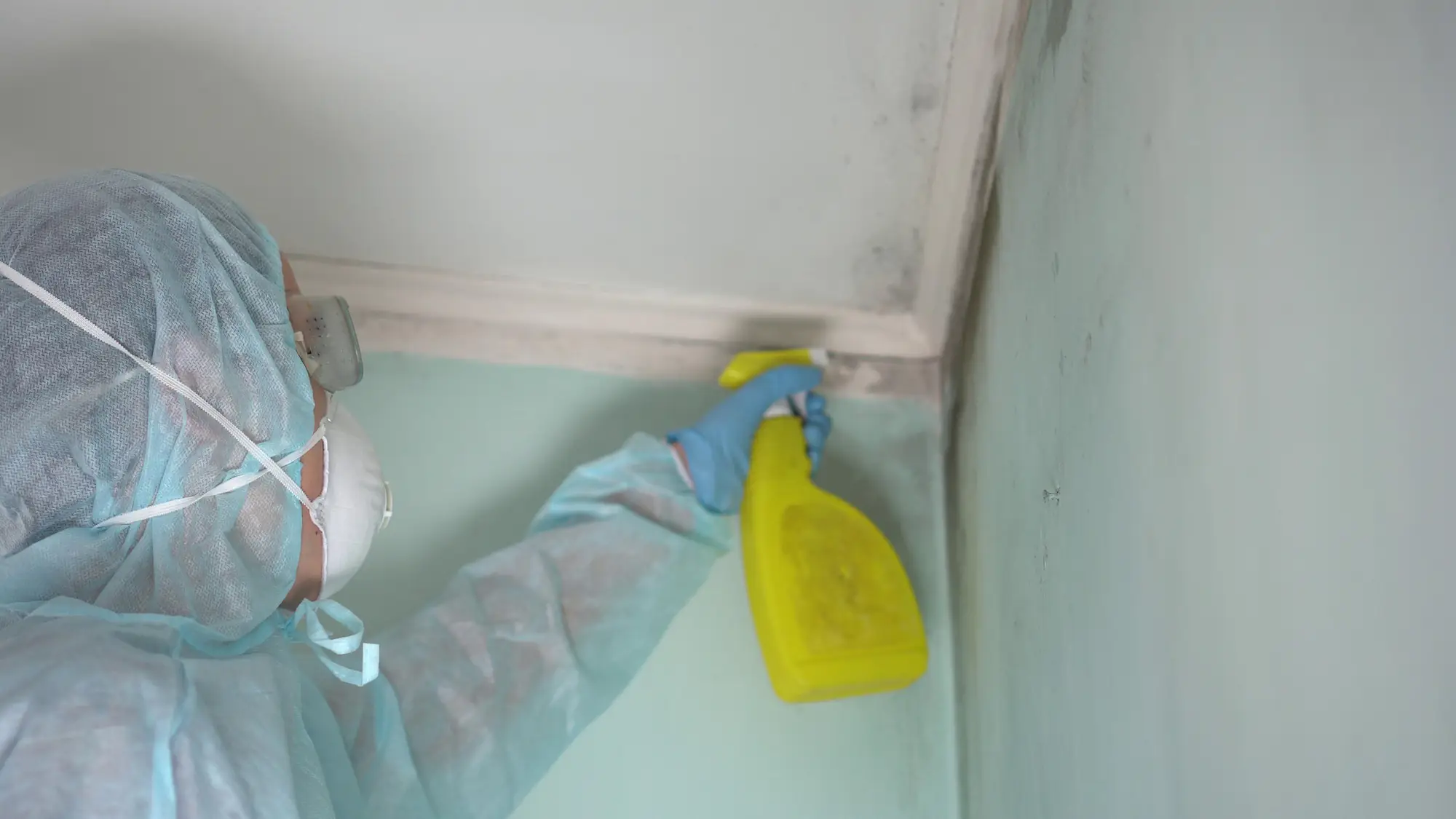
Most professional air quality testing in Montgomery County runs between $300 and $600, depending on the size of your home and how many samples you need. That’s a lot less than the $1,500 to $7,500 you’d spend on mold remediation if you skip testing and guess wrong.
If you’re buying a home, testing before you close can save you thousands in negotiation leverage or help you walk away from a property with hidden problems. If you’re already living in the home and dealing with health symptoms or musty odors, testing gives you a clear answer instead of months of trial and error.
The cost covers the site visit, multiple air samples, lab analysis from an accredited facility, and a detailed report you can actually use. You’re not paying for a guy to look around and give you his opinion. You’re paying for scientific data that tells you exactly what’s growing in your air and whether it’s a problem.
You can, but you won’t get the same accuracy or usefulness. Home test kits can’t measure spore concentration, which is what actually determines whether your mold levels are dangerous or just normal background levels that exist in every home.
Professional testing uses calibrated equipment that pulls a specific volume of air over a set time period. That gives you a spore count per cubic meter, which labs then compare to outdoor samples and health guidelines. A home kit just tells you “mold is present,” which isn’t helpful because mold is present everywhere.
The other issue is that mold spore levels fluctuate throughout your home depending on airflow, humidity, and time of day. We know where to sample and how to interpret the results in context. If you’re trying to make a decision about remediation, a real estate transaction, or your family’s health, you need data you can trust. Home kits don’t give you that.
There’s no universal “safe” threshold because different molds affect people differently, but most professionals start paying attention when indoor spore counts exceed outdoor counts by a significant margin. In Pennsylvania, outdoor levels can hit 6,000 spores per cubic meter after storms, which is considered very high.
If your indoor levels are consistently higher than outdoor levels, or if you’re seeing toxic mold species like Stachybotrys (black mold) at any concentration, that’s a red flag. Even common molds like Aspergillus and Penicillium can cause respiratory problems when concentrations get too high, especially for kids, elderly family members, or anyone with asthma.
The lab report will show you exactly what was found and how it compares to typical levels for this area. Pennsylvania’s humid climate means some mold presence is normal, but when you’re seeing elevated levels of multiple species or finding growth in living spaces, that’s when remediation becomes necessary. We can walk you through what the numbers mean for your specific situation.
The actual site visit takes about an hour for an average-sized home. We’re collecting air samples, doing a visual inspection, and documenting any moisture issues or visible mold growth. Larger homes or properties with multiple problem areas might take a bit longer.
Lab analysis typically takes three to five business days. The samples go to an accredited microbiology lab where technicians identify and count every mold species present. You’ll get a detailed report that breaks down the findings by location and species.
Once results come back, we schedule a follow-up call or meeting to review everything with you. That’s when we explain what the numbers mean, answer your questions, and discuss next steps if remediation is needed. From the day we collect samples to the day you have actionable answers, you’re usually looking at about a week. If you need results faster for a real estate closing or urgent health concern, rush processing is sometimes available.
If you’re dealing with unexplained respiratory symptoms, musty odors, or recent water damage, yes. Mold grows behind walls, inside HVAC systems, under flooring, and in attics where you’re not looking. By the time it’s visible, you’ve usually got a bigger problem than you realize.
Pennsylvania’s humid summers create conditions where mold can start growing within 24 hours of water exposure. If you’ve had a roof leak, basement flooding, or even just poor ventilation in your bathroom, there’s a good chance mold is growing somewhere you can’t see it. Air testing catches that before it spreads or makes someone sick.
Testing also makes sense if you’re buying a home in La Trappe or anywhere in Montgomery County. Homes built in the 90s are hitting the age where hidden moisture problems start showing up. Professional air quality testing gives you documentation to negotiate repairs or walk away if the seller won’t address the issue. It’s a lot cheaper than discovering a mold problem six months after you move in.
First, you get a clear report that shows exactly which mold species were found, where they were found, and at what concentration. That tells us whether you’re dealing with a minor issue that needs better ventilation or a serious problem that requires professional remediation.
If remediation is necessary, we’ll walk you through what that involves and what it costs. Depending on the extent of the growth, you might need containment, removal of affected materials, HVAC cleaning, or structural repairs to fix the moisture source. The report gives you documentation to get accurate bids from contractors and file insurance claims if needed.
You’ll also get recommendations for preventing future growth, which usually comes down to controlling humidity, improving ventilation, and addressing any water intrusion issues. In La Trappe, that often means dealing with basement moisture, attic condensation, or HVAC systems that aren’t dehumidifying properly during summer months. The goal isn’t just to clean up what’s there now, but to make sure it doesn’t come back.
Other Services we provide in La Trappe