
Hear from Our Customers
You’ve noticed the musty smell. Maybe you’re dealing with allergies that won’t quit, or you’ve spotted dark patches creeping across your bathroom ceiling. Whatever brought you here, you’re probably wondering if it’s actually mold—and if it is, whether it’s something you can handle yourself or if you need professional help.
Here’s what matters: mold isn’t just unsightly. It affects your health, your home’s structure, and your property value. In Brownsburg, where Pennsylvania’s humid summers push indoor moisture into the danger zone, mold finds its way into attics, crawl spaces, and behind walls where you can’t see it.
When you work with mold removal specialists who know what they’re doing, you’re not just getting a surface clean. You’re getting a complete assessment, source identification, proper removal, and prevention strategies that actually work. That means fewer respiratory issues for your family, no more recurring black mold patches, and confidence that your home is safe.
The difference between DIY attempts and professional mold remediation comes down to this: we find what you can’t see, remove it the right way, and fix the moisture problem so it doesn’t come back next season.
Mack’s Mold Removal has been serving Brownsburg and the greater Bucks County area with one focus: getting mold out of your home and keeping it out. We’re not a national franchise following a script. We’re local mold and mildew experts who understand exactly why Pennsylvania homes struggle with moisture—and what it takes to fix it for good.
Brownsburg sits in an area where summer humidity doesn’t just make you uncomfortable. It creates perfect conditions for mold growth in attics, basements, and anywhere air doesn’t circulate properly. We’ve seen it in century-old homes with poor ventilation and brand-new builds with improper moisture barriers.
Our team includes certified mold remediation specialists who’ve handled everything from small bathroom mold issues to extensive black mold contamination in commercial properties. We use advanced detection equipment, follow proper containment protocols, and communicate clearly throughout the entire process. You’ll know what we’re doing, why we’re doing it, and what to expect when we’re done.
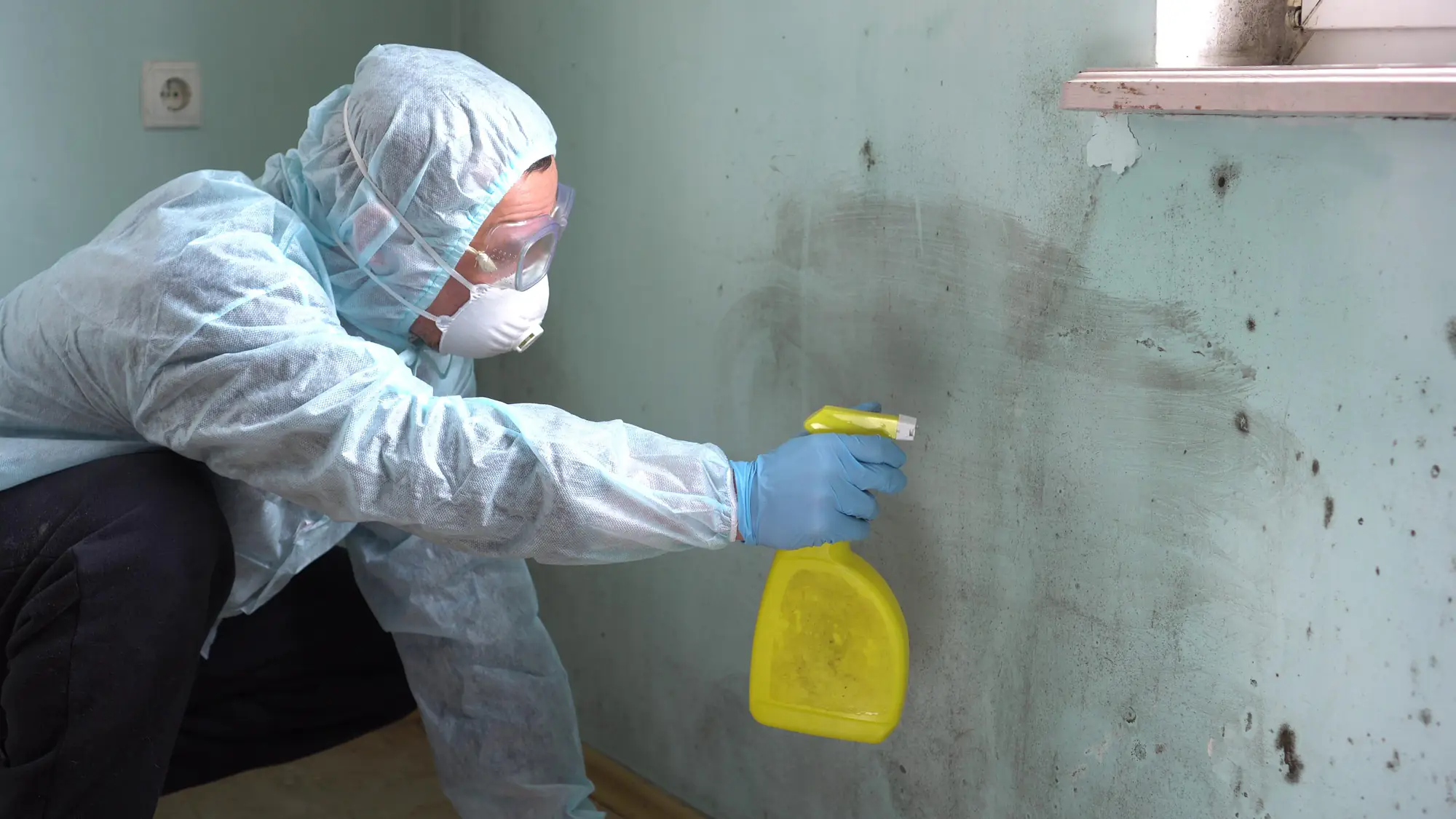
First, we come to your property for a free inspection. This isn’t a sales call—it’s a thorough assessment using moisture meters, thermal imaging, and air quality testing to find both visible mold and hidden growth. We check your attic, crawl spaces, HVAC system, and anywhere else moisture tends to accumulate in Brownsburg homes.
Once we identify the extent of the problem and locate the moisture source, we give you a detailed estimate. No surprises. No pressure. Just clear information about what needs to happen and what it’ll cost.
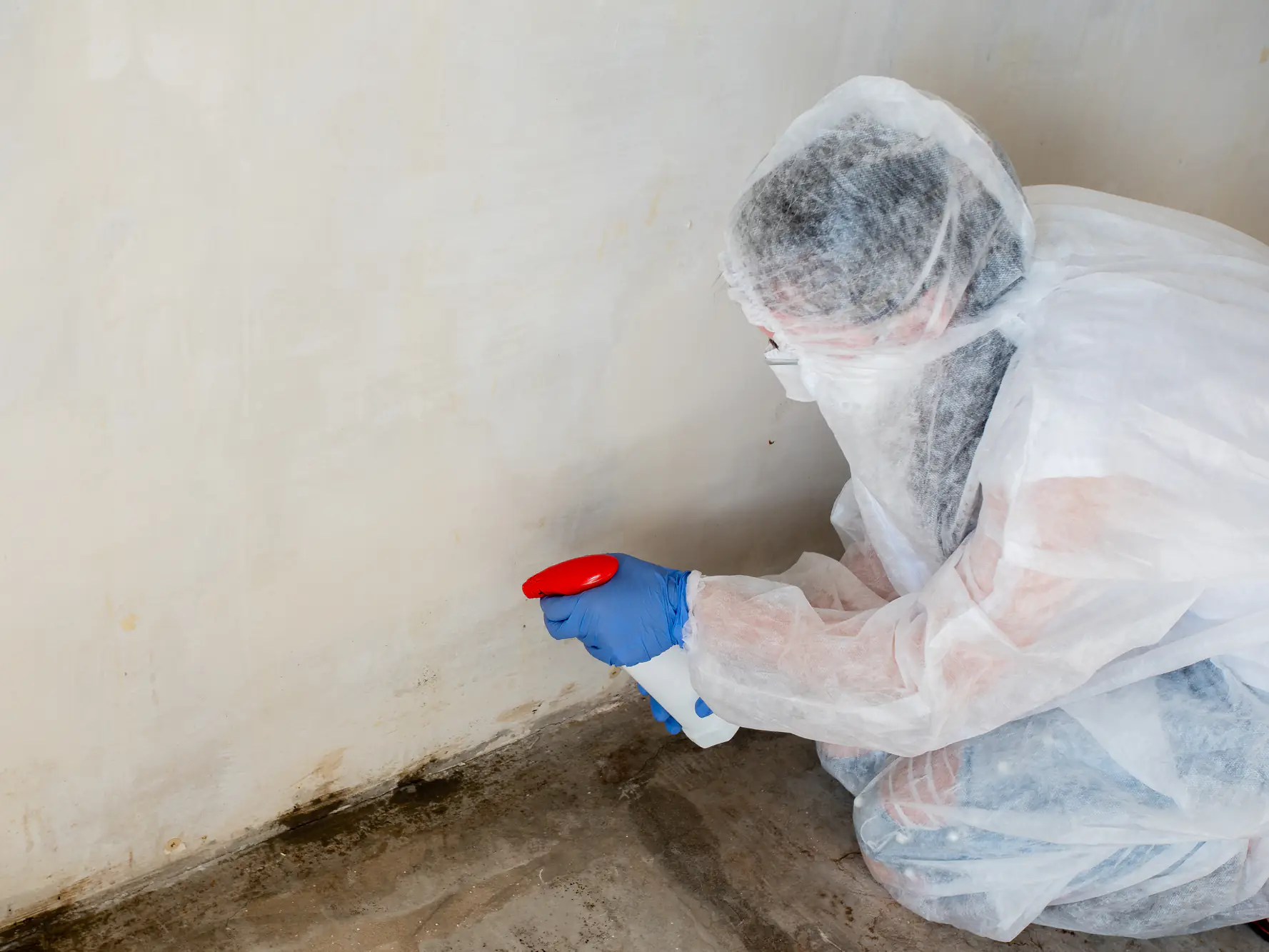
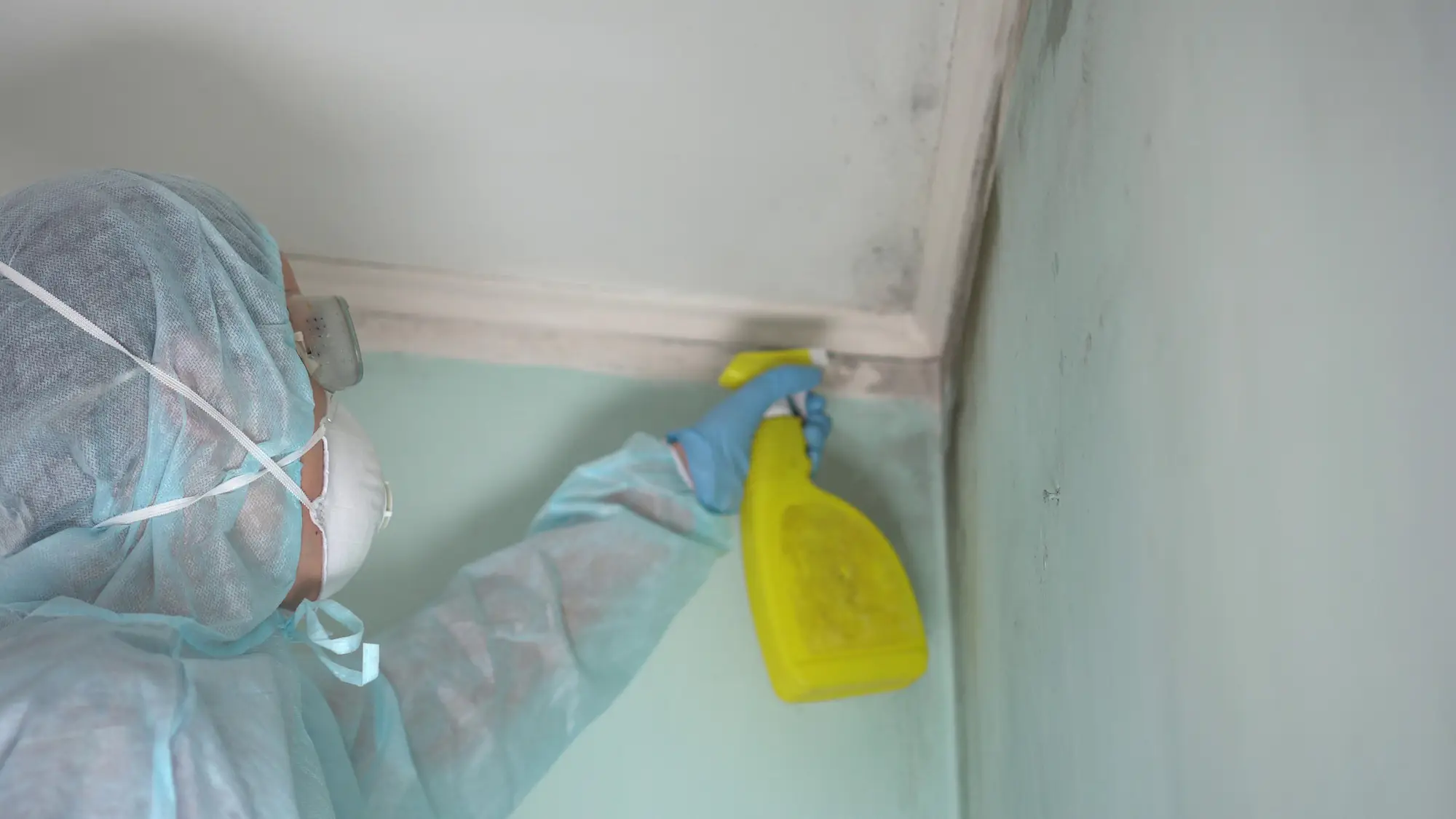
During remediation, we contain the affected area to prevent mold spores from spreading to clean parts of your home. We remove contaminated materials that can’t be saved, treat surfaces with professional-grade solutions, and use HEPA filtration to clean the air. This isn’t a spray-and-pray approach—it’s methodical removal that follows industry standards.
The final step is addressing the source. Maybe that means fixing a roof leak, improving ventilation in your bathroom, or installing a dehumidifier in your basement. Without this step, you’re just waiting for mold to return. We make sure the conditions that allowed mold to grow in the first place are corrected.
You’ll get documentation of everything we did, recommendations for maintaining healthy humidity levels (30-50% is the target), and direct contact information if you have questions down the road.
Ready to get started?
When you hire the best mold remediation company, you should get more than just someone scrubbing visible mold off your walls. You need a complete solution that addresses the entire problem.
Our service starts with detection—finding mold you can see and mold you can’t. In Brownsburg homes, we frequently discover hidden mold growth in attic spaces where summer heat and poor ventilation create ideal conditions. We also find it behind wallpaper, inside HVAC ducts, and in crawl spaces where humidity sits undisturbed.
The removal process includes proper containment to protect unaffected areas, safe removal of contaminated materials, treatment of affected surfaces, and thorough air filtration. We’re certified mold removal specialists who follow protocols designed to protect both your property and your health.
But here’s what separates adequate service from actual expertise: source correction. Pennsylvania’s climate means you’re fighting an uphill battle against humidity. If your bathroom exhaust fan isn’t vented properly, if your basement lacks adequate moisture control, or if your attic ventilation is insufficient, mold will return no matter how well we clean. We identify these issues and give you actionable solutions—whether that’s improving ventilation, fixing leaks, or installing humidity control systems.
You also get help navigating insurance claims if your mold problem resulted from a covered event like a pipe burst or storm damage. We document everything, provide detailed reports, and communicate directly with adjusters when needed.

If you can see mold growing on surfaces, if you smell a persistent musty odor, or if you’re experiencing unexplained respiratory symptoms at home, you should get a professional inspection. Small surface mold in a bathroom might be something you can handle with proper cleaning and ventilation improvements. But if mold covers more than a few square feet, if it’s growing on porous materials like drywall or insulation, or if you suspect it’s inside your walls or HVAC system, you need professional mold removal.
Here’s why DIY doesn’t work for larger problems: disturbing mold without proper containment spreads spores throughout your home. Cleaning visible mold without addressing the moisture source means it’ll be back in weeks. And if you’re dealing with black mold or extensive contamination, exposure during cleanup can cause serious health reactions.
In Brownsburg, we frequently see homeowners who tried to handle mold themselves, only to call us months later when it returned worse than before. A professional inspection costs you nothing and gives you clear information about what you’re actually dealing with.
Mold removal sounds like you’re getting rid of every single mold spore in your home. That’s not realistic—mold spores exist everywhere in the environment. Mold remediation is the accurate term because it means bringing mold levels back to normal, safe levels and eliminating the conditions that allowed excessive growth.
Professional mold remediation includes removing visible mold growth, treating affected areas, eliminating contaminated materials that can’t be saved, and most importantly, fixing the moisture problem that caused mold in the first place. You’re not just cleaning—you’re correcting the environment so mold can’t thrive.
When we talk about remediation, we’re talking about a complete process: assessment, containment, removal, treatment, air filtration, and source correction. That’s different from just spraying bleach on visible mold and hoping for the best. In Pennsylvania’s humid climate, hope isn’t a strategy. You need actual moisture control and proper ventilation to keep mold from returning.
Most residential mold remediation projects in Brownsburg take between one and five days, depending on the extent of contamination and how much material needs to be removed. A small bathroom mold problem might be done in a day. Extensive mold growth in a basement or attic that requires removing drywall, insulation, and flooring will take longer.
The timeline also depends on drying time. After we remove mold and treat affected areas, everything needs to dry completely before reconstruction begins. In humid Pennsylvania summers, this can add a day or two to the process. We use commercial dehumidifiers and air movers to speed things up, but rushing this step just invites mold to return.
You’ll get a clear timeline during your estimate. We’ll tell you exactly how long we expect the work to take, what areas of your home will be affected, and whether you need to relocate during the process. For most projects, you can stay in your home—we contain the work area to prevent disruption and cross-contamination. Larger projects involving significant contamination might require temporary relocation for your safety.
It depends on what caused the mold. Most homeowners insurance policies cover mold remediation if the mold resulted from a covered peril—like a burst pipe, storm damage, or appliance malfunction. If mold developed because of long-term neglect, poor maintenance, or chronic moisture problems you didn’t address, insurance typically won’t cover it.
The key is documentation and timing. If you discover mold after a pipe burst or roof leak, document everything, call your insurance company promptly, and get professional remediation started quickly. Insurance companies want to see that you took reasonable steps to prevent further damage.
We work with insurance companies regularly and can help you navigate the claims process. We provide detailed documentation, moisture readings, photos, and scope of work that adjusters need to process your claim. We’ll also communicate directly with your adjuster if needed. But here’s the reality: even if insurance doesn’t cover your mold problem, addressing it now costs less than waiting. Mold damage gets worse over time, and health effects compound with continued exposure.
Mold returns because the moisture source was never fixed. You can scrub every visible mold spot in your home, but if humidity levels stay above 60%, if there’s still a slow leak behind your wall, or if your bathroom ventilation doesn’t actually vent outside, mold will grow again. It’s not a cleaning problem—it’s an environment problem.
In Brownsburg and throughout Bucks County, we see recurring mold most often in attics with poor ventilation, basements without dehumidification, bathrooms where exhaust fans dump moisture into the attic instead of outside, and crawl spaces with dirt floors and no vapor barrier. Pennsylvania’s humid summers create perfect conditions for mold growth, so if your home’s moisture control isn’t adequate, you’re fighting a losing battle.
Professional mold remediation includes identifying and correcting these moisture sources. That might mean improving attic ventilation, rerouting exhaust fans, fixing grading issues around your foundation, installing a dehumidifier, or repairing leaks. Without these corrections, you’re just temporarily cleaning mold that will absolutely return. We don’t just remove what’s there—we make sure conditions won’t support new growth.
Black mold—specifically Stachybotrys chartarum—can produce mycotoxins that cause serious health effects in some people, especially those with asthma, allergies, or compromised immune systems. But here’s what often gets lost in the panic: all mold growing in your home is a problem, regardless of color. You shouldn’t be breathing mold spores of any type, and you shouldn’t have conditions in your home that support mold growth.
The health effects of mold exposure range from mild to severe depending on the type of mold, the extent of growth, and your individual sensitivity. Common symptoms include stuffy nose, sore throat, coughing, wheezing, burning eyes, and skin irritation. People with mold allergies or asthma can have much more severe reactions. Long-term exposure to high mold levels can cause chronic respiratory issues.
What matters more than the specific type of mold is getting it properly removed and fixing the conditions that allowed it to grow. Testing to identify mold species is sometimes useful, but it’s not always necessary—if there’s mold growing in your home, it needs to be remediated regardless of the exact type. As black mold experts, we’ll tell you the same thing: focus on complete removal and source correction, not just identifying species. Your health improves when mold levels return to normal, your home is properly dried out, and moisture problems are corrected.
Other Services we provide in Brownsburg