
Hear from Our Customers
Your air quality improves within days. The musty smell disappears. Your family stops dealing with unexplained respiratory symptoms or allergic reactions that seemed to come out of nowhere.
But here’s what really matters: the mold doesn’t come back in three months. That’s because we don’t just wipe down surfaces and call it finished. We use moisture meters and thermal imaging to find where water is getting in. We identify poor ventilation in your attic or basement. We locate the leaky pipe or the humidity issue that started this whole thing.
Then we fix the root cause, remove the contaminated materials safely, and verify with post-remediation testing that your home is actually clear. You’re not wondering if you wasted money on a temporary fix. You know the problem is solved because we show you the test results.
We work throughout Bucks County, and we’ve seen what happens in Rocky Ridge homes specifically. The older properties near major roads. The newer builds that still deal with Pennsylvania’s summer humidity sitting in attics with poor airflow. The basements that stay damp after spring rains because drainage wasn’t done right.
We’re not a national franchise following a script. We’re local, we’re certified, and we’ve handled enough mold situations in this area to know what actually works. When you call, you’re talking to someone who understands the climate challenges here and won’t try to sell you services you don’t need.
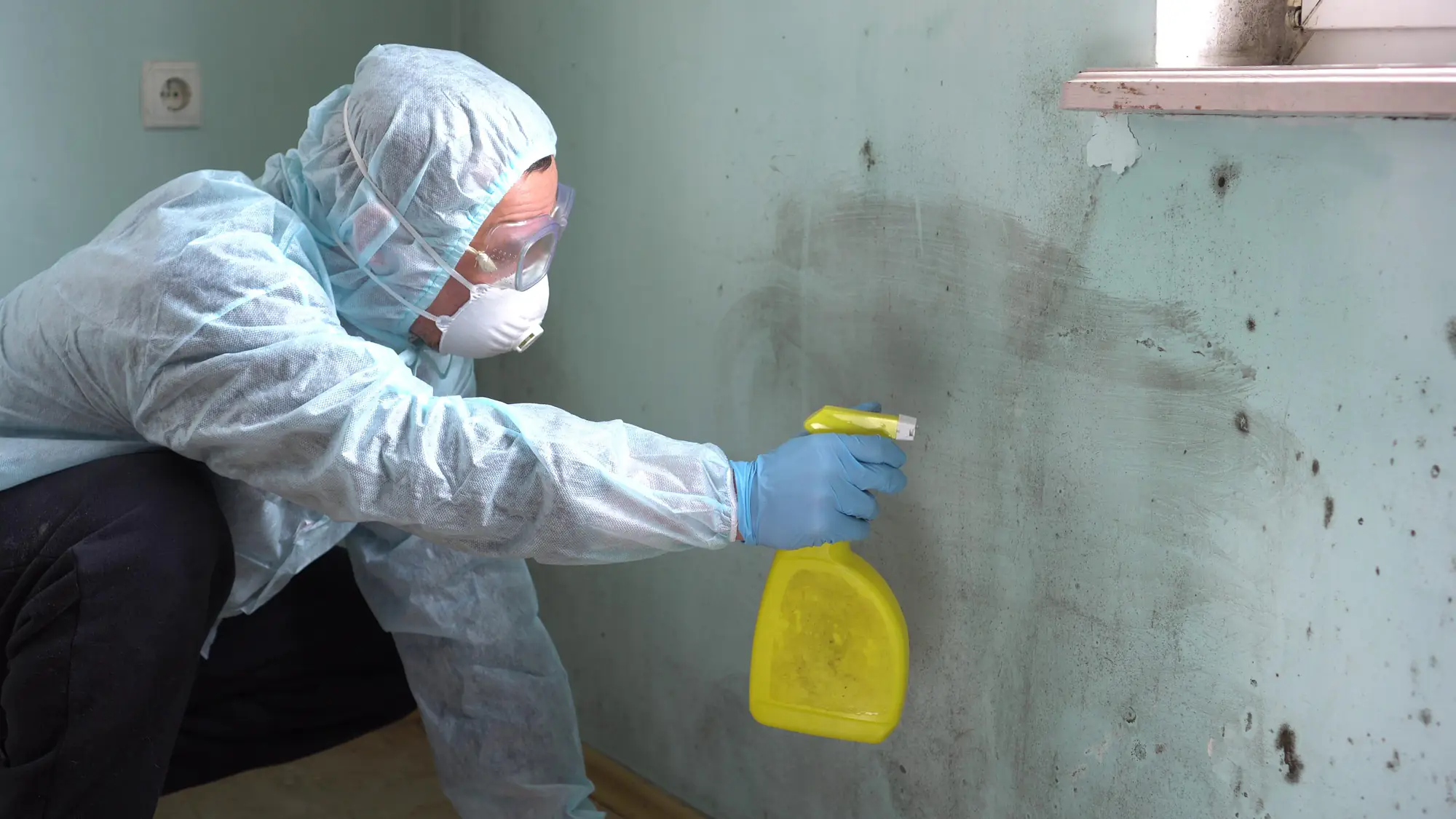
First, we come out for a free inspection. We’re looking at the visible mold, but we’re also using detection equipment to find moisture and hidden growth you can’t see yet. We check your attic ventilation, your basement humidity levels, and anywhere water could be entering.
Then we give you a clear estimate before any work starts. No surprises. If there’s a moisture source that needs fixing—like a plumbing issue or a ventilation problem—we tell you exactly what it is and help you address it. Otherwise, the mold just grows back.
During remediation, we seal off the affected area with plastic sheeting and negative air pressure so mold spores don’t spread to clean parts of your home. We remove contaminated materials safely, treat surfaces, and run air scrubbers to clean the air. After everything’s done, we conduct post-remediation testing to confirm your air quality is back to normal. You get documentation showing the job is complete.
Ready to get started?
You get a thorough inspection with moisture detection technology at no cost. We test to identify the type of mold and the extent of contamination. We contain the work area properly so the rest of your house stays clean during the process.
The removal itself includes safely disposing of materials that can’t be salvaged, treating surfaces that can be saved, and addressing the air quality with professional-grade equipment. We also handle reconstruction if mold damage means you need drywall, flooring, or other materials replaced.
In Rocky Ridge and throughout Bucks County, humidity is a real issue during summer months. July heat combined with moisture creates perfect conditions for mold growth, especially in attics and basements with limited airflow. We help you understand what’s causing the problem in your specific home—whether it’s related to the Delaware River’s proximity, seasonal temperature swings, or construction issues common in older properties around here. Then we make sure it’s fixed for good.

If you can see mold growing on surfaces, smell a persistent musty odor, or you’re dealing with unexplained health symptoms like respiratory issues or allergies that get worse at home, it’s time to call someone. Small surface mold on a bathroom tile might be something you can handle yourself. But if you’re seeing growth on drywall, wood, or insulation, or if the affected area is larger than about ten square feet, you need professional help.
Here’s the bigger issue: visible mold usually means there’s hidden growth you’re not seeing yet. Mold grows in wall cavities, under flooring, and in attics where moisture has been sitting unnoticed. A professional inspection uses thermal imaging and moisture meters to find those hidden problems before they get worse. Most homeowners who call us wish they’d done it sooner, because the longer mold grows, the more damage it causes and the more expensive remediation becomes.
Mold removal means cleaning up the mold you can see. Mold remediation means fixing the entire problem, including what caused it. Removal is surface-level. Remediation is comprehensive.
If someone just removes visible mold without addressing the moisture source, you’ll have mold again in a few months. We meet homeowners all the time who paid for a “cleanup” that didn’t last because the underlying issue—whether it’s a leak, poor ventilation, or high humidity—was never corrected. Real remediation identifies why mold is growing in the first place, fixes that source, removes contaminated materials safely, and verifies with testing that the environment is back to normal.
That’s why we don’t just talk about removal. We’re focused on remediation that actually solves the problem long-term. It costs more upfront, but you’re not paying for the same job twice.
It depends on what caused the mold. If it’s from a sudden, accidental event—like a burst pipe or storm damage—most homeowners insurance policies will cover remediation. If it’s from long-term neglect, poor maintenance, or gradual issues like chronic humidity, they usually won’t.
The key is documentation and timing. Insurance companies want to see that you addressed the water problem quickly and that mold growth resulted from a covered event, not from ignoring a slow leak for months. We help you navigate the claims process by providing detailed reports, photos, and documentation of what we find during inspection. We’ve worked with insurance adjusters throughout Bucks County, and we know what they’re looking for.
Even if your claim gets denied, we give you transparent pricing so you know exactly what you’re paying for. Most mold remediation projects in this area run between $1,200 and $3,400 depending on the size and severity. That’s a real range based on actual jobs, not a sales pitch.
Most residential mold remediation jobs take between two and five days, depending on the size of the affected area and how much material needs to be removed. A small bathroom with surface mold might be done in a day or two. A basement with significant water damage and hidden growth behind walls could take a full week.
The timeline also depends on drying time. After we remove contaminated materials and treat surfaces, we run dehumidifiers and air scrubbers to make sure moisture levels drop back to normal. Rushing this step is how mold comes back. We’re not trying to drag out the job, but we’re also not cutting corners just to finish faster.
During the process, we seal off the work area so you can still use the rest of your home. Most families don’t need to leave during remediation unless the contamination is severe or someone in the household has serious respiratory issues. We’ll walk you through what to expect during your inspection so there are no surprises.
If it’s a very small area—less than ten square feet—and it’s on a hard, non-porous surface like tile, you might be able to handle it yourself with proper cleaning products and safety gear. But if the mold is on drywall, wood, insulation, or any porous material, or if the affected area is larger, you’re risking your health and making the problem worse.
Here’s what most people don’t realize: disturbing mold releases spores into the air. Without proper containment, those spores spread to other parts of your home and start new colonies wherever they land on damp surfaces. Professional remediation uses negative air pressure systems and sealed containment barriers to prevent that from happening. We also have the equipment to safely remove and dispose of contaminated materials without exposing your family.
The other issue is finding the source. You might clean visible mold, but if you don’t fix the moisture problem causing it, you’re just delaying the inevitable. We see DIY attempts fail all the time because the leak, ventilation issue, or humidity problem was never addressed. Save yourself the time and health risk—get it done right the first time.
Mold exposure is linked to respiratory issues, allergic reactions, asthma attacks, and chronic sinus problems. About 21% of asthma cases in the U.S. are connected to dampness and mold in homes. If someone in your household already has asthma or allergies, mold makes symptoms significantly worse.
Common reactions include coughing, wheezing, throat irritation, nasal congestion, and skin rashes. Some people experience headaches or fatigue that they can’t explain until the mold is removed and symptoms suddenly improve. Black mold—specifically Stachybotrys chartarum—can produce mycotoxins that cause more severe reactions, especially with prolonged exposure.
The risk is higher for children, elderly family members, and anyone with compromised immune systems. If you’re noticing that health symptoms get better when you leave the house and worse when you come back, that’s a red flag. Mold isn’t something to ignore and hope it goes away. It doesn’t. It grows, it spreads, and it keeps affecting your family’s health until you remove it and fix what’s causing it.
Other Services we provide in Rocky Ridge