
Hear from Our Customers
You stop smelling that musty basement odor every time you walk downstairs. Your kids’ allergy symptoms ease up because the air quality in your home improves. You’re not wondering if that dark spot behind the water heater is growing while you sleep.
Real mold removal means addressing what caused it in the first place. A leaking foundation wall. Poor crawl space ventilation. Humidity that sits at 75% all summer because your basement has no airflow. If you don’t fix the source, you’re just painting over a problem that’s going to come back.
When mold is eliminated correctly, you get your space back. You can finish that basement without worrying about what’s growing behind the drywall. You can sell your home without disclosure issues hanging over your head. You stop losing sleep over whether this is affecting your family’s health—because it’s not there anymore.
We’ve been serving Bucks County since the late 90s. We’ve seen what happens to older Levittown-area foundations when Pennsylvania humidity spikes in July. We know which crawl spaces flood first when it rains for three days straight.
We’re not a national franchise following a script. We’re mold removal experts who understand that homes in Emilie face specific challenges—older construction, foundation seepage, basements that were never designed to stay dry year-round. We use EPA-approved methods and IICRC-certified processes because that’s what actually works, not because it looks good on a website.
You’ll work with people who live in this area and have probably dealt with the same issue in their own homes. That’s the difference between a company that removes mold and one that understands why it showed up in the first place.
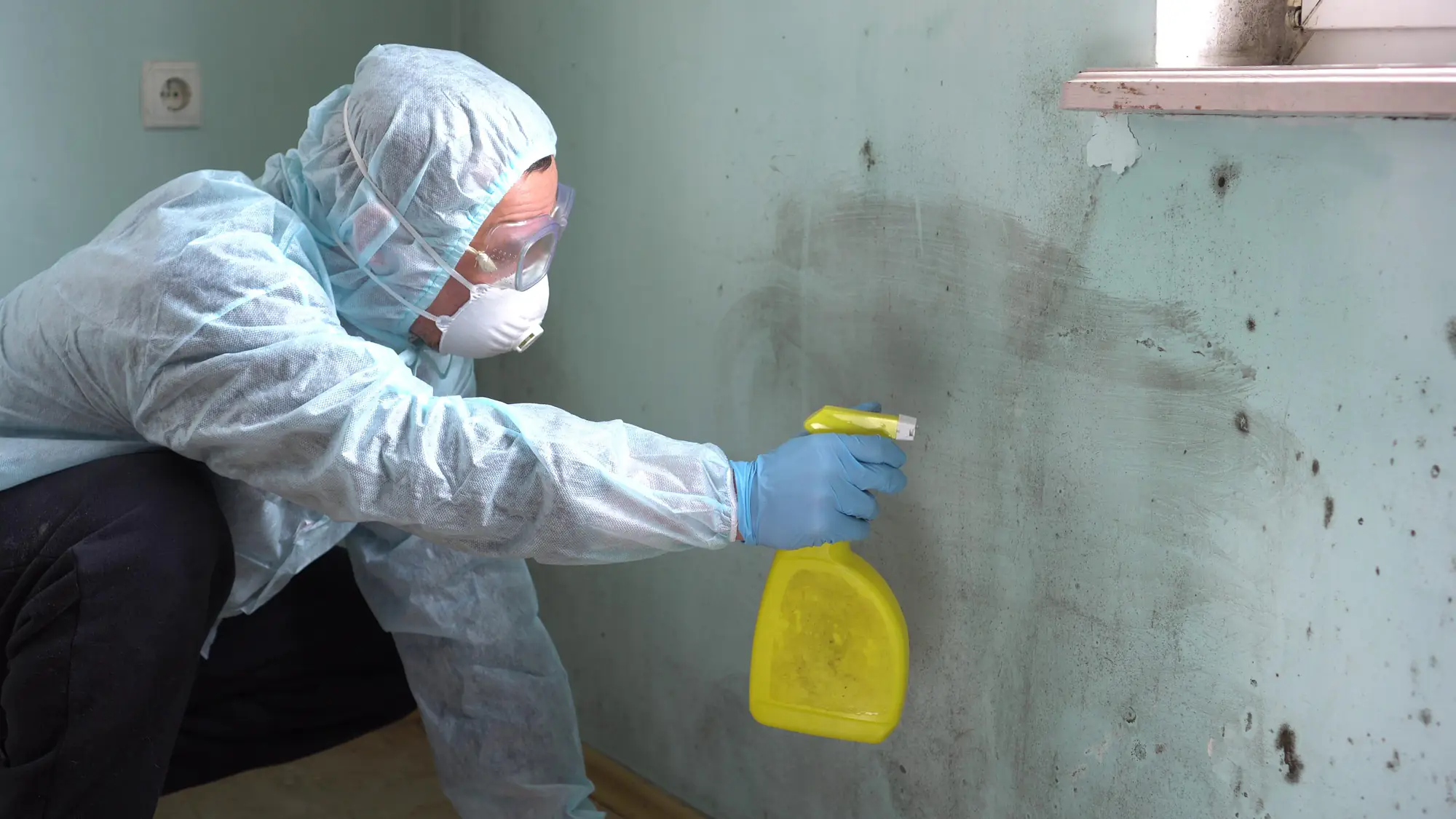
We start with a free inspection of your property. That means checking the obvious spots and the hidden ones—wall cavities, behind appliances, under flooring, inside HVAC systems. Mold grows where you can’t see it, so we use moisture meters and thermal imaging to find what’s actually there.
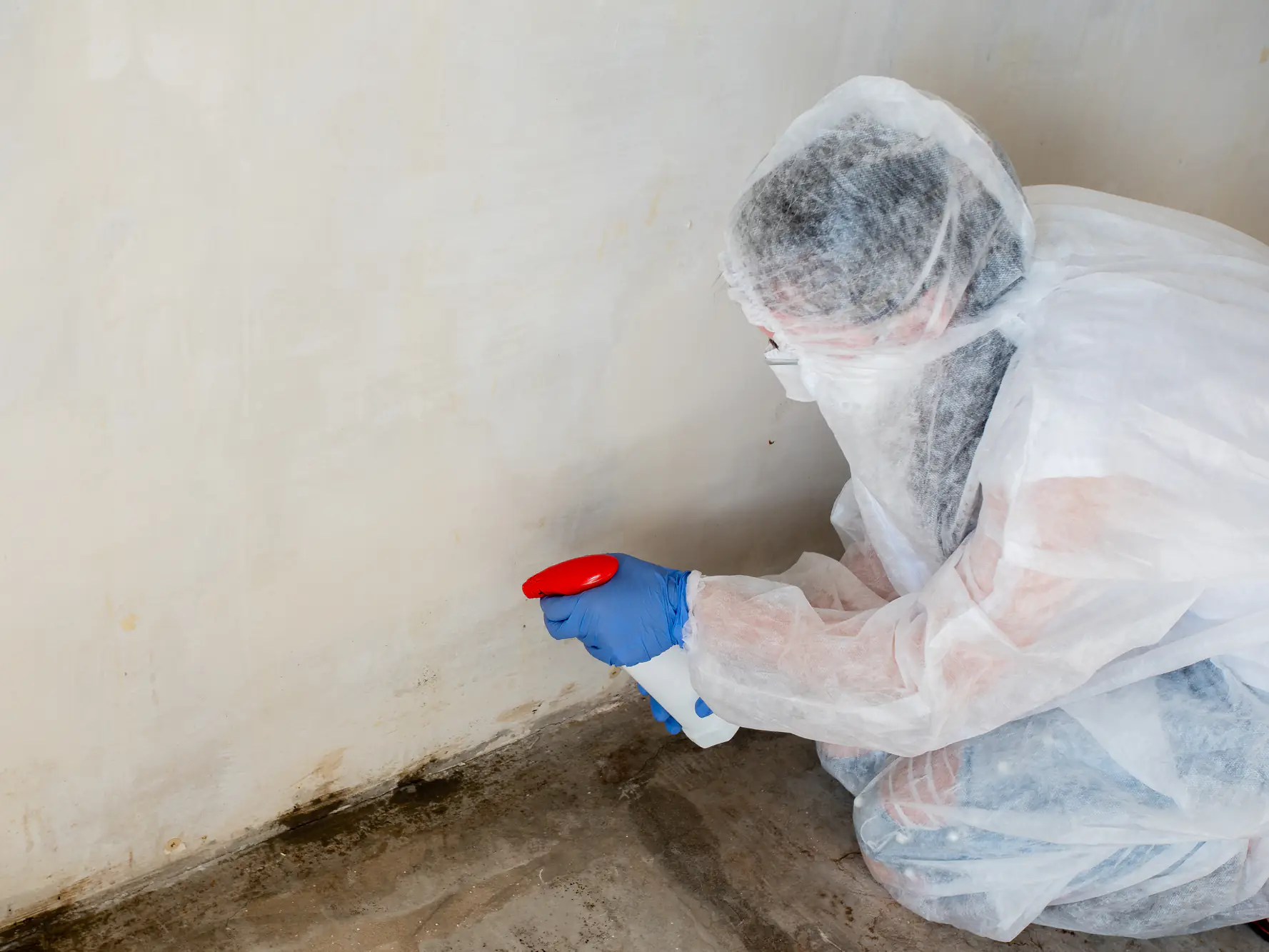
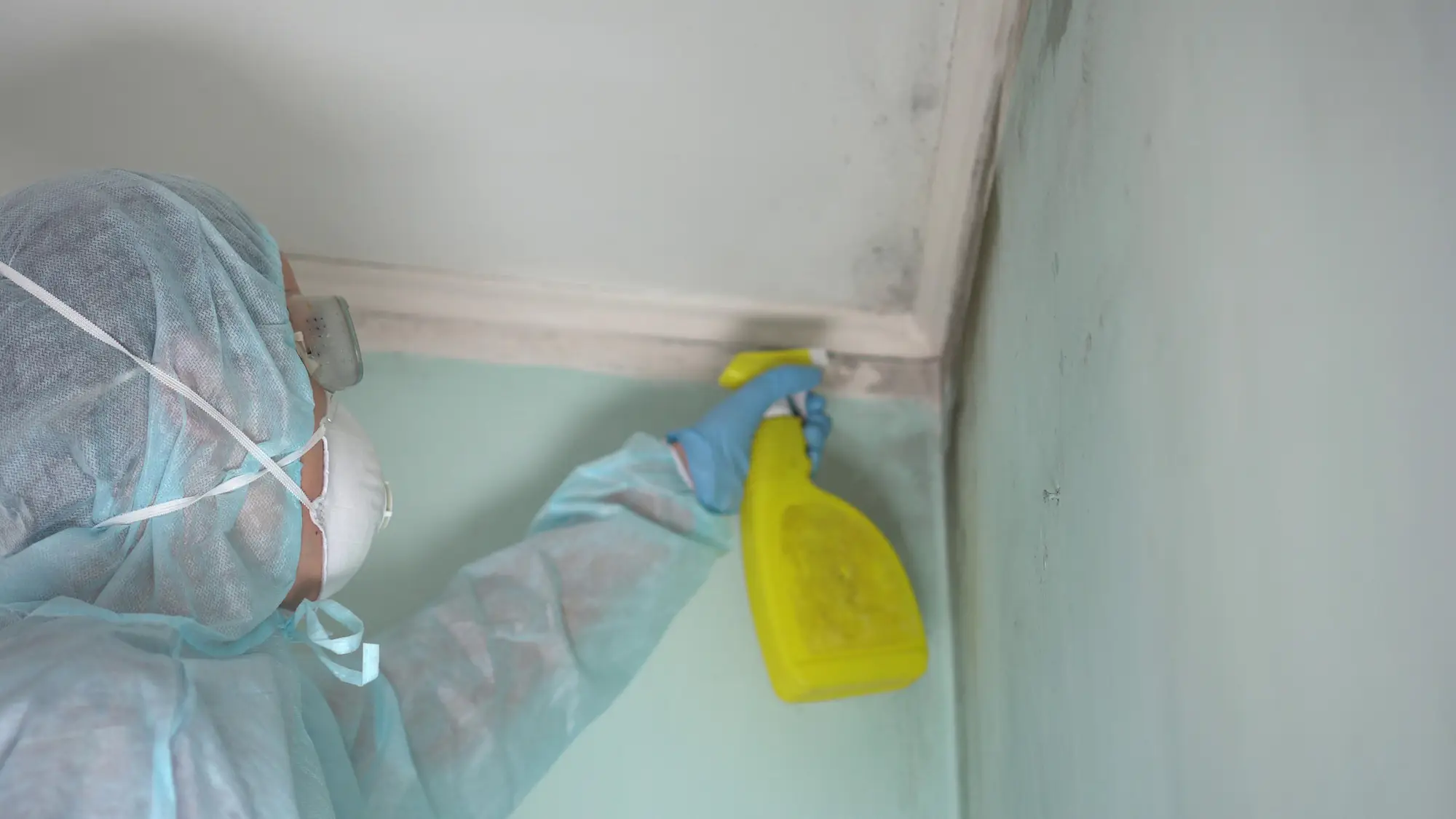
Once we know what we’re dealing with, we contain the affected area to prevent spores from spreading during removal. We’re not just scrubbing visible mold off surfaces. We’re using HEPA vacuums, antimicrobial treatments, and proper removal techniques that follow EPA guidelines. If materials are too damaged, we remove and dispose of them safely.
Then we address the moisture source. If your foundation is seeping, we’re going to talk about that. If your crawl space needs better ventilation, that’s part of the conversation. Removing mold without fixing what caused it is just setting you up to call someone again in six months.
After remediation, we restore the space—new drywall, repainting, whatever was removed. You’re not left with a half-finished basement. The goal is to hand you back a clean, safe space that’s ready to use.
Ready to get started?
You get a thorough property inspection at no cost. We document everything we find with photos and moisture readings so you know exactly what you’re dealing with. If you’re filing an insurance claim, we’ll help with that paperwork.
The remediation itself includes containment, removal, HEPA air filtration, antimicrobial treatment, and proper disposal of contaminated materials. We don’t cut corners because cutting corners is how mold comes back. We follow IICRC standards and EPA protocols because those are the methods that actually eliminate mold for good.
In Emilie and throughout Bucks County, we see the same issues repeatedly. Basements with foundation cracks that let moisture in during heavy rain. Crawl spaces with dirt floors and no vapor barrier. Bathrooms with exhaust fans that don’t actually vent outside. These aren’t just mold problems—they’re moisture problems. We address both.
After removal, we handle the restoration work. You’re not calling another contractor to patch walls or replace flooring. We take care of it so you’re dealing with one company from start to finish. And if the problem was caught early enough that you just need prevention advice, we’ll tell you that too instead of selling you services you don’t need.

If you’re smelling a musty odor that doesn’t go away, that’s usually mold. Visible discoloration on walls, ceilings, or around windows is another sign. But the tricky part is that mold often grows in places you can’t see—inside wall cavities, under flooring, in HVAC ducts.
Normal basement moisture feels damp and might cause some condensation. Mold growth means that moisture has been sitting long enough for spores to colonize and spread. In Pennsylvania’s humid climate, that can happen within 24 to 48 hours after water exposure, especially in older homes where ventilation is poor.
The only way to know for sure is to have someone inspect the space properly. We use moisture meters and thermal imaging to detect hidden growth. A free inspection tells you whether you’re dealing with a moisture issue you can manage yourself or an active mold problem that needs professional remediation.
Removing mold without fixing the moisture source is like bailing water out of a boat without plugging the leak. It’ll come back. Mold needs moisture to grow, so if your basement still has foundation seepage or your crawl space still has poor ventilation, you’re just buying time.
That’s why our process includes identifying and addressing what caused the mold in the first place. If it’s a leaking pipe, that gets fixed. If it’s groundwater seeping through foundation cracks, we talk about waterproofing solutions. If it’s humidity levels that stay above 60% all summer, we discuss dehumidification or ventilation improvements.
The goal isn’t just to remove what’s there now. It’s to create conditions where mold can’t grow back. That might mean additional work beyond remediation, but it’s the only way to actually solve the problem instead of just treating symptoms.
Most residential mold remediation projects in Bucks County run between $500 and $6,000, depending on the size of the affected area and how extensive the damage is. A small bathroom with surface mold costs a lot less than a finished basement with mold growing inside the walls.
The price depends on several factors: square footage of the affected area, whether materials need to be removed and replaced, how accessible the mold is, and what’s causing the moisture problem. If your crawl space is full of standing water and the floor joists are covered in growth, that’s a bigger job than a small patch of mold around a window.
We provide clear, upfront estimates after the inspection so you know what you’re paying for before any work starts. If your insurance covers mold remediation, we’ll work with them directly and help with the claims process. The worst financial decision is ignoring the problem—untreated mold can reduce your home’s value by 20% to 37%, and even after professional removal, some homes never fully recover their resale value.
Black mold—usually Stachybotrys chartarum—produces mycotoxins that can cause serious health issues, especially for children, elderly people, and anyone with respiratory conditions or weakened immune systems. Infants exposed to mold in their homes have nearly three times the risk of developing asthma. About 93% of chronic sinus infections have been linked to mold exposure.
That said, not all black-colored mold is the toxic variety, and other types of mold can also cause health problems. The color doesn’t tell you everything. What matters is that you have mold growing in your living space, releasing spores into the air you’re breathing every day.
Symptoms of mold exposure include persistent coughing, sneezing, headaches, fatigue, and worsening allergy or asthma symptoms. Some people are genetically more susceptible—up to 25% of the population has a predisposition that makes them more vulnerable to mold illness. If anyone in your household is experiencing unexplained respiratory issues and you’ve noticed mold growth, that’s not a coincidence. Professional removal eliminates the source and improves your indoor air quality immediately.
Small surface mold—like a little growth around a bathroom tile—you can often handle yourself with proper cleaning products and ventilation. But if you’re dealing with mold that covers more than 10 square feet, growth inside walls or HVAC systems, or mold caused by contaminated water, you need professional remediation.
Here’s why DIY mold removal often makes things worse: disturbing mold releases thousands of spores into the air. Without proper containment and HEPA filtration, you’re spreading those spores to areas of your home that weren’t affected before. You’re also not addressing the moisture source, which means the mold will regrow.
We use containment barriers, negative air pressure, HEPA vacuums, and antimicrobial treatments that actually eliminate mold at the source. We follow EPA and IICRC protocols that prevent cross-contamination and ensure complete removal. We also identify why the mold is growing in the first place and fix that problem. If you’re seeing visible mold growth, there’s usually a lot more you’re not seeing—and that’s the part that requires professional equipment and expertise to address correctly.
Most residential mold remediation projects take between three and seven days, depending on the extent of the damage and how much restoration work is needed afterward. A straightforward basement mold removal might be done in three days. A whole-house remediation with significant structural repairs could take two weeks.
The timeline breaks down like this: inspection and assessment usually happen within 24 hours of your call. Containment and removal take one to three days for most projects. Drying out the affected area and treating surfaces with antimicrobials adds another day or two. Restoration work—replacing drywall, repainting, reinstalling flooring—depends on how much material had to be removed.
We’re available 24/7 for emergency situations because mold doesn’t wait for business hours. If you’ve had a pipe burst or major water intrusion, getting the remediation process started quickly prevents the problem from getting worse. The longer mold grows, the more damage it causes and the more expensive removal becomes. Fast response means less disruption to your life and lower overall costs.
Other Services we provide in Emilie