

Hear from Our Customers
You walk into your home and take a deep breath without worrying about what you’re inhaling. The musty smell is gone. Your family stops experiencing those mysterious headaches, coughing fits, and allergy symptoms that seemed to appear out of nowhere.
Your property value stays protected instead of dropping because of mold history. You sleep better knowing the problem was handled completely—not just the visible parts, but the root moisture issues that caused it in the first place.
Most importantly, you have confidence that your University City home is truly safe for your children, elderly family members, and anyone with respiratory sensitivities. That peace of mind is worth everything.
We’ve been serving University City families for years, and we understand exactly what makes mold problems so common here. The mix of older housing stock near UPenn and Drexel, combined with Philadelphia’s humid summers, creates perfect conditions for mold growth.
We’ve seen it all in this neighborhood—from century-old basements with original waterproofing failures to modern apartments with HVAC condensation issues. Whether you’re in a converted townhome on Chestnut Street or a high-rise near the universities, we know where mold likes to hide and how to eliminate it completely.
What sets us apart is our commitment to transparency and education. We don’t just remove mold—we show you why it happened and how to prevent it from coming back.

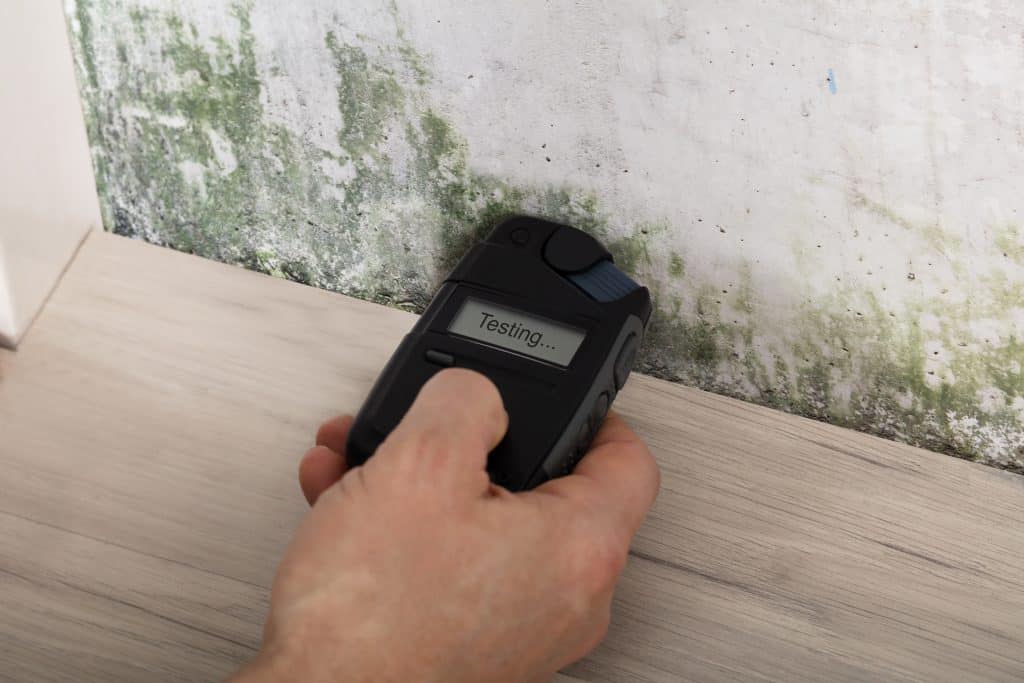
First, we conduct a thorough inspection of your entire property, including those hidden areas where mold loves to grow—behind walls, in crawl spaces, around HVAC systems. We use moisture meters and thermal imaging to find problems you can’t see yet.
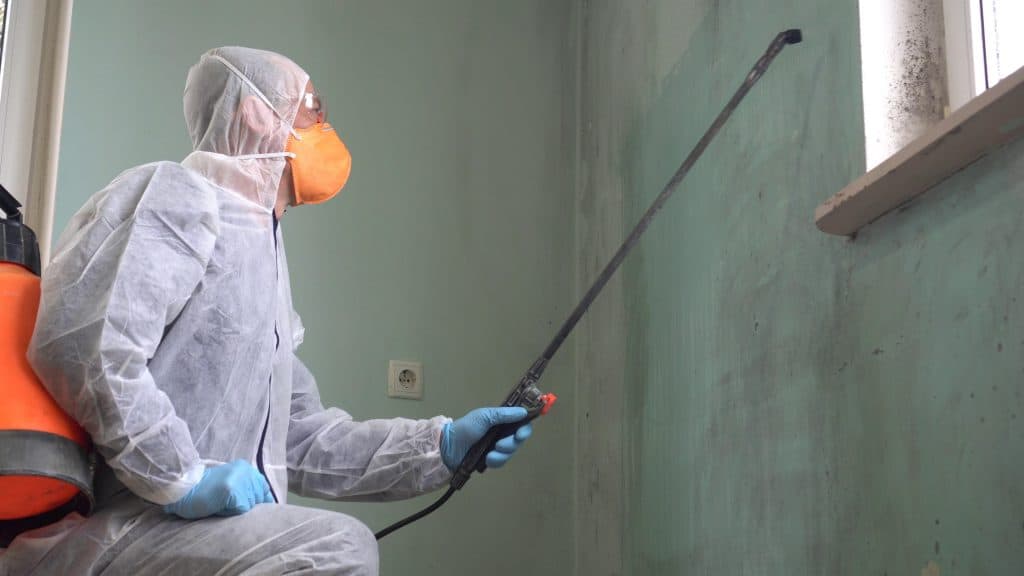
Next comes containment. We seal off affected areas to prevent mold spores from spreading to clean parts of your home during removal. This is crucial for protecting your family and preventing cross-contamination.
Then we safely remove all mold-damaged materials using EPA-approved methods and professional-grade equipment. We don’t just clean surface mold—we eliminate contaminated drywall, insulation, or other materials that can’t be salvaged. Finally, we address the moisture source that caused the problem, whether it’s a plumbing leak, humidity issue, or ventilation problem. Without fixing the root cause, mold will return.
Ready to get started?
Your mold remediation service includes comprehensive inspection using advanced detection equipment, safe containment procedures, complete removal of contaminated materials, and thorough cleaning of affected areas. We also provide detailed documentation for insurance purposes and follow-up verification to ensure the problem is resolved.
In University City specifically, we understand the unique challenges of older housing stock. Many homes here were built before modern ventilation standards, and original basement waterproofing often fails over time. We’re experienced with the plaster walls, brick foundations, and aging HVAC systems common in this area.
We also know how Philadelphia’s climate affects indoor air quality. Those humid summers create perfect conditions for mold growth, especially in poorly ventilated spaces. Our service addresses both immediate mold problems and long-term prevention strategies tailored to local conditions.
Mold removal costs in University City typically range from $1,300 to $3,700, with most homeowners paying around $2,400 for professional remediation. The final cost depends on the size of the affected area, location of the mold, and extent of damage to building materials.
Small bathroom mold problems might cost $600-800, while whole-house remediation can reach $10,000 or more. University City’s older housing stock sometimes requires additional work because we must carefully handle fragile plaster walls and aging building materials. We provide upfront pricing after our free inspection so you know exactly what to expect before any work begins.
Mold can begin growing within 24-48 hours after water damage in Philadelphia’s humid climate. The combination of moisture, organic materials like drywall or wood, and temperatures between 77-88°F creates ideal conditions for rapid mold development.
This is why immediate response is crucial after any water incident—burst pipes, roof leaks, flooding, or even high humidity from summer weather. Philadelphia’s climate makes the 48-hour window even more critical because outdoor humidity often exceeds 60%, accelerating indoor mold growth. If you’ve had any water issues in your University City home, don’t wait to have it inspected.
Mold exposure commonly causes respiratory issues, persistent coughing, nasal congestion, skin irritation, and headaches. Children and elderly residents are particularly vulnerable and may develop respiratory infections more quickly than healthy adults.
People with asthma often experience more frequent attacks when exposed to mold spores. Some residents report fatigue, difficulty concentrating, and worsening allergy symptoms. In University City’s dense housing environment, these health impacts can be especially concerning for families with young children or elderly members. The good news is that symptoms typically improve significantly once professional mold remediation is completed and the source is eliminated.
University City has several factors that make mold problems common: aging housing stock, Philadelphia’s humid climate, and dense urban construction. Many homes in the area were built before modern ventilation standards, with original basement waterproofing that often fails over time.
The neighborhood’s mix of converted townhomes, older apartment buildings, and multi-family housing creates additional challenges. Shared walls can transfer moisture between units, and deferred maintenance in rental properties near the universities sometimes allows small problems to become major mold issues. Philadelphia’s humid summers, combined with poor ventilation in older buildings, create perfect conditions for mold growth year-round.
Small surface mold areas (less than 10 square feet) can sometimes be cleaned by homeowners using proper protective equipment and EPA-approved cleaners. However, larger infestations, hidden mold, or mold in HVAC systems require professional remediation.
Professional removal is essential if anyone in your home has respiratory issues, if mold covers more than 10 square feet, or if it’s growing inside walls or ductwork. DIY attempts often spread spores to clean areas or fail to address the moisture source, leading to recurring problems. In University City’s older homes, professional expertise is especially important because mold often hides behind plaster walls or in aging building materials that require careful handling.
Preventing mold recurrence requires controlling moisture and maintaining proper ventilation. We address the root cause during remediation—whether it’s plumbing leaks, humidity problems, or ventilation issues. After treatment, keep indoor humidity below 50% using dehumidifiers, especially in basements and bathrooms.
In University City’s older homes, this often means upgrading ventilation systems, sealing foundation cracks, or improving drainage around the building. Regular maintenance is crucial: fix leaks immediately, clean HVAC systems annually, and monitor areas that previously had mold problems. We provide specific prevention recommendations based on your home’s unique conditions and the local climate challenges that University City residents face year-round.
Other Services we provide in University City