
Hear from Our Customers

You shouldn’t have to wonder if your home is making your family sick. Farmbrook’s humid summers and cold winters create conditions where mold, dust mites, and allergens thrive—especially in older homes with limited ventilation. That’s not a scare tactic. It’s just what happens when moisture gets trapped.
A home air quality test gives you actual data. We measure what’s in your air, identify the source, and explain what it means for your health. No vague reports. No upselling services you don’t need.
Most people come to us because someone in the house has allergies that won’t quit, or they smell something musty but can’t find it. Indoor air quality testing shows you exactly what’s there—mold spores, VOCs, particulates—and whether it’s at levels that matter. Then you decide what to do about it.
We work with homeowners across Bucks County who want straight answers about their indoor air. We’re not a national franchise. We’re local, and we’ve been testing and treating homes in Farmbrook and the surrounding area for years.
We use the same equipment labs use—air sampling pumps, moisture meters, thermal imaging—to detect what you can’t see. Our inspections are thorough, and our reports are clear. You’ll know what we found, where it is, and what caused it.
Farmbrook homes deal with basement moisture, attic condensation, and crawl spaces that stay damp year-round. We see it constantly. If your home has any of those issues, a residential air quality testing service can catch problems before they get expensive.

We start with a free inspection. You walk us through the areas you’re concerned about—basement, bathrooms, bedrooms, attic—and we look for visible signs of moisture, mold, or ventilation problems. We also ask about symptoms: headaches, coughing, allergies that started recently or got worse.
Next, we collect air samples using calibrated pumps. These samples capture airborne particles, spores, and allergens. We also take surface samples if we see discoloration or suspect hidden growth behind walls or under flooring. The samples go to a certified lab for analysis.
Within a few days, you get a detailed report. It shows what was detected, at what concentration, and whether those levels are considered normal or elevated. We walk you through the findings and explain what’s causing the issue—whether it’s a leak, poor airflow, or humidity that’s too high.
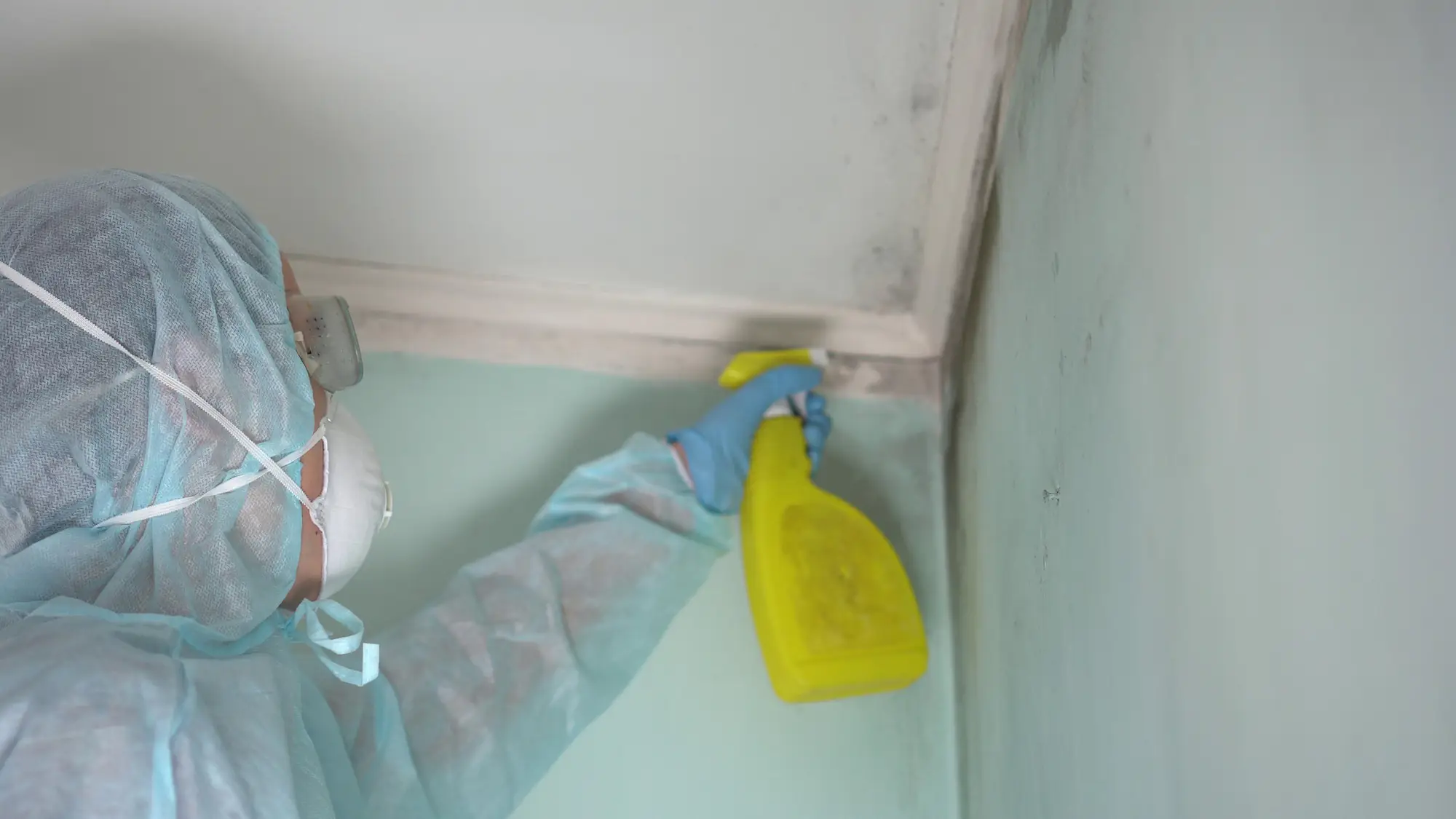
If remediation is needed, we explain your options. If it’s a minor fix, we’ll tell you that too. The goal is to give you enough information to make a smart decision, not to pressure you into a service you don’t need.

Ready to get started?
Every air quality assessment includes a visual inspection, moisture readings, air sampling, and lab analysis. We test for mold species, spore counts, and common indoor allergens. If you’re dealing with a specific concern—like a recent water leak or ongoing respiratory issues—we adjust the scope to match.
Farmbrook’s climate makes mold growth common, especially in basements and crawl spaces. Homes built before 1980 often lack proper vapor barriers, and newer homes can have ventilation issues if they’re sealed too tight. Both scenarios lead to trapped moisture, which leads to mold.
We also check for elevated humidity, which is a leading cause of mold problems in Pennsylvania. If your home consistently runs above 60% relative humidity, you’re at risk—even if you don’t see visible growth yet. Our testing picks up on that.
You’ll receive a written report with photos, lab results, and our recommendations. If remediation is necessary, we provide upfront pricing and work with your insurance company if the damage is covered. If the issue is something you can handle yourself—like improving ventilation or fixing a small leak—we’ll tell you that instead.
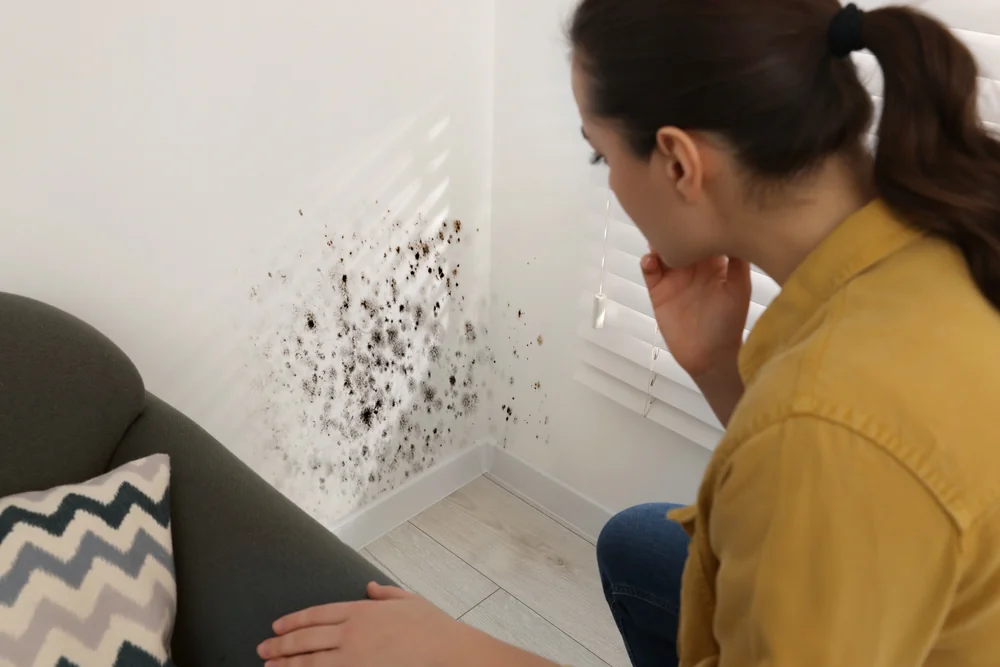
If anyone in your home has unexplained allergies, asthma that’s gotten worse, or respiratory symptoms that improve when they leave the house, that’s a strong indicator. Other signs include a musty smell you can’t locate, visible mold or water stains, or recent water damage that wasn’t fully dried out.
Farmbrook homeowners often deal with basement humidity and poor attic ventilation. Both create environments where mold grows quietly. You might not see it, but it’s releasing spores into your air. Testing confirms whether there’s a problem and how serious it is.
Even if you don’t have symptoms, testing makes sense if you’re buying a home, selling a home, or just finished a renovation that involved plumbing or HVAC work. It’s a low-cost way to catch issues before they become expensive.
A mold inspection is visual. We look for signs of growth, moisture intrusion, and conditions that support mold. An air quality test goes further—it measures what’s actually in your air, even if there’s no visible mold.
Sometimes mold is hidden inside walls, under flooring, or in ductwork. You can’t see it, but it’s affecting your air quality. Air sampling picks up elevated spore counts that indicate hidden growth. It also identifies the type of mold, which helps determine the right remediation approach.
If you already see mold, you might not need air testing—you need removal. But if you smell something or have symptoms without an obvious source, air testing is the fastest way to get answers. We use both methods depending on what your situation calls for.
The on-site portion takes about an hour, sometimes less depending on the size of your home and how many areas we’re sampling. We set up air pumps in different rooms, collect samples, take moisture readings, and document anything we find visually.
Lab analysis takes 3-5 business days. Once we get the results, we schedule a follow-up call or meeting to review the report with you. We don’t just email it and disappear—we walk you through what it means and answer your questions.
If you’re dealing with an urgent situation—like a recent flood or someone in the home with severe respiratory distress—we can expedite lab processing. Most cases don’t require that, but it’s an option if timing matters.
Testing tells you what’s in your air and whether those levels are elevated compared to normal outdoor air and industry standards. It doesn’t give you a pass/fail grade, but it does give you data to make informed decisions.
For example, if your air shows high concentrations of Aspergillus or Stachybotrys (black mold), that’s a red flag. If levels are consistent with outdoor air and there’s no moisture problem, you’re likely fine. The report shows you where you stand.
Keep in mind that “safe” depends on who’s living in the home. Someone with asthma or a compromised immune system may react to mold levels that wouldn’t bother most people. We take that into account when reviewing results with you. The goal is to give you enough context to understand your specific risk.
You can buy DIY test kits online, but they’re not reliable. Most use settle plates that sit out and collect whatever lands on them. That method doesn’t measure airborne concentration, and it often picks up mold that’s naturally present in every home.
Professional air quality testing uses calibrated pumps that pull a specific volume of air through a collection device. The sample is analyzed in a certified lab using microscopy or DNA analysis. That’s how you get accurate spore counts and species identification.
If you’re trying to determine whether you have a mold problem or just want peace of mind, a professional test is worth it. It costs a few hundred dollars and gives you real data. DIY kits cost $40-$50 and usually create more confusion than clarity. If you’re serious about understanding your air quality, skip the hardware store version.
Yes. Depending on the scope of testing, we can measure VOCs (volatile organic compounds), carbon monoxide, radon, particulate matter, and common allergens like dust mites and pet dander. Most homeowners start with mold testing because that’s the most common indoor air quality issue in Farmbrook.
If you’re concerned about something specific—like formaldehyde from new flooring or radon in your basement—we can add those tests. Each one requires different equipment and lab analysis, so we tailor the testing plan based on what you’re dealing with.
Mold is often the starting point because it’s tied to moisture, and moisture causes other problems too—like wood rot, pest infestations, and structural damage. Once we identify and fix the moisture issue, a lot of other air quality concerns improve on their own. But if you want a full picture of your indoor air, we can provide that.
Other Services we provide in Farmbrook