

Hear from Our Customers
You stop wondering if that smell is dangerous. Your kids stop dealing with mystery headaches and sinus infections that won’t quit. The air in your home feels clean again.
When mold gets removed the right way, it doesn’t come back next season. The source gets fixed, not just covered up. Your basement or attic stops being the room everyone avoids.
If you’re selling, buyers stop walking away during inspection. If you’re staying, you stop worrying every time it rains. Your home value stays intact instead of dropping 20-30% because of a problem that spread too far.
Professional mold removal means the job gets done once. You’re not dealing with the same black spots six months later because someone missed the moisture source or didn’t contain the spores during removal.
We work throughout Bucks County, and we’ve handled plenty of jobs in Farmbrook. The homes here—especially the older ones—deal with the same humidity issues every summer and the same damp basements every spring.
We’re not a national franchise reading from a script. We know what happens when your crawl space floods during a storm or when your attic insulation traps moisture all winter. We’ve pulled out enough wet drywall and treated enough floor joists to know what works and what’s a waste of time.
When you call, you’re talking to someone who’s been in your neighbor’s basement. We respond fast, we explain what we find, and we don’t upsell you on services that won’t fix the actual problem.

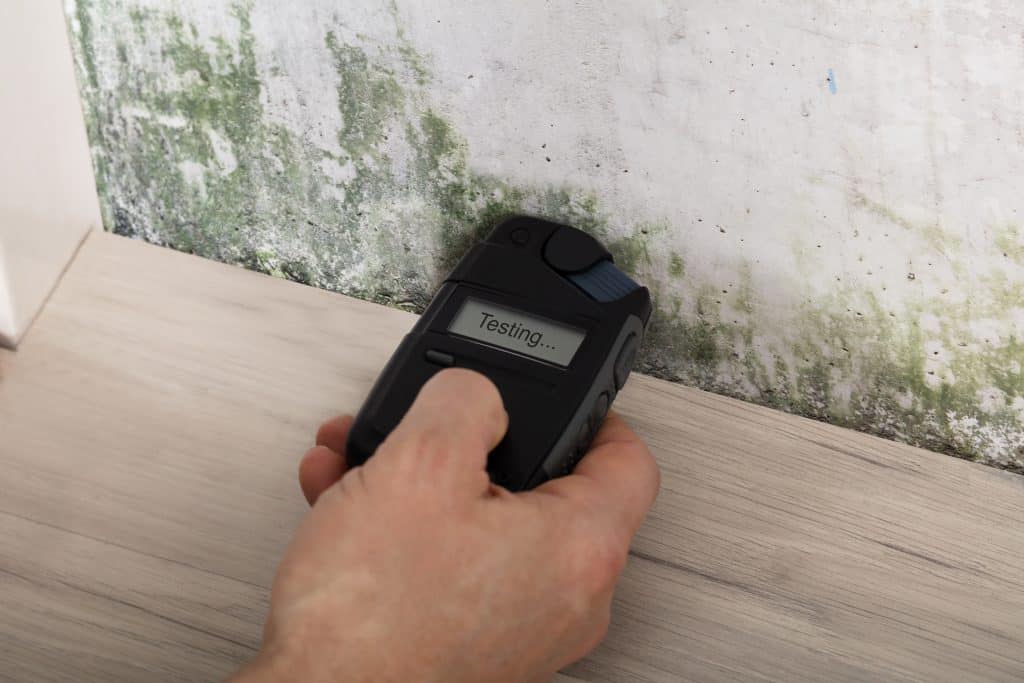
First, we come out and actually look. Not just at the mold you can see, but at what’s causing it. We use moisture meters and thermal imaging to find hidden water sources in walls, under floors, and in spaces you can’t access yourself.
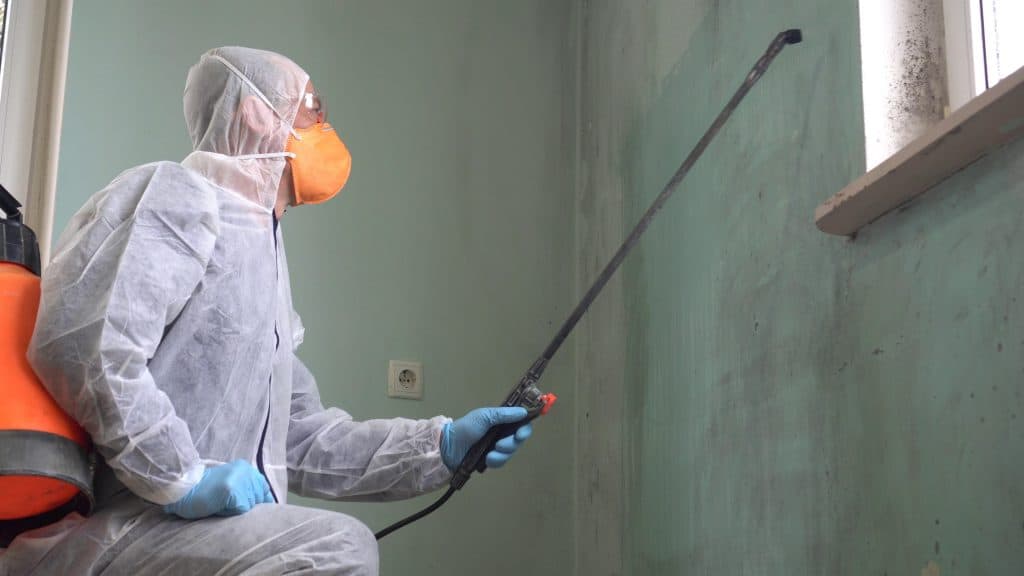
Once we know what we’re dealing with, we contain the area so spores don’t spread to clean parts of your home during removal. Then we remove the contaminated materials safely—drywall, insulation, whatever’s affected—and treat the surfaces with solutions that kill mold at the root.
After removal, we address the moisture problem. That might mean fixing a leak, improving ventilation, or recommending a dehumidifier for your basement. Without that step, mold comes back.
We clean up, haul out the contaminated materials, and make sure the air quality is back to normal before we’re done. Most jobs take 1-3 days depending on how far the mold spread. You’ll know the timeline upfront.
Ready to get started?
Every mold removal job starts with a full inspection. We document everything with photos for your records and insurance if needed. You get a clear breakdown of what needs to be removed, what can be saved, and what the underlying moisture issue is.
Farmbrook homes—especially those built before 1980—tend to have mold in basements, crawl spaces, and attics. The humid summers here create perfect conditions, and a lot of older homes weren’t built with the ventilation standards we have now. We see it constantly.
Our mold cleaning services include containment setup, safe removal of affected materials, HEPA air filtration during the job, antimicrobial treatment, and odor elimination. We also handle the disposal so you’re not stuck dealing with contaminated debris.
If your mold problem started with a water leak or flood, we coordinate with your insurance company and provide the documentation they need. We’ve worked with most of the major carriers and know what they require for claims.
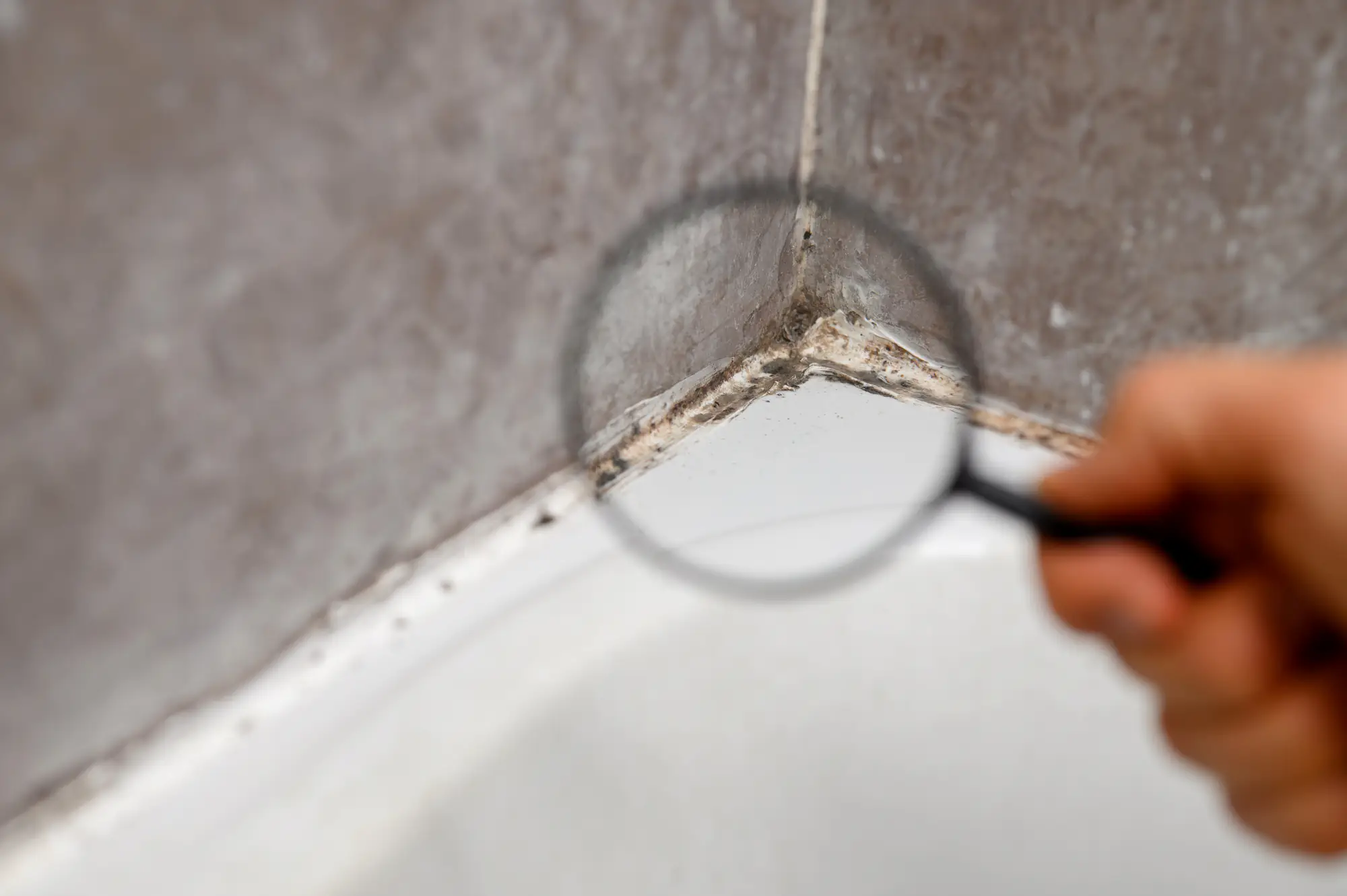
If you can see mold growing on walls, ceilings, or floors, it’s already past the point where cleaning it yourself will work. Surface mold means there’s growth behind or inside the material—drywall, insulation, wood framing. Scrubbing what’s visible doesn’t kill what’s hidden.
You also need professional help if you’re dealing with health symptoms that won’t go away. Chronic sinus infections, headaches that get worse at home, breathing issues, or skin rashes that clear up when you leave the house are all signs of mold exposure.
Another reason to call: you’ve had water damage. Even if you don’t see mold yet, it starts growing within 24-48 hours of materials getting wet. Waiting to see if mold appears is how small problems turn into expensive ones. If your basement flooded, your roof leaked, or a pipe burst, get an inspection before mold takes hold.
Mold removal is taking out the contaminated materials—cutting out drywall, pulling up carpet, removing insulation. Mold remediation is the full process: finding the source, removing the mold, treating the area, fixing the moisture problem, and preventing it from coming back.
Most companies use the terms interchangeably, but remediation is more accurate because removal alone doesn’t solve anything. If you rip out moldy drywall but don’t fix the leak that caused it, you’ll have mold again in a few months.
Real remediation addresses why the mold grew in the first place. That might mean improving ventilation in your attic, sealing a foundation crack, fixing a gutter that’s dumping water against your house, or installing a vapor barrier in your crawl space. Without that step, you’re just treating symptoms.
Most residential mold removal jobs in Farmbrook run between $1,500 and $4,000 depending on the size of the affected area and how much material needs to be removed. A small bathroom with mold around the tub might cost $1,500. A finished basement with mold behind drywall on multiple walls could run $3,500 or more.
The cost depends on square footage, what materials are contaminated, and whether structural repairs are needed after removal. If floor joists or wall studs are rotted from long-term moisture exposure, that adds to the scope.
Insurance sometimes covers mold removal if it resulted from a covered event like a burst pipe or storm damage. If the mold developed slowly over time due to poor ventilation or a minor leak you didn’t notice, insurance typically won’t pay. We help with documentation either way so you know what to expect before we start work.
Small surface mold—like a little bit on bathroom caulking—you can handle yourself with the right cleaner. Anything larger than a few square feet, anything inside walls or under floors, or any situation where you’ve had water damage needs professional help.
Here’s why: disturbing mold releases spores into the air. Without proper containment and air filtration, you spread those spores throughout your house. They land in your HVAC system, your furniture, your clothes. Now you’ve got a bigger problem than when you started.
Professional mold removal includes containment barriers, negative air pressure to keep spores from spreading, protective equipment, and proper disposal of contaminated materials. If you’re dealing with black mold or you have respiratory issues, trying to remove it yourself is a health risk. The money you save doing it yourself gets spent fixing the larger problem you create.
Most residential mold removal jobs take 1-3 days. A single room with contained mold might be done in a day. A basement or attic with extensive growth and structural damage could take a week.
The timeline depends on how much material needs to be removed, how long it takes for treated areas to dry completely, and whether we’re waiting on any repairs before we can close up walls. We don’t rush the drying process because sealing in moisture just creates another mold problem down the road.
During the job, the affected area is sealed off so the rest of your house stays livable. If we’re working in your basement, you can still use your kitchen and bedrooms. If it’s a bathroom, we’ll give you a realistic timeline for when it’ll be usable again. Most people are surprised how fast the process moves once we’re on site.
Humidity and water intrusion. Farmbrook gets hot, humid summers and wet springs—perfect conditions for mold. Add in older homes with basements that weren’t waterproofed to modern standards, and you’ve got chronic moisture issues.
The most common causes we see: basement flooding during heavy rain, roof leaks that go unnoticed until the attic insulation is soaked, bathroom exhaust fans that vent into the attic instead of outside, and crawl spaces without vapor barriers. Poor ventilation makes all of these worse.
Mold needs three things: moisture, organic material to feed on (wood, drywall, carpet), and temperatures above 40 degrees. Your home has the last two covered year-round. Controlling moisture is the only variable you can change. That’s why fixing leaks, improving drainage, and managing humidity are critical to keeping mold from coming back after removal.
Other Services we provide in Farmbrook