
Hear from Our Customers
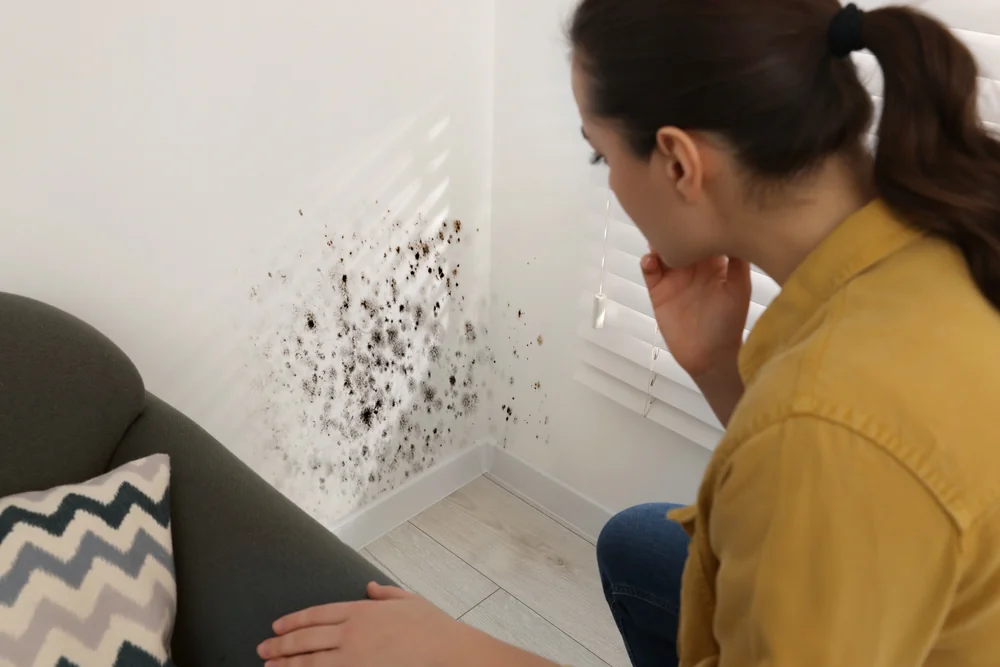
You’ve noticed the symptoms. Headaches that clear up when you leave the house. Allergies that won’t quit no matter what you take. Maybe your kids are coughing more, or that musty smell in the basement just won’t go away.
Here’s what most people don’t realize: indoor air can have up to five times more pollutants than outdoor air. You’re spending 90% of your time inside, breathing whatever’s floating around in there. And if you’re in an older Fairmount home or dealing with Philadelphia’s humidity, the odds aren’t in your favor.
A home air quality test tells you exactly what’s in your air—not just whether mold is present, but what type, at what concentration, and where it’s coming from. That’s the difference between throwing money at the wrong problem and actually fixing what’s making you sick. You get lab results from certified facilities, thermal imaging that spots moisture behind walls, and a clear answer about whether your air is safe or not.
We’ve been testing indoor air quality in Fairmount and throughout Philadelphia for over two decades. We’re not new to this, and we’re not learning on your property.
We know what Philadelphia humidity does to older rowhomes. We know how Fairmount’s housing stock—beautiful as it is—wasn’t built with modern ventilation in mind. And we know that nearly half of homes in this climate show visible mold or detectable odor at some point.
When you call us, you’re getting certified inspectors who use thermal imaging and moisture meters to find problems you can’t see. Every sample we collect goes to an independent lab that specializes in mold analysis. You get the results in three to five business days, along with photos, moisture readings, and a written report that actually explains what’s happening in your home.
First, we walk through your property and talk about what you’ve been experiencing. Where are the symptoms worst? When did you first notice the smell? Has there been any water damage, even minor leaks? This matters because it tells us where to look.
Then we start the actual testing. We use thermal imaging to detect temperature differences behind walls and ceilings—cold spots often mean moisture. Moisture meters measure humidity levels in materials. We’re looking for the conditions mold needs to grow, not just the mold itself.
We collect air samples from specific locations based on what we find. These samples get sent to a nationally recognized laboratory that identifies exactly what types of mold are present and at what concentration levels. The whole inspection takes one to two hours.
You get results in three to five business days. The report shows you what’s in your air, whether the levels are normal or elevated, and what species of mold we detected. If there’s a problem, we give you a detailed estimate for remediation. If your air quality is fine, we tell you that too. No upselling. Just facts.
Ready to get started?
A residential air quality testing service should give you answers, not more questions. Here’s what’s included when we test your Fairmount home.
You get a certified inspector who examines visible areas and uses advanced equipment to check spaces you can’t easily access. Infrared cameras and digital moisture meters find problems in walls, ceilings, and crawl spaces. We’re not just looking at what’s obvious—we’re finding what’s hidden.
Every air sample we collect goes to an independent laboratory for analysis. You receive documentation that shows exactly what types of mold are present and their concentration levels. This isn’t a pass/fail test. It’s specific data about what’s in your air right now.
The report includes laboratory results, photographs of problem areas, moisture readings, and a written explanation of what we found. If you’re dealing with an insurance claim, we know what documentation adjusters need. If you’re buying or selling property, you get the proof buyers and lenders are looking for. And if you just want to know whether your family is safe, you get a straight answer.
Fairmount’s older homes are prone to moisture issues, especially in basements and bathrooms where ventilation wasn’t a priority when these buildings went up. Philadelphia’s climate doesn’t help—humidity creates perfect conditions for mold growth. Professional air quality testing catches these problems before they tank your property value or make someone seriously ill.
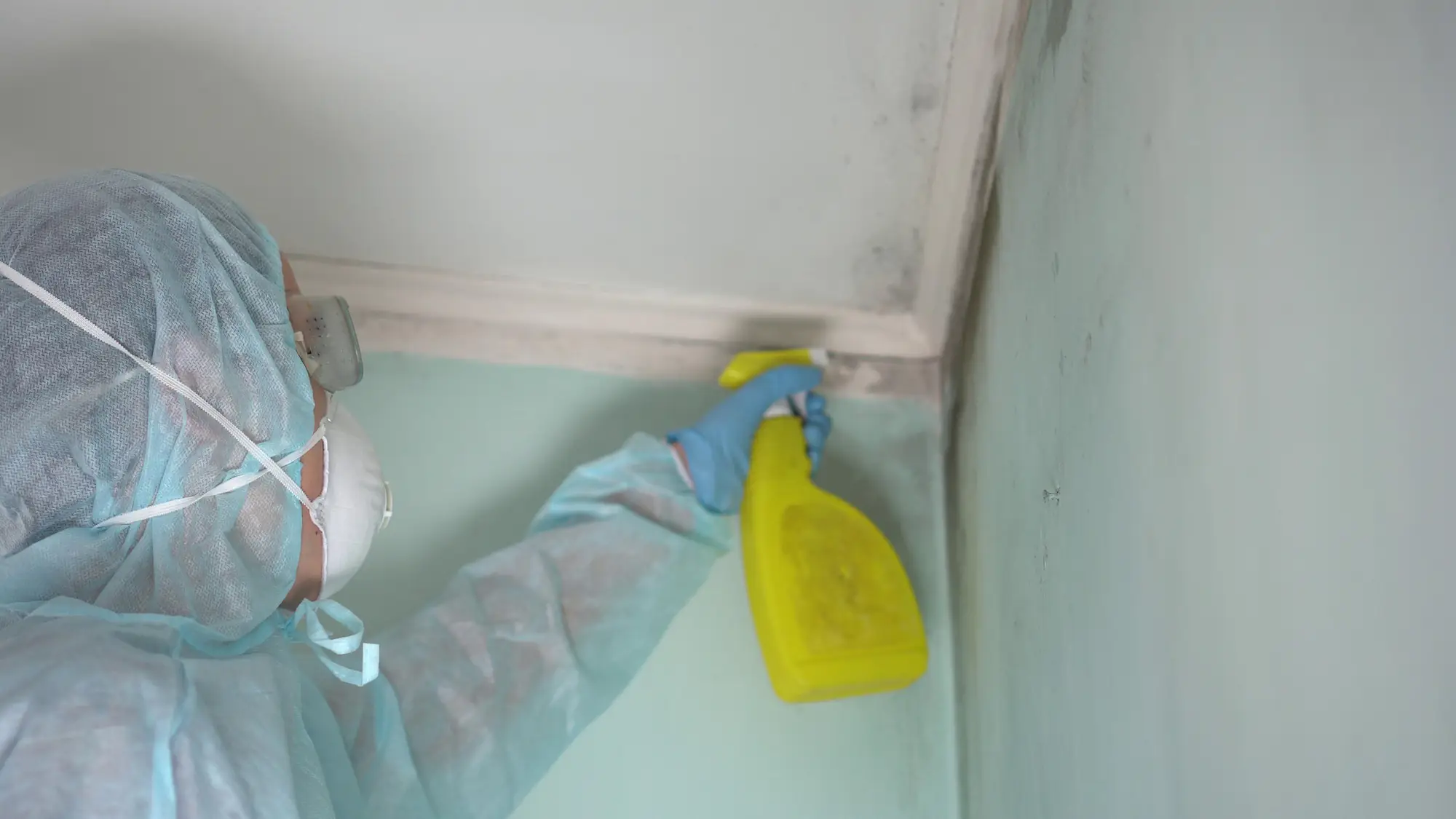
Most residential air quality testing in Fairmount runs between a few hundred dollars for basic mold air testing and more for comprehensive indoor air quality assessments. The exact cost depends on your property size, how many samples we need to collect, and what specific concerns you’re dealing with.
Here’s what affects the price: a small rowhome with one suspected area costs less than a larger property where we’re testing multiple rooms. If you need testing for specific pollutants beyond mold—like VOCs or other indoor air contaminants—that changes the scope.
We give you upfront pricing before we start. No hidden fees, no surprises when you get the bill. You know the exact cost before we collect a single sample. And compared to what you’d spend on remediation if a small problem becomes a big one, testing is cheap insurance.
You can, but here’s what you’re not getting: DIY kits can’t find hidden mold behind walls or under flooring. They can’t tell you what species of mold you’re dealing with or whether the concentration levels are actually dangerous. And they definitely can’t use thermal imaging or moisture meters to locate the source of the problem.
Most home test kits just tell you that mold spores are present. That’s not useful information—mold spores are present in every home. What matters is the type of mold and the concentration. Some species are relatively harmless. Others cause serious health problems.
Professional air quality testing uses specific location sampling based on where we detect moisture and temperature anomalies. We’re not randomly testing air and hoping to catch something. We’re using equipment and experience to find the actual problem areas, then documenting exactly what’s growing there. That’s the difference between guessing and knowing.
The most common sign is unexplained health symptoms that improve when you leave the property. If you’re dealing with persistent respiratory issues, allergies that won’t quit, headaches, fatigue, or eye and throat irritation—and it gets better when you’re away from home—your indoor air quality is probably the culprit.
Visible signs matter too. Musty odors, especially in basements or bathrooms. Water stains on ceilings or walls, even if they’re old. Condensation on windows. Peeling paint or wallpaper. Any history of water damage, leaks, or flooding. These all create conditions where mold grows and indoor air quality tanks.
You should also test if you’re buying or selling a home in Fairmount. Older properties in Philadelphia often have hidden moisture problems that don’t show up during a standard home inspection. Testing before you close can save you from buying someone else’s mold problem—or losing a sale because issues surface later. Insurance claims are another reason. If you’ve had water damage and you’re filing a claim, professional testing provides the documentation you need to prove the damage was caused by a covered event.
The inspection itself takes one to two hours depending on your property size. We’re collecting samples, using thermal imaging to check for moisture, and documenting everything we find. That happens the day we come out.
Lab results typically come back in three to five business days. The samples go to an independent laboratory that specializes in mold analysis. They’re identifying specific species and measuring concentration levels. That takes time to do correctly.
Once we have the lab results, we put together your report. You get the laboratory analysis, photographs of problem areas, moisture readings, and a written explanation of what everything means. If remediation is needed, we include a detailed estimate. If your air quality is normal, we tell you that. The whole process from inspection to final report usually wraps up within a week.
Yes, if you have proper documentation. Insurance companies want proof that mold or water damage was caused by a covered event—like a sudden pipe burst or storm damage. They’re not covering damage from long-term neglect or maintenance issues.
Professional air quality testing provides the documentation adjusters are looking for. You get laboratory analysis showing what types of mold are present and at what levels. You get moisture readings that show where water infiltration occurred. You get photographs and a written report from certified inspectors. This is the evidence that supports your claim.
We’ve worked with insurance companies for over twenty years. We know what they require, how they evaluate claims, and what documentation makes the difference between approval and denial. We can work directly with your insurance company and help you navigate the claims process. That doesn’t guarantee your claim will be approved—that depends on your policy and what caused the damage—but it gives you the best shot at getting covered.
Mold air testing specifically looks for mold spores and identifies what species are present at what concentration levels. It’s focused on one thing: whether you have a mold problem and how bad it is.
Full indoor air quality testing is broader. It can include mold, but it also tests for other pollutants—VOCs from cleaning products or building materials, carbon monoxide, radon, allergens, and other contaminants that affect indoor air. This matters if you’re experiencing health symptoms but you’re not sure mold is the cause.
Most people in Fairmount start with mold testing because it’s the most common indoor air quality issue in this climate. If you’ve got moisture problems, water damage, musty smells, or visible mold growth, that’s where we focus first. But if mold testing comes back clean and you’re still having symptoms, broader air quality testing might be the next step. We’ll walk you through what makes sense for your situation and what you’re actually dealing with.
Other Services we provide in Fairmount