
Hear from Our Customers
You’ve noticed the signs. Persistent allergies that won’t quit, headaches that show up at home but disappear when you leave, or that musty smell you can’t track down. These aren’t things you should just live with.
A home air quality test gives you actual data about what’s circulating through your house. Mold spores, volatile organic compounds, dust, pet dander, humidity levels—we measure what matters. Not so you have a fancy report to file away, but so you know exactly what needs to be addressed.
Most people don’t think about their indoor air until something feels off. By then, the problem’s been building for weeks or months. Professional air quality testing catches issues early, before they turn into expensive repairs or ongoing health concerns. You get clarity, not guesswork.
We serve Bursonville and the surrounding Bucks County area with one focus: creating healthier homes through mold remediation and air quality testing. We’re not a general restoration company that does mold on the side. This is what we do, every day.
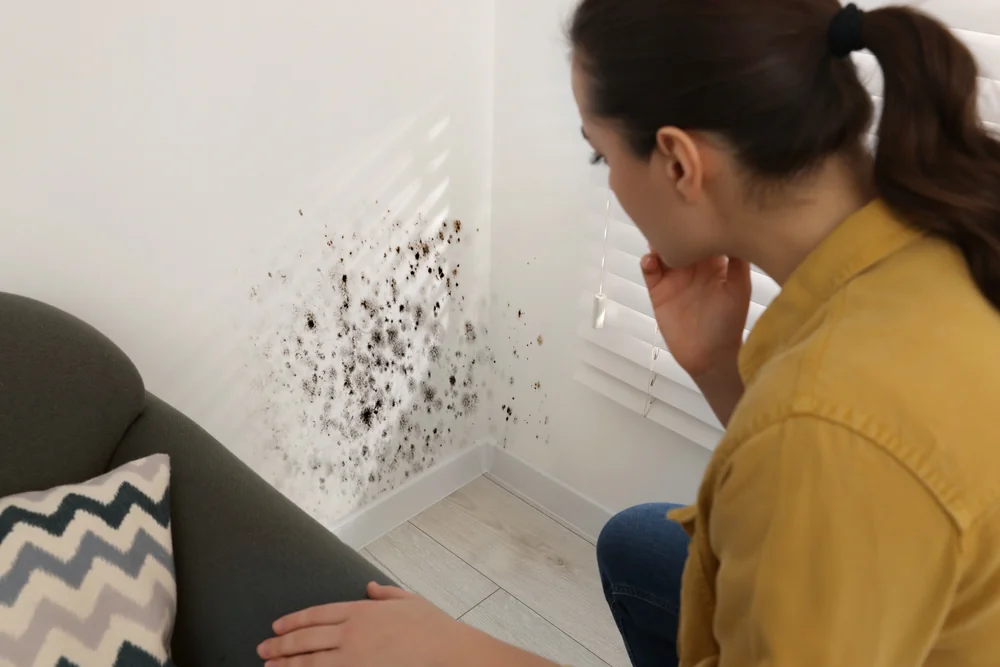
Bursonville homes deal with the same humidity and moisture issues common across southeastern Pennsylvania. Basements that stay damp, crawl spaces with poor ventilation, older homes with limited airflow. These conditions create environments where mold thrives, and where indoor air quality suffers.
We’ve built our reputation locally by showing up, doing the work right, and communicating clearly throughout the process. No upselling, no scare tactics. Just honest assessments and real solutions.
First, we come to your property and conduct a visual inspection. We’re looking for obvious moisture issues, visible mold growth, and areas where air quality problems typically start—basements, attics, HVAC systems, bathrooms, and anywhere water damage has occurred.
Next, we collect air samples from multiple locations in your home. These samples get analyzed in a lab to identify mold spores, measure spore counts, and detect other airborne contaminants like VOCs and allergens. We also measure humidity levels and temperature, since these directly impact mold growth and air quality.
Once results come back, we walk you through what we found. Not in technical jargon, but in plain terms: what’s in your air, where it’s likely coming from, and what it means for your health and your home. Then we discuss your options. Sometimes it’s a simple fix. Sometimes it requires remediation. Either way, you’ll know exactly what you’re dealing with and what it’ll take to fix it.

Ready to get started?
Our residential air quality testing covers the contaminants that actually affect your daily life. We test for mold spores—both the type and concentration. We measure volatile organic compounds, which come from building materials, cleaning products, and other household sources. We check for common allergens like dust and pet dander that accumulate in spaces with poor airflow.
In Bursonville and throughout Bucks County, we see recurring patterns. Homes built before modern ventilation standards often trap moisture. Properties near wooded areas or with poor drainage deal with elevated humidity. Finished basements without proper moisture barriers become breeding grounds for mold. These aren’t rare problems—they’re common, and they’re fixable once you know they exist.
You receive a detailed report that breaks down what we found, where the problems are concentrated, and what’s causing them. More importantly, you get recommendations that make sense for your situation and your budget. We’re not here to sell you services you don’t need. We’re here to give you accurate information so you can make the right call for your home.
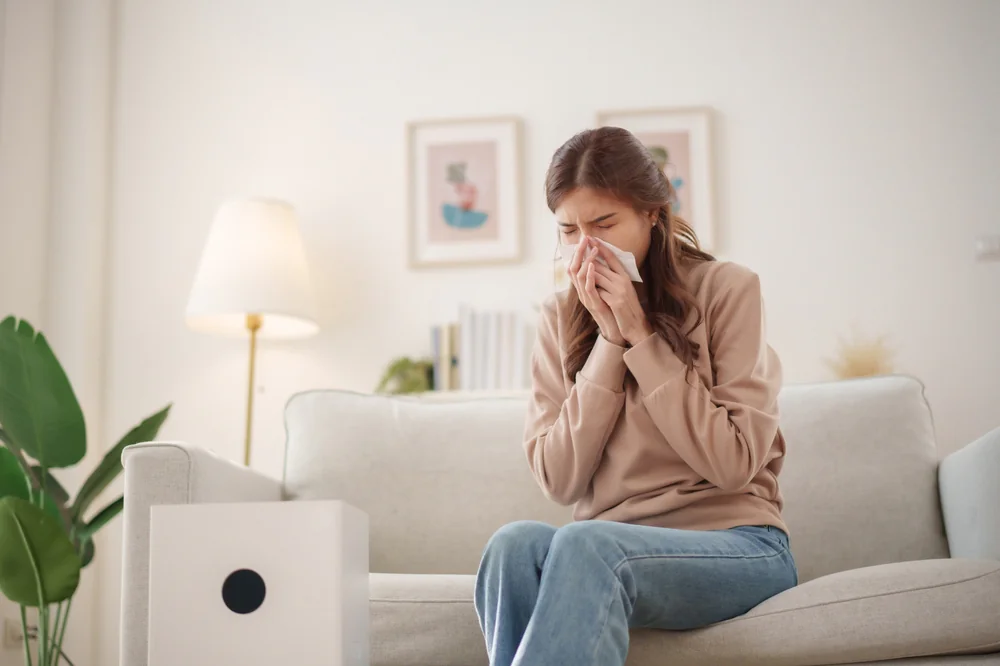
If you’re experiencing unexplained allergy symptoms, respiratory issues, or persistent headaches that improve when you leave your house, that’s a strong indicator. The same goes for musty odors you can’t locate, visible water damage, or a history of flooding or leaks.
You might also need testing if you’re buying or selling a home in Bursonville. Buyers want to know what they’re getting into, and sellers benefit from addressing issues before they derail a sale. Real estate transactions in Pennsylvania often include mold inspections, especially for older properties or homes with known moisture issues.
Even without obvious symptoms, testing makes sense if your home has risk factors: poor ventilation, high humidity, a damp basement, or an HVAC system that hasn’t been maintained. Mold doesn’t always announce itself. Sometimes the first sign is a test result showing elevated spore counts. Catching it early saves money and protects your family’s health.
A mold inspection is visual. We look for visible mold growth, moisture problems, water damage, and conditions that promote mold. It’s useful, but it only tells you what we can see. Mold often grows in hidden areas—inside walls, under flooring, in HVAC ducts, or in crawl spaces.
Air quality testing goes further. We collect air samples that get analyzed in a lab to identify mold spores circulating through your home, even if there’s no visible growth. This tells you what you’re actually breathing. It also measures spore concentrations, which helps determine the severity of the problem.
Most comprehensive assessments include both. The inspection identifies problem areas and moisture sources. The air testing confirms whether mold spores are present and at what levels. Together, they give you the full picture. You’re not guessing based on a smell or a stain—you have data that shows exactly what’s happening in your indoor environment.
The on-site portion typically takes one to two hours, depending on your home’s size and the number of areas we’re testing. We collect air samples from multiple rooms, inspect potential problem areas, and measure humidity and temperature levels throughout the property.
Air samples go to a certified lab for analysis. Standard turnaround is usually three to five business days. If you need results faster for a real estate closing or urgent situation, expedited testing is available and typically delivers results within 24 to 48 hours.
Once results are in, we schedule a time to review them with you. This isn’t a quick phone call where we read numbers at you. We sit down and explain what the lab found, what it means for your specific situation, and what your options are moving forward. You’ll have a written report you can reference, and you’ll leave the conversation knowing exactly what needs to happen next.
Our standard air quality testing focuses on mold spores, allergens, VOCs, humidity, and particulates. Carbon monoxide and radon require separate, specialized testing because they’re measured differently and need specific equipment.
If you’re concerned about carbon monoxide, that usually comes from fuel-burning appliances, fireplaces, or attached garages. You can start with a CO detector, but professional testing gives you precise measurements and identifies the source. Radon is a separate issue common in Pennsylvania—it’s a radioactive gas that seeps up from soil and rock beneath homes.
We can discuss these concerns during your consultation. If you need carbon monoxide or radon testing in addition to mold and air quality assessment, we’ll point you toward the right resources or include those services if they’re within our scope. The goal is making sure you have complete information about everything affecting your indoor air, not just part of the picture.
First, don’t panic. Elevated mold spores are common and fixable. The test results will show what type of mold is present and the concentration levels. Some mold types are more concerning than others, and concentration matters—low levels are normal, high levels need attention.
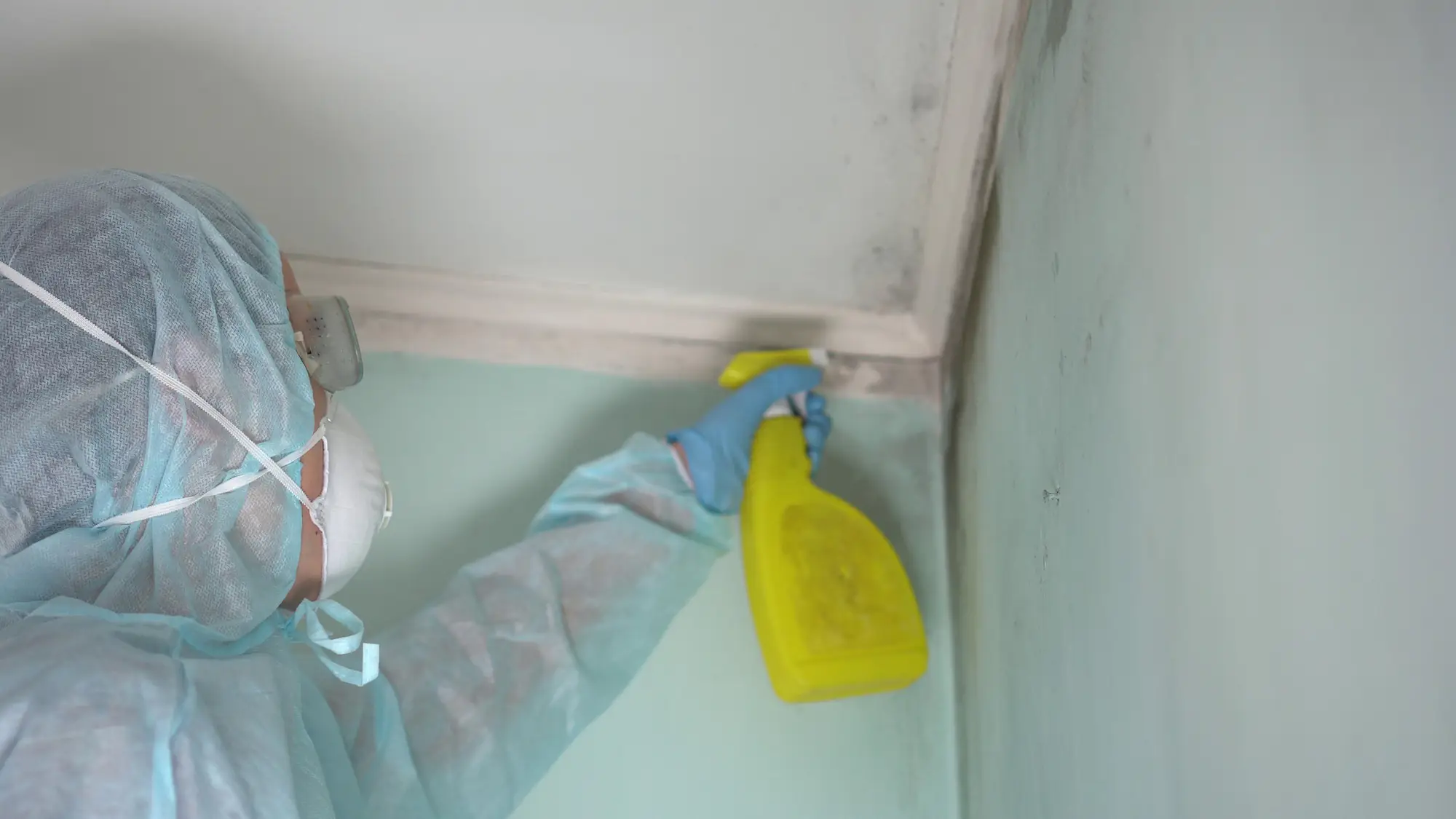
We’ll identify the moisture source feeding the mold growth. Maybe it’s a leak, poor ventilation, high humidity, or water damage that wasn’t properly dried. Fixing the moisture problem is step one. Mold can’t grow without water. Then we address the existing mold through proper remediation—containment, removal, cleaning, and prevention.
You’ll get a clear remediation plan with realistic timelines and costs. We handle the work, or if it’s minor, we’ll tell you that too. Some situations are DIY-friendly. Others require professional equipment and containment. Either way, you’ll know what you’re dealing with and have a path forward. High spore counts aren’t a life sentence—they’re a problem with a solution.
Cost depends on your home’s size, how many areas you want tested, and whether you need standard or expedited lab results. A basic air quality test for a typical Bursonville home usually runs a few hundred dollars. Larger homes or properties requiring multiple sample locations cost more.
We offer free inspections to assess your situation before you commit to testing. That way, you’re not paying for services you might not need. Sometimes a visual inspection is enough to identify the problem. Other times, testing is the only way to get answers.
If testing reveals mold that requires remediation, we’ll work with you on a plan that fits your budget. We also help navigate insurance claims if your policy covers mold damage. The upfront cost of testing is small compared to what you’d spend fixing undetected mold damage down the road, or dealing with ongoing health issues caused by poor indoor air quality. You’re investing in information that protects your home and your family.
Other Services we provide in Bursonville