

Hear from Our Customers
You shouldn’t have to guess whether that smell in your basement is dangerous. Or wonder if the dark spots near your bathroom are making your kids sick.
Mold grows fast in Bursonville. Between humid summers and damp basements sitting on Bucks County clay soil, conditions here practically invite it in. Once it starts, it doesn’t stop on its own.
We remove it completely. Not just the surface stuff you can see, but the hidden growth in crawl spaces, behind drywall, and inside HVAC systems. Then we address what caused it in the first place—moisture sources, ventilation problems, condensation issues—so it doesn’t come back next season.
You get a home that feels safe again. Air that doesn’t trigger coughing or allergies. And the confidence that you’re not sitting on a problem that’s quietly getting worse.
We serve Bursonville and the surrounding Bucks County area with one focus: getting mold out safely and keeping it out long-term. We’re not a national franchise following a script. We’re local, and we understand how homes here behave.
Older basements with high groundwater tables. Attics that swing between hot and cold. HVAC systems that can’t keep up with humidity in July. These aren’t just mold risks—they’re predictable patterns we see all the time.
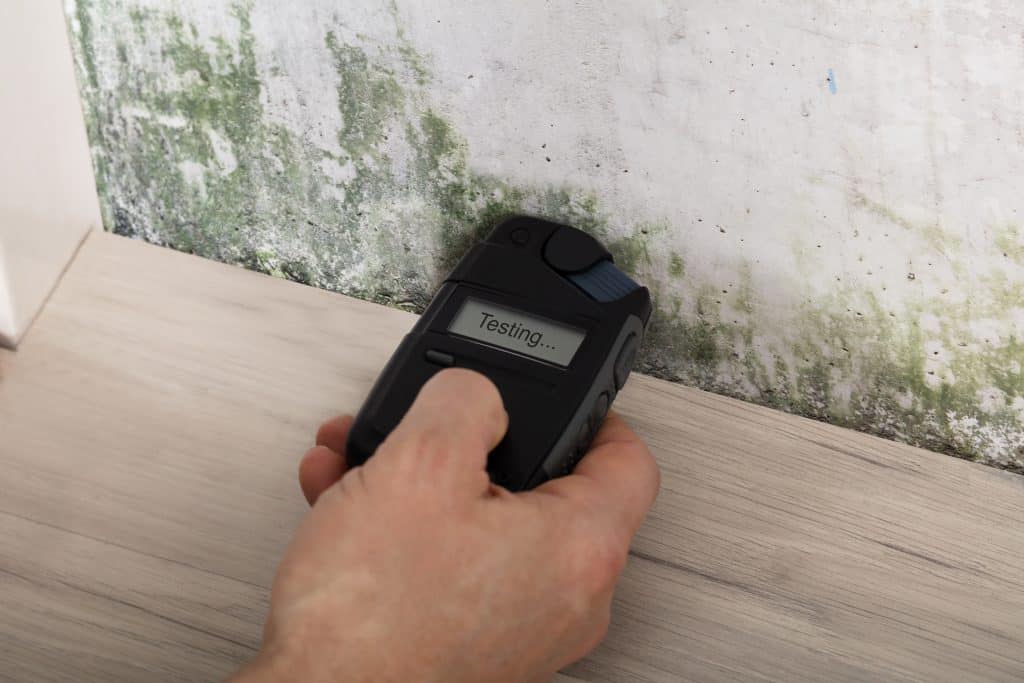
Our team uses moisture meters, thermal imaging, and air sampling to find exactly where the problem is. Then we build a removal plan based on what your property actually needs, not a one-size-fits-all checklist.

It starts with a free inspection. We come out, assess the visible damage, and use detection tools to find hidden growth you wouldn’t catch on your own. Air sampling tells us if spores are circulating through your home even when you don’t see active mold.
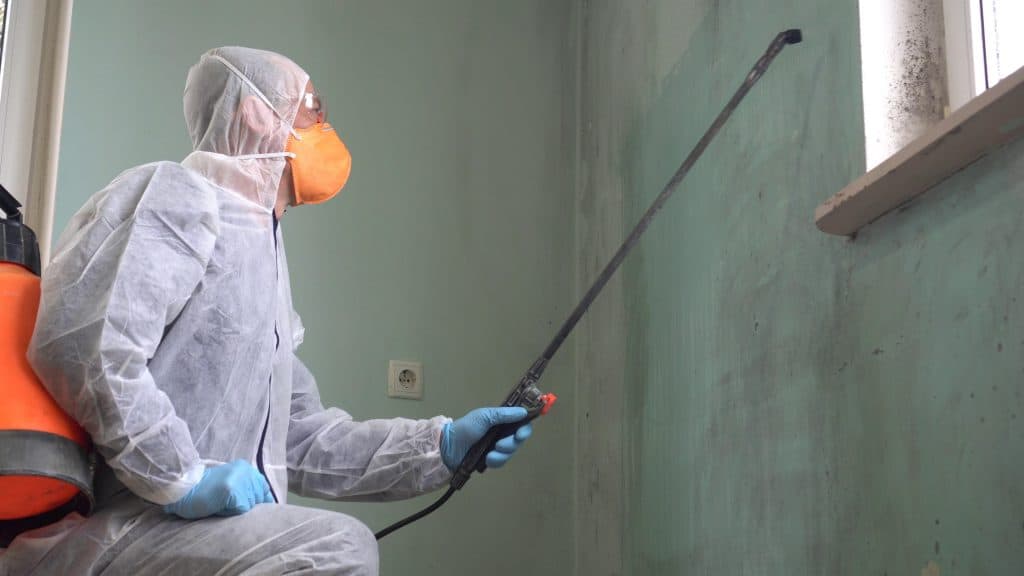
Once we know what we’re dealing with, we contain the area to prevent spores from spreading during removal. We use HEPA filtration and negative air pressure to keep contamination isolated. Then we remove all affected materials—drywall, insulation, flooring, whatever’s compromised—and treat surfaces with antimicrobial solutions.
After removal, we dry out the space completely and fix the moisture issue that caused it. That might mean improving ventilation, sealing foundation cracks, or rerouting drainage. The goal isn’t just to remove mold. It’s to make sure the conditions that allowed it to grow don’t exist anymore.
You’ll get documentation of the work, before-and-after photos, and a clear explanation of what we did and why. If you’re filing an insurance claim, we can help with that process too.
Ready to get started?
Every job includes a detailed inspection with moisture mapping and air quality testing. We identify the type of mold, the extent of growth, and the underlying cause. No guessing.
Removal is done using EPA-approved methods and environmentally safe products. We don’t just spray and hope. We remove contaminated materials, clean and treat affected surfaces, and sanitize the area to eliminate spores.
In Bursonville, most mold problems we see come from basement moisture, attic condensation, or poorly maintained HVAC systems. Basements here sit on clay soil with high water tables, which means water intrusion is common. Attics experience temperature swings that create condensation on roof decking. And older HVAC systems struggle with humidity control during our muggy summers.
We address all of it. Dehumidification recommendations. Ventilation improvements. Waterproofing referrals if needed. The removal is just part of the solution. Preventing it from coming back is the other half.
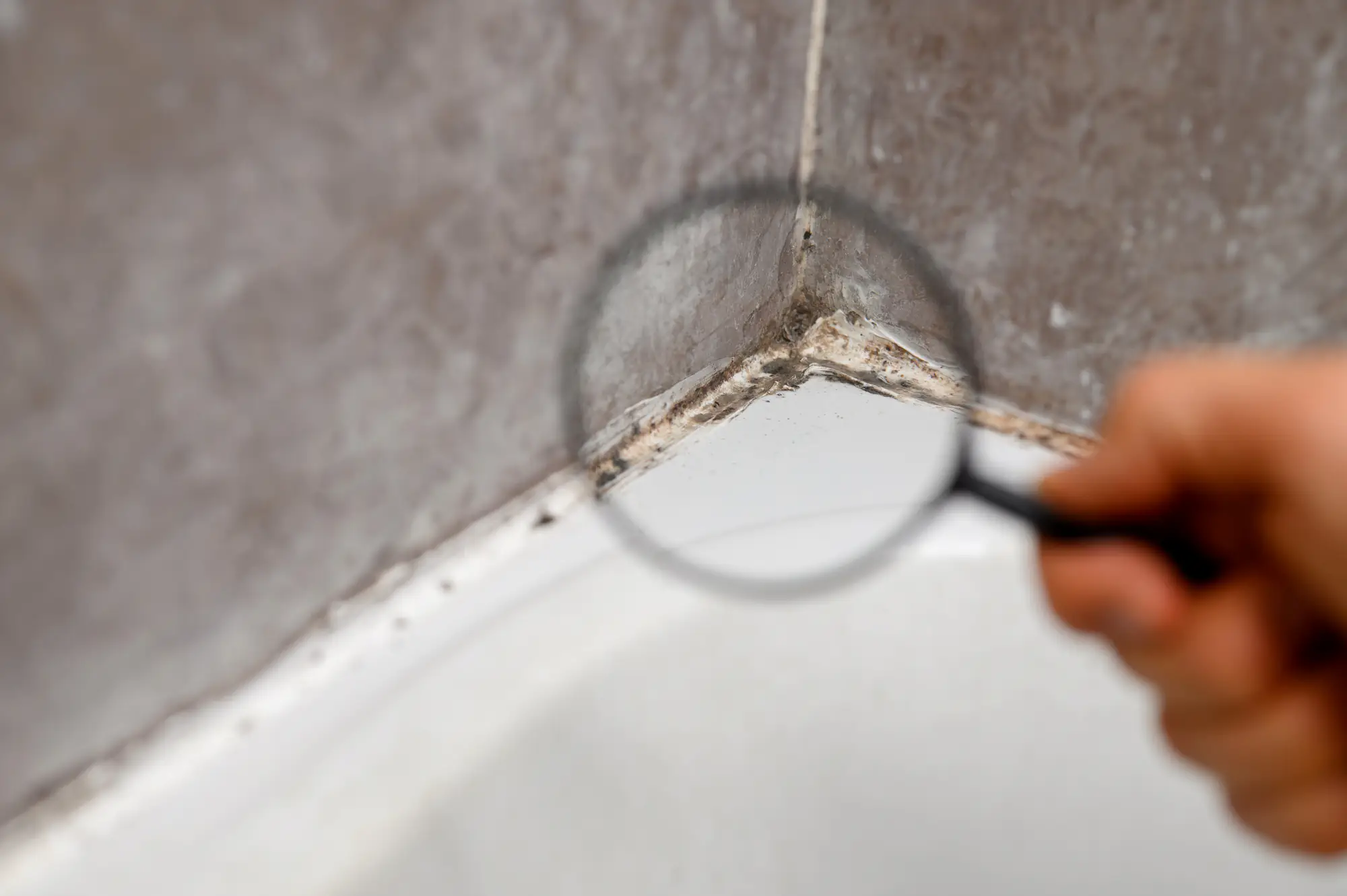
Black mold—technically called Stachybotrys chartarum—is dark greenish-black and usually slimy or wet to the touch. It grows on materials with high cellulose content like drywall, wood, and paper, especially after water damage.
But here’s the thing: you can’t identify mold type just by looking at it. Plenty of molds appear dark or black and aren’t Stachybotrys. And even non-black molds can cause health problems if you’re sensitive or exposed long-term.
That’s why we do air sampling and lab testing during inspections. It tells us exactly what species you’re dealing with and how much is in the air. If it’s black mold, we treat it seriously. If it’s another type, we still remove it completely. Either way, you get a clear answer instead of guessing based on color.
It depends on what caused the mold. Most homeowners insurance policies in Pennsylvania cover mold removal if it resulted from a covered peril—like a burst pipe, roof leak from storm damage, or appliance malfunction.
They typically won’t cover mold that developed from long-term neglect, poor maintenance, or flooding. And even when it’s covered, there’s usually a cap—often around $3,000 to $5,000—which may not cover the full cost of removal and repairs.
You’ll want to check your specific policy and talk to your insurance company early in the process. We can provide documentation, photos, and detailed reports to support your claim if the damage qualifies. But don’t wait to address the mold while you’re figuring out coverage. It spreads fast, and delays can make the problem worse and harder to get covered.
For most residential jobs in Bursonville, the actual removal takes one to three days depending on the size of the affected area. A small bathroom or closet might be done in a day. A full basement or multiple rooms could take longer.
But the timeline also depends on drying time and repairs. After we remove the mold, the space needs to dry out completely before we can close it back up. In humid weather, that can add a few extra days. If you’re replacing drywall or flooring, that’s additional time too.
The inspection happens first and usually takes a few hours. We’ll give you a timeline estimate based on what we find. Most people are back to normal within a week, but larger jobs with significant water damage or structural repairs can take two weeks or more. We’ll keep you updated at every step so there are no surprises.
For most people, mold exposure causes respiratory symptoms—stuffy nose, coughing, wheezing, sore throat, and eye irritation. If you have asthma or mold allergies, reactions can be more severe, including asthma attacks and difficulty breathing.
Long-term exposure, especially to high concentrations of mold spores, has been linked to chronic respiratory issues. Studies show that dampness and mold increase respiratory illness rates by 30 to 50 percent, and about 21 percent of asthma cases in the U.S. may be tied to mold exposure.
Kids, elderly people, and anyone with compromised immune systems are at higher risk. Even if you’re not noticing symptoms now, that doesn’t mean mold isn’t affecting your indoor air quality. Spores circulate through HVAC systems and settle in areas you don’t see. The longer it’s there, the more it spreads, and the harder it becomes to remove. Catching it early protects both your health and your home.
If it’s a very small area—less than 10 square feet—and it’s on a hard, non-porous surface like tile or glass, you can clean it yourself with soap and water or a mild bleach solution. But that only works if you’re dealing with surface mold and the moisture source is already fixed.
Most mold problems go deeper than what you see. It grows inside walls, under flooring, in insulation, and throughout HVAC ducts. Cleaning the visible part doesn’t address what’s hidden, and disturbing it without proper containment spreads spores to other areas of your home.
Professional mold removal involves containment, HEPA filtration, safe material removal, antimicrobial treatment, and moisture correction. We also test the air afterward to confirm the mold is actually gone. DIY cleaning can make things worse if you’re not equipped to handle it properly. And if the problem is bigger than you thought, you’ve just delayed real removal while the mold kept spreading.
Bucks County sits in the top 60 percent of states for mold susceptibility, and Bursonville deals with the same climate conditions that make the whole region mold-prone. Humid summers, unpredictable storms, and damp winters create perfect growing conditions.
The soil here is mostly clay with high groundwater tables, which means basements are constantly dealing with moisture intrusion. Older homes weren’t built with the same waterproofing or ventilation standards we use today, so water finds its way in through foundation cracks, window wells, and sump pump failures.
Attics are another hotspot. Temperature swings between seasons cause condensation on roof decking, especially if ventilation is poor. And HVAC systems that run hard during July and August struggle to control indoor humidity, which leads to mold growth in ducts, around vents, and on walls near air returns. It’s not that homes here are poorly maintained—it’s that the environment makes mold prevention an ongoing challenge. That’s why regular inspections and moisture control matter so much.
Other Services we provide in Bursonville