
Hear from Our Customers
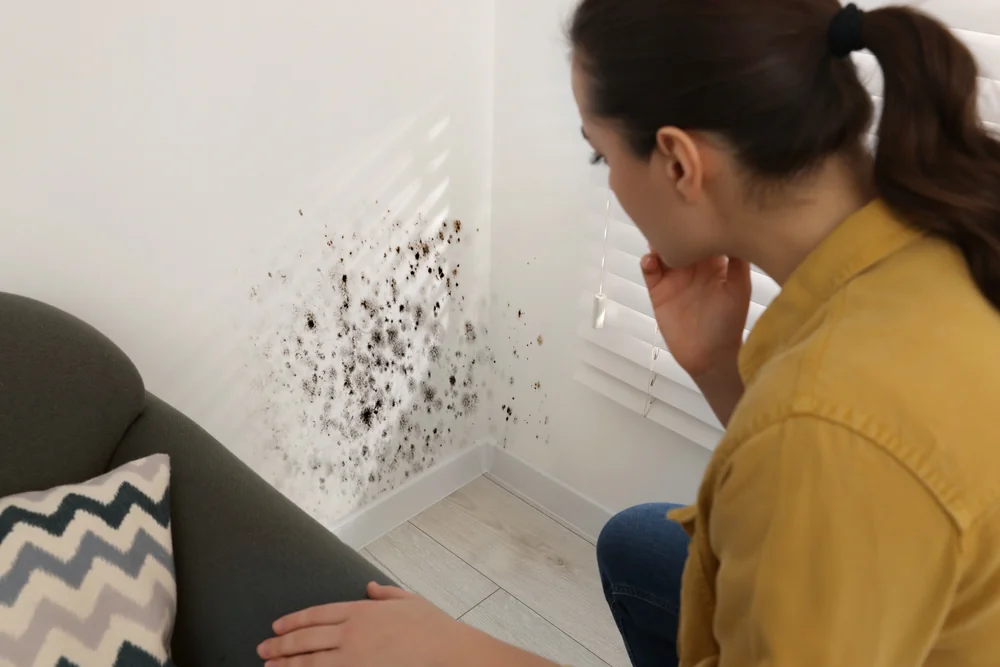
You can’t see mold spores. You can’t always smell them either. But if someone in your house has unexplained coughing, throat irritation, or allergy symptoms that won’t quit—especially symptoms that get better when they leave the house—there’s probably something in your air.
A home air quality test tells you exactly what’s there. Not a guess. Not a maybe. Actual data on mold levels, allergens, and airborne contaminants that could be making your family sick.
Most people wait too long. They assume it’s seasonal allergies or blame the dog. Meanwhile, mold is growing behind a wall, under flooring, or in the HVAC system. By the time it’s visible, the problem is bigger and more expensive to fix.
Testing catches it early. It gives you a baseline. And if there is a problem, you’ll know where it is, what type of mold you’re dealing with, and how serious the contamination is before it spreads or triggers bigger health issues.
We work throughout Bucks, Montgomery, Delaware, Chester, and Philadelphia County. We’ve been testing air quality and remediating mold in homes across the region long enough to know what Bridesburg homeowners deal with.
Older housing stock. Humid summers. Basements that flood after heavy rain. Poor ventilation in bathrooms and kitchens. These aren’t just inconveniences—they create the exact conditions mold needs to thrive.
We’re not here to upsell you. If your air tests clean, we’ll tell you. If there’s a problem, we’ll walk you through what it means, where it’s coming from, and what it takes to fix it. No pressure. No runaround. Just straight answers from people who do this work every day.
First, we talk. You tell us what you’re noticing—symptoms, smells, water damage history, areas of concern. That helps us know where to focus.
Then we inspect your property. We’re looking at basements, crawl spaces, attics, bathrooms, and anywhere moisture tends to collect. We check behind appliances, around windows, near HVAC systems, and in corners that don’t get much airflow.
We collect air samples using professional-grade equipment. These samples get sent to a certified lab that analyzes them for mold spores, allergens, and other airborne contaminants. We also take surface samples if we see visible growth or suspect hidden mold.
You get a full report within a few days. It breaks down what was found, concentration levels, and whether those levels are considered safe or problematic. If there’s an issue, we explain what needs to happen next—whether that’s improving ventilation, addressing a moisture source, or scheduling mold remediation.
The whole process is straightforward. No hidden fees. No pressure to move forward with remediation unless the results show you actually need it.
Ready to get started?
A residential air quality test from us includes a full property inspection, air sampling in multiple areas of your home, surface testing where needed, and lab analysis by certified professionals. You’re not just getting a guy with a moisture meter—you’re getting comprehensive testing that meets industry standards.
Bridesburg homes face specific challenges. The neighborhood sits near the Delaware River, which means higher humidity levels year-round. Add in older homes with aging plumbing, and you’ve got a recipe for moisture problems. Throw in the industrial history of the area, and indoor air quality becomes even more important for long-term health.
We test for common mold types like Aspergillus, Penicillium, and Stachybotrys (black mold). We also check for elevated levels of dust mites, pet dander, and other allergens that can trigger respiratory issues. If your home has had water damage—whether from a burst pipe, roof leak, or basement flooding—we pay extra attention to those areas since mold often grows in hidden spaces after water events.
The report you receive isn’t full of jargon. It’s written in plain language so you understand what was found and what it means for your home. If remediation is needed, we’ll give you a clear plan with no surprises.
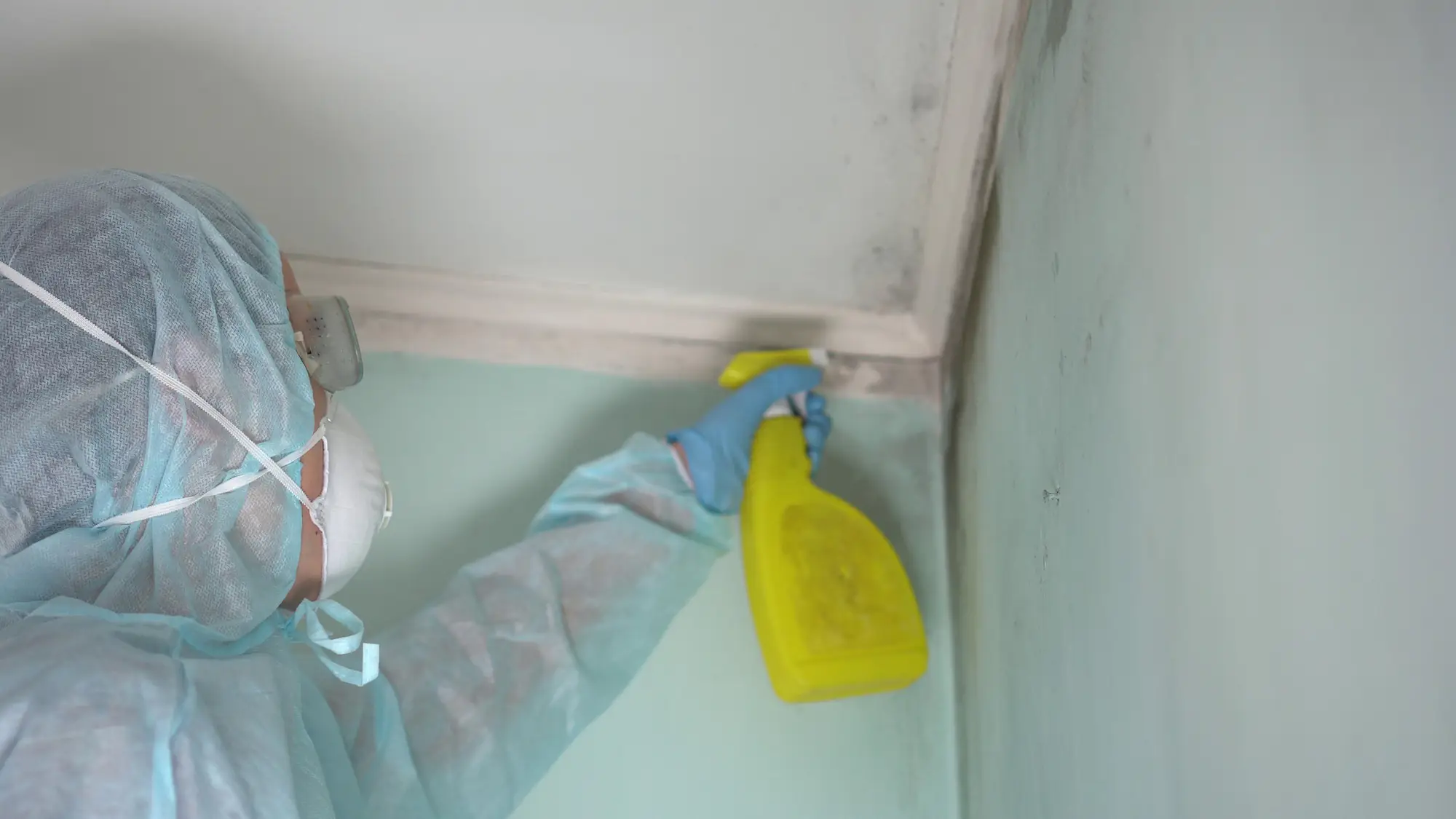
Most professional air quality tests for a typical home in Bridesburg run between $300 and $600, depending on the size of your property and how many samples are needed. If you only need testing in one or two rooms, it’ll cost less. If you want a whole-house assessment with multiple air samples and surface testing, it’ll be on the higher end.
Some companies offer free mold inspections, but those are usually tied to remediation services—they’re hoping to find a problem so they can sell you the fix. We offer free consultations where we’ll talk through your concerns and let you know if testing makes sense. But the actual lab work and detailed analysis isn’t free, because it involves certified testing and third-party lab fees.
If your air tests positive for mold and you move forward with remediation, many homeowners insurance policies cover part or all of the cost—especially if the mold resulted from a covered water damage event like a pipe burst or storm damage. We can help you navigate that process if needed.
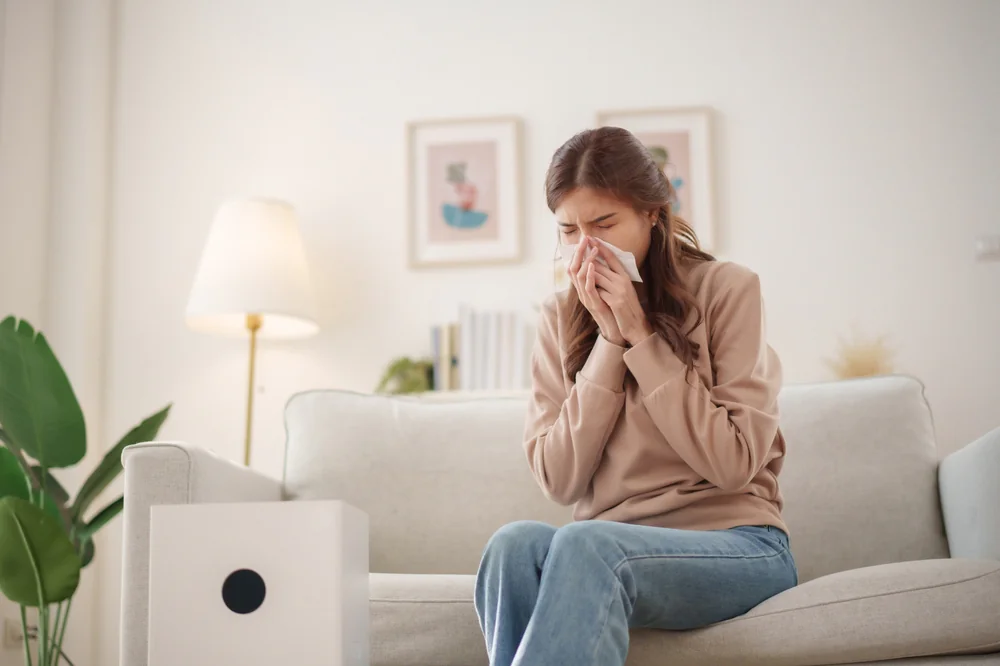
The most common sign is unexplained health symptoms that improve when you leave the house. Persistent stuffy nose, scratchy throat, coughing, wheezing, itchy eyes, or skin rashes that don’t respond to normal treatment. If multiple people in your household are experiencing these symptoms, that’s a red flag.
Visible mold growth is another obvious one—but here’s the thing: by the time you see mold, it’s usually been growing for a while. A musty smell in your basement, bathroom, or closets is often the first indicator. So is a history of water damage, even if it was “dried out.” Mold can grow inside walls, under flooring, and in HVAC ducts where you can’t see it.
Homes in Bridesburg are especially vulnerable after heavy rain or flooding. If your basement has ever taken on water and wasn’t professionally dried within 24-48 hours, there’s a good chance mold started growing. Same goes for roof leaks, plumbing leaks, or condensation issues around windows and pipes. Testing gives you peace of mind—or catches a problem before it gets worse.
The actual on-site testing takes about 1-2 hours for an average-sized home. That includes the inspection, air sampling, and any surface testing we need to do. If your home is larger or we’re testing multiple areas, it might take a bit longer.
The air samples get sent to a certified lab for analysis, and results typically come back within 3-5 business days. Some labs offer rush processing for an additional fee if you need results faster—like if you’re in the middle of a real estate transaction or dealing with a health emergency.
Once we get the lab results, we’ll walk you through them and explain what they mean. If remediation is needed, we can usually start within a few days. If your air tests clean, you’ll have documentation proving your home’s air quality is safe—which is valuable if you’re selling or just want confirmation for your own peace of mind.
You can buy DIY mold test kits at hardware stores or online for $10-$50, but they’re not very reliable. Most of them just tell you that mold spores are present—which is true in basically every home. They don’t tell you what type of mold, how much is there, or whether the levels are actually dangerous.
Professional air quality testing uses calibrated equipment and certified labs that can identify specific mold species and measure spore concentrations. That data tells you whether you have a problem or just normal background levels. It also gives you documentation that’s accepted by insurance companies, real estate agents, and remediation contractors.
The other issue with DIY kits is that they don’t include an inspection. Mold grows in hidden places—behind drywall, under carpets, inside HVAC systems. A professional knows where to look and what conditions create mold growth. If you’re serious about understanding your home’s air quality, professional testing is worth the investment. If you just want to satisfy curiosity, a DIY kit might be fine—but don’t rely on it for health or safety decisions.
First, don’t panic. Finding mold doesn’t mean your house is condemned or that you’re in immediate danger. It means you have information and can take action before the problem gets worse.
The lab report will tell you what type of mold was found and at what concentration. Some molds are more concerning than others. Stachybotrys (black mold) and certain Aspergillus species can cause serious health issues, especially for people with asthma, allergies, or weakened immune systems. Other molds are less toxic but still need to be addressed.
We’ll walk you through the results and explain what needs to happen next. Usually, that means identifying the moisture source—because mold can’t grow without water. Maybe it’s a leaky pipe, poor ventilation, condensation, or past water damage that wasn’t fully dried. Fixing the moisture problem is step one. Then we remove the mold using containment methods, HEPA filtration, and EPA-approved cleaning agents. After remediation, we do post-testing to confirm the air is clean.
It depends on your policy and what caused the mold. Most homeowners insurance covers mold remediation if the mold resulted from a covered peril—like a sudden pipe burst, storm damage, or appliance malfunction. If the mold is from long-term neglect, poor maintenance, or gradual leaks you didn’t fix, insurance probably won’t cover it.
The key is documentation. If you’ve had a water damage event, file a claim right away and get professional testing done quickly. Insurance companies want to see that you took immediate action to prevent further damage. Waiting weeks or months to address mold can give them a reason to deny your claim.
Some policies have mold coverage limits—often around $10,000—so check your policy details. If you’re buying a home in Bridesburg or anywhere in the Philadelphia area, consider adding mold coverage or increasing your limits. Given the age of housing stock and the humid climate, it’s a smart investment. We’ve worked with plenty of insurance claims and can help you document everything properly if you need to file.
Other Services we provide in Bridesburg