
Hear from Our Customers
You spend 90% of your time indoors. If something’s off with your air, you’re breathing it constantly.
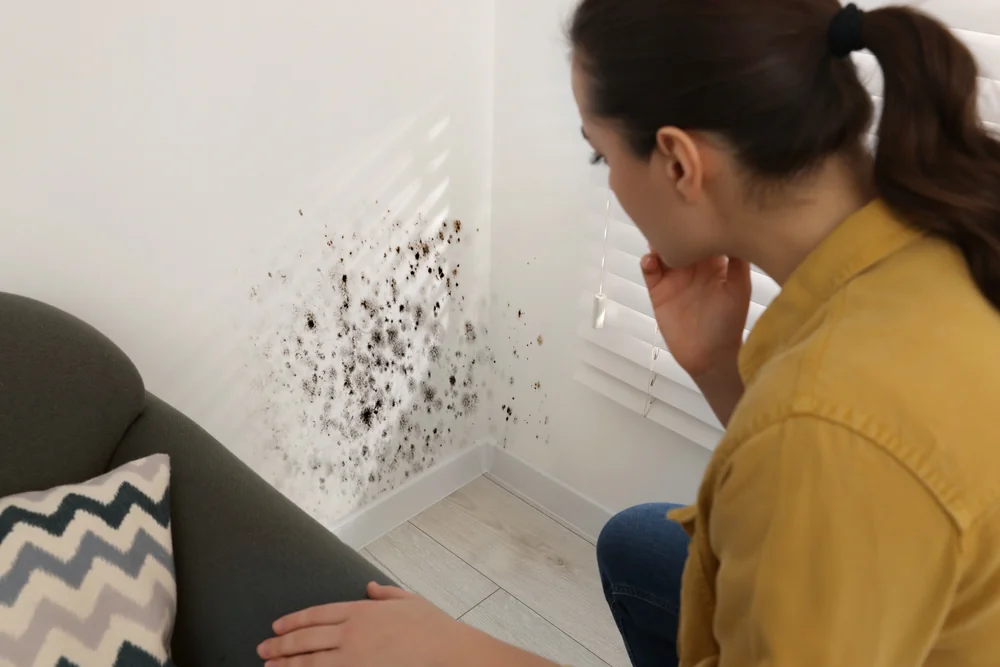
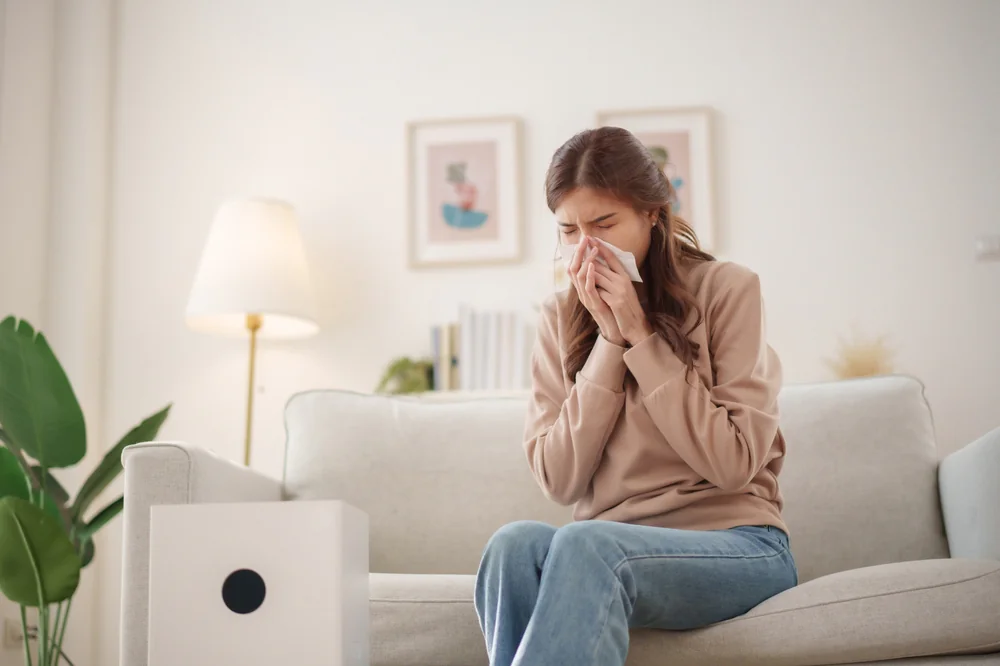
Maybe someone in your house has unexplained headaches that won’t quit. Or allergies that seem worse at home than anywhere else. You might smell something musty in the basement but can’t see anything wrong. These aren’t things you should ignore or just get used to.
A home air quality test gives you actual data. We’re talking about identifying mold spores, volatile organic compounds, carbon monoxide, radon, and particulate matter that you can’t see or smell. Indoor air pollution can be up to 70% worse than outdoor air in suburban areas like Croydon Heights, and most people have no idea until they test for it.
Once you know what’s there, you can fix it. No more guessing whether that cough is seasonal or something in your walls. No more wondering if your kids are safe playing in the basement. Just clear information and a path forward.
We’ve been serving Croydon Heights and the surrounding Bucks County area long enough to know what problems show up in local homes. The humidity near the Delaware River, the age of housing stock in this area, the way basements are built here—it all matters when you’re trying to figure out what’s affecting your indoor air.
We’re not a national franchise reading from a script. We know this area. We’ve tested hundreds of homes in Bensalem, Bristol, and Croydon Heights, and we understand what to look for in properties like yours.
When we show up, we’re focused on one thing: giving you accurate information about your air quality so you can make informed decisions. No upselling. No scare tactics. Just thorough testing and honest answers.
First, we talk. You tell us what you’ve noticed—smells, symptoms, concerns about specific rooms. That conversation shapes where we focus our testing.
Then we come to your property and conduct a visual inspection. We’re looking for visible mold, water damage, ventilation issues, and any obvious sources of contamination. This isn’t just a quick walkthrough—we check areas most people never think about.
Next comes the actual air sampling. We use professional-grade equipment to collect air samples from different areas of your home. We test for mold spores, VOCs, carbon dioxide, carbon monoxide, and particulate matter. If radon is a concern, we can test for that too—it’s a real issue in Pennsylvania and completely undetectable without proper testing.
We also do surface testing when needed. Sometimes mold is growing where air samples won’t catch it, so we take samples directly from suspected areas.
After testing, samples go to an accredited lab for analysis. You get a detailed report that breaks down exactly what’s in your air, at what levels, and whether those levels are safe. We walk you through the results in plain language and explain what needs to happen next—whether that’s remediation, ventilation improvements, or just peace of mind that everything’s fine.
Ready to get started?
Our residential air quality testing covers the contaminants that actually affect homes in Croydon Heights. Mold is the big one—it hides in walls, crawl spaces, and HVAC systems, releasing mycotoxins that cause respiratory problems, headaches, and fatigue. We test air and surfaces to find it.
VOCs are another major concern. These are chemicals released from cleaning products, building materials, furniture, and even new carpet. Long-term exposure causes everything from eye irritation to serious respiratory issues. Our testing identifies which VOCs are present and at what concentration.
We test for carbon monoxide and carbon dioxide levels, especially important if you have gas appliances or poor ventilation. CO is deadly and odorless—you won’t know it’s there without testing. Elevated CO2 means your ventilation isn’t adequate, which concentrates all the other pollutants in your air.
Radon testing is critical in Pennsylvania. This radioactive gas seeps up from the ground and is the second leading cause of lung cancer. Bucks County has known radon issues, and the only way to know if your home is affected is to test.
Particulate matter testing measures dust, pollen, pet dander, and other particles floating in your air. High levels trigger asthma and allergies, especially in kids and elderly family members.
You get lab-certified results for everything we test, a written report you can share with doctors or contractors, and a clear explanation of what the numbers mean for your specific situation.
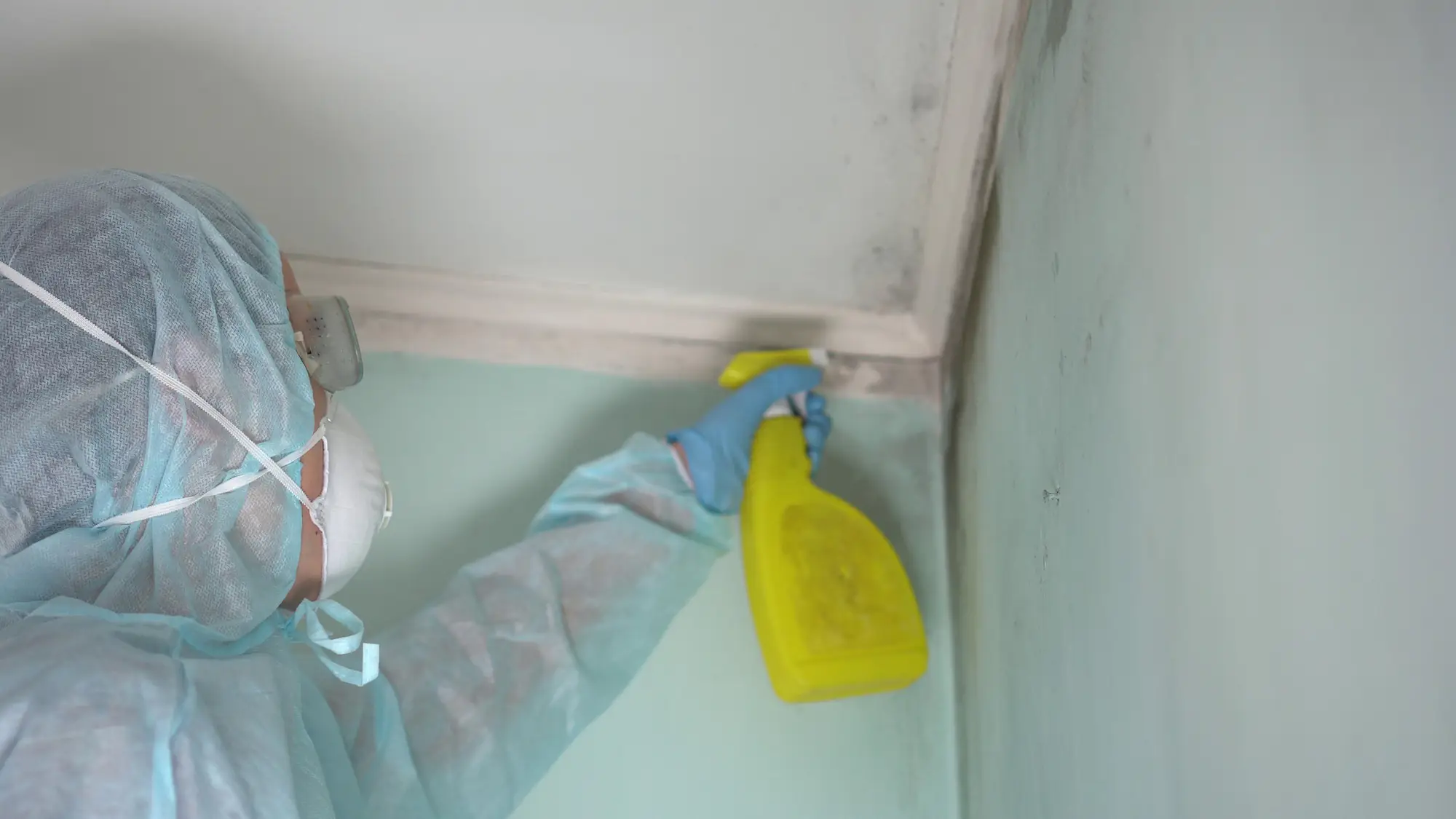
If anyone in your home has unexplained respiratory symptoms, frequent headaches, or allergies that get worse indoors, that’s a sign. Same goes for musty odors, visible water damage, or if you’ve had flooding or leaks in the past.
You should also test if you’re buying or selling a home in Croydon Heights, especially older properties. Many issues hide in walls and crawl spaces where you can’t see them. Testing before you buy protects your investment. Testing before you sell prevents surprises during inspection.
Pregnant women, young children, elderly family members, and anyone with preexisting respiratory conditions are more vulnerable to poor air quality. If you have people in those categories living with you, testing isn’t optional—it’s a health precaution. Indoor air pollution causes real harm over time, and the only way to know what you’re dealing with is to test.
A mold air test specifically measures mold spore levels in your air. We collect samples and send them to a lab that identifies the types of mold present and their concentration. This tells you if you have a mold problem and how serious it is.
A full indoor air quality test is more comprehensive. It includes mold testing but also checks for VOCs, carbon monoxide, carbon dioxide, radon, and particulate matter. You get a complete picture of everything affecting your air, not just mold.
Most people who call us think they have a mold problem, but sometimes the symptoms they’re experiencing come from something else entirely—high VOC levels from new furniture, poor ventilation causing CO2 buildup, or radon seeping in from the ground. A comprehensive test catches all of it. If your main concern is mold, we can focus there. But if you want to know everything that’s in your air, the full test is worth it.
The on-site portion usually takes two to three hours, depending on your home’s size and how many areas we’re testing. We’re thorough but efficient—we’re not going to disrupt your entire day.
Air samples go to an accredited lab for analysis. Standard turnaround is three to five business days. If you need results faster, rush processing is available and gets you answers in 24 to 48 hours.
Once results come back, we schedule a time to walk through them with you. This isn’t just handing you a report and leaving—we explain what the numbers mean, which issues need immediate attention, and what your options are for fixing problems we found. That conversation usually takes 30 to 45 minutes. Some people have a lot of questions, and we’re not in a rush. The goal is for you to understand exactly what’s happening in your home and feel confident about next steps.
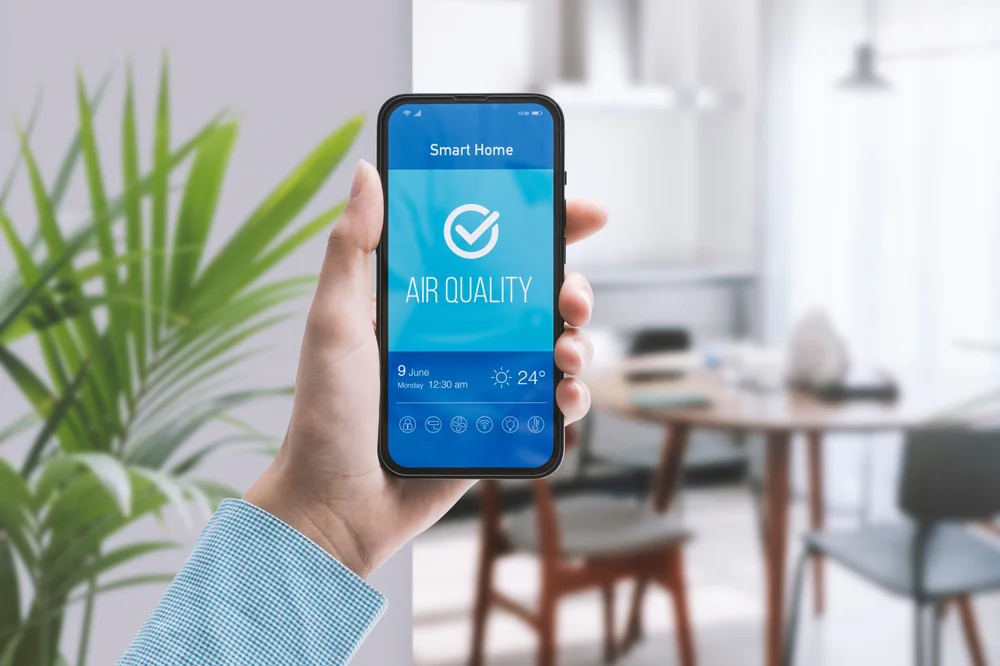
Consumer monitors can track some basics like temperature, humidity, and general particulate levels. They’re fine for ongoing monitoring after you’ve already identified and fixed problems. But they’re not a substitute for professional testing.
Here’s why: they don’t test for mold species or spore counts. They can’t detect radon accurately. They don’t measure specific VOCs or identify which chemicals are present. And they can’t tell you where problems are coming from or how serious they are compared to health standards.
Professional air quality testing uses lab-grade equipment and certified analysis. We’re not just measuring—we’re identifying specific contaminants, quantifying their levels, comparing them to EPA and OSHA standards, and pinpointing sources. That’s information a $200 consumer device can’t give you. If you’re trying to figure out whether your home is safe or what’s causing health symptoms, you need accurate data from proper testing. After we’ve tested and you’ve addressed any issues, then a home monitor makes sense for keeping an eye on things long-term.
First, you get a detailed report showing exactly what we found, where we found it, and at what levels. We explain which contaminants exceed safe thresholds and which ones are within normal ranges. Not everything we find requires action—some level of mold spores and particulates exists in every home. It’s about whether levels are high enough to cause problems.
If remediation is needed, we walk you through what that involves. For mold, that means containment, removal, cleaning, and addressing the moisture source so it doesn’t come back. For VOCs, it might mean improving ventilation or removing specific products. For radon, mitigation systems redirect the gas away from your home.
We provide a clear scope of work and timeline. If you want us to handle remediation, we can start as soon as you’re ready. If you want to hire someone else or get multiple quotes, that’s fine too—you own the test results and can share them with any contractor.
The important thing is that you’re not left wondering what to do next. We’ve done this enough times to guide you through the process, answer questions, and make sure the work gets done right. Testing is just the first step—fixing the problem is what actually protects your family.
Cost depends on what you’re testing for and how large your property is. A basic mold air test for a typical home starts around $300 to $500. Comprehensive testing that includes mold, VOCs, radon, CO, and particulates runs higher—usually $500 to $800 for an average-sized home.
If you need surface samples in addition to air samples, or if you have a larger property with multiple areas to test, that affects pricing. We give you an exact quote after we understand your situation and what you need tested.
Here’s what matters: professional testing costs a fraction of what you’ll spend if you ignore a problem and it gets worse. Mold remediation after extensive growth can run thousands of dollars. Health issues from long-term exposure to radon or VOCs cost even more. Testing gives you information early, when problems are still manageable and less expensive to fix. It’s not an expense—it’s insurance against bigger problems down the road. Call us and we’ll talk through what makes sense for your home and budget.
Other Services we provide in Croydon Heights